For decades, great ideas were leaving St. Louis. They were born inside the region’s labs, universities, and medical institutions—then turned into companies and jobs somewhere else. The intellectual capital was here. The ecosystem to keep it wasn’t.
That changed when Dr. William Danforth, one of St. Louis’ most respected civic leaders, saw a city with a century’s worth of untapped potential and set out to build something that would keep great ideas—and the people behind them—right here. In 2001, he and a coalition of regional leaders founded what would become BioSTL.
“We were a farm system for cultivating great ideas,” says Donn Rubin, founding president and CEO of BioSTL. “Without the ecosystem, other parts of the country were reaping the economic benefits.”
First, What Is “Bio”?
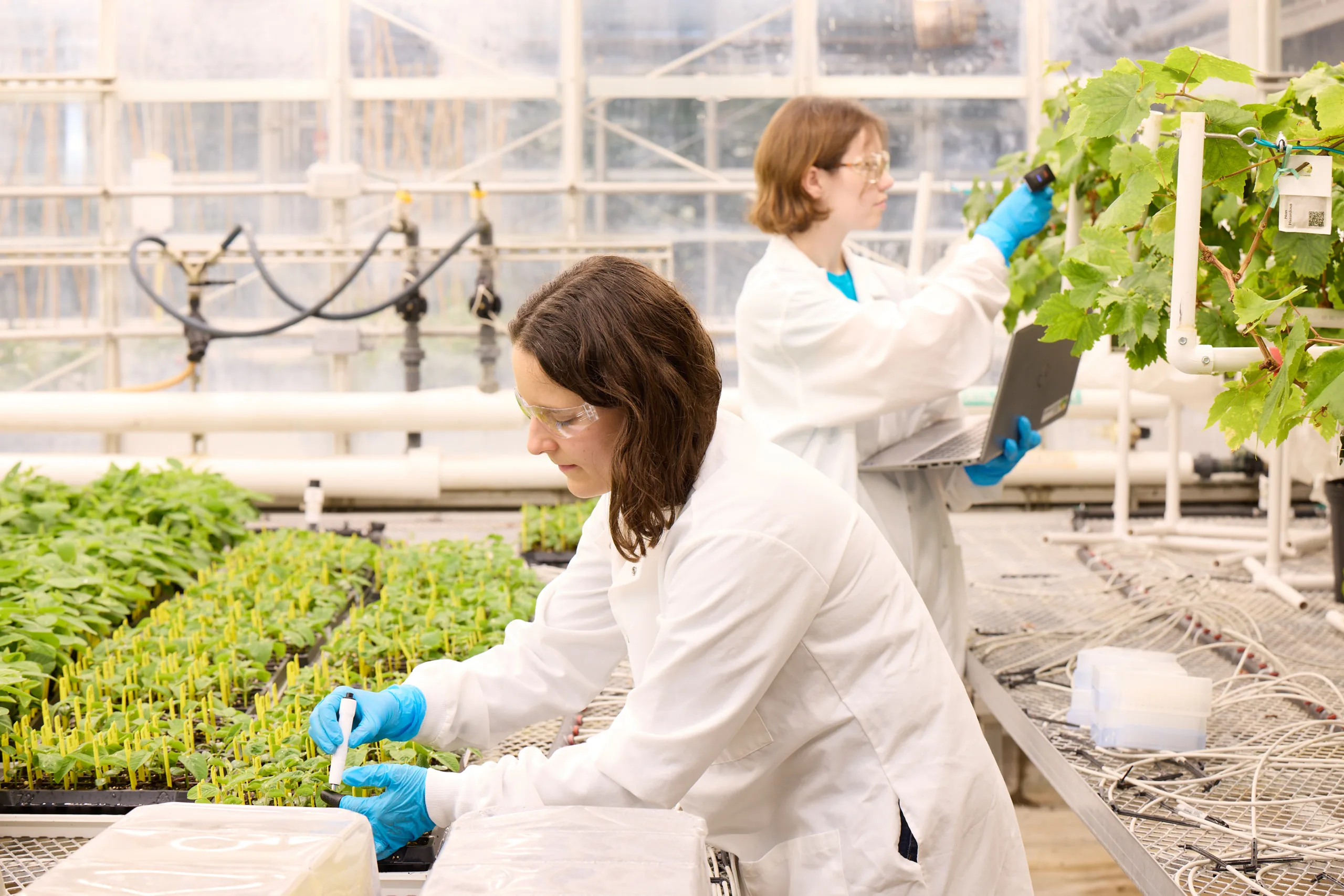
At its core, bio is the science of life—and life follows the same rules, whether it’s growing in a field or a human body. It’s no coincidence that some of the scientists who helped map the human genome at Washington University went on to transform plant science. In St. Louis, the two fields have always been intertwined and grown together.
“Bio” is shorthand for that entire interconnected universe: human health, agriculture, plant science, and all of the technologies—AI, imaging, big data—that touch them.
“It was never plant science or medical science,” Rubin says. “It was always both. Our region has remarkable strengths across that entire spectrum.”
The Invisible Work
Most people in St. Louis know that the region is strong in bioscience. Fewer know that there has been an organization working behind the scenes to make that true. For its first decade, BioSTL didn’t have a website or issue press releases. It was quietly aligning stakeholders, building institutions and new capabilities, and connecting St. Louis to innovation hubs around the world.
“BioSTL weaves those pieces together,” Rubin says, “so one plus one can equal three, four, or five.”
Over time, that led to concentrating effort in three areas: building high-growth startups, developing a bioscience workforce, and strengthening St. Louis’ reputation as a global innovation hub.
Turning Research Into Companies
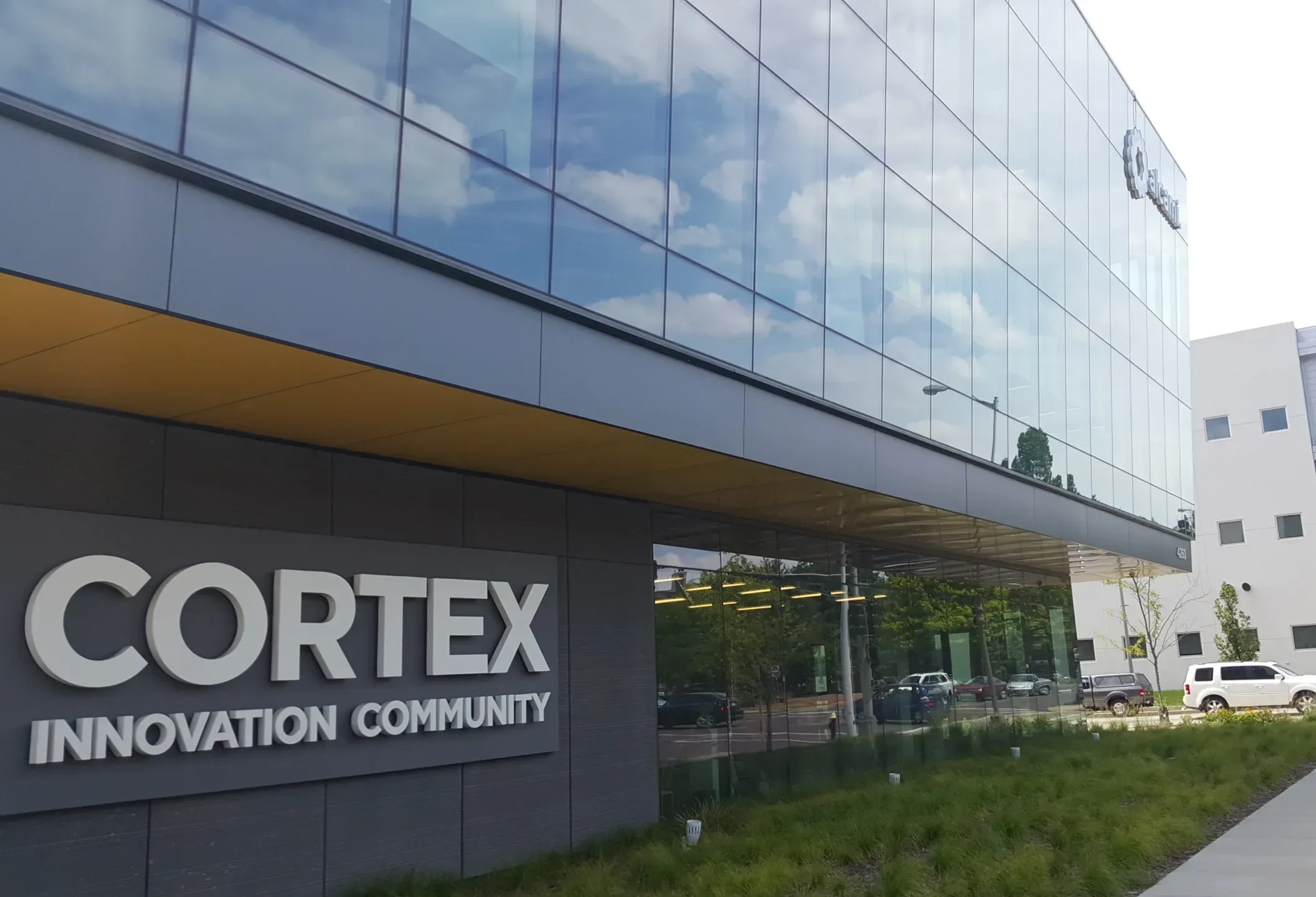
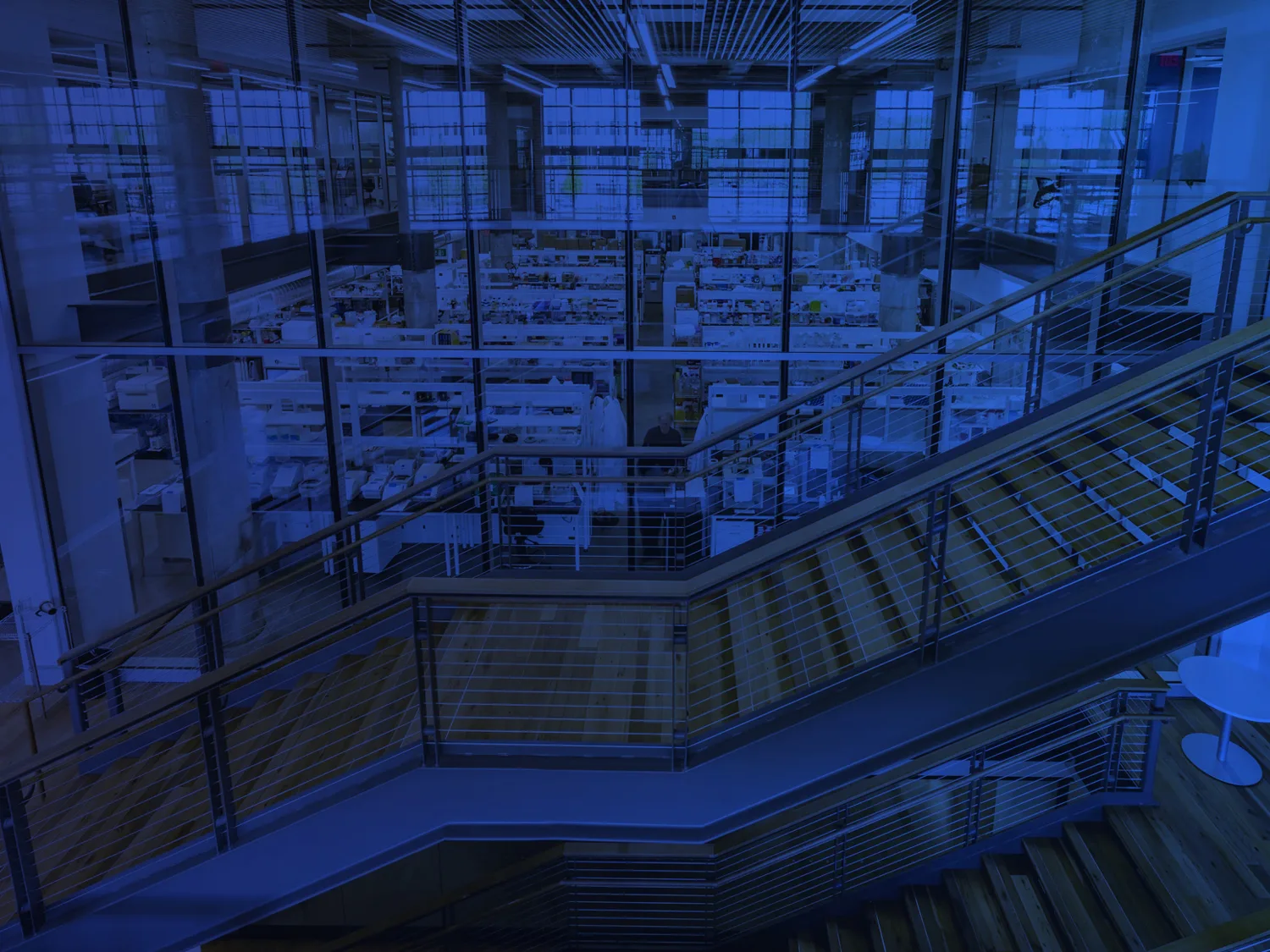
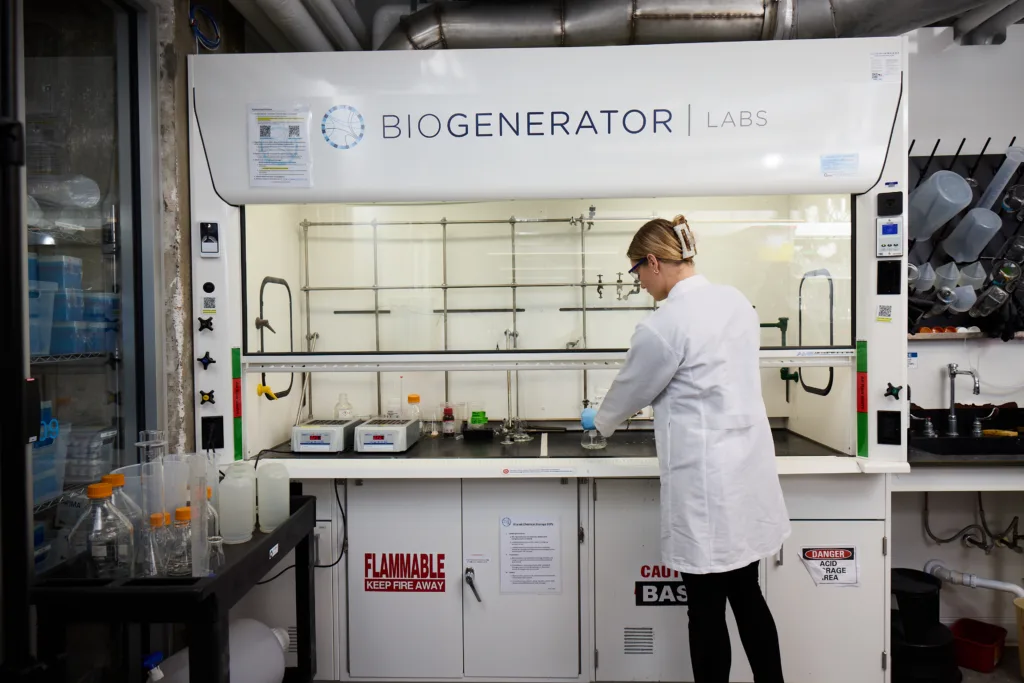
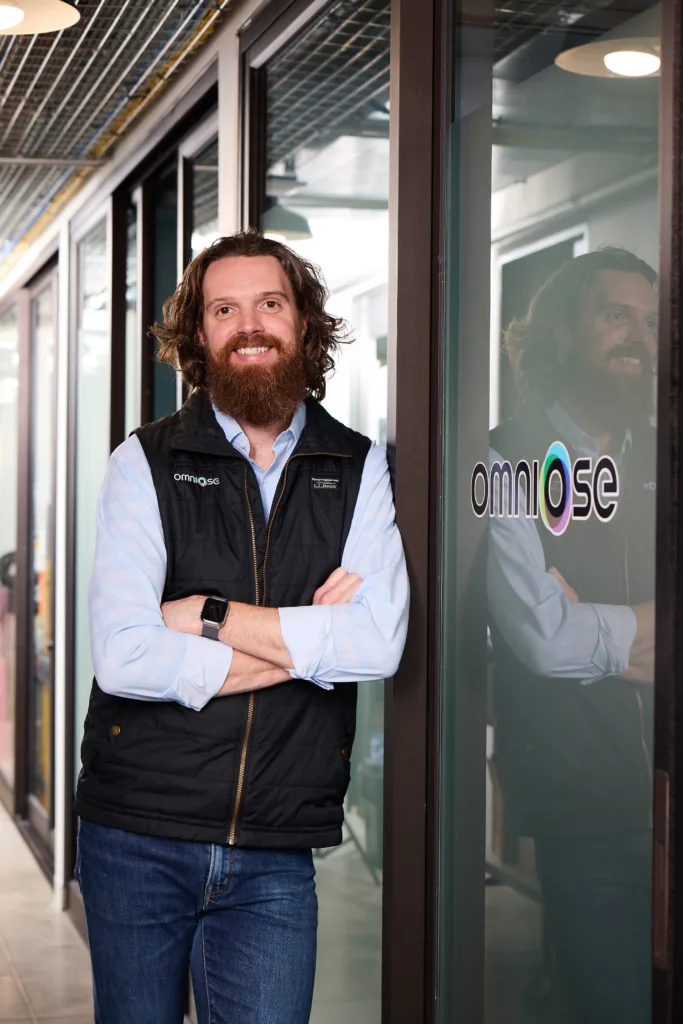
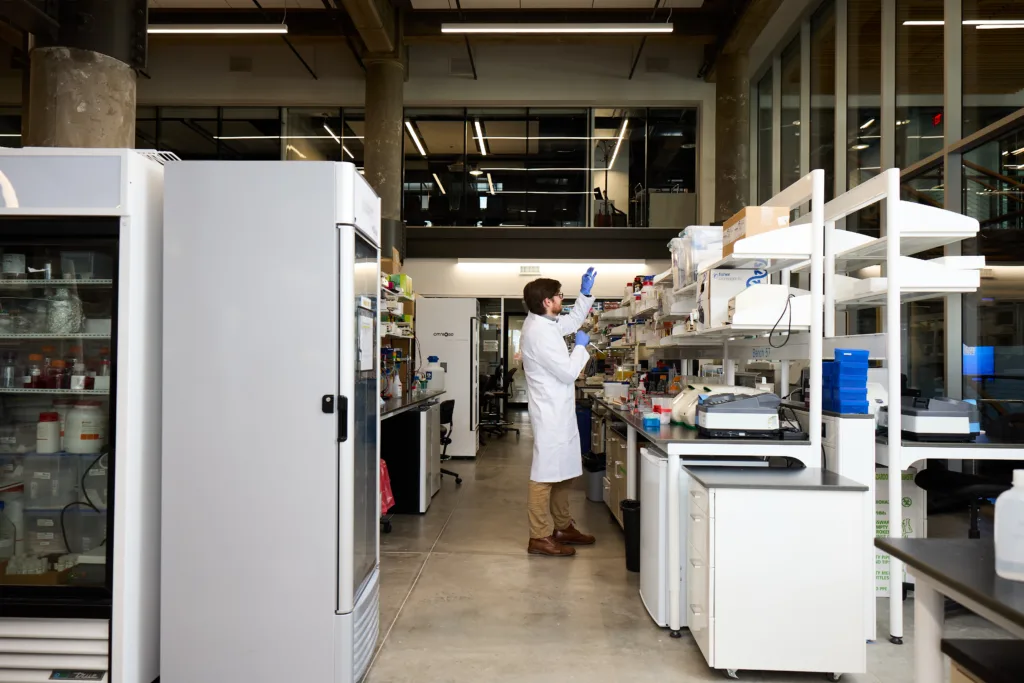
Building a startup isn’t just about funding—it requires the right people, the right places, and the right policy environment to take root and grow. BioSTL acts as a conductor of all those elements, providing early-stage companies with capital, hands-on support, and lab space positioned near the region’s leading academic health centers and its concentration of agtech strengths in St. Louis County.
To date, BioGenerator, BioSTL’s startup arm, has supported more than 400 startups and made more than $50 million in early-stage investments—attracting more than $3 billion in follow-on capital, 85 percent of it from outside the region, and creating thousands of high-quality jobs in St. Louis.
Building the Talent Pipeline
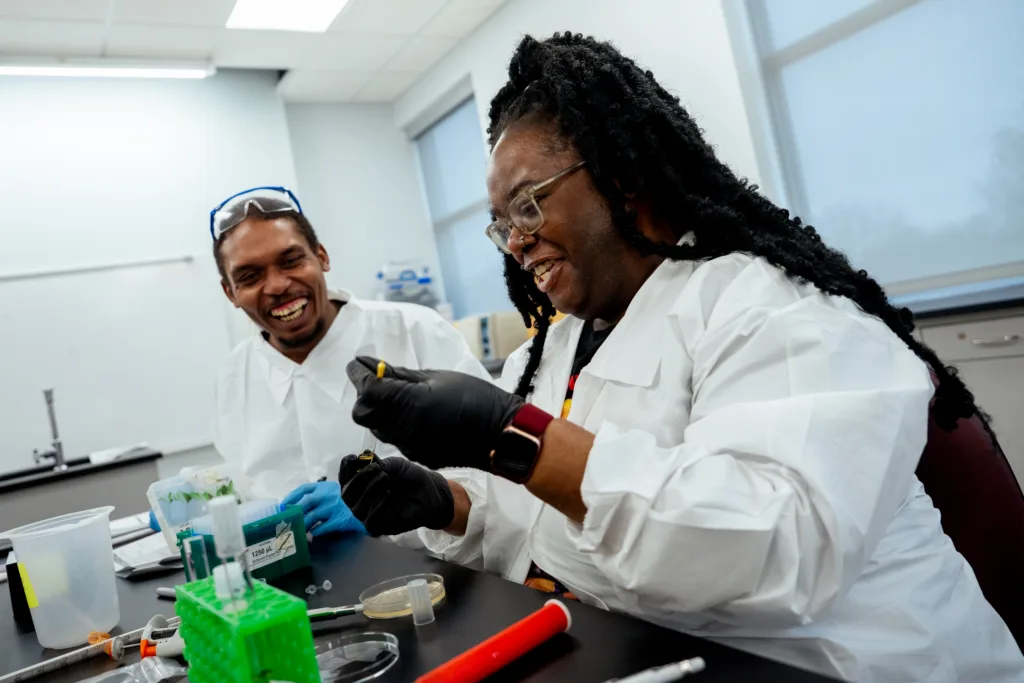
A startup ecosystem is only as strong as the talent available to staff it. BioSTL’s Education to Workforce initiatives build that pipeline from the ground up — connecting K–12 students, adult job seekers, and educators to bioscience career pathways. The goal: ensure that as St. Louis companies have the talent they need to stay and expand here.
Putting St. Louis on the Map
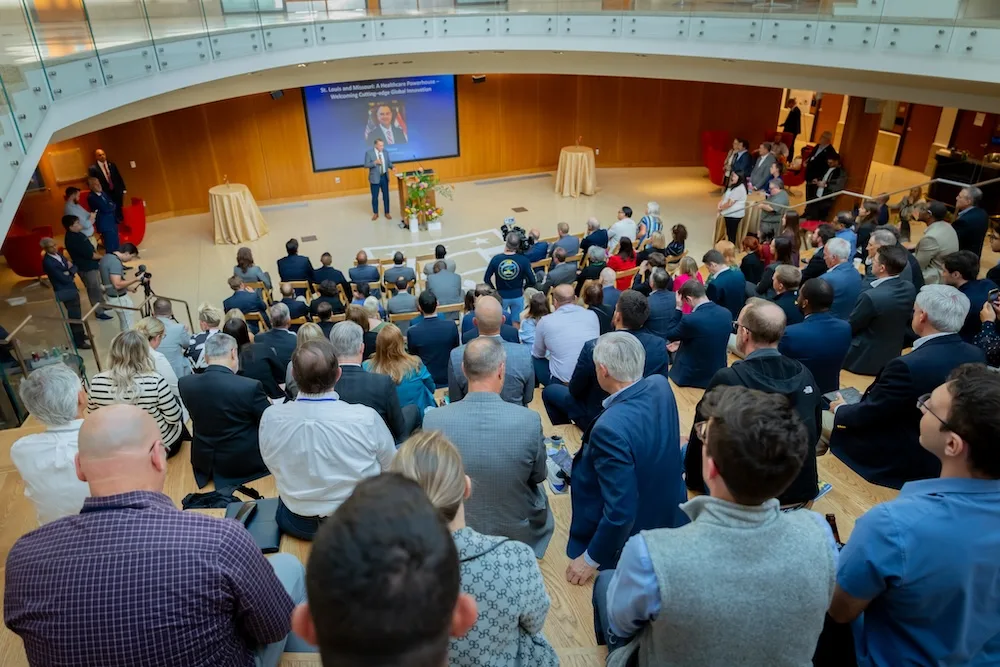
BioSTL has spent 25 years building global connections: forging partnerships with innovation hubs in Europe, India, and Israel, attracting international life science companies, and hosting two annual global summits that bring investors and founders from around the world to St. Louis. The Brookings Institution has called BioSTL a model for American cities going global.
“Many of them could not have pointed to St. Louis on a map 10 or 20 years ago,” Rubin says. “Now they are establishing businesses here and investing in a way that was, in some ways, unthinkable when we started.”
Twenty-Five Years In and Just Getting Started
“The ecosystem is significantly healthier and more prolific than it was a decade ago” Rubin says. “We have so much untapped potential to bend the curve upward.”
Twenty-five years ago, there was a lingering question about what St. Louis could become. The answer is still being built—startup by startup, partnership by partnership, innovation by innovation. And it’s being built here.
This post was created by SLM Partner Studio on behalf of BioSTL. For more information, visit biostl.org.