It’s a marvelously mysterious concept, the underground restaurant. Although the phenomenon had been common on both coasts for several years, St. Louis hadn’t experienced it until a divinity student (then known only as The Clandestine Chef) held his first dinner in August 2008. The concept works like this: Potential guests request an invitation via a website (Perkins’ is entreunderground.com), but the menu and venue are kept secret until the day of the event. Several months ago, born out of success, necessity, and opportunity, The Clandestine Chef elected to parlay his underground business into a real one. Now we can know his real name.
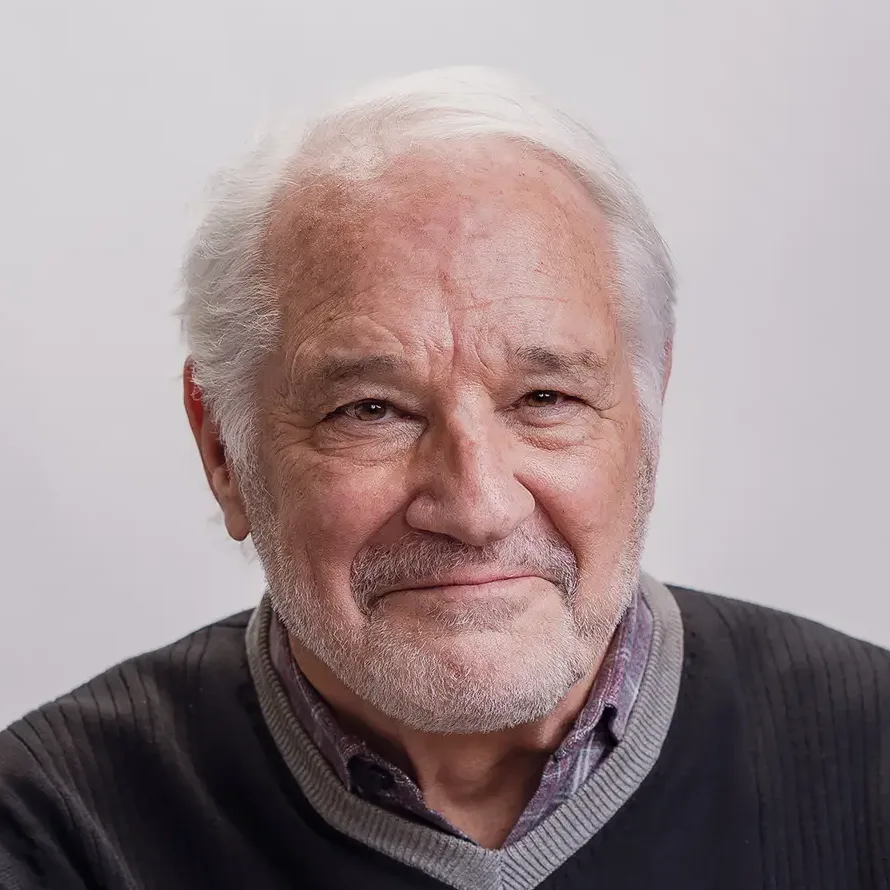
Meet chef John Perkins, owner of Events by Entre.
When you started Entre, did you ever think it would take off like it did?
No, it was “Do one and see what happens.” I had no idea where it would lead. I did know that unlike working in a restaurant, doing an occasional dinner gave me instant total control to create and learn at my own pace, even if I learned by making mistakes.
And it led to doing a lot more dinners.
We’re back to one dinner a month, with an additional themed dinner I do quarterly with Chris Bork [former chef at Revival] that’s more exclusive: 12 courses, 12 people per event, $100 per person. The last one we did was a “snout to tail” dinner—that theme should be obvious.
Part of the appeal is that each venue is different.
We’ve held several in private wine cellars and one in an ornate hunting lodge…everything from bungalows to mansions.
There’s a philosophical component to these dinners as well.
My intent was always to focus on the communality of food, of sharing a meal, sharing a table. And communality from the kitchen as well…not to knock restaurants, but there is often very little interaction between kitchen and dining room. I wanted to change that.
There is a curiosity to what goes on behind those double doors…
And it works both ways. The kitchen staff is curious to know what’s happening out front as well. The better connected the kitchen staff is with the guests, the more rewarding it is for them as well. It takes the act of cooking to a higher level. The experience—for both diners and staff—of an UR is just as important as what is served. UR diners have come to understand that and appreciate it.
Did your customers immediately embrace the whole communal dining thing?
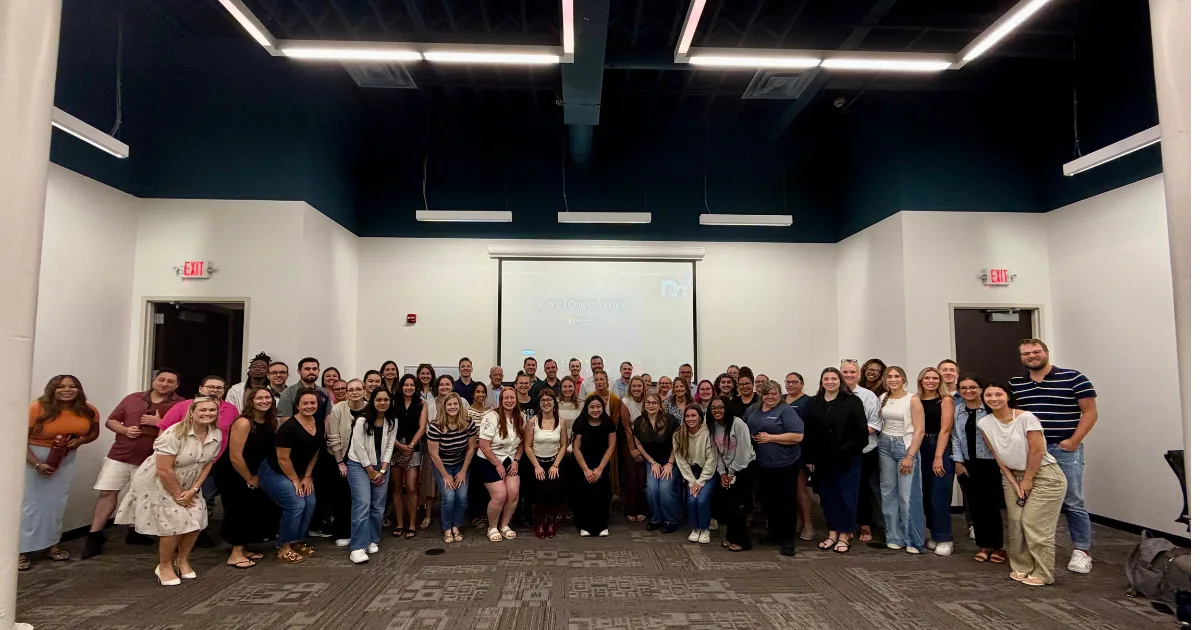
Oddly, that part was no problem at all. If you’re not inquisitive and social by nature, you’d never have sought out the experience in the first place. I now do dinners where we seat 20 to 35 people at one huge table and people love it.
How does payment work for these dinners?
We ask for a suggested donation, much like you’d see if the party was at a friend’s house. The menu is fixed, so it’s more of a dinner party than a restaurant experience. That’s how the law sees it as well.
The suggested donation is generally $65, plus another $20 for the paired wines. Were there ever any problems getting that donation?
Judging from all the compliments and repeat diners, I’d say no. But we instituted a plan where you can donate your expertise—wine knowledge, serving skills, food products, tee-shirts, whatever—for a free pass to a later dinner.
What is the demographic for these dinners?
Very diverse in terms of both age and social strata, which too is part of the appeal. The common thread is that attendees are all somewhat adventurous. No one’s real shy…which always makes for great dinner party.
So how do you make a living doing a dinner or two a month?
You don’t. For most chefs it’s just a hobby, a creative outlet. The intent is not to make them for-profit businesses… Restaurants are far more efficient.
But you are making a living at it.
I hope to be. At one dinner, I met Mark Erker [of Catering St. Louis], who was impressed with what we were doing. We struck up a relationship, and a few months later he agreed to sublease me a kitchen—in the former King Louie’s/Revival space—to expand and legitimize my business.
How do you do that?
My area of expertise is doing dinner parties and events for 50 people and under, a niche that, fortunately, Mark’s not as concerned with. And he wants to do a weekly, midweek event in that space… Part of our arrangement is that I will help with that.
And on the other six days?
It is the home kitchen for Events by Entre…which is an in-home version of our underground dinners. Plus, it will provide space to prepare stocks and sauces and do canning and pickling and grow vegetables. It will allow us to better develop recipes and just to grow.
Ah, the things chefs take for granted…
True. And it allows me to separate my work from my home. I was reminded of work every time I opened that refrigerator door.
I Love this. You’re now a legit caterer, one being helped along by another caterer.
Between the potential business from those who have attended my dinners and what Mark is willing to do for me, it makes total sense.
You have a master’s degree in divinity. What part does that play in all this?
A book written in 1969 by an Episcopal priest, Robert Farrar Capon, The Supper of the Lamb, is a great read whether you are religious or not. Today, guys like Michael Pollan are saying some of the exact same things…the importance of eating meals together, the importance of knowing where your food comes from.
So is it a spirtual book or is the book about food?
It’s about theological reflections and recipes, or the intersection between theology and food. Many religious people wrestle with the spiritual vs the material…to them, material success and enjoyment are considered sinful. Anything with a sensual element had sin all wrapped up in it. Capon contends that physical enjoyment of things is part and parcel of the world …that we’re here not as isolated spiritual entities, but as physical bodies. And to be able to cook and enjoy a meal is of supreme importance to God…he provided all this for a reason. More than that, food is a central thread from a biblical perspective as well. Christians need to refocus and look through the lens of what the bible actually says. If anyone should be on the front lines fighting for raising food responsibly, it should be the Christians.
I’d never thought about that.
We have been given the earth and been asked to take care of it. It bothers me that it’s now thought about in political terms and dismissed as a “just bunch of liberal…stuff.” My approach to food and dining together is rooted in that perspective. Food is an opportunity for immense creativity, which is a mirror to God’s creativity; food is a means of blessing people.
Will you ever use your divinity degree to become more actively involved in the church?
Many people tend to value the spiritual over the physical, so you’re deemed a better person if you’re a pastor rather than a chef. But the thing that essentially binds all Christians together is a meal—communion. I think a lot of Christians have forgotten that. I know there’s tremendous value in this, and that is part of what I am trying to preach. There are times, though, when I do feel insecure, seeing friends who are doing really good things in the world and all I am doing is cooking food.
You want to share a “bad wedding” story? All caterers have one.
Before I knew what I was doing, I agreed to do a wedding for 200 for $6,500. When the client decided to swap out the vegetable items for salmon, tuna, shrimp, and crab cakes—oh, and an ice sculpture—it got really uncomfortable. They cancelled one week prior to the event and ended up having it at St. Louis Country Club. Think they did it for $6,500?
What did you learn from that?
I accomplished two things…I’m hoping I got my worst wedding story over with early, and I learned what I could and should have charged for that kind of an event.
So after that it was wedding bells and dollar signs?
One big event will outgross what 12 UR dinners do in a year. Doing catered events allow me to provide for my family and continue the underground dinners…the moneymaking venture will subsidize my hobby.
Let’s discuss how a UR does its marketing. You started with a few emails, now you are heavily into Facebook and Twitter. Could you have survived using email alone?
The answer is probably yes, but the social media outlets can’t be ignored…they’re here, they’re hot, and they’re free. A small guy like me must take advantage of them, so both businesses now have Facebook and Twitter accounts, and I manage all four.
So much of your business is personal and communal, yet social media—the driver–is so impersonal.
It is odd. I really value human interaction and so much of the marketing-like Facebook and Twitter-is based on this modern way of communicating, which does not involve sight, or touch, or voice, yet it’s effective. People do get to know you from being on Twitter. At the end of the day, though, word of mouth is still the main driver for what we do.
And too many Tweets and emails can alienate the customer.
Right. I don’t want to overdo it, but if I have cancellations for an underground dinner, I need to get that word out and try to fill them. The trick is how to do that without alienating the people you are trying to reach.