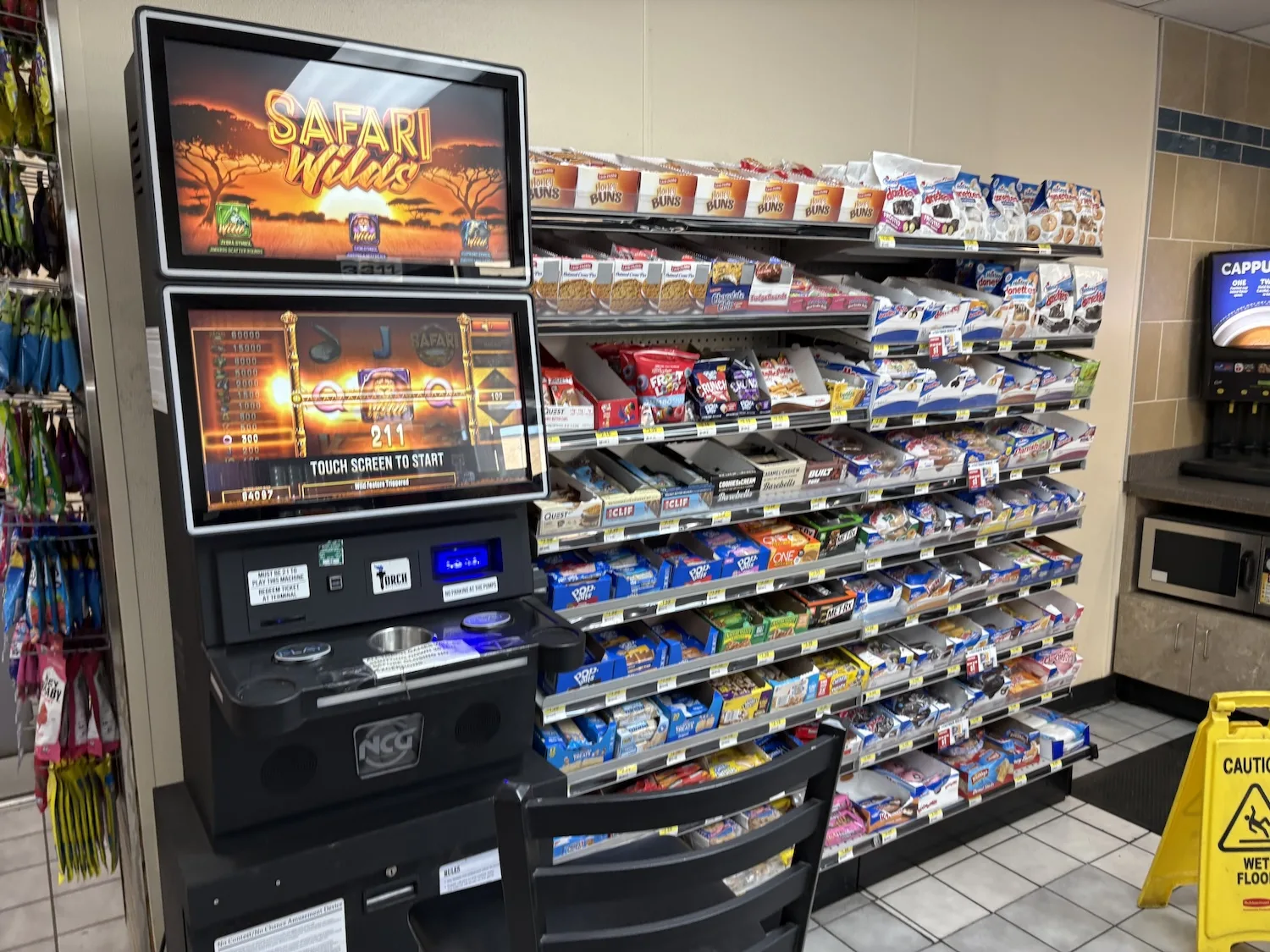
The gas station gambling industry, once nearly ubiquitous in convenience stores across Missouri, has taken another big loss as state, federal and municipal authorities crack down on the machines. Attorney General Catherine Hanaway today announced that one of the primary suppliers of the “no-chance” gaming machines, Wildwood-based Torch Electronics, would “suspend all operations” this Friday in order to avoid prosecution.
The company has an estimated 6,000 machines throughout the state.
Get a fresh take on the day’s top news
Subscribe to the St. Louis Daily newsletter for a smart, succinct guide to local news from award-winning journalists Sarah Fenske and Ryan Krull.
The gas station slot machines in general, and Torch’s machines specifically, have long been a subject of controversy. The machines generally had worse odds than slot machines found in casinos. Their extreme convenience also drew criticism for making play too easy for problem gamblers.
For years, Torch’s and other similar gaming devices existed in a legal gray area based on the idea that the machines were “no chance,” meaning that the outcome of any one play could be viewed before it happened and therefore wasn’t gambling. Torch helped make that case by giving six-figure sums to PACs affiliated with Governor Mike Kehoe, former Attorney General Andrew Bailey, and more.
But that argument crumbled after a double loss in federal court in the past six months.
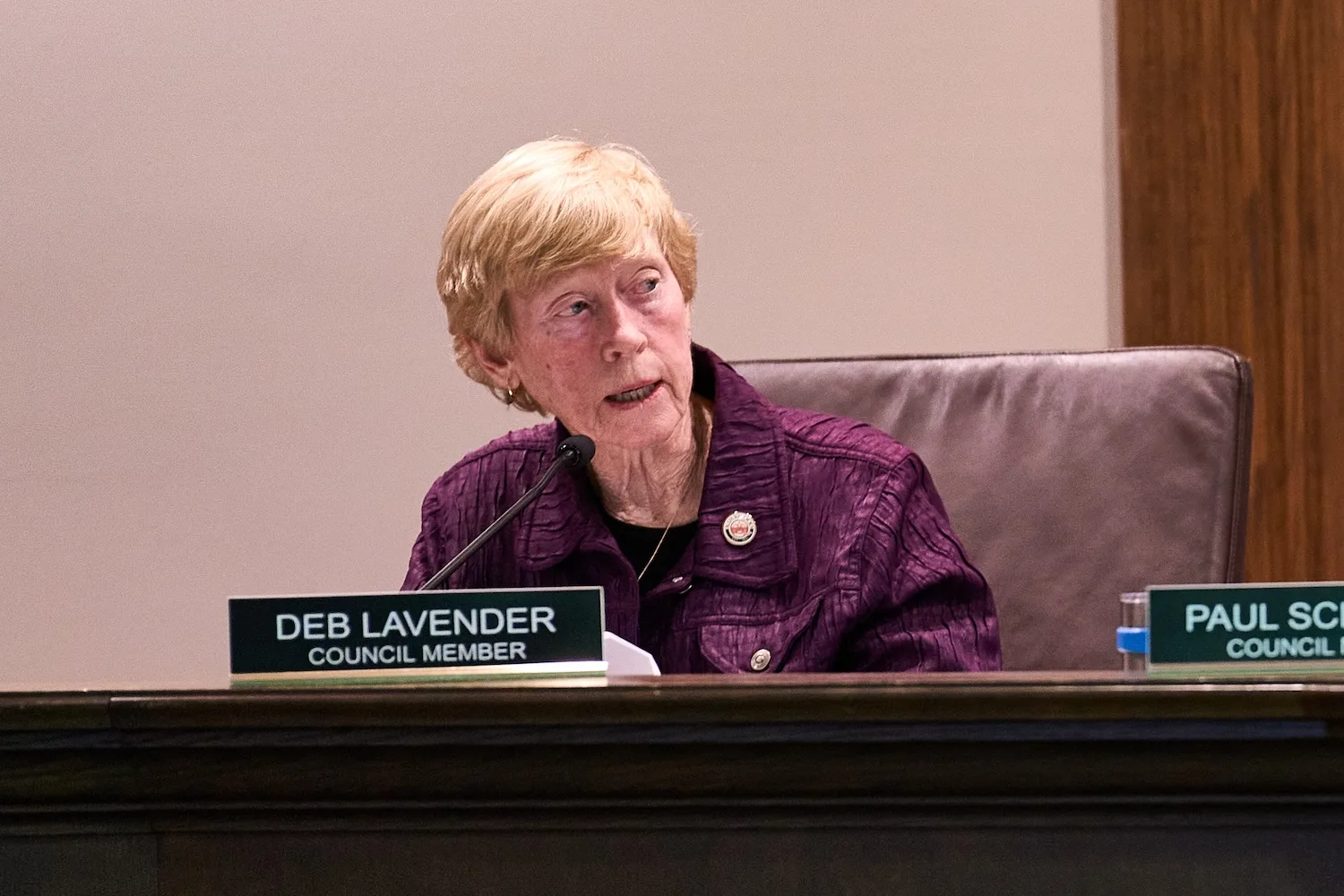
“Torch’s agreement to proactively halt these operations signals clearly that there has never been a gray market,” said Hanaway in a statement today. “While this is a tremendous step forward for Missouri, our office will continue to investigate and seek enforcement action against other operators, manufacturers, and retail stores facilitating this illegal activity.”
In October, a federal jury ruled that the company owes compensation to the maker of non-gambling touch-screen games that were unfairly elbowed out of the market. A few months later, in February, the same judge ruled that the machines were illegal gaming devices.
That same month, Hanaway filed lawsuits against five liquor stores and mini marts in the Bootheel that housed gaming machines, while St. Louis County Executive Sam Page signed an executive order threatening the liquor licenses of any business with a “no-chance” gaming on its premises.
Hanaway said that Torch’s decision to pull its machines this week was done to avoid criminal prosecution, as the company was the subject of an ongoing joint criminal investigation by both U.S. Attorney’s Offices in Missouri in addition to her office.
What remains to be seen is what will happen to all the gas stations and mini marts across the state that still house the gaming machines not manufactured by Torch. One owner of a South City gas station told SLM earlier this week that he planned to have the machines out of his store in a month’s time. He said the machines had been a financial boon and were particularly helpful to his bottom line during the pandemic. (He said that his business had struggled prior to his selling booze and gambling.) In North City, a different gas station still had about a dozen of the gaming machines on offer and its owner indicated no active plans to remove them.
Hanaway’s statement was unambiguous. “Missouri’s laws are clear: It is illegal to provide access to unregulated machines and games for gambling purposes.”