Were it not for the lawsuit against Jim Onder of OnderLaw, it’s possible no one would have noticed a different suit against the Stange Law Firm. But then, because of Onder, someone did notice the Stange lawsuit. And then the Stange Law Firm’s reaction helped make sure that many, many people saw it.
Earlier this month, one of Onder’s former employees accused him of sexual harassment and making racist remarks related to the data center he’s pushing for in Ferguson. The lawsuit swiftly drew widespread attention—in part, perhaps, because lawyers for Onder sought to have a judge shield it from the public. Few things get journalists more wound up than the idea that something is being concealed, and Onder’s unsuccessful attempt led to significant media coverage.
Get a fresh take on the day’s top news
Subscribe to the St. Louis Daily newsletter for a smart, succinct guide to local news from award-winning journalists Sarah Fenske and Ryan Krull.
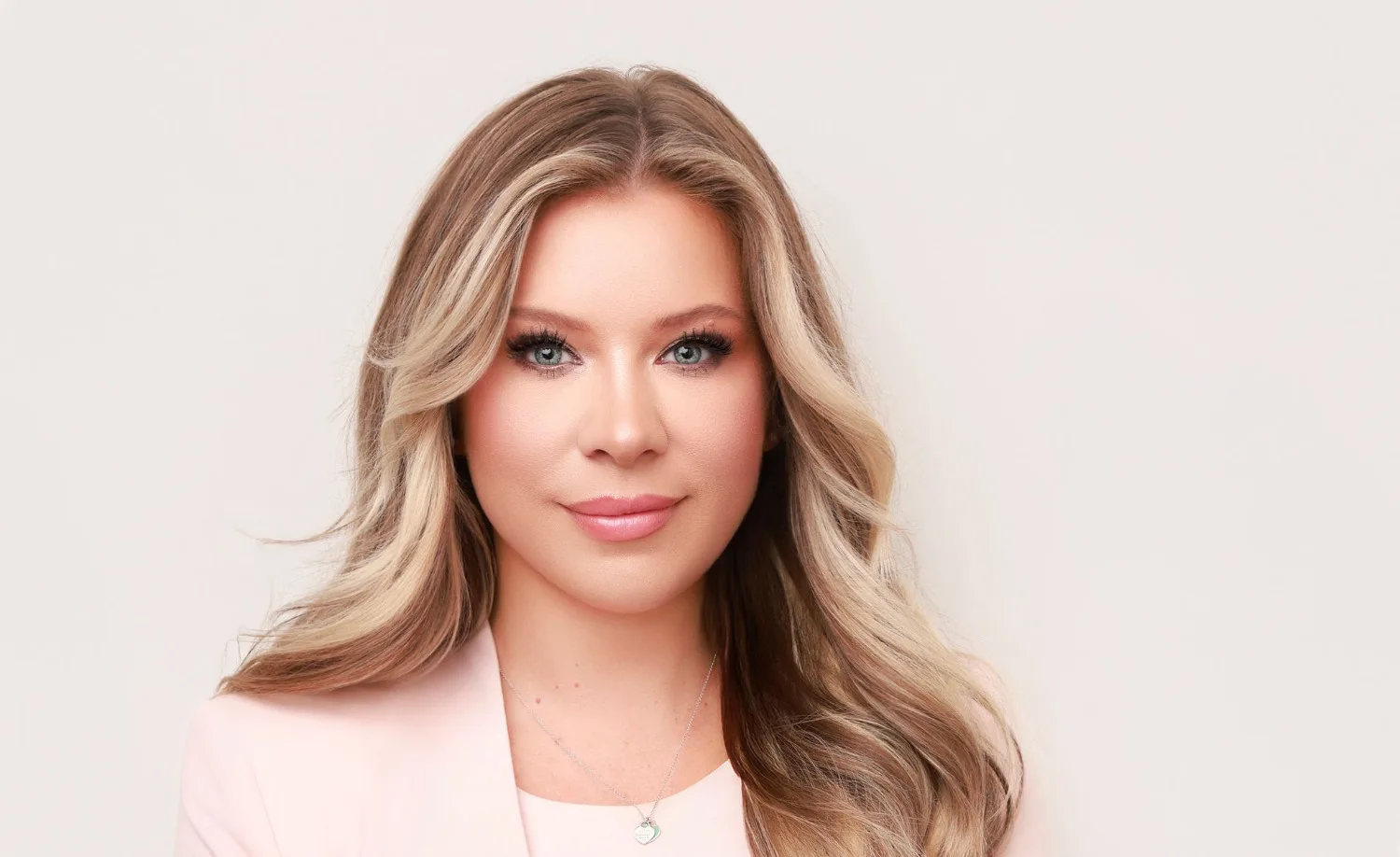
One person who got interested in the case was Paige Sparks. An employment lawyer based in Washington, Missouri, Sparks regularly posts videos of herself analyzing the law on social media. She says it’s a good way to get her name out to prospective clients—and now that Facebook is offering payments to influencers, that’s an added perk. Thinking about Onder’s attempt to seal the case got her remembering a divorce case involving the Stange Law Firm, and so she searched for that firm in Missouri’s online court filing system, CaseNet, to refresh her memory.
That’s when she found something interesting: In June, the Stange Law Firm had been sued by a woman who’d applied for a job there and wasn’t hired. Savannah Maples was alleging that a senior team leader at the firm, Keith Fuller, ran into Maples when she dropped off her resume. In her telling, he admired her “beautiful smile” and asked Maples he could take her out. When she said she was applying for a job, he suggested he could take her on a date before she started working at Stange, according to her lawsuit.
In the suit, Maples reported feeling “cornered and conflicted.” When Fuller gave her his number, she took it, but never called. Then he called her, she alleges—apparently pulling her number off her job application. He asked if she’d just been to the gym, which alarmed her, because she had. When he called her a second time, once again outside of work hours, she had her fiance answer— and then texted Fuller to tell him not to call again.
Maples didn’t get a job interview. And then she sued, alleging unlawful failure to hire, sexual harassment, and retaliation.
In a statement, Stange Law Firm said, “Stange Law Firm takes allegations of this nature seriously and strongly disputes the claims made in the pending litigation. The firm maintains established hiring procedures, and the attorney named in the lawsuit is not a partner or director of the firm and has no role or authority over the firm’s hiring processes. There was also no vacancy for the position to which the applicant applied. As this matter remains in active litigation, the appropriate place to address the allegations is through the legal process.”
As an employment lawyer, Sparks was interested in using the case to explore the concept of failure to hire. She posted a video recounting Maples’ allegations, disclosing that she herself had worked at Stange Law Firm “for a hot minute” before law school. “Stange is one of those firms that’s always hiring because they’re always firing, or people are always leaving in mass exodus,” she said. “They hire people who aren’t qualified all the time.” Then she offered herself as an example, saying she wasn’t qualified when she worked there.
The video might have flown completely under the radar if not for what happened next: Sparks got a cease-and-desist letter. Attorney Richard Korn at Fox Smith wrote that, in her clip, she’d made “materially inaccurate factual representations” about the Stange Law Firm—among them, that Fuller had hiring authority when he didn’t and that the firm prohibits people from dating their coworkers, when it doesn’t. The letter also disputed the idea that the firm was always hiring, saying that it had no openings for legal secretaries when Maples applied.
“Stange Law Firm requests that you promptly correct the inaccurate statements concerning the position at issue, the existence of an active interview process, Mr. Fuller’s hiring authority, and the Firm’s workplace dating practices,” Korn wrote. “The Firm also requests that you review and correct any materially inaccurate factual representations concerning employee turnover and qualifications.” He then instructed her to preserve the video and other documentation, which is often a precursor to litigation, and demanded she provide a written response within five days.
The letter sounded intimidating—but for a legal influencer, it was gold. Sparks was convinced she was on solid legal footing in her discussion of the case—and she believes that Korn mischaracterized her remarks (for one thing, she never said Fuller had hiring authority). Rather than respond to Korn, she swiftly made a Facebook post teasing out news about a “scary, suspiciously AI-sounding cease-and-desist letter” she’s just received.
“Unfortunately, I do not respond particularly well to bogus attempts to intimidate me into being quiet,” she wrote. “We’ll be going through all three pages together in a video later today, so stay tuned.” Later that day, she did just that.
Korn did not respond to a request seeking comment. The Stange Law Firm did not address questions about Sparks in its statement responding to SLM’s questions.
Sparks says she’s not worried about hearing more from Korn or the Stange Law Firm. “I make sure I have my i’s dotted and my t’s crossed because I do things very carefully,” she says. “I’m not just, like, a social media influencer.”
She adds, “I was like, ‘I don’t take well to bullies, and I’m going to make an example out of you because I want every firm to be afraid to send me bogus cease-and-desists like this.’ And I’m sure you saw the online feedback, which is, people don’t like that.”
Indeed, the comments on Sparks’ posts are very much in her favor. Her post about the cease-and-desist went viral—and then it drew traffic to the original post as well. One week after the controversy erupted, she’s reaped tens of thousands of views across Facebook, TikTok, and Instagram, all bringing more attention to the original lawsuit.
And if it brings more attention to her law practice, Sparks has no complaints. She prides herself on advocating for her clients as fiercely as she advocates for herself.
“The comments have been very nice about people saying things like, ‘If I needed a lawyer, I would want to use you for that reason,’” she says. And unlike her cases involving actual clients, she doesn’t have to worry about betraying their confidentiality by talking about it.
For Sparks, the incident illustrates what’s known as the Streisand Effect—when an attempt to hide information perversely brings more attention to it. It’s named after Barbra Streisand’s efforts to sue a photographer who took an aerial image of her Malibu estate. Her lawsuit was not only dismissed, but led to a surge of views to the photo.
And Sparks promises she’s not stopping with the three posts she’s already made about the matter. The lawsuit against Stange, after all, is still active.
As Sparks predicted, Maples’ attorneys dismissed Fuller from the suit earlier this week due to a technicality in Missouri law, but the case against the firm remains ongoing. (Her attorney, Joseph Ott, tells SLM, “Our client stands by her allegations and looks forward to trial by jury on her claims.”)
“Now I’m going to be on them like a fly on shit,” Sparks says. “We’ll have a lot of case updates.”