For the second time in a little more than a year, the St. Louis Preservation Board has spurned developers hoping to tear down three empty buildings on an otherwise vibrant strip of Morganford Road and replace them with a 36-unit apartment building. Neighbors, nearby businesses, and the alderwoman whose ward the proposed development sits in are all unhappy with the board’s denial.
“We’re putting bricks over people,” says Alderwoman Daniela Velazquez of the city Preservation Board’s decision.
Get a fresh take on the day’s top news
Subscribe to the St. Louis Daily newsletter for a smart, succinct guide to local news from award-winning journalists Sarah Fenske and Ryan Krull.
Velazquez says she’s open to exploring ways to still get the project done. Kyle Howerton, a principal with developer AHM Group, says they will appeal Monday’s denial to the city’s Planning and Zoning Commission. Another option might be a bill at the Board of Aldermen granting the developers a variance for that specific site.
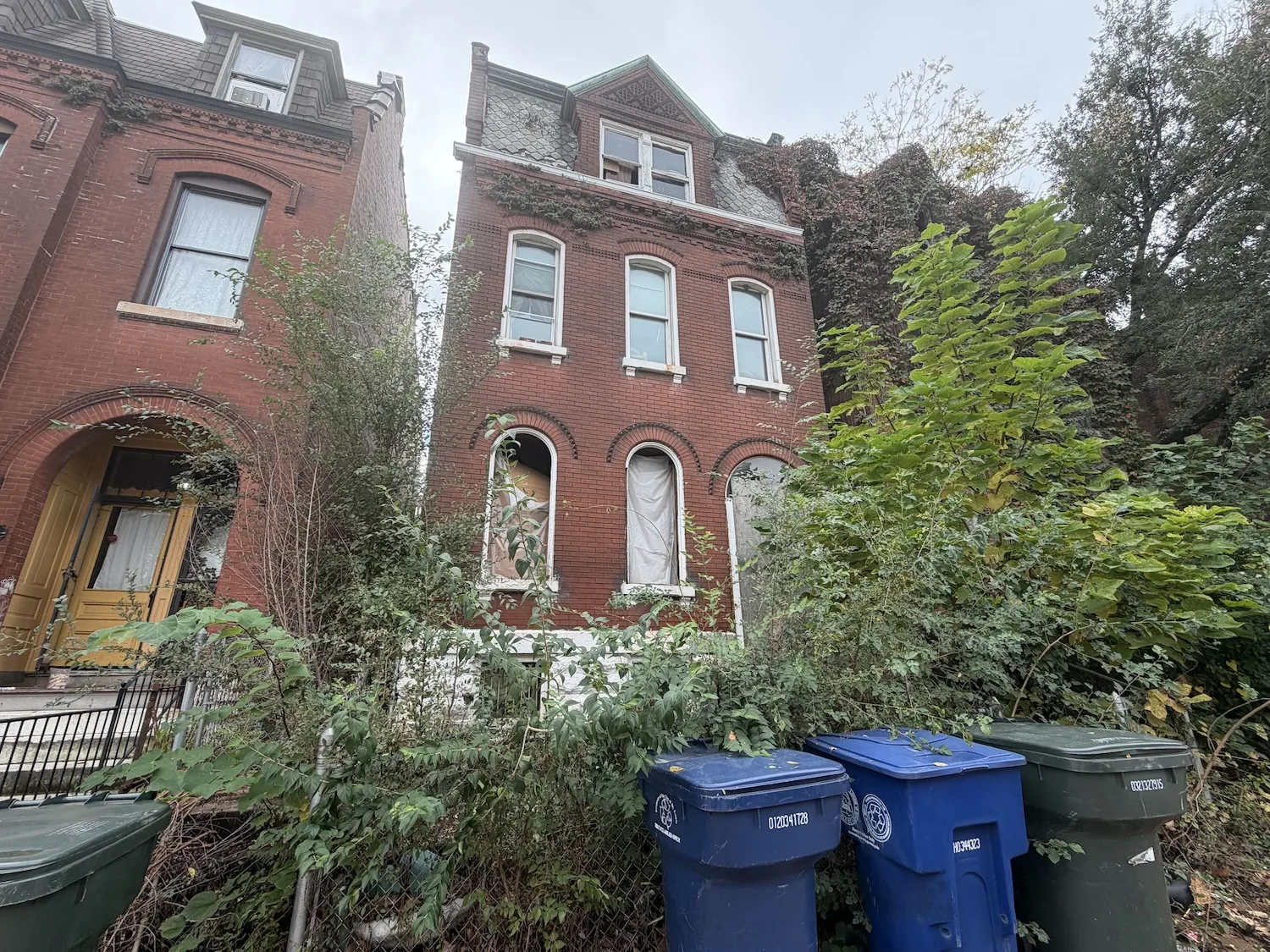
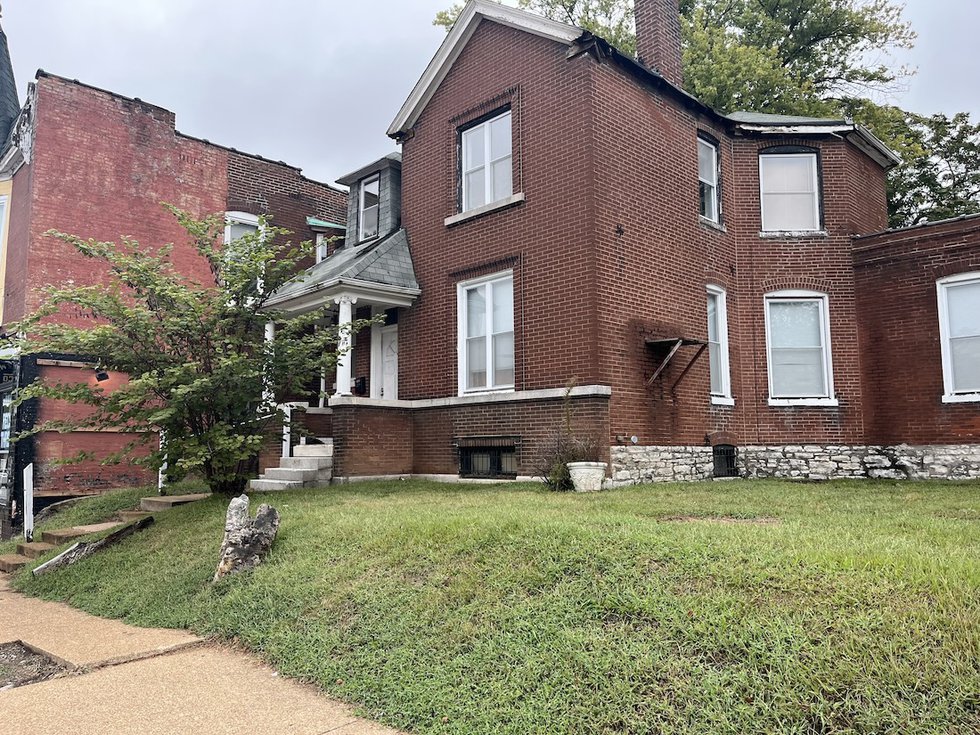
The three empty buildings sit at Juniata and Morganford in Tower Grove South, on the edge of a historic district, meaning that if a developer wants to tear them down, they first need the Preservation Board’s approval. AHM, which owns the empty buildings, first sought that approval in July 2023 but was denied by the board, which cited concerns about the proposed building’s height and aesthetics. Monday’s denial came in response to an appeal of that original decision.
AHM is also the developer behind two mixed-use buildings just a few blocks down the road: the 26-unit MoFo building at Morganford and Connecticut, as well as the 27-unit YIO building at Morganford and Wyoming. The MoFo’s apartments are 100 percent occupied, while the more recently-completed development off Wyoming is 60 percent full. Both buildings have retail on their first floors.
The proposed building at Juniata would be residential-only, with parking on its ground floor. Howerton says they might have had a better chance with Monday’s appeal if they had made some alterations to the original plan, such as including retail on the first floor.
However, Howerton says that Tower Grove South neighbors were adamant that they wanted the project to include one-for-one parking, with one spot for every unit, and the developer acceded.
“What I think we were all hoping for [on Monday] was for common sense to prevail,” Howerton tells SLM. “But unfortunately, and we understand this, the Preservation Board needs to follow ordinances, and sometimes those ordinances are antiquated, and therefore, their hands are tied.”
He adds, “That doesn’t make it any easier.”
With its denial, the Preservation Board was upholding a decision made by the city’s Cultural Resources Office. Their denial was in part based on a belief that the three buildings “are integral components of the eclectic mix of historic architecture, both commercial and residential, along these blocks of Morgan Ford.” The city office also expressed concerns that the apartments would be constructed with materials uncharacteristic of the historic district.
A doctor’s office occupied one of the buildings in the 1960s; another, in the 1980s, was home to a heating and cooling company, whose owner was indicted for lying to customers by telling them their working furnaces were actually broken and then selling them new ones. The three buildings are currently boarded up in some places, and one includes a strange addition of a rickety-looking porch and plywood siding. Howerton says that the argument about the buildings needing to be preserved to maintain the historic character of the area is undercut by the presence of a 7-11 right across the street.
Velazquez was at the hearing on Monday in support of the development. She says she understands the need for historic preservation, but at the same time, she tells SLM, “We have to have a system and a process that cares about the city and the region as a whole, and that includes supporting projects that enhance the vitality of the neighborhood, which this proposal does.”
According to Velazquez’s office, as of now, the three buildings generate about $8,000 a year in taxes. The apartment building would generate more than $100,000 a year. “If we’re going to grow as a city, we have to make sure the process is in place for that to happen,” she says. “And right now, that isn’t the case.”
When AHM first sought approval in 2023, they had the support of 13 businesses along Morganford as well as from the Tower Grove South Neighborhood Association. Howerton said they had even more support this time around, with numerous business owners and residents writing letters in support of the project, many of them citing the apartments bringing greater density to the neighborhood as well as an increased customer base. The apartments would also boost the housing stock in a city neighborhood that’s been in hot demand.
For now, not everyone is unhappy about how things turned out on Monday. Hanging outside the empty houses yesterday morning was neighborhood resident Michael Wood, who goes by Wildcat and whose knowledge of the houses at the corner was extensive, though much of what he said was difficult to verify.
Wood was certain of one thing. Pointing to the MoFo building down the way, he said, he doesn’t want “another shoebox” in the neighborhood.