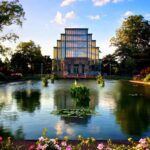
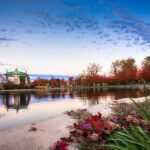
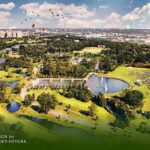
The Liberal Arts Bridge, just north of the Boathouse in Forest Park, has had orange construction fencing around it for more than eight years. Forest Park Forever has been planning to make the Muny Tributary, the waterway running beneath the bridge, more aesthetically pleasing for more than two decades.
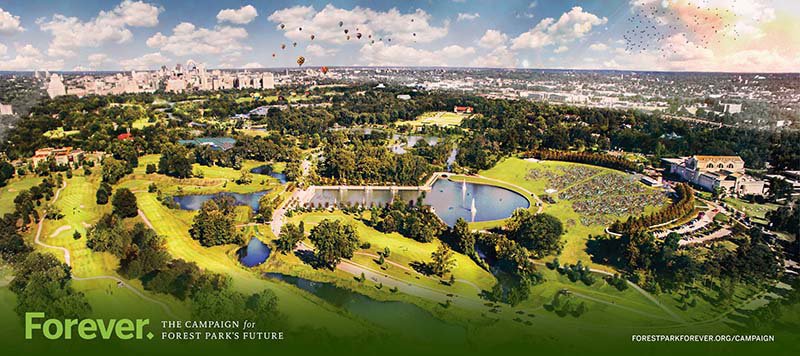
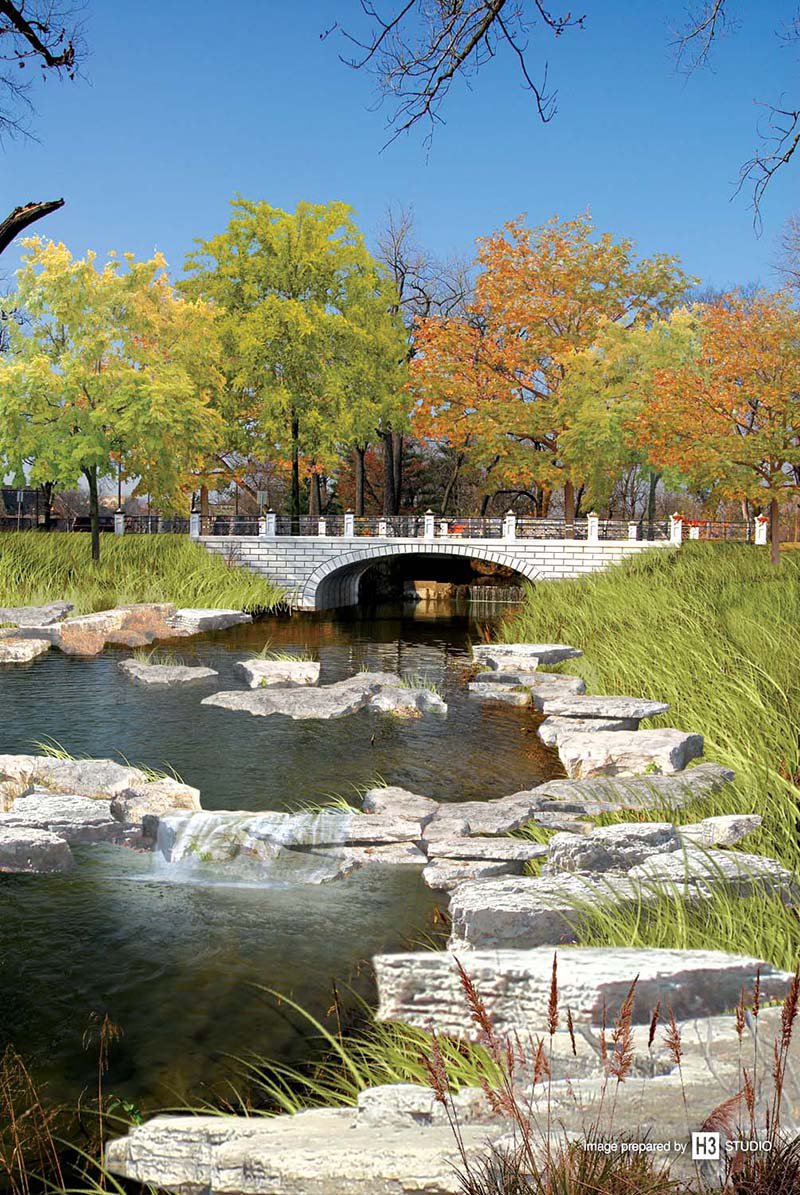
Twenty years isn’t quite an eternity, but leaders of the park’s nonprofit conservancy are eager to complete work on the next part of the $130 million Campaign for Forest Park’s Future—$100 million of which is for an endowment to maintain the water, land, and other features of the park. They hope that visitors to the park will soon be able to come to the bridge and gaze at water that’s free of invasive plant material and spilling over new boulders. Some boulders will serve as stepping stones; others will be placed beside the stream.
Get a fresh take on the day’s top news
Subscribe to the St. Louis Daily newsletter for a smart, succinct guide to local news from award-winning journalists Sarah Fenske and Ryan Krull.
“Think about being a kid with your parents, coming down to the shoreline and thinking, ‘Gee, I’d really like to walk across.’ Well, you’ll be able to,” says Frank Kartmann, Forest Park Forever’s senior VP of park operations.
The goal is to complete the $3.1 million bridge and tributary work by next spring. Over the next three years, the organization plans to spend $10 million on the tributary and other bodies of water, including Bowl, Jefferson, and Round lakes.
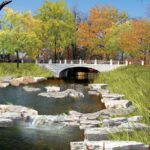
It’s part of a mission that started decades ago, before Forest Park’s dramatic rebirth. In 1995, when architect John Hoal was called on to revive the park, he studied old maps and quickly realized that much of the park’s original system of waterways had been pumped underground.
“The 20-year idea has been to take those fragments of ponds and pools throughout the park and make it a river,” says Hoal, who is consulting on the last phase of the project.
Over time, the waterways—which are actually part of the River des Peres—have been freed from artificial concrete restraints and reconnected in a sustainable, self-healing system. The water’s edges are softened by indigenous plants that thrive there, and with the resurrection of the original river, the twin dangers of flooding and stagnation have been averted.
Today, Forest Park Forever’s goal is not only to continue improving the experience of the park for visitors but also to better the water quality for wildlife. “The water chemistry needs to be right,” explains Kartmann, and the decay of invasive species has disrupted that balance.
To begin work on the tributary and bridge, for example, the organization’s ecologist and land management staff—in conjunction with the Saint Louis Zoo, Fontbonne University, and the Missouri Department of Conservation—inventoried and relocated the park’s turtles and fish.
Forest Park Forever plans todesign a new dock and landscaping at Jefferson Lake in the future. It would also like to connect even more of the park’s bodies of water, including Jefferson Lake and Bowl Lake, in the southeast corner. Work is expected to continue until at least 2020.
In this final phase, the last bits of mucked-up waterscape will be restored, using nature’s own methods, to a healthier habitat—for all of us.
A few facts:
- Located near Steinberg Skating Rink, Jefferson Lake is 14 feet deep and a popular fishing spot.
- The aptly named Round Lake, in the park’s northeast corner, is best known for its century-old fountain.
- Dating to the 1930s, Seven Pools is located near Bowl Lake, in the park’s southeast corner.
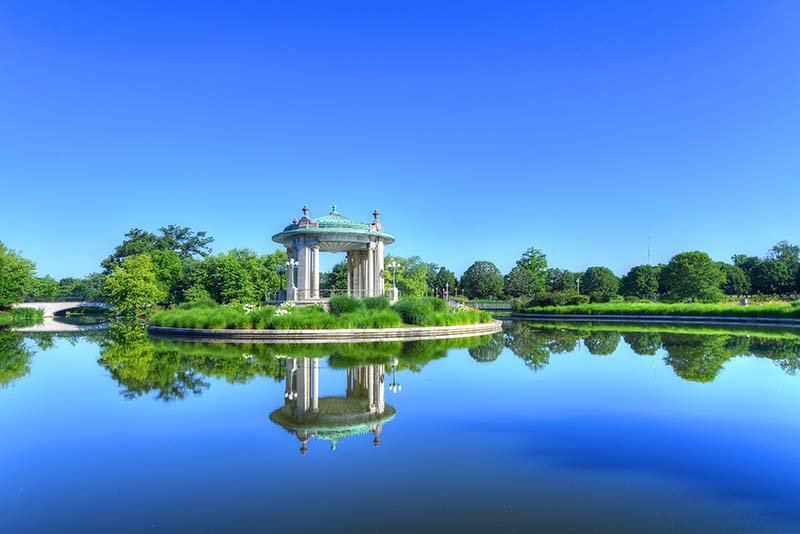
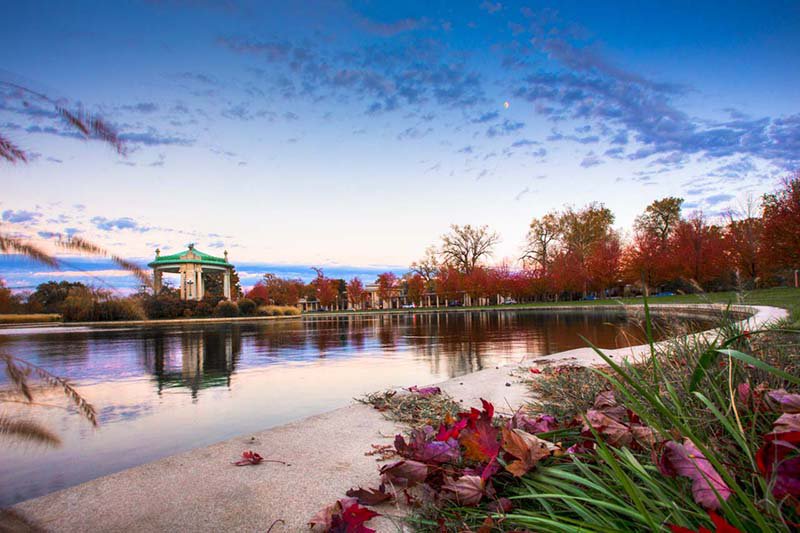
- The bandstand at the heart of Pagoda Circle is named for Nathan Frank, a lawyer whodonated the funds to build it in the 1920s.