St. Louisans who regularly stroll Forest Park may have noticed the park’s east side is looking rather spiffy these days. The East Waterways project, which will wrap this spring, recently brought an accessible Jefferson Lake boardwalk, a new pedestrian bridge, and a new education pavilion at Bowl Lake to the landmark. And yesterday, Forever Park Forever released a sneak peek of the team’s next venture: The Glade and Steinberg Rink.
“They are separate projects (one just about complete, the other just about to launch) but together will make the eastern end of Forest Park another of the park’s wonders,” says Dominik Jansky, Forest Park Forever’s director of communications and marketing.
Get a fresh take on the day’s top news
Subscribe to the St. Louis Daily newsletter for a smart, succinct guide to local news from award-winning journalists Sarah Fenske and Ryan Krull.
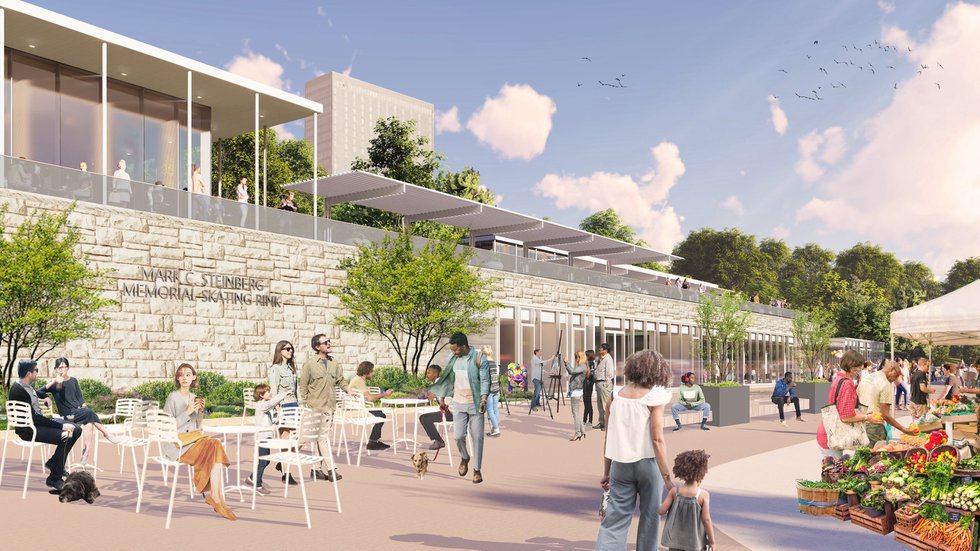
The Glade and Steinberg Rink
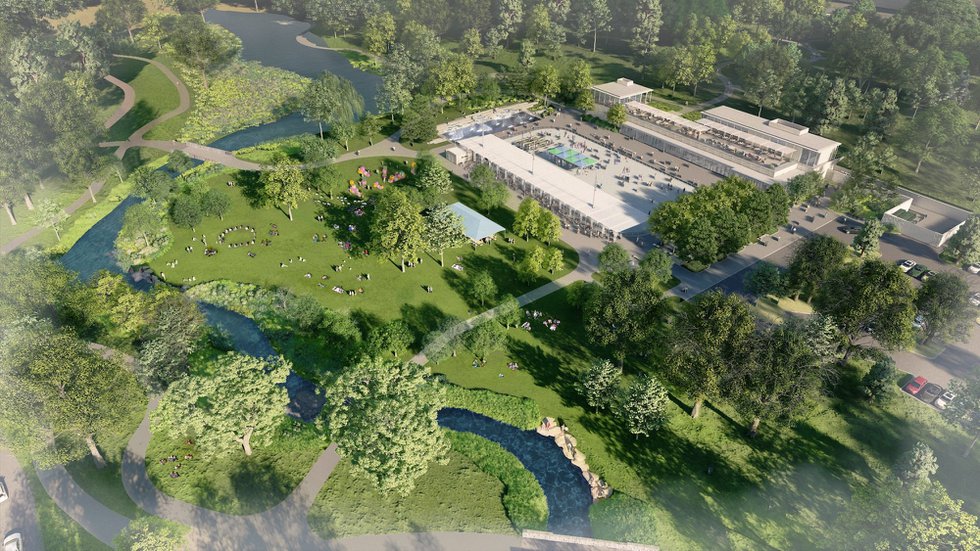
With an invitation to “experience Forest Park like never before,” the Glade is described as a sustainable, community-led project to restore Steinberg Rink and transform its 22.5-acre surroundings into an all-seasons destination, rather the winter-centric one it’s been since 1957. Jansky describes it as a complex construction plan with several phases, including a new building, the renovated rink, hillside, water feature, restaurant, and more.
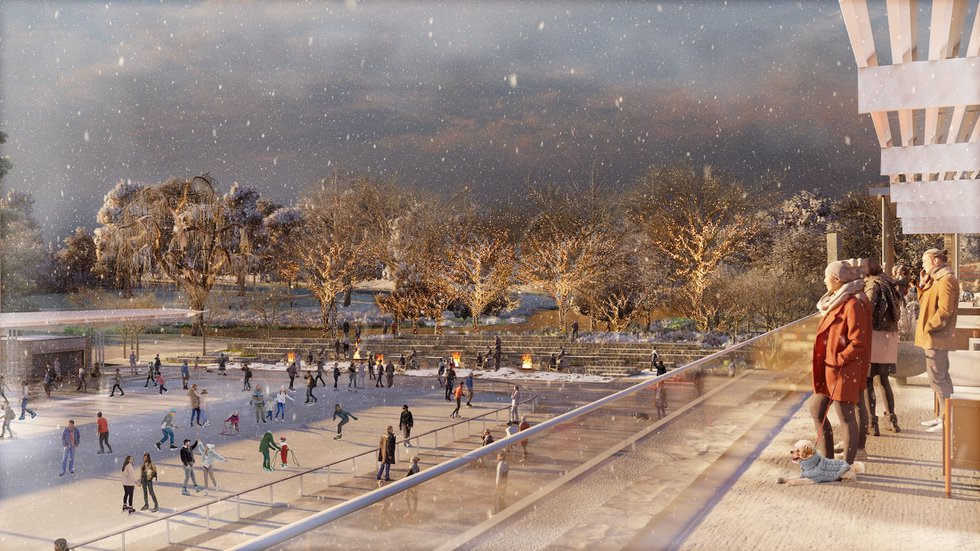
The Glade will stretch from Kingshighway to the Taylor Kindle River and from Klein Prairie to Jefferson Lake. Much of the project was influenced by public engagement, which yielded such requests as keeping the rink’s large size, upgrading the facilities, offering more dining options and programming, and providing more warming areas.
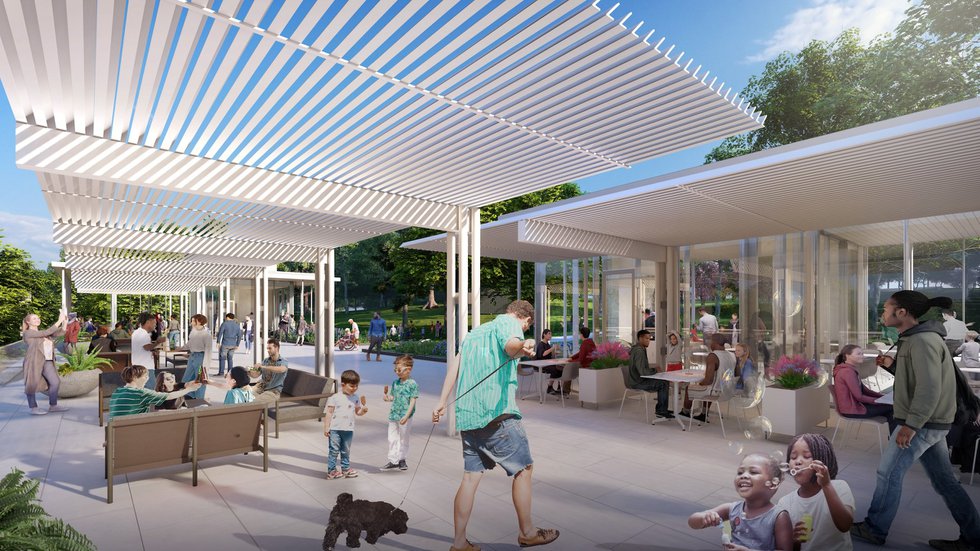
Work will begin at the Steinberg pavilion once the ice-skating season concludes in March, with a projected completion in fall 2026. Steinberg will be closed for the 2025–26 ice-skating season, so Jansky warns that the next few weeks are the final opportunity to skate at Steinberg until fall 2026.
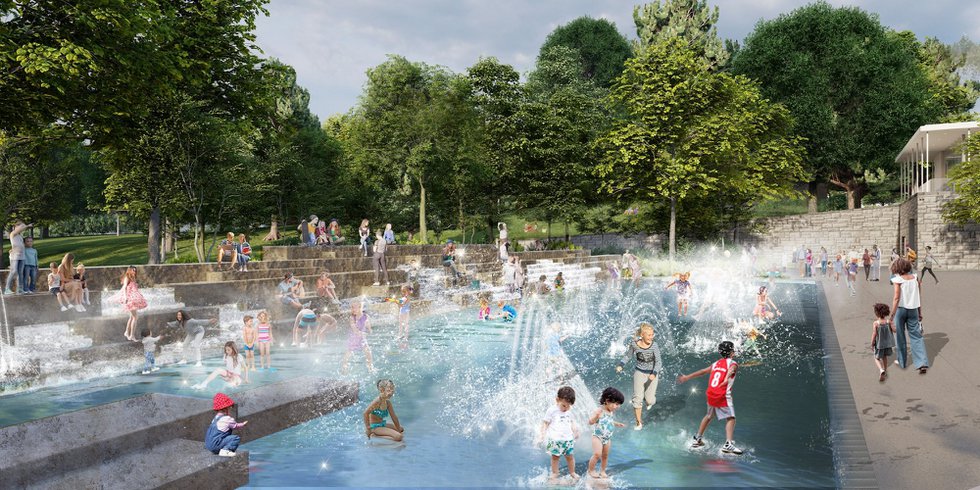
The Glade project will include:
- A modernized Steinberg rink with flexibility to host roller-skating and other recreational activities, markets, festivals, and cultural activities
- An accessible rooftop terrace and full-service restaurant with indoor and outdoor dining, as well as an indoor “community living room” gathering space overlooking the park
- An interactive water feature, including an accessible cascade inspired by the natural stone of the Ozarks, a splash pad, shade structures, and fountains inspired by the toy sailboats that children used to sail on the lagoons of the park in the 20th century
- An ADA-accessible park entrance from Kingshighway
- A community lawn between the rink and Taylor Kindle River for recreation, events, and picnicking
- 150 new trees, geothermal wellfield, and efficient refrigeration systems to reduce energy use and operating costs
According to the release, Forest Park Forever is leading a $100 million fundraising campaign, “Imagine the Glade.” Lead gifts, which enabled the project’s launch, have raised more than 60 percent toward the goal.
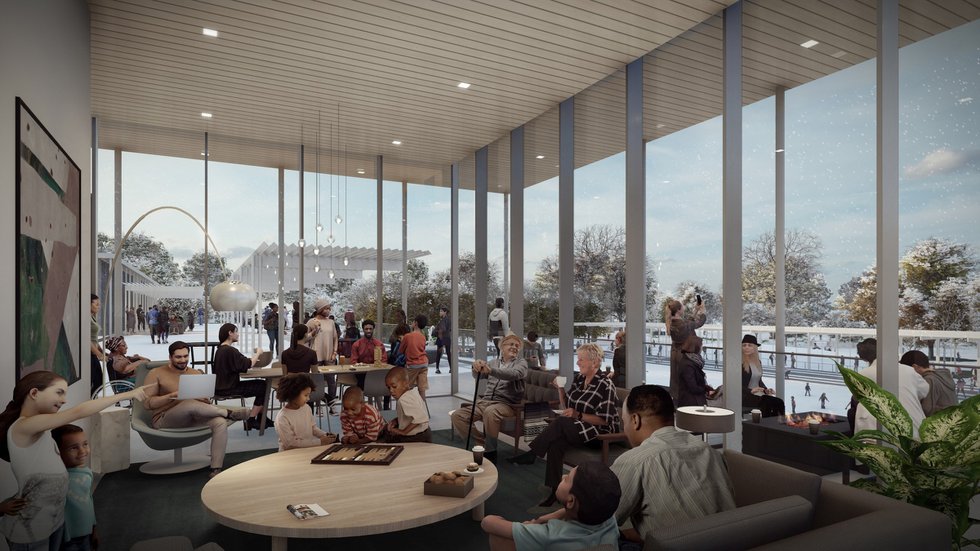
The City of St. Louis and Forest Park Forever have spearheaded a major project, with management assistance from H3 Studio Inc. The team includes design architect Snow Kreilich Architects, known for their work on St. Louis CITY SC’s Energizer Park, as well as landscape architect Hoerr Schaudt, St. Louis-based Christner Architects, and BSI Constructors.
The East Waterways
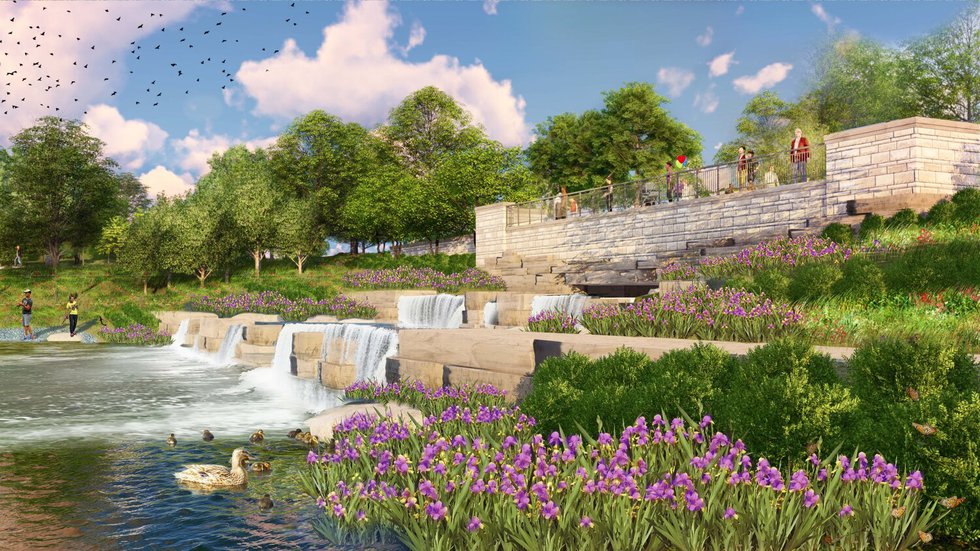
Meanwhile, the soon-to-be completed East Waterways project resolves a 25-year vision to restore the waterway connection from west to east that was covered during the 1904 World’s Fair. “But the park itself is still part of that low river plane, so there were still lakes and ponds in low-lying areas, and they would be kind of stagnant and not really serving the best purpose,” Jansky says. “So over 20 years ago is when they established the waterway and the Taylor Kindle River that connects from The cascades in the west. But it stopped just north of Steinberg. They didn’t have the capacity at the time to take it all the way to the lakes in the southeast.”
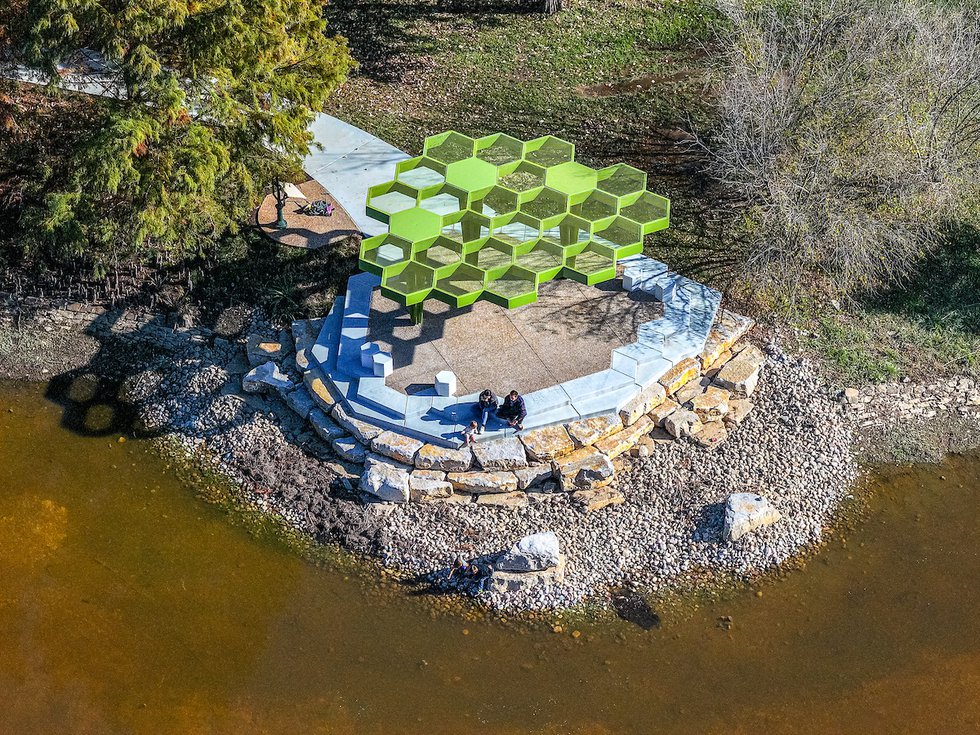
The recent renovation, which was largely driven by community input, completes that original goal, Jansky says. “There were a lot of benefits of it: improved water circulation reduced the amount of water that needed to be created to fill the lakes and ponds that existed before; better storm runoff management; it creates a wildlife corridor; and it’s yet another beautiful spot for people to kind of get close to nature and get close to the water.”
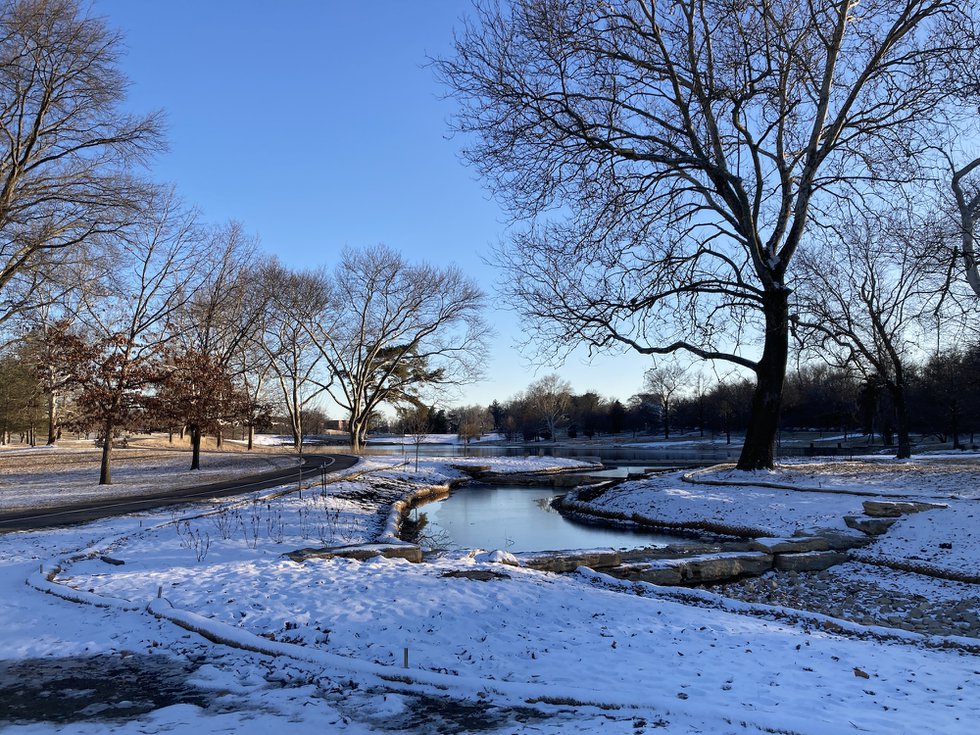
Jansky explains that this will allow for more spots for people to fish the shoreline of Jefferson Lake, in addition to overlooks that include a waterfall feature and a pedestrian bridge showing off newly cleared angles of the water curving among the trees.
“You’ll even get a reflection of the planetarium in the distance and some of the buildings in the Central West End,” Jansky says.
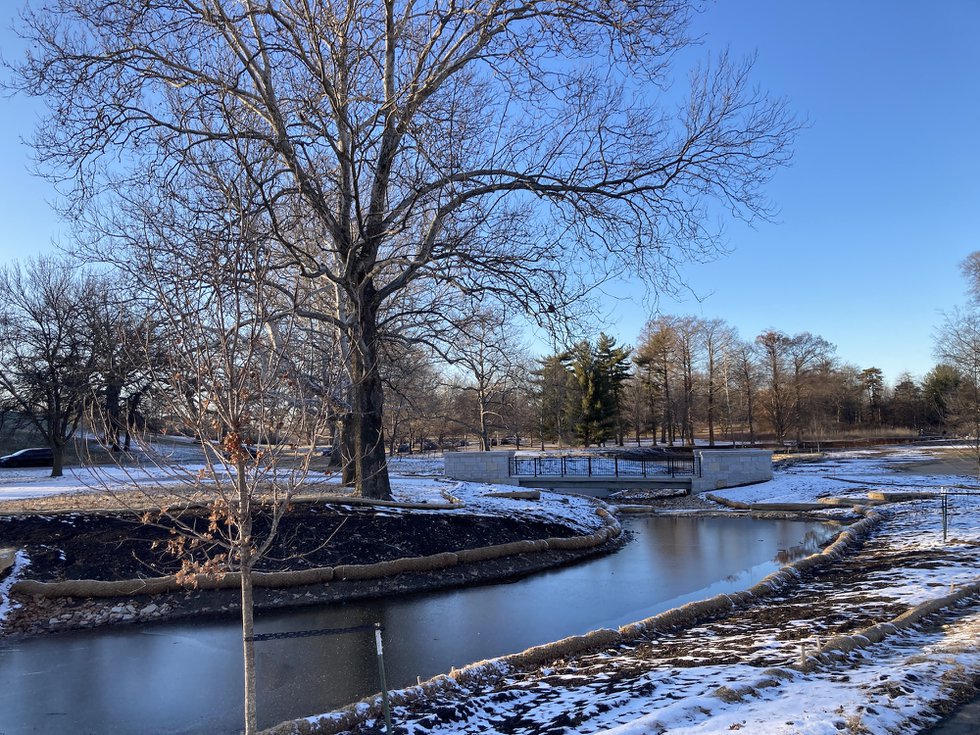
For even casual visitors, Jansky says, the project will improve the park’s enjoyability. “A lot of spots we’ve redone, like Art Hill, the Grand Basin, and Victorian Bridge, become instant photo ops for people,” he says. “This is a spot that used to just sort of be a pass-through between the lakes and the recreational path or Steinberg, but now it’s going be another one of those, ‘Oh, wow!’ spots.”
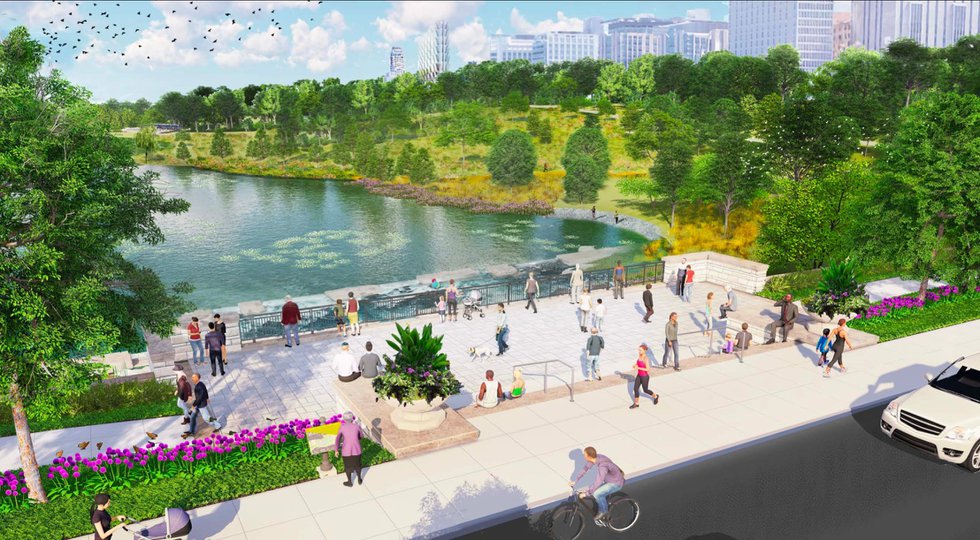
The City of St. Louis and Forest Park Forever are leading the East Waterways project, with a team of companies contributing to its development. SWT Design serves as the lead firm, joined by Abna, Cole, AFH Design, Applied Ecological Consulting, and Hydro Dramatics. H3 Studios is providing program management and professional consulting services. The Missouri Department of Conservation, which oversees the urban fishing program at Jefferson Lake, is serving as an advisor to the design team, ensuring the preservation of a healthy fishery in the waterbodies.
Jansky says the final touches to the donor-funded waterways project, such as etchings on the donor plaza at the Clayton overlook, will be completed in April.