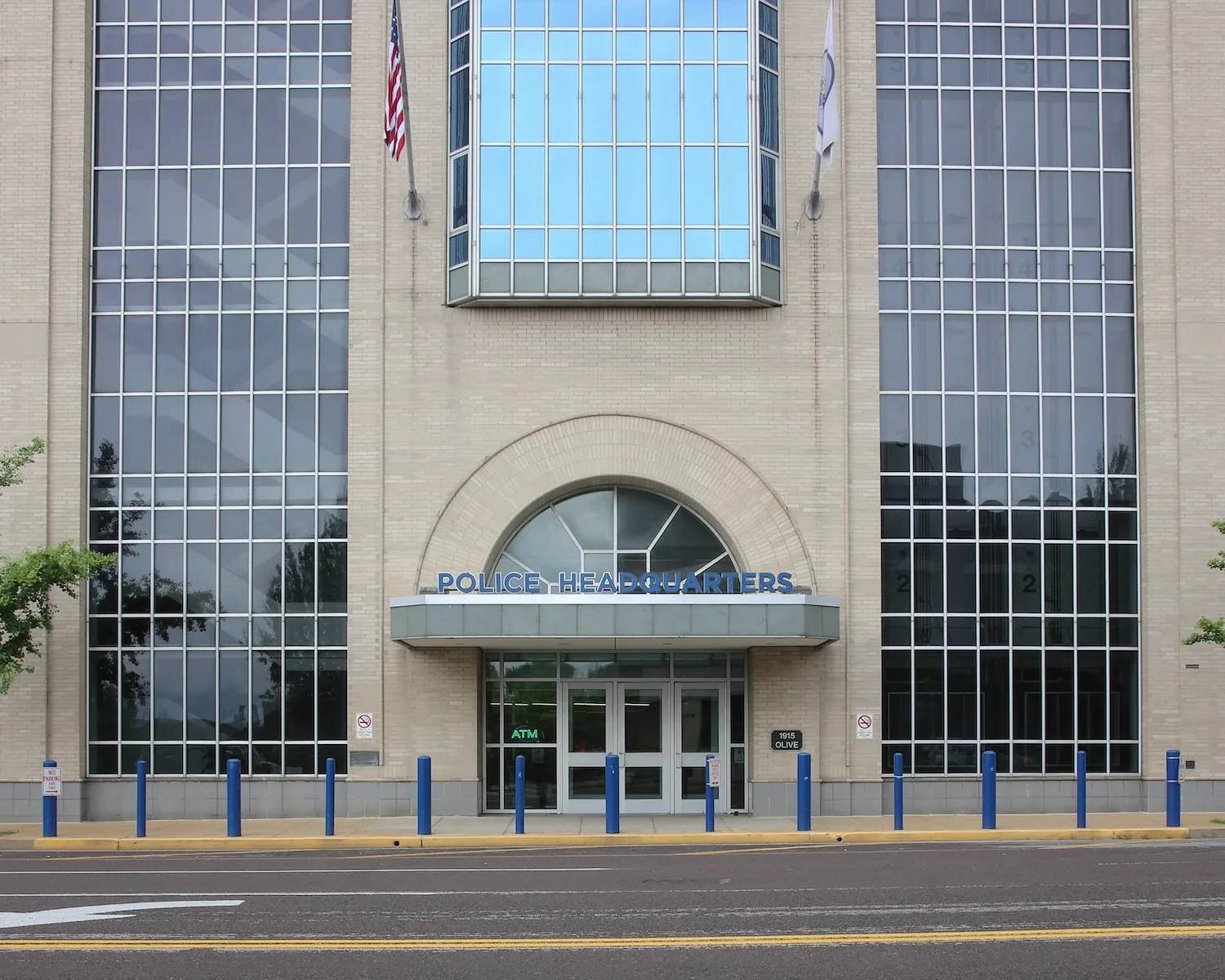
The top attorney for the city of St. Louis has told the civilian entity tasked with investigating police misconduct to refrain from doing so, according to a readout of the letter from the City Counselor’s Office to members of the Civilian Oversight Board.
City Counselor Michael Garvin noted in a letter sent to the board last week that state law has “effectively eliminated” the board’s authority. Furthermore, the state law that put police back under state control includes potential penalties for any city official who “impedes, obstructs, hinders, interferes, or obstructs police employees”—and so if oversight board members were to effect what had been their mandate, they could be seen as impeding (or obstructing or hindering) police business. Garvin noted that anyone who runs afoul of the law faces monetary penalties and disqualification from city employment.
Get a fresh take on the day’s top news
Subscribe to the St. Louis Daily newsletter for a smart, succinct guide to local news from award-winning journalists Sarah Fenske and Ryan Krull.
The impetus for sending the letter, Garvin wrote, was that he noticed the oversight board had on its agenda for a meeting today that they would be discussing “complaints and investigations.”
“I recommend that you take great care to avoid interfering with State-controlled police operations,” Garvin wrote.
One legal observer is skeptical of the tack Garvin takes in the letter, noting that state control of the St. Louis police brings with it the version of civilian oversight that was in effect prior to the city taking control of police in 2012: An oversight board with members appointed by the mayor and approved by the police commission. (And one member of the state-appointed board of police commissioners, Bradley Arteaga, is himself a member of the COB.) This observer wonders why the city just doesn’t start appointing people to the new oversight entity, which is really an old entity, allowed under state control, saying, “If you got time to write threatening letters, you got the time to do that.”
Alderman Rasheen Aldridge also expressed skepticism of Garvin’s communique. “It probably would have been better for the city counselor, instead of sending a letter saying, ‘Hey, don’t do your job’ … probably should have reached out to the oversight board to run through what the new law is and maybe what they can do, and what things that they want to be careful about doing,” he said.
Aldridge added that he is worried about the provisions in state control that penalize city officials for impeding police business.
He asked; “If I write a bill to try to make relationships better between law enforcement and the community that I live in, that I represent, that I grew up in, does that mean that I’m removed from office?”
Allegations of misconduct reviewed by the city’s Civilian Oversight Board have included officers being accused of everything from shooting a dog to planting drugs on suspects, from misplacing a detained person’s car keys to allegedly making a man dress in women’s clothing for purposes of humiliation. The board had subpoena power, giving it the ability to see records that journalists could not.