This December marks a milestone for Ranken Jordan Pediatric Bridge Hospital as it celebrates 20 years in its Maryland Heights facility. Dedicated to caring for children with complex medical needs, the hospital has become a national leader in blending play with therapy to accelerate healing. To further that mission, Ranken Jordan is undergoing a $1.4-million renovation, which will include the creation of a permanent home for the Optimization Zone (OZ), an innovative in-hospital play-based learning program for patients aged 5 and younger with complex medical conditions. Previously housed in a makeshift space with partition walls, the new classrooms will provide structured play and developmental activities that combat the adverse effects of long-term hospitalization.
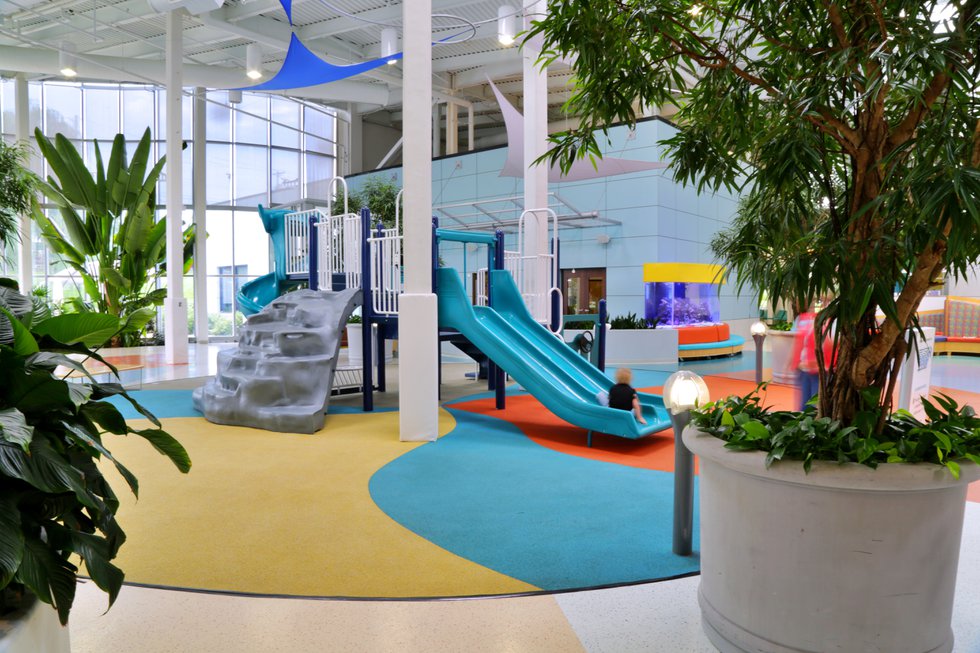
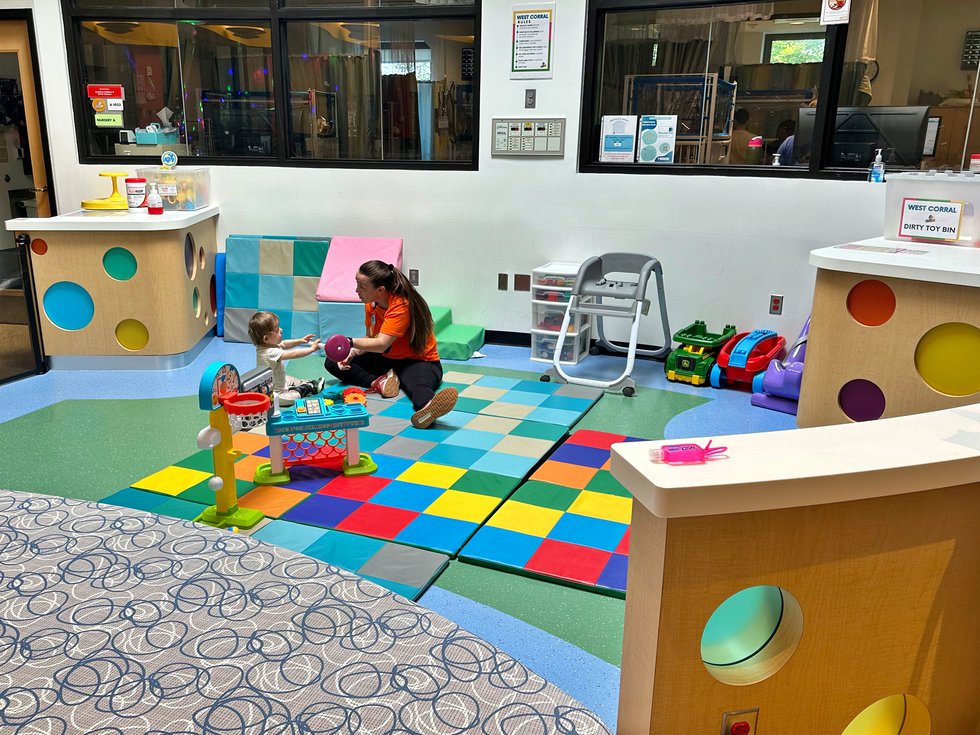
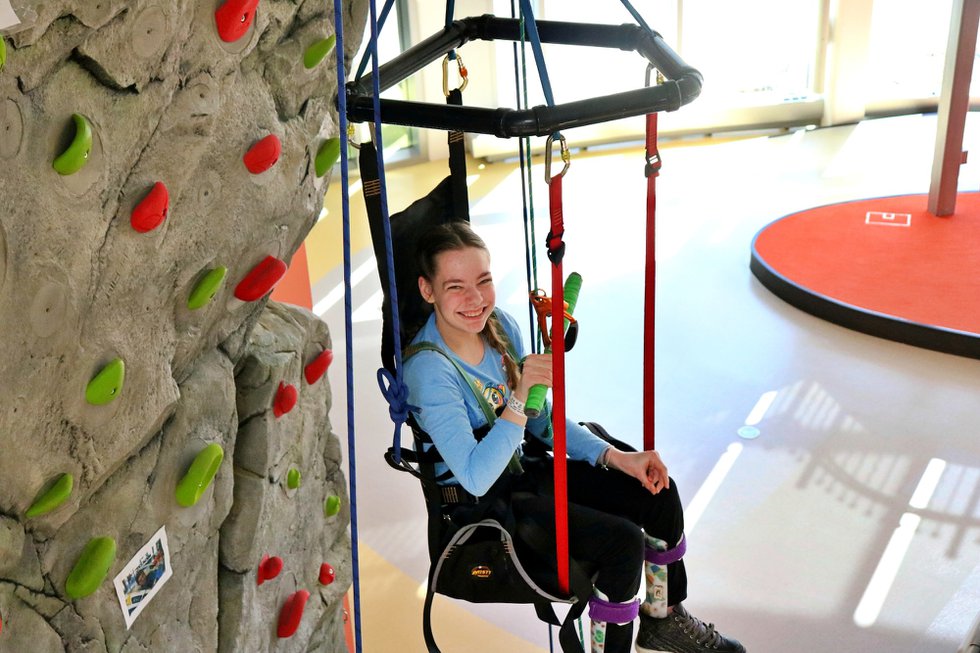
The donor-funded enhancements go beyond OZ, however, with new therapeutic art spaces and permanent play corrals designed to ensure accessibility for all children, regardless of medical needs. These updates complement Ranken Jordan’s signature amenities, including its accessible sports field, playgrounds, a rock climbing wall, and a teen gaming area. “Play and socialization are vital to the healing process,” said Dr. Nick Holekamp, Chief Medical Officer, in a press release. Completion of the renovations is expected by January 2025. Holekamp recently spoke with SLM about the next evolution for Ranken Jordan.
Your guide to a healthier, happier you
Sign up for the St. Louis Wellness newsletter and get practical tips for a balanced, healthy life in St. Louis.
What’s the significance of the 20th anniversary?
This anniversary celebrates the day Ranken Jordan moved from a 63-year-old home, built to take care of kids with chronic conditions like Polio and tuberculosis, to a state-of-the-art hospital able to support the medical needs of children with medical complexity from infancy to early adulthood.
What makes Ranken Jordan unique in the St. Louis area?
Ranken Jordan is the only pediatric post-acute transitional care hospital for children in the region. Children in Missouri and surrounding states have very few options for the kind of rehabilitative and restorative care Ranken Jordan’s medical experts provide.
Can you describe the major components of the renovation and the benefits of each?
- The two new classroom spaces will allow more patients between the ages of 0 to 5 more time in our structured, group, play-based developmental programming that is otherwise unavailable to hospitalized children and that we feel is essential to enhance and optimize each child’s medical, physical, social, and developmental recovery.
- The unit-based play spaces, or corrals, allow for supervised playtime for children, especially on weekends and evenings, who would otherwise be alone and in bed when not receiving medical care.
- The art therapy space enhancement allows more kids easier access to our therapeutic art program and higher visibility for the artwork our patients create.
How do you believe the renovation will improve the lives of families in St. Louis?
Each of these enhancements is focused on the global long-term outcomes for children dealing with serious and often life-threatening conditions. We feel that if we can steepen their recovery curve and raise the level at which each patient plateaus, we will be able to get them home sooner and with a better chance of living their best life. This potential lifelong positive impact could help the child, the family, and possibly the entire community by lessening the care burden over time.
Why is play such an important aspect for healing for children?
Play is what childhood is for. Through play, children learn and grow and socialize and develop. Especially for children with complex medical issues who must spend long periods of time in settings that are decidedly unplayful, i.e., NICUs, PICUs, hospital units, in their rooms, in bed, and mostly alone, play is a critical–if not the central–therapeutic element that is often missing.