As parents and educators weigh students’ screen time, some St. Louis educators are turning to the outdoors to spark creativity and critical thinking skills.
“A lot of learning happens outdoors,” says Chesterfield Montessori head of school Kim Schneider. “Our children are always creating and building with materials from the outdoors. If children are learning about leaves, they’re not looking at a screen—they’re on our 5-acre property observing real leaves, watching how they change, and maybe writing a story about them or creating something with them.”
Discover fun things to do with the family
Subscribe to the St. Louis Family newsletter for family-friendly things to do and news for local parents, sent every Monday.
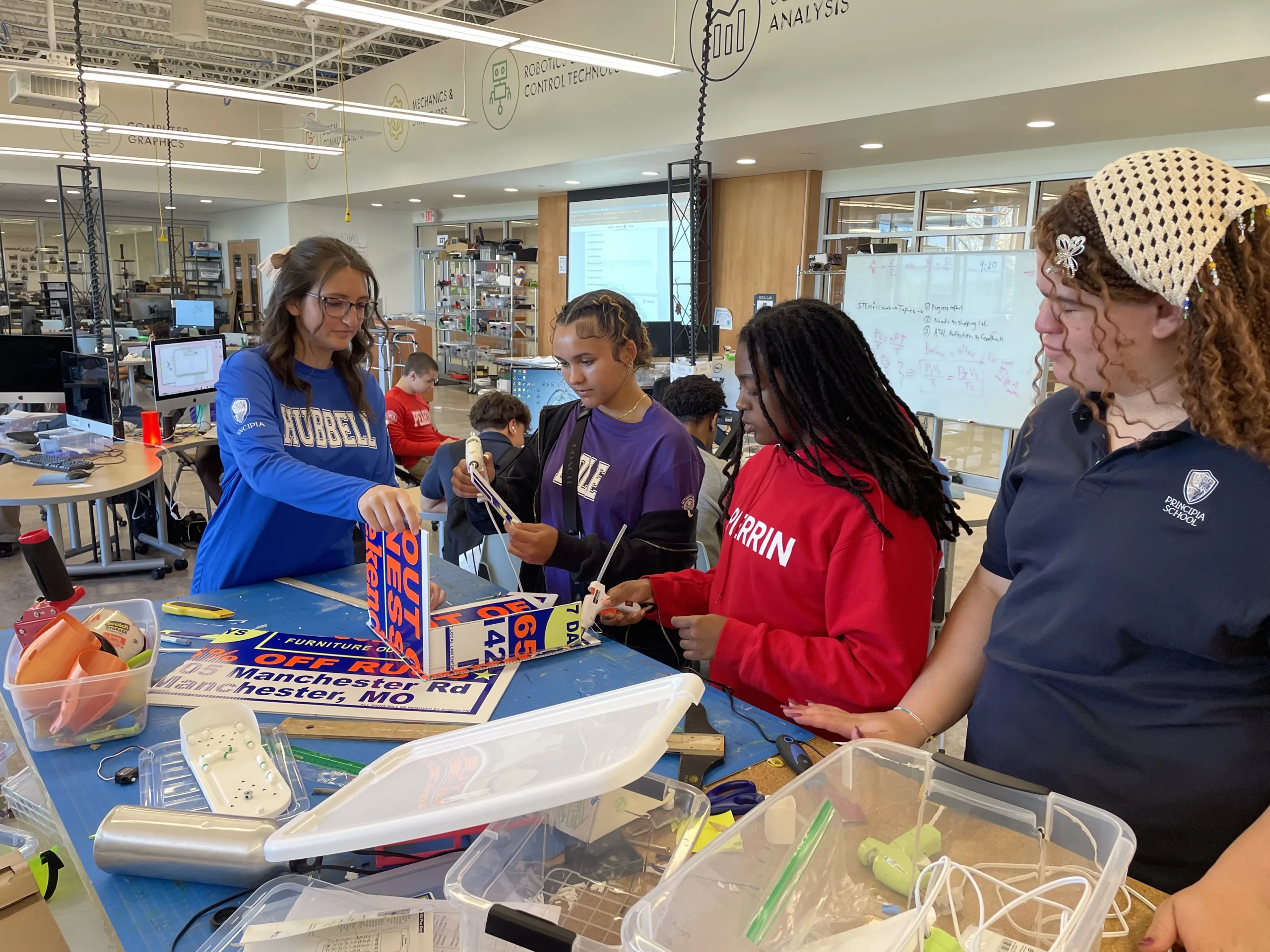
This approach gives students memorable learning opportunities. “Everything is very hands-on and tangible. The children are actively doing the learning, not just consuming information,” Schneider says. “Students regularly build things with their hands—sets for plays, materials for performances, or structures outdoors—often using cardboard or natural materials.” At the same time, Schneider adds, students use creative skills, writing and performing “plays about everything from the solar system to the Titanic to Queen Elizabeth, building their own sets and props as part of the learning.”
Carl Pelofsky, head of school at The College School, also emphasizes the importance of outdoor education. “We have a satellite campus in Pacific, on the LaBarque Creek Conservation Area, where students regularly do work in a variety of areas, including scientific-analysis discovery to urban and community planning,” Pelofsky says. “The carefully designed trips inspire student growth by teaching students the value of collaboration, planning, overcoming obstacles, and, most importantly, reflection.”
Students not only experience nature, but they also learn from outside experts and community members. “Our off-campus work includes outings designed to better inform students about St. Louis and other urban centers—New Orleans and Chicago, for example,” Pelofsky says. “Our students interview residents, business owners, and employees of these businesses to better understand their experiences and how economics and social justice interact.”
Making space for human connection, Pelofsky believes, can be a game-changer. “Students develop relationships with teachers, administrators, and school staff in a unique and powerful way,” he says. “None of this could be accomplished by the use of technology and screens.”
At New City School, project-based learning helps foster a love of education while strengthening communication skills, says head of school Alexis Wright: “Taking away the four walls of the classroom and learning outside brings a deeper level of joy into our learning environment. One of the greatest benefits of this type of lesson is how it makes the concepts relevant: It isn’t rote learning that is reliant on a textbook—instead it allows children to work collaboratively to solve real-world problems.”
New City’s first-grade curriculum, for example, includes the study of bees—their life cycle, different roles in the hive, and a visit from a beekeeper. These teachings are then applied to other aspects of their learning. “One of the most interesting parallels was the way they observed cooperation in nature and how small things can make a big impact on the world,” Wright explains. “By asking, How do bees work together? and How is our community like a bee community? students learn to recognize aspects of collaboration and cooperation in their own community. By observing and working across different learning styles, students have the opportunity to use and appreciate their strengths while also learning from and appreciating the strengths of others.”
At City Academy, math teacher Ada Parker—who has a background in urban farming—works with students on a community garden. “Students are learning about native plants, composting, worm castings, and how to put nutrients back into the environment in natural ways,” Parker says. “Students collect data on what grows well, track growth stages, and compare results, such as whether plants grow faster with worm castings versus non-natural fertilizers. After gathering data, students use calculators to create graphs, analyze data, and make comparisons.”
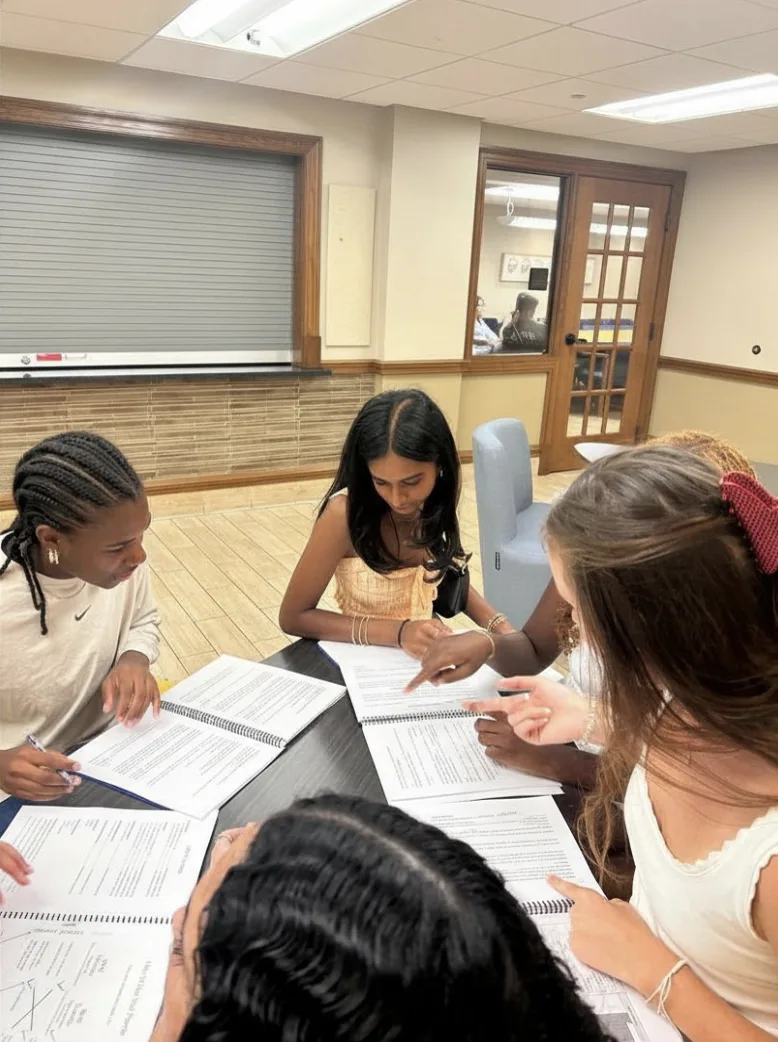
The format also enhances students’ interpersonal and reasoning skills. “The curriculum is built around discourse. Students solve one rich problem a day, and they’re required to talk through their thinking with peers,” Parker explains. “They’re problem-solving without Googling answers or asking Alexa. They have to think, communicate, and reason together.”
Developing such critical-thinking and problem-solving skills helps prepare them for adulthood, says Parker: “In real life, you’re rarely given an answer—you’re given a scenario. These skills prepare them for life beyond school—whether that’s higher education or the workforce—where working with different personalities and viewpoints is essential.”