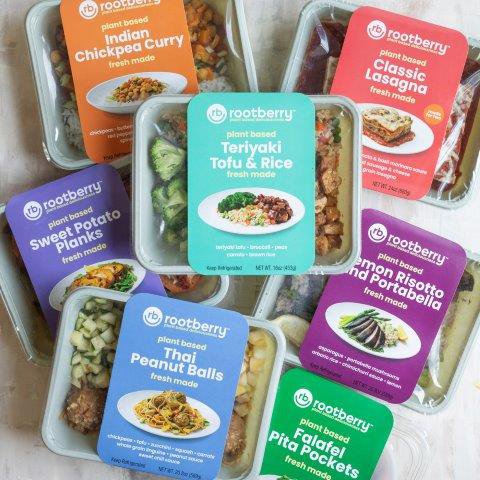
New plant-based delivery service rootberry is now shipping ready-to-heat meals to customers across the St. Louis region. The service launched its online ordering platform on June 23.
Rootberry co-founder and chairman J.T. Norville began making changes to his own diet after seeing how heart and gastrointestinal issues had affected family members. “We started with one meal a day, which soon followed with two, and very quickly after that we were eating mostly a plant-based diet,” Norville says. “What we found out was that there was no sacrifice, so it was actually a pretty easy transition.”
Find the best food in St. Louis
Subscribe to the St. Louis Dining In and Dining Out newsletters to stay up-to-date on the local restaurant and culinary scene.

Norville began sharing tips about healthy eating with friend Marc Connor after an annual checkup revealed that Connor had high blood pressure and elevated cholesterol levels. “I don’t eat all plants all the time, but I’ve made a huge shift, and my blood pressure and cholesterol look great,” says Connor, the company’s co-founder and president. “I’ve made a significant dent in my weight too.”
Adding more plants to one’s diet doesn’t necessarily mean a wholly plant-based regime. “Don’t make it a ‘thing,’” Connor suggests. “Don’t make it a binary decision or ‘program.’ Just focus on more. Just having two meals a week be plant-based is a 10 percent improvement.”
Their own experience inspired Connor and Norville to create a delivery service dedicated to plant-based meals. Nutritionist Alex Caspero Lenz came on board to develop the menu, with former Butler’s Pantry director of culinary operations Chuck Friedhoff in the kitchen as rootberry’s food experience leader.
“Our mantra is ‘more people, more plants, more often,’” Connor says. “Almost everybody struggles two to three times a day with what to eat and the choice of whether to pick something tasty, healthy, or fast. We want to serve up food that is all three in one.”
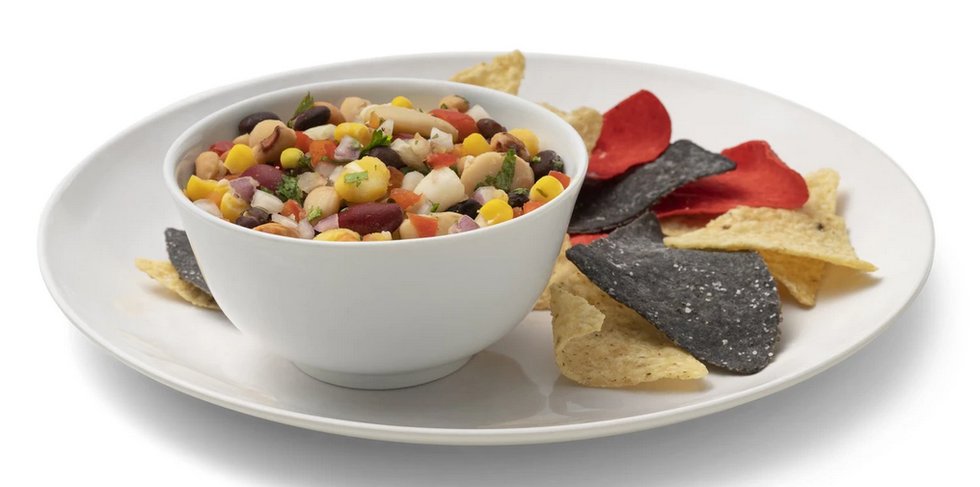
Rootberry’s menu currently includes 27 items, including fresh ready-to-heat individual meals, shareable plates, salads, and sweets. The portions are large, considering that many of the meals are priced under $10. Some of the most popular items include the Tikka Masala, Peanut Buddha Bowl, Aztec Enchiladas, and Farro Berry Salad. The sweets selection includes Raspberry Oat Bars, Fudge Brownies, and Chocolate Chip Cookies. Customers can also filter the online menu to identify soy-free or gluten-free items.

Caspero Lenz says that while many people know that a predominantly plant-based diet is a wise choice for both improving health and the environment, many are reluctant to give up foods and flavors that they love. “Developing our menu had to take this into account—showing that plants not only taste great, but they are great for you as well,” she says. “Our recipes are focused on whole foods: high in fiber, low in saturated fat, and rich in plant-based sources of protein.”
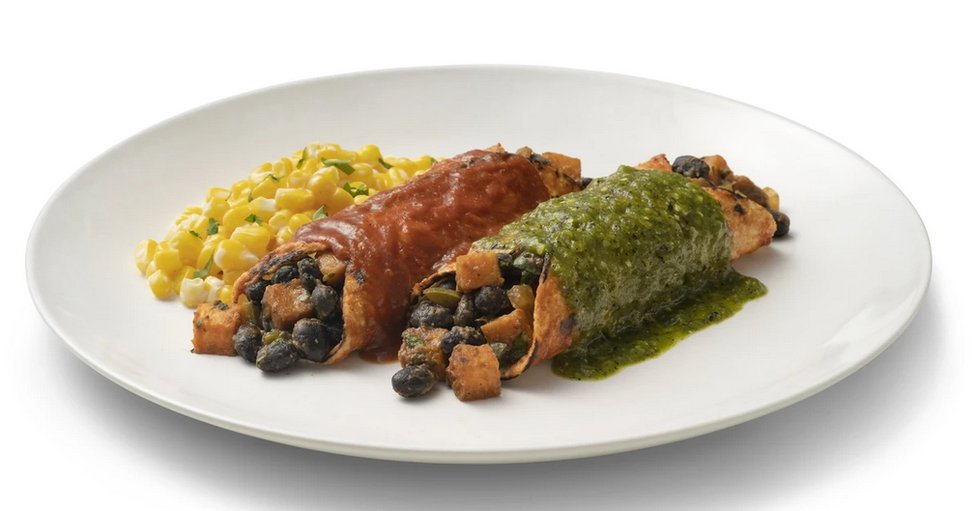
Friedhoff says the team wanted to create a menu that was “approachable and unapologetic about being plant-forward.” Each meal is grounded in a simple equation. “The first focus is flavor coupled with nutrition,” Caspero Lenz says. “How do we create a dish that typically uses meat, keeping a similar flavor profile for familiarity but making it new and exciting with just plants?”
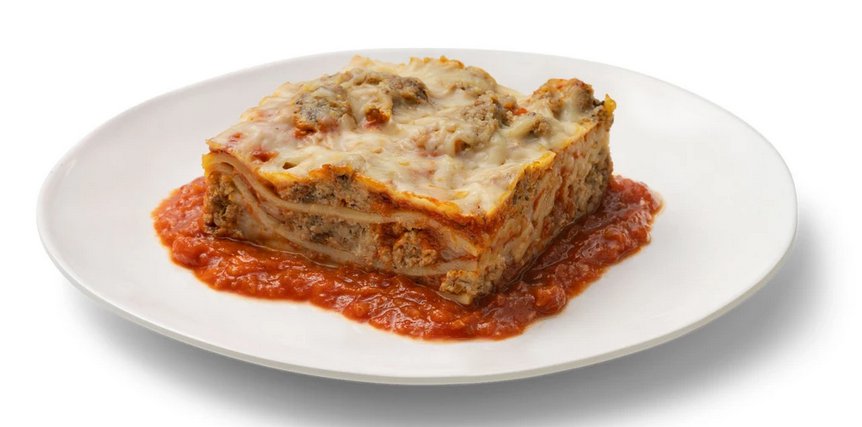
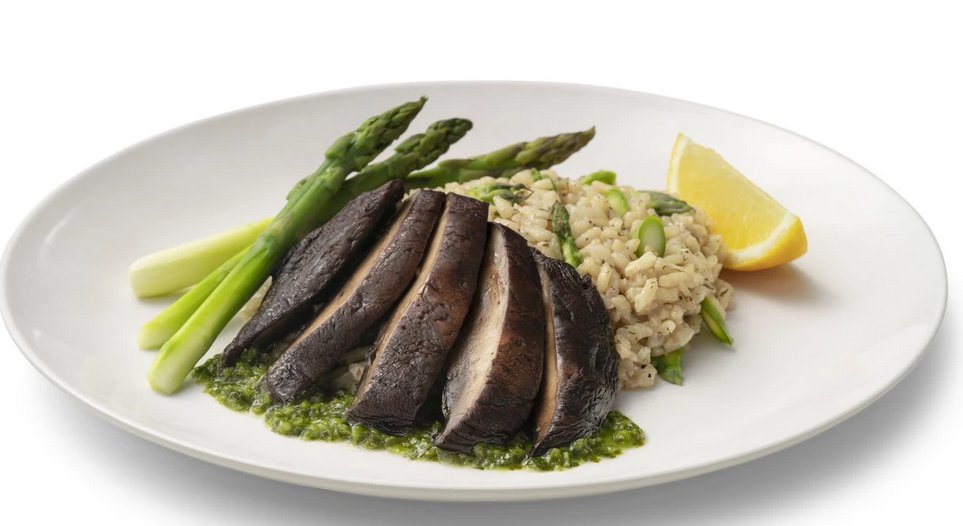
Friedhoff says part of that puzzle lies in figuring out what drives the flavor in the original dish and then working forward with plant-based products. “How can I recreate similar flavors without using animal proteins or fats?” he says. The veteran chef’s deft touch is obvious in the proper texture of a lemon risotto (made without Parmesan), and you’d likely lose a bet guessing which cheese he used in the chili cheese dip (unless you said it was cashew-based).
Connor says preparing the food locally and delivering fresh means the company can avoid the excess packaging, insulation, and ice packs that come with some meal-delivery services. Rootberry uses recyclable PETE packaging, made of 70–90 percent post-consumer content.
Best-by dates on rootberry meals are typically three to seven days after the date of receipt. While placing an order, the customer selects a preferred date and time window for delivery. Rootberry delivers from 8 a.m.–noon and 4–7 p.m. Monday through Wednesday and 10 a.m.–2 p.m. Sunday. The delivery radius incorporates the entirety of St. Louis City, St. Louis County, and St. Charles County.
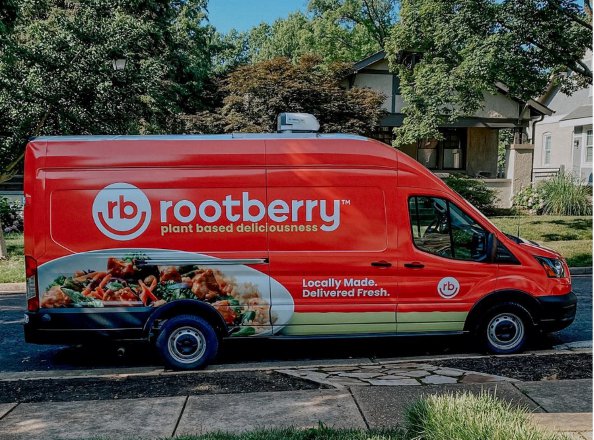
In order to qualify for delivery, customers must place a $20 minimum order (which will typically cover the cost of around two meals), not inclusive of the $5 delivery fee. There’s no need to sign up for a subscription or recurring orders, however, as some meal-delivery services require. “We want people to order for their lifestyle,” Connor says. “Some are ordering eight to 12 items for the week once, and others are ordering two to three items a couple times per week.”
Rootberry will introduce a subscription plan in the near future, but Connor says it will simply give customers one more option rather than being mandatory. “Our whole reason for doing subscriptions isn’t to lock people in but to give them a tool if it makes their life easier,” he says. “We want to approach our business in a way that puts people first.”
The approach also means that rootberry won’t be limited to delivery, Connor says; instead, meals will be available at markets and other events, potentially in retail spaces, and perhaps even in a brick-and-mortar rootberry location.
“More people enjoying more plants more often can make the world a healthier and happier place,” Connor says, “and that’s worth chasing.”