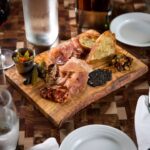

“I’d most certainly drive down here for this,” one observer remarked.
“Here” referred to River City Casino, and “this” was Cibare Italian Kitchen, the South County casino’s newest (and likely liveliest) onsite restaurant. Cibare (chih-BAH-ray, Italian for “nourish” or “feed”) officially opened yesterday, November 3.
Find the best food in St. Louis
Subscribe to the St. Louis Dining In and Dining Out newsletters to stay up-to-date on the local restaurant and culinary scene.
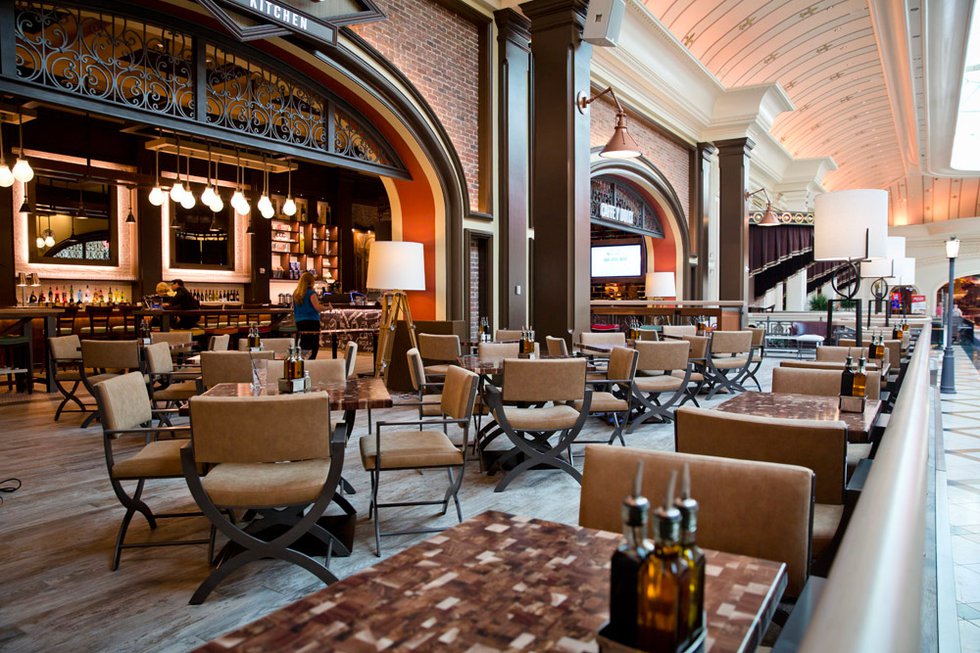
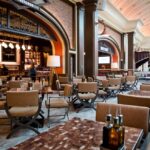
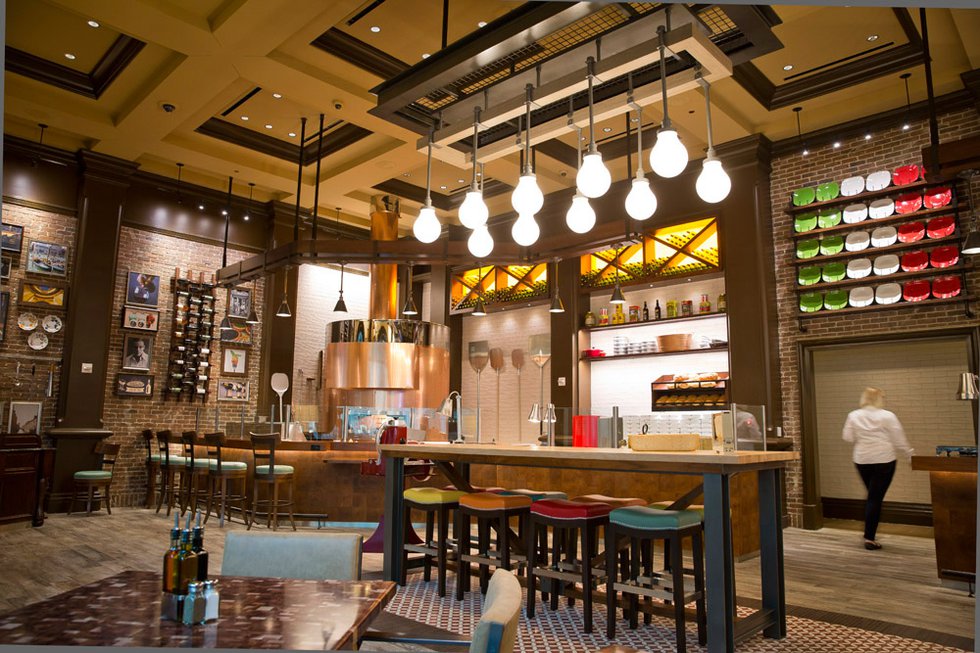
Cibare replaces the former Lewy Nine’s Café (a play on our city’s namesake) and is the culmination of an eight-month, $3 million renovation. With both rustic and modern details, the 84-seat space features an open floor plan divided by long, gracious arches accented with brick (above).
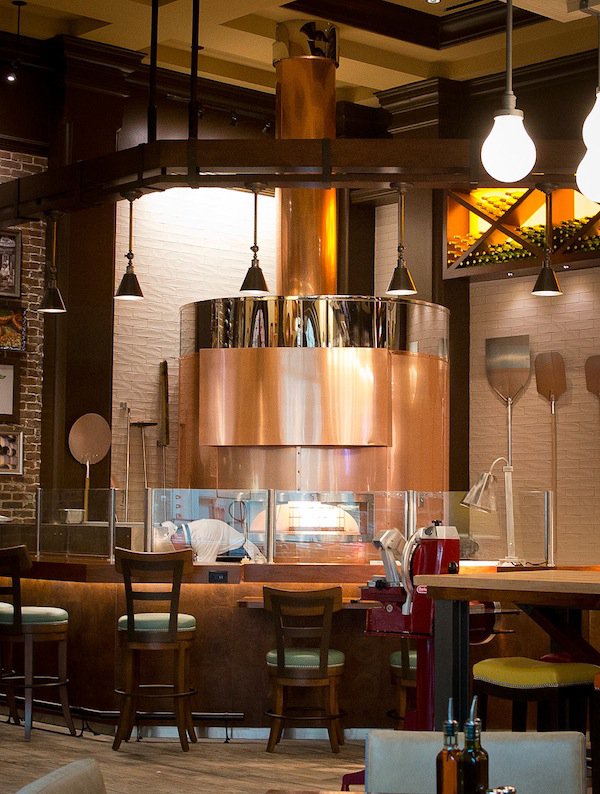
The showpiece is the $200,000 pizza oven ($50,000 for the oven, plus $150,000 for the copper cladding and installation, above), which burns Missouri oak and hickory, assisted by natural gas.
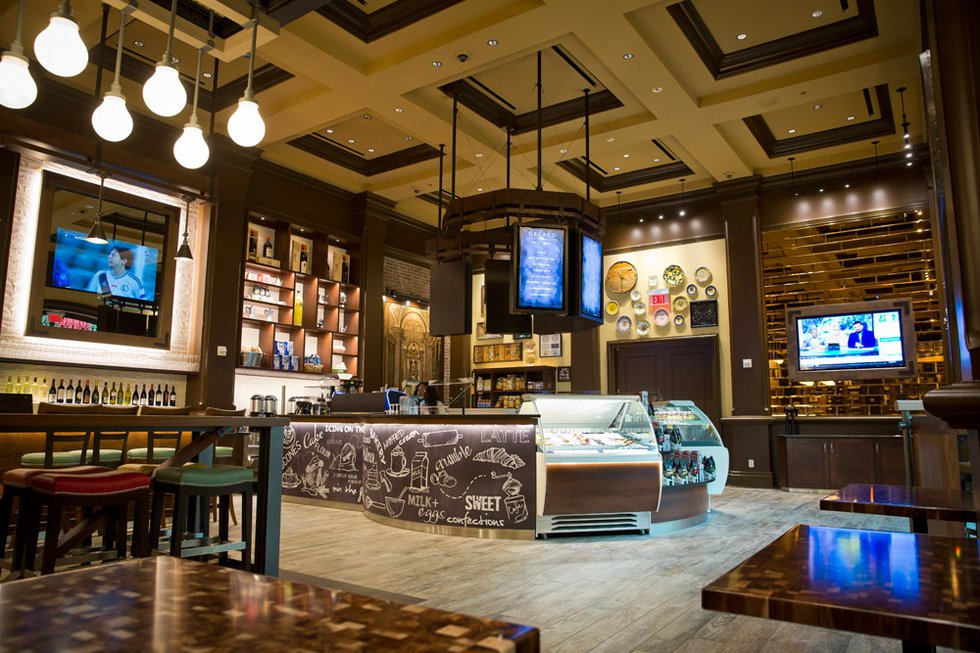
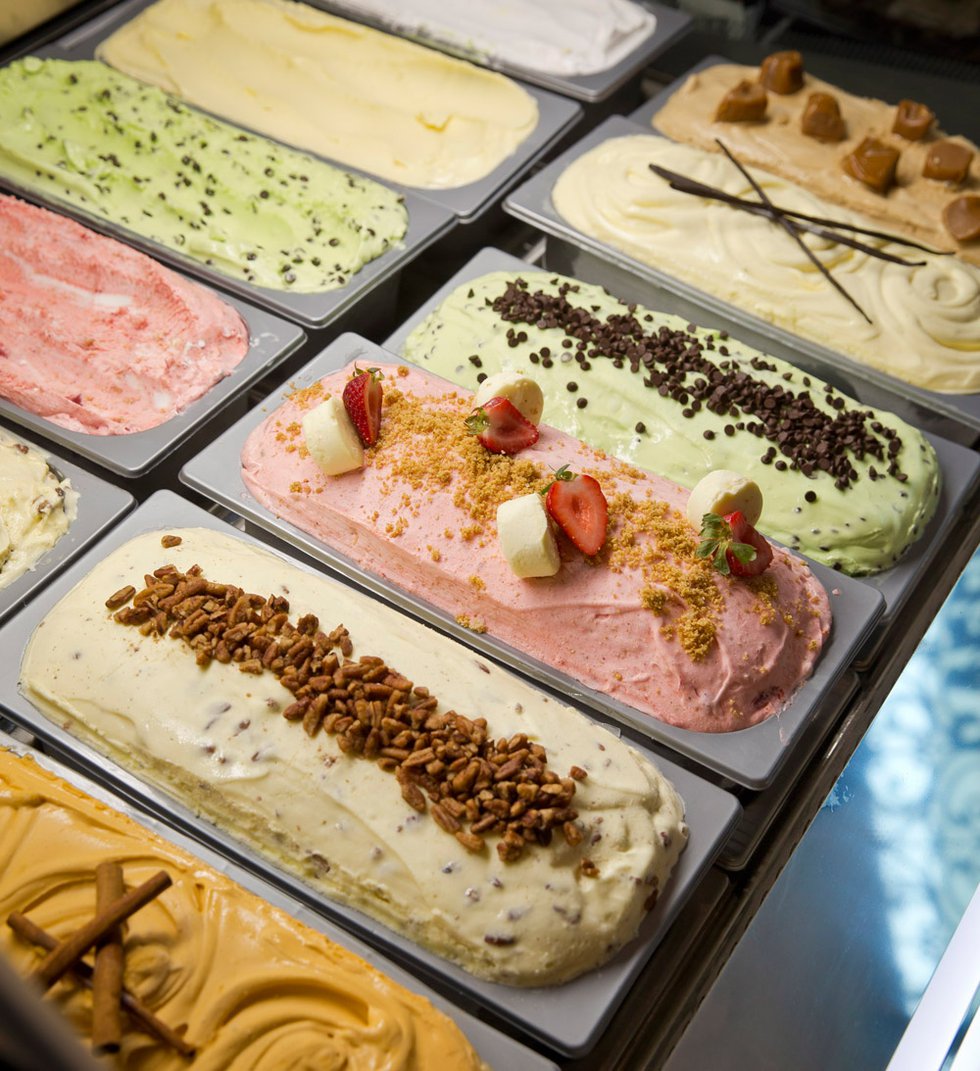
Cibare is a three-meal-per-day endeavor, with one entrance for full-service dining and another that leads to a quick service counter, where one can order a pastry and a Lavazza latté (dubbed “Italy’s favorite coffee”), a scoop of gelato, a sandwich, or Neapolitan pizza to go. The quick service area includes musings on a chalkboard and a menu displayed on video boards (above) that mimic a chalkboard (but are much easier to update).
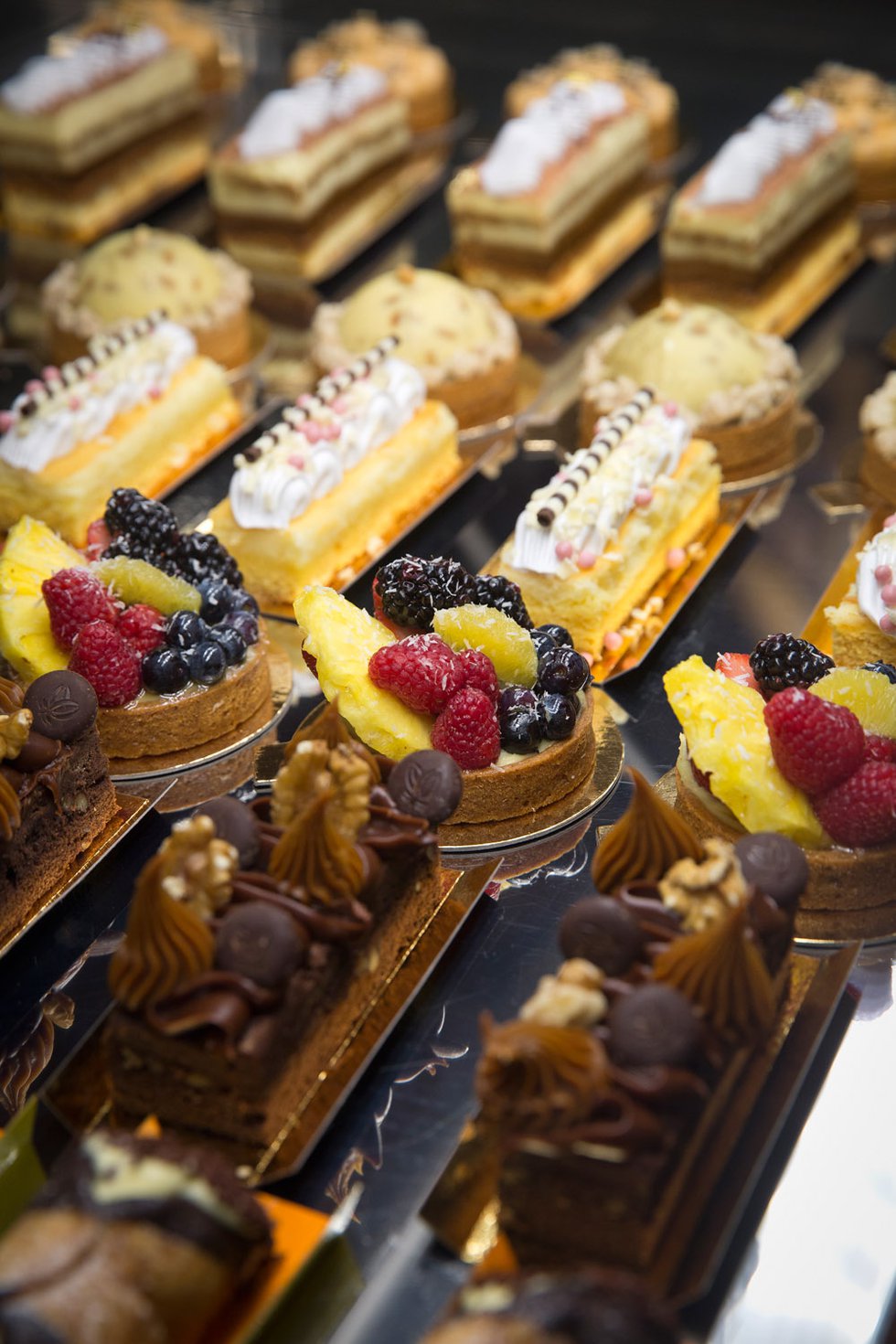
You might see executive pastry chef David Laufer standing proudly behind a dazzling display of Italian pastries. Laufer (formerly of The Preston) took over at River City for acclaimed pastry chef Stefan Schubert several months ago. The pastry case is filled with tortes, cakes, and items like lemoncello budino (a lemon curd pudding with Italian meringue, pastry, and fresh berries). There are cookies, such as the Chewy Mooey, “the best chocolate chip cookie you’ll ever eat,” says Laufer, made with 60 percent chocolate chunks, butterscotch chips, pretzels, and pecans. “I always wanted a big glass pastry case,” Laufer boasts like a new papa, “just like this one.”
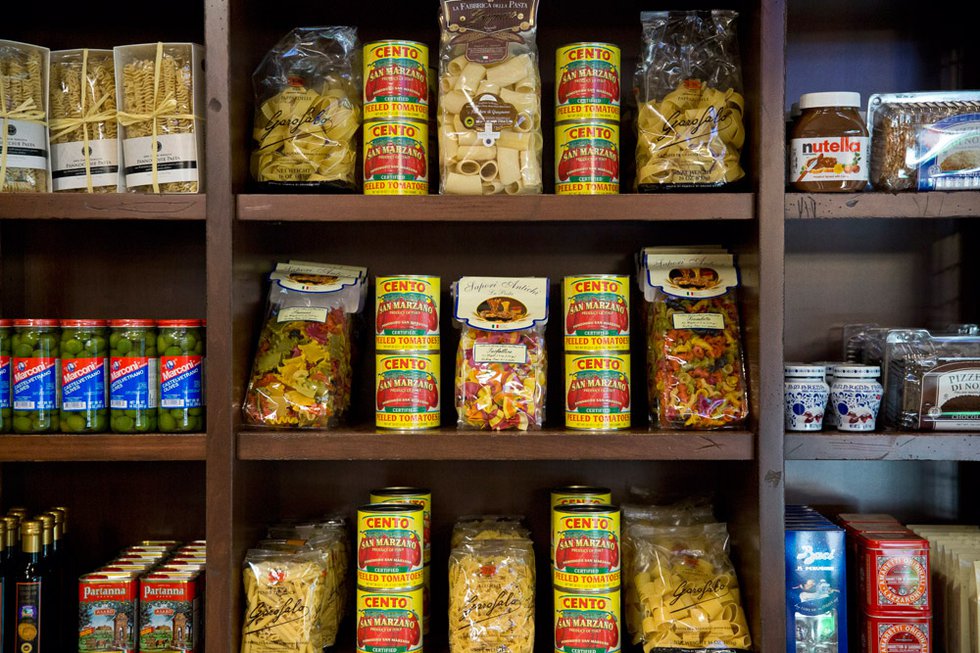
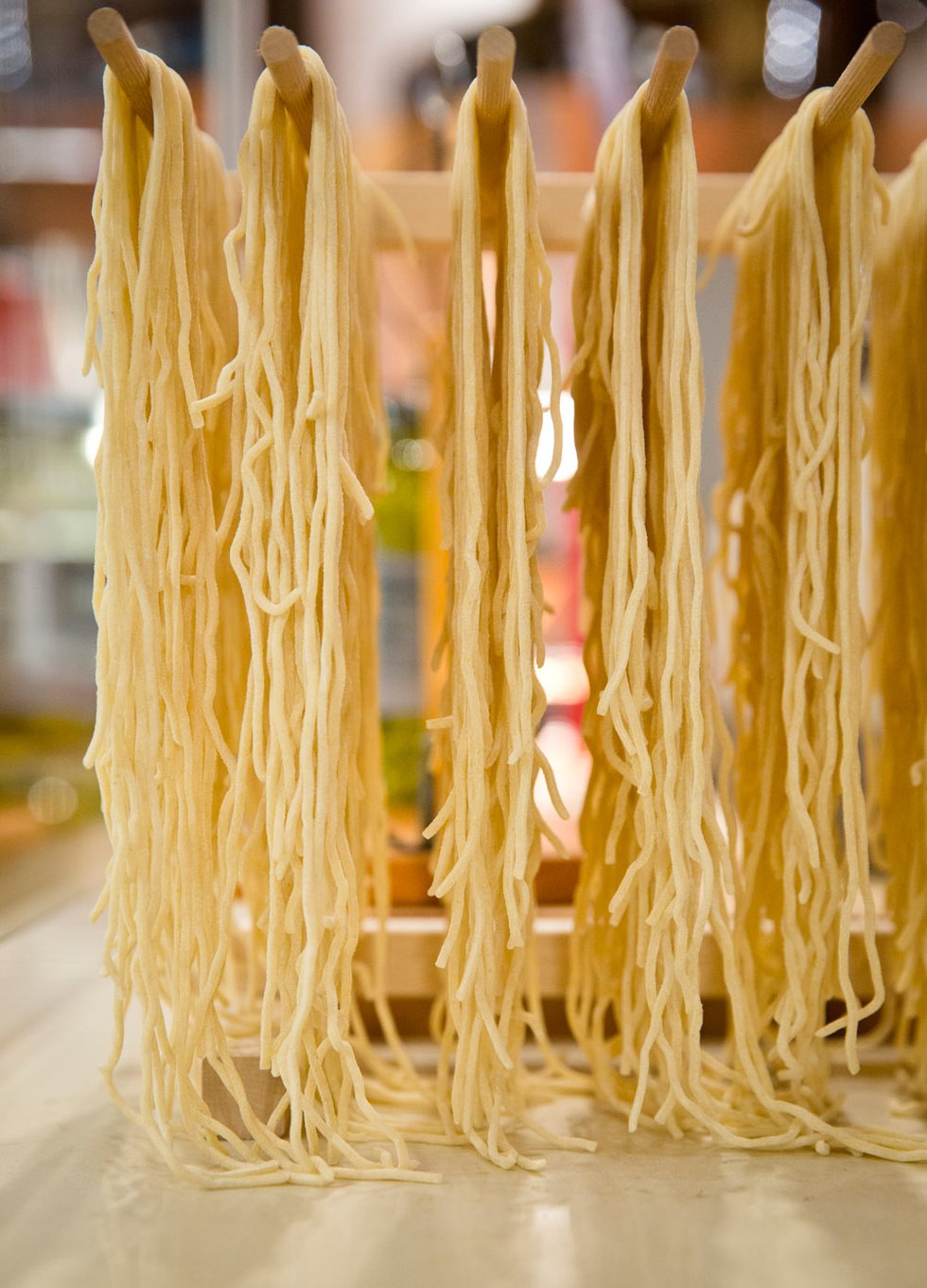
An adjacent retail area offers Italian specialty items, including bags of made-that-day pasta.
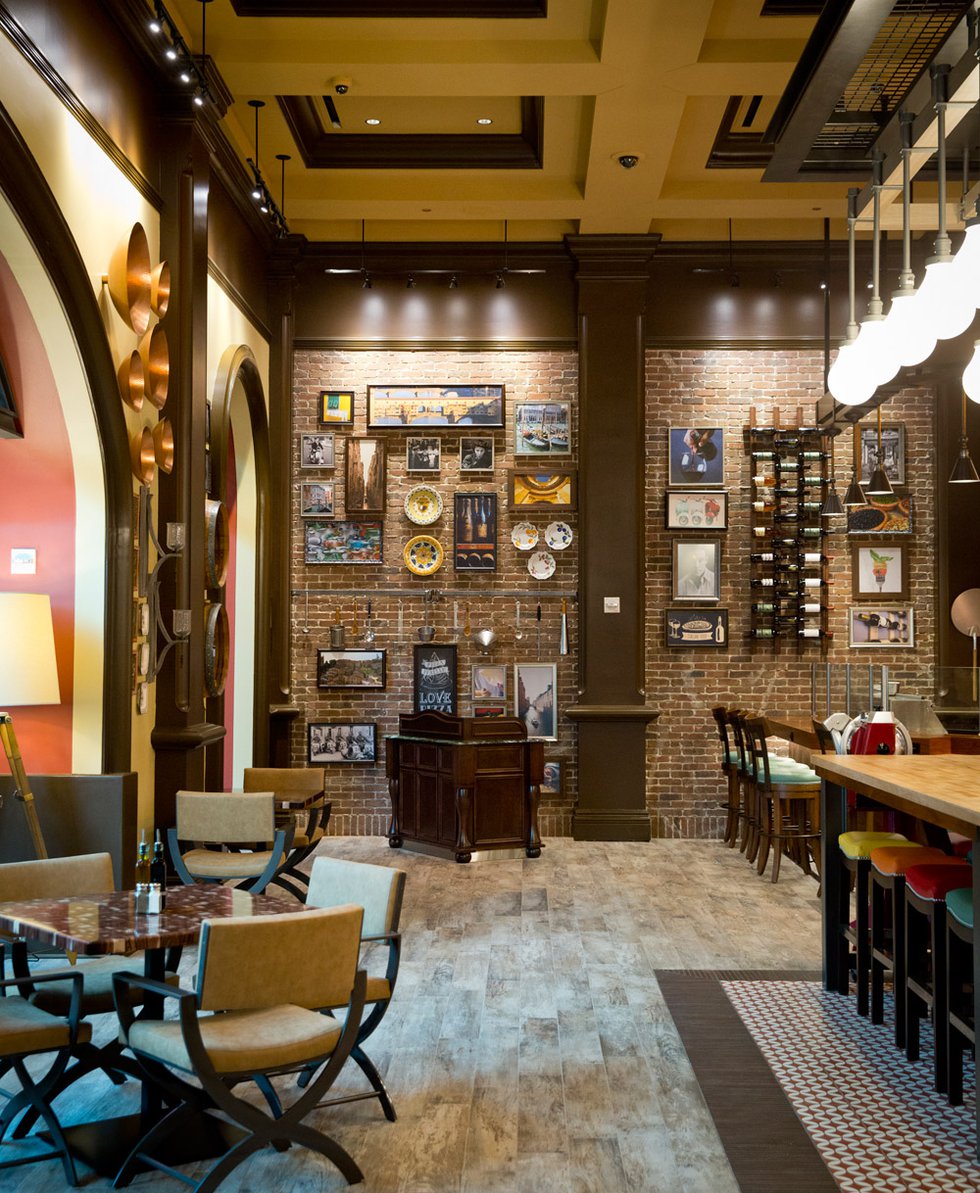
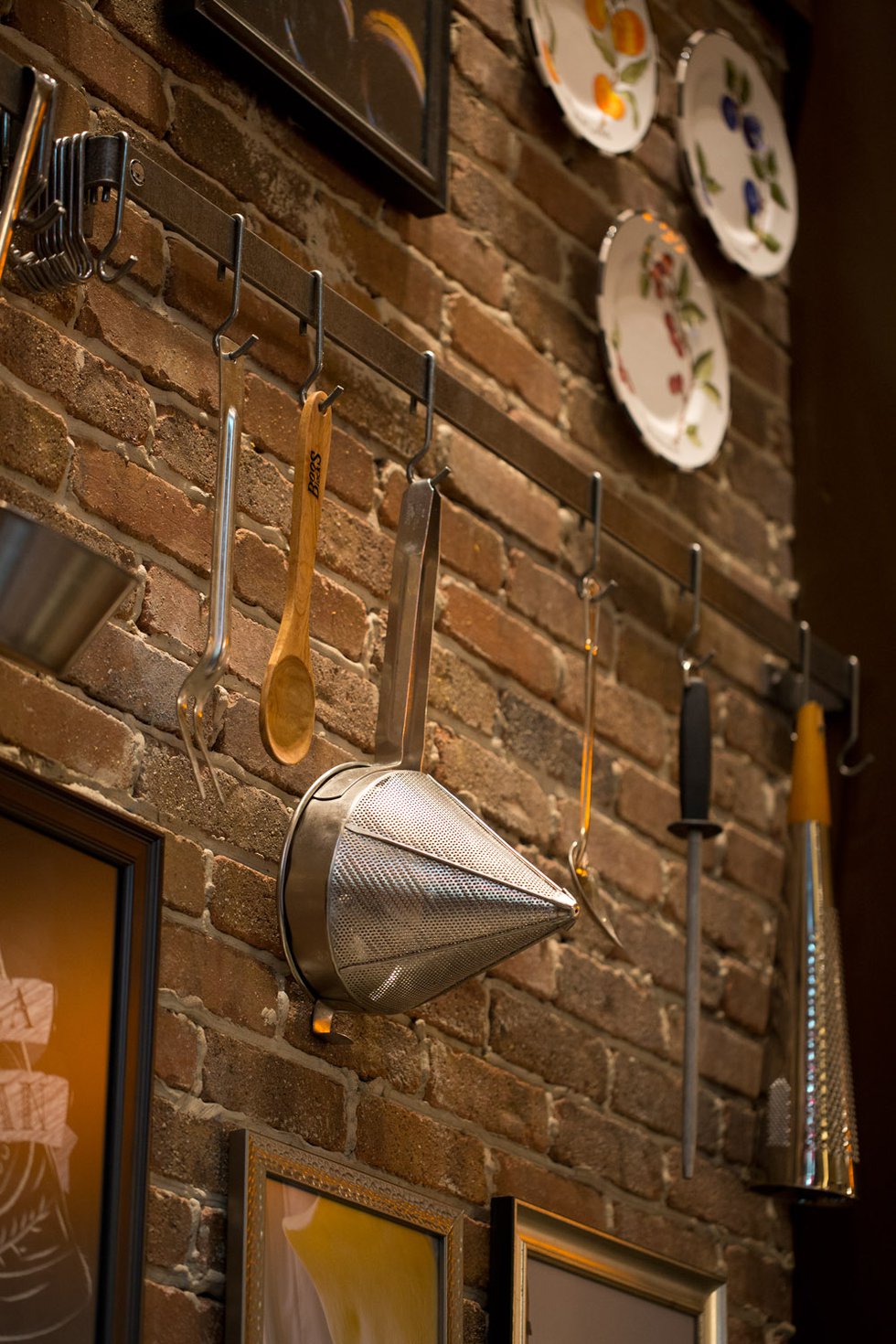
Cibare’s walls are decorated with all things Italian: edible products, cooking utensils, wine, whimsical art (above)—even a patriotic display of appropriately colored plates (below).
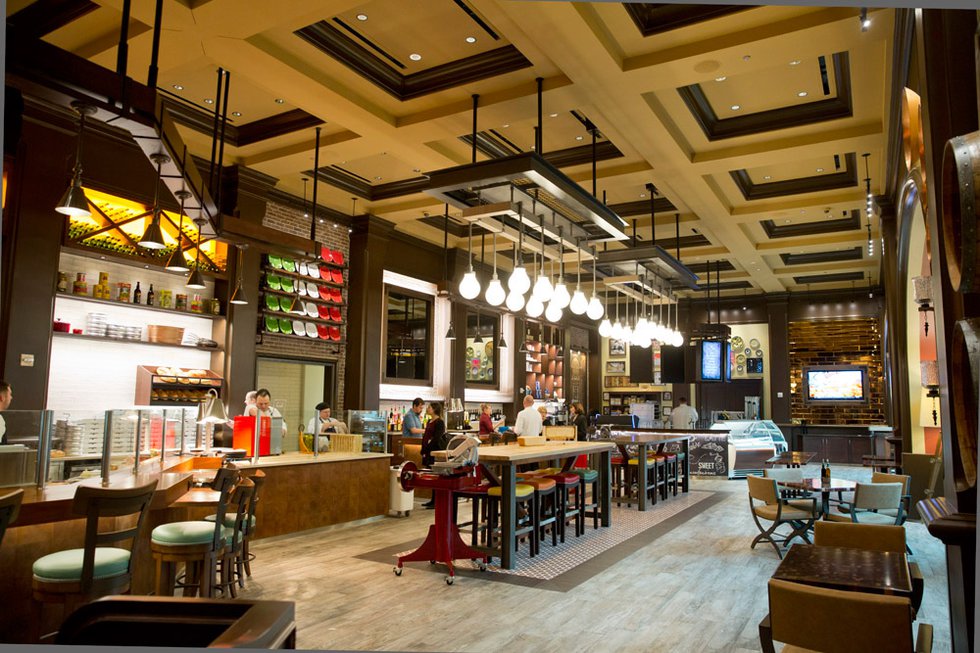
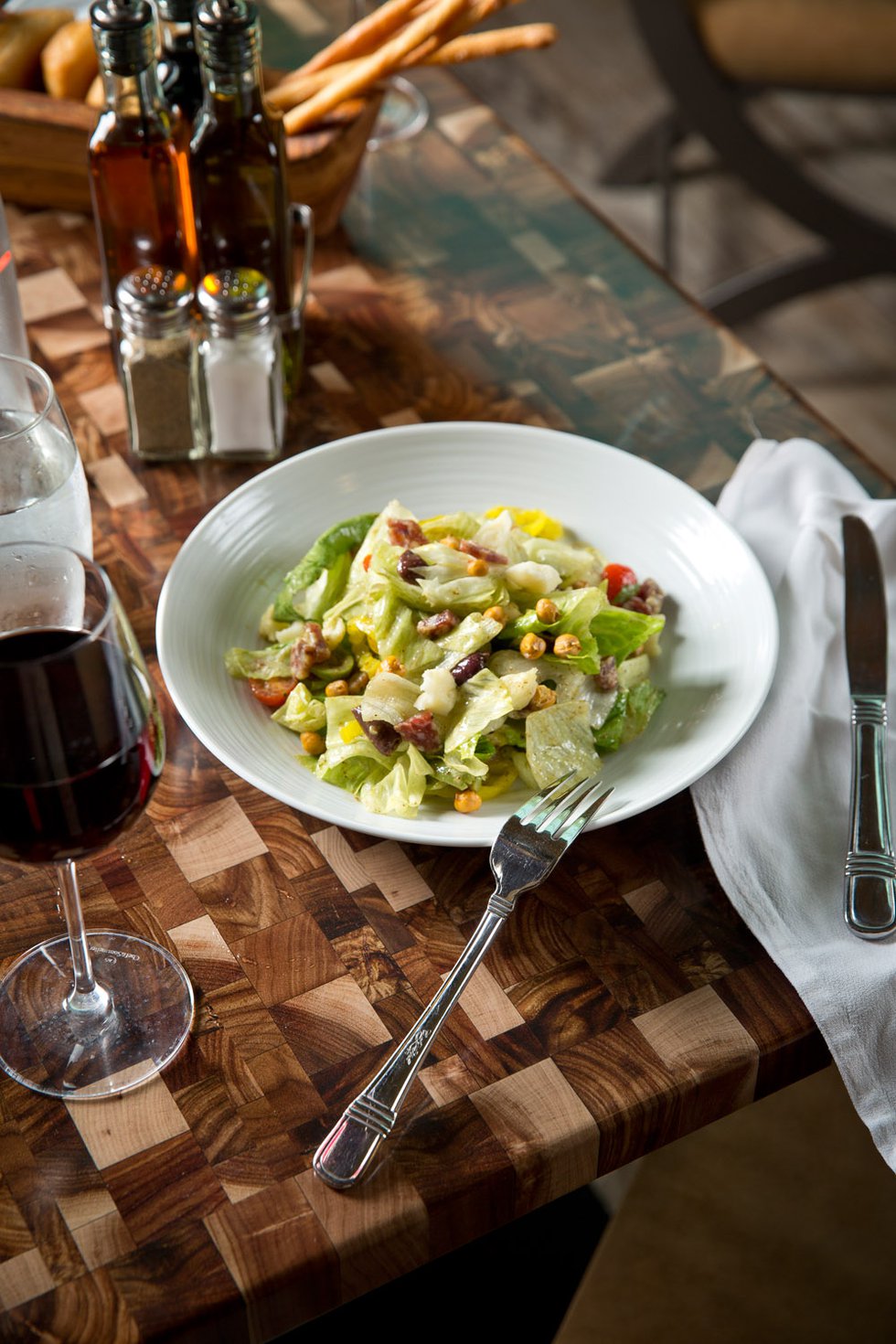
The seating areas are comfortable and varied. Wide-spaced tables with “end-cut” butcher-block tops (below) cater to guests who want to quietly converse over an Italian salad at lunch or a Margherita pizza at dinner.
Brightly colored stools accent two long butcher-block tables. But the most interesting seats in the house are in the five bar height stools in front of the pizza oven (below), where (if you’re lucky) pizzaiolo Frank Bongiovanni tosses pizza dough while belting out familiar tunes. Look closely: adjacent to the stools are two more seats that double as an ADA-approved counter.
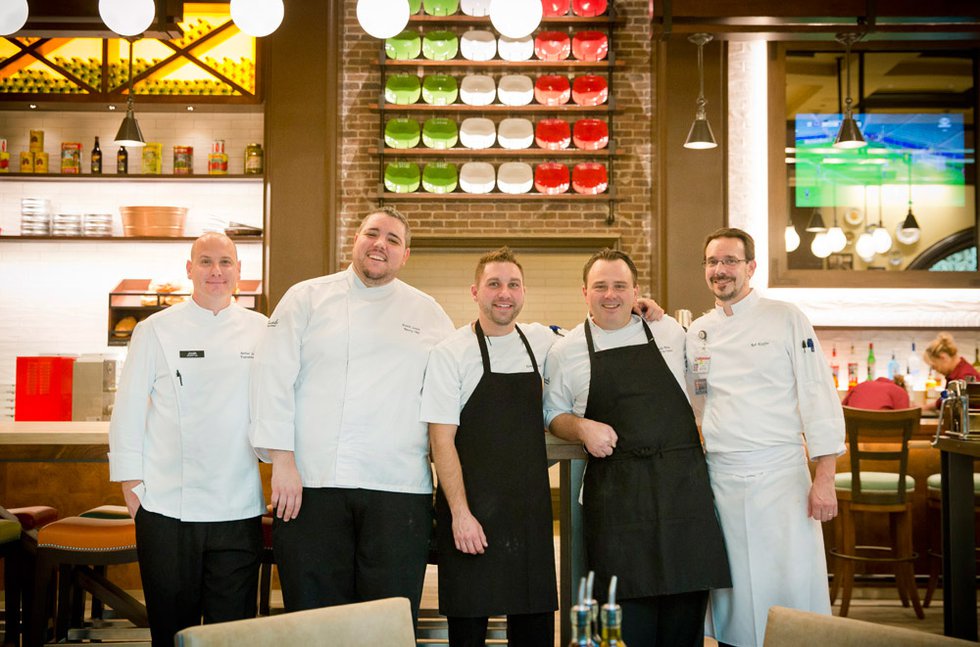
Executive chef Josh Schlink oversees the rest of the menu at River City. His chef de cuisine at Cibare is Pierpaolo “Paolo” Pittia, a native of Northern Italy, worked under famed chefs in Las Vegas for the last years. After working in the gaming industry in Biloxi, he knew the new Italian concept restaurant at River City was a good fit for him.
Cibare’s 32-item menu represents several regions of Italy, says Pittia: the North (polenta and ravioli), the Central region (home of the famed amatriciana sauce), and the South (spicy red sauces and Neapolitan pizza). When asked to predict likely bestsellers, Pittia says people tend to order what they recognize (and can pronounce), so lasagna, chicken Parmesan, and Nonna’s Spaghetti & Meatballs, with pomodoro, should be big sellers.” (“Who’s Nonna,” we asked? “Everybody’s had a grandma who made a beautiful meatball… It’s an homage to all of them,” Schlink said.)
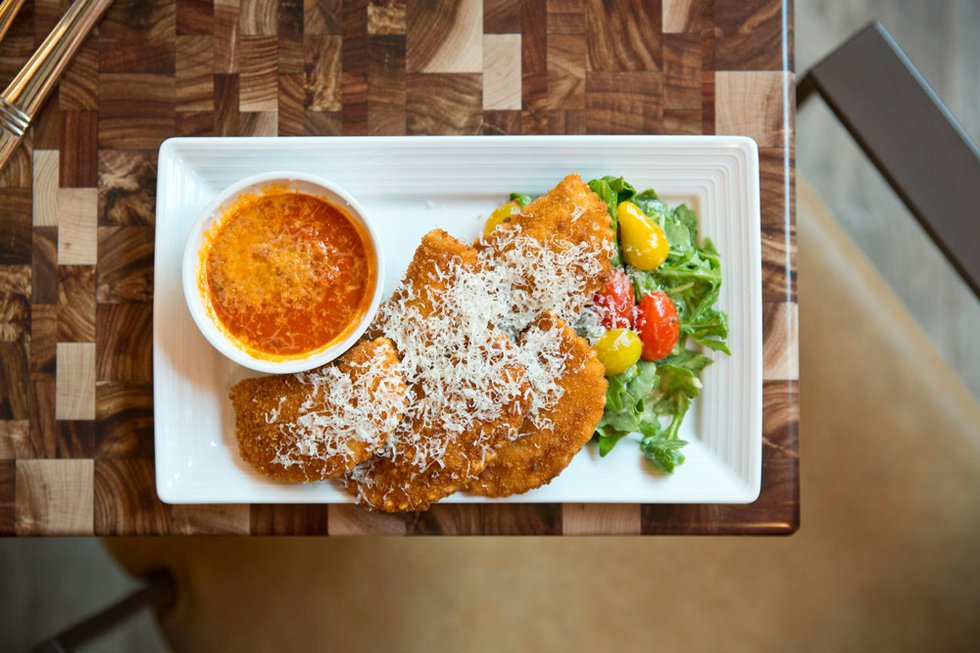
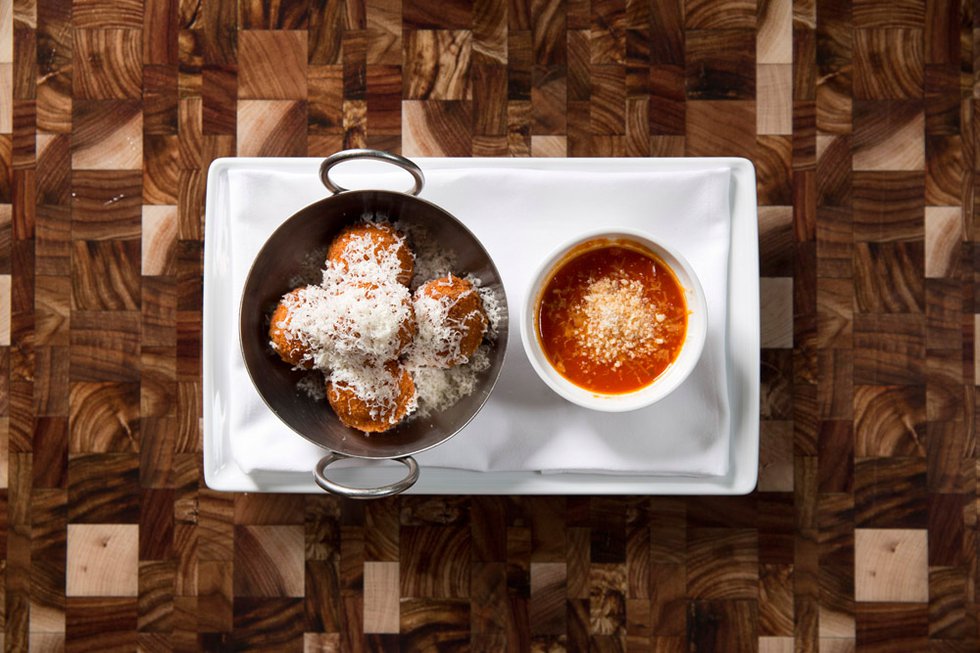
And there’s always toasted ravioli (above), presented here in the shape of a mezzaluna (Italian for half-moon) or arancini (below), both served with signature pomodoro sauce.
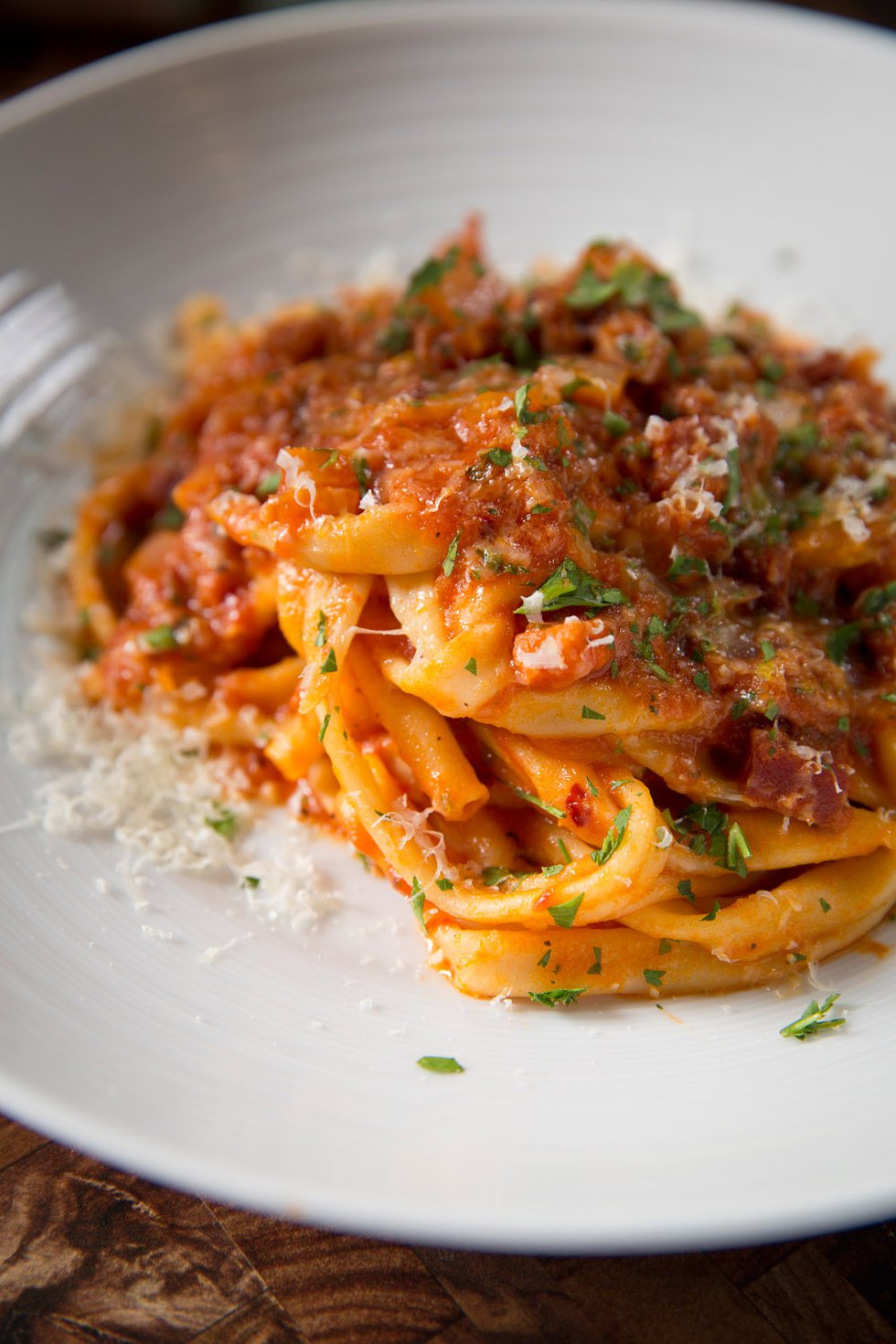
More adventurous might order the Bucatini All’ Amatriciana (above) with guanciale. onion, garlic, and chili flakes.
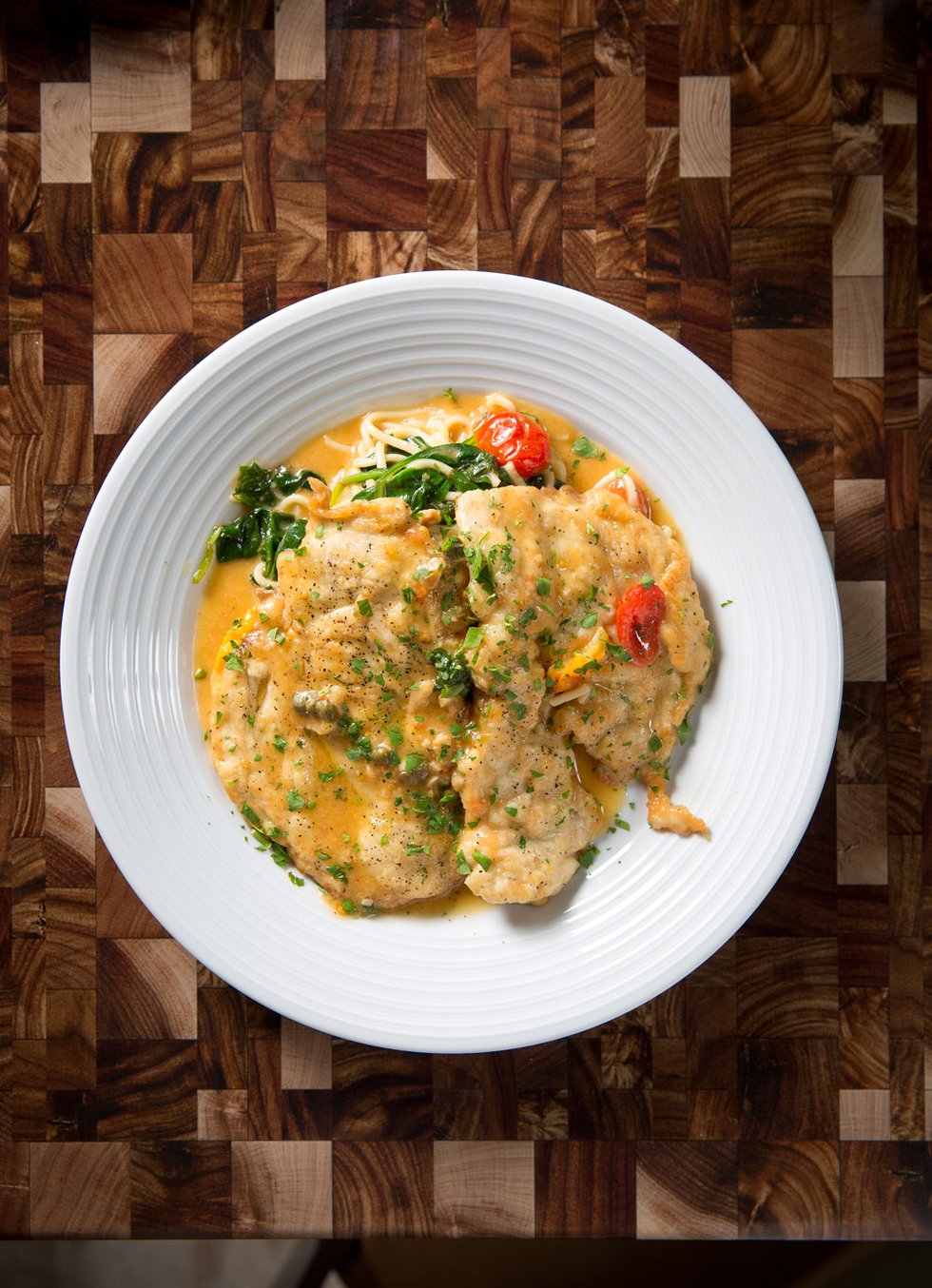
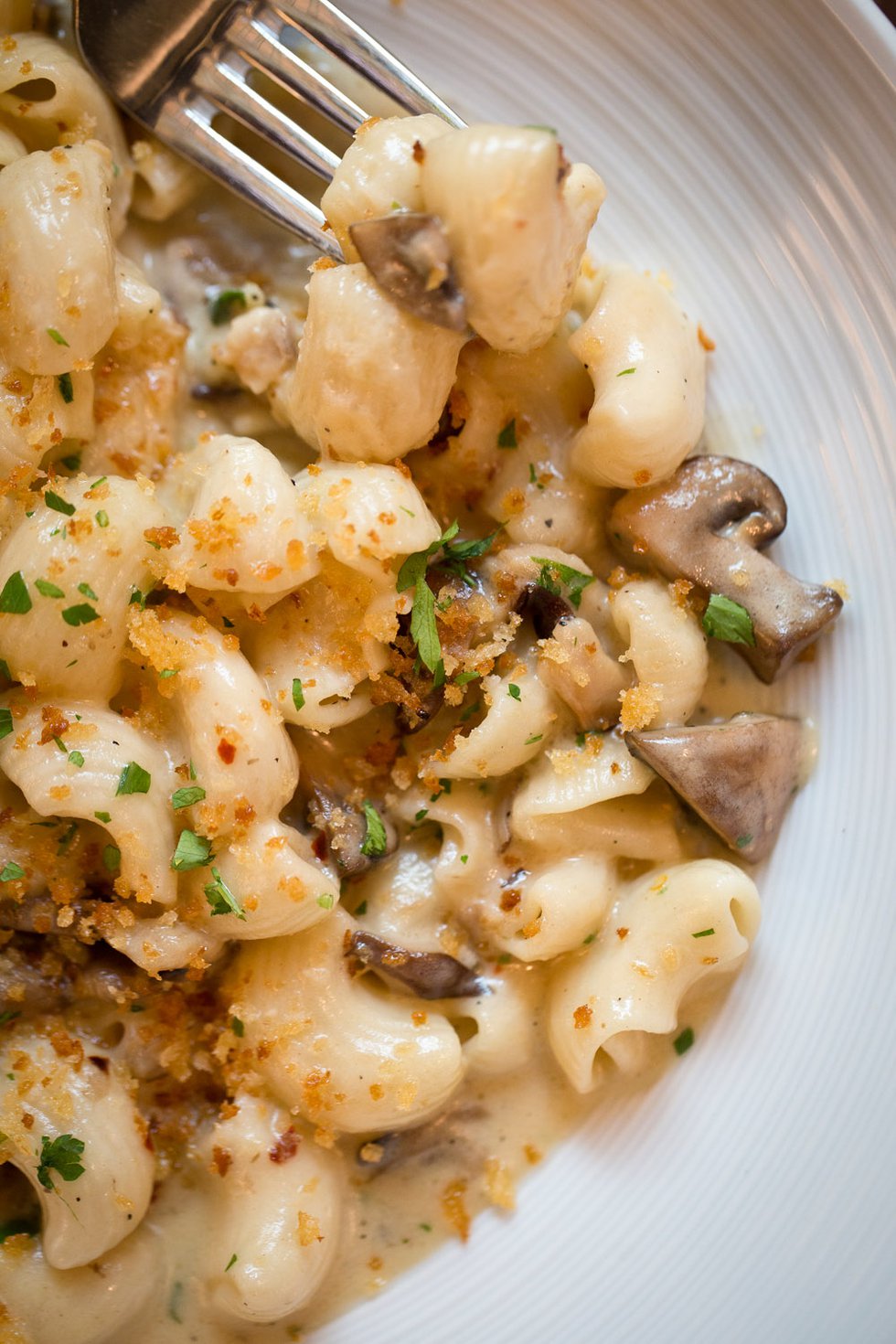
Schlink gravitates to the Chicken Scaloppine Sofia (above), a pounded, floured, and seared chicken breast atop spaghetti noodles amped up with crispy capers, lemon, and tomato. Named after Schlink’s daughter, it’s a dish that he often makes at home. He also fancies the Canestri alla Funghi (below), a dish whose inspiration was rooted in the shape of the pasta. (Canestri takes its name from the handled Italian baskets used for gathering mushrooms.)
Cibare’s scratch kitchen strives for the pasta to be as fresh as possible. “One of the largest semolina mills in the U.S.—Italigrani—is almost next door to us,” Schlink says. ”Durum wheat arrives on barges, and milled semolina leaves on trains bound for manufacturers like Barilla. So we’re buying a very freshly ground product, and we turn it into pasta every morning.”
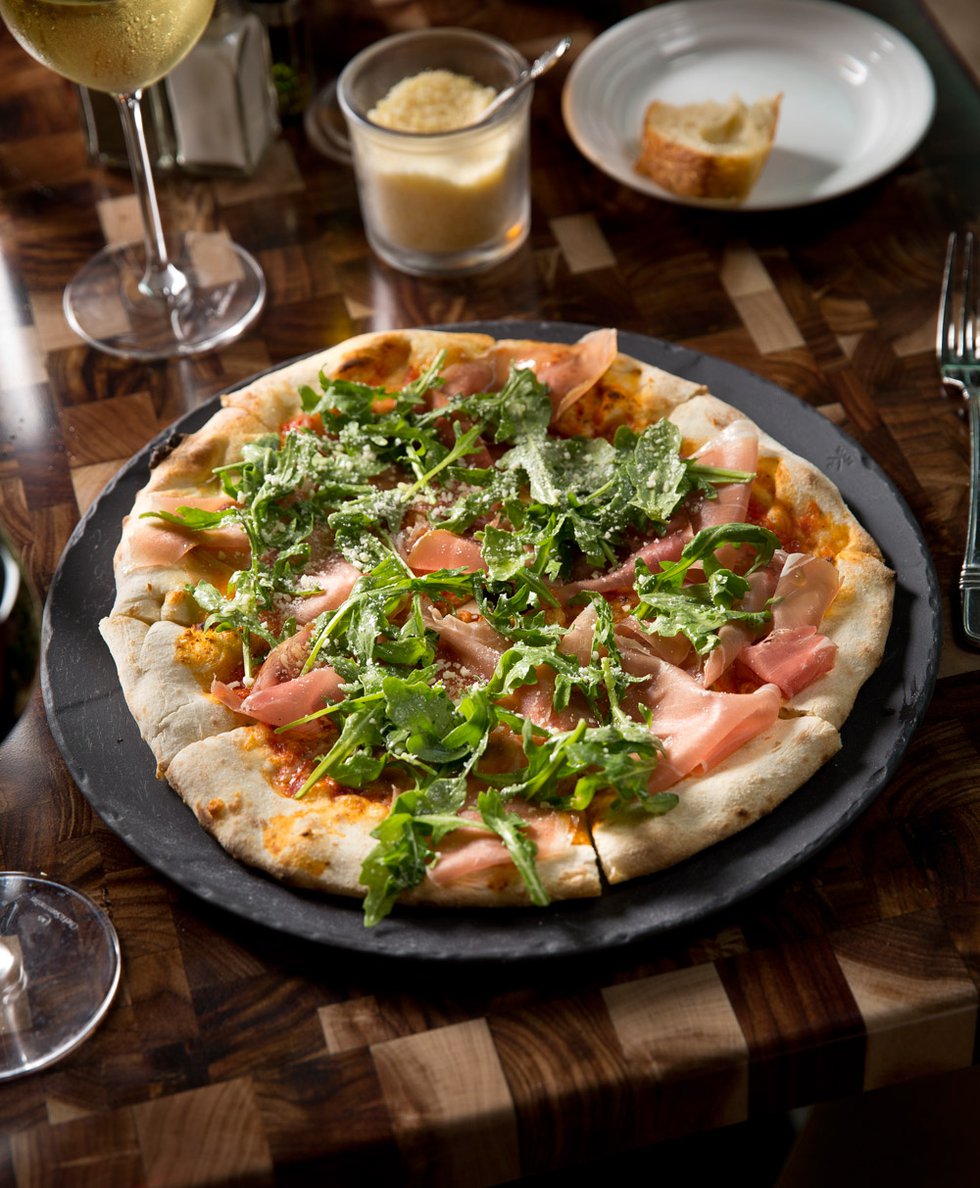
The pizza flour is Caputo 00 (considered the gold standard of pizza flours), a superfine product that produces a thin, bubbly crust after a two-minute bake in Cibare’s 900-degree wood oven.
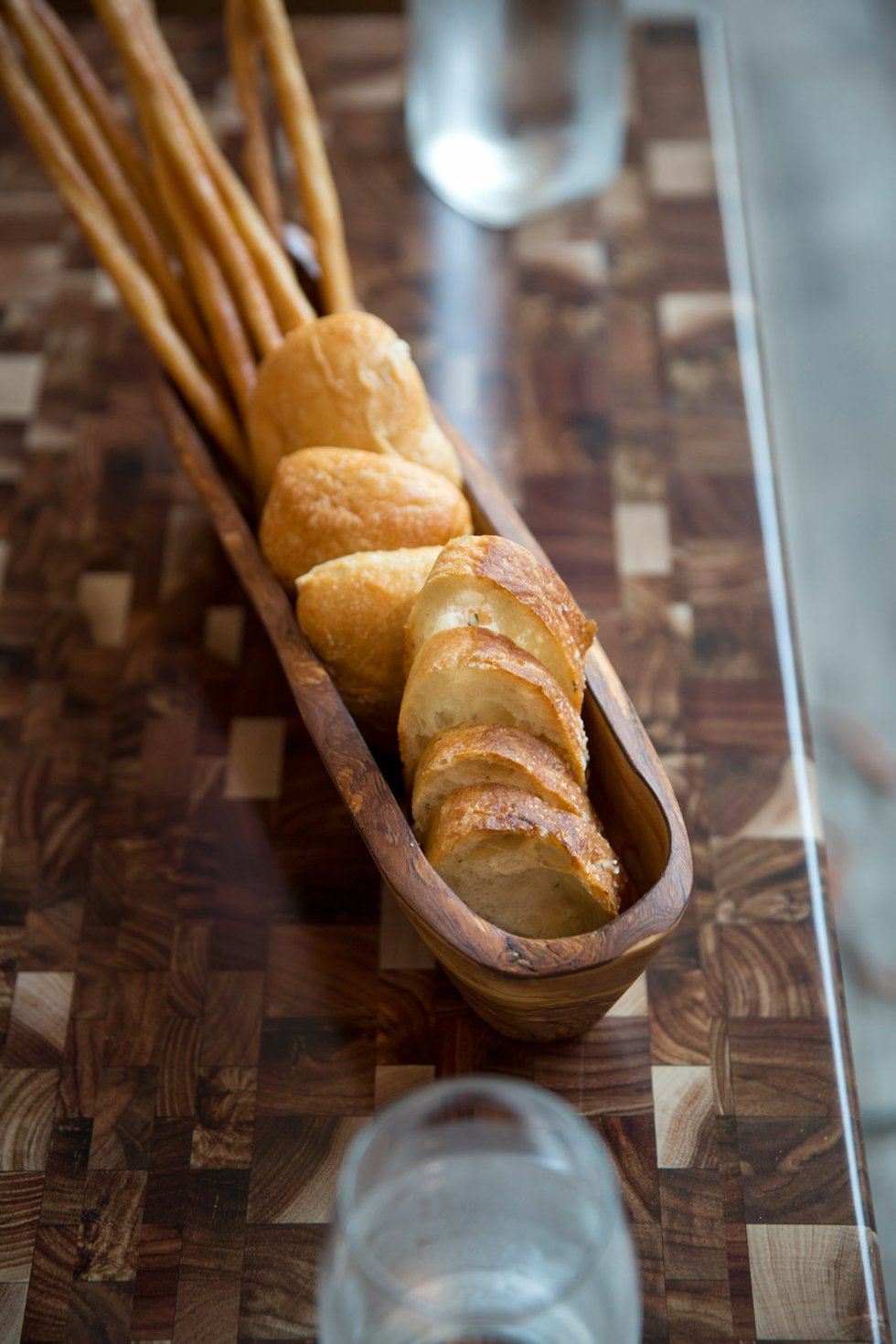
The bread basket—a combination of ciabatta, grassini, and regional breads—comes with olive oil (EVOO and Calabrian chili pepper-infused), balsamic, and fresh-grated Parmesan. The bread service at dinner is gratis. Considering that all entrées are priced under $25 (and half-orders of pasta are available), a meal at Cibare is one of the best values in town.
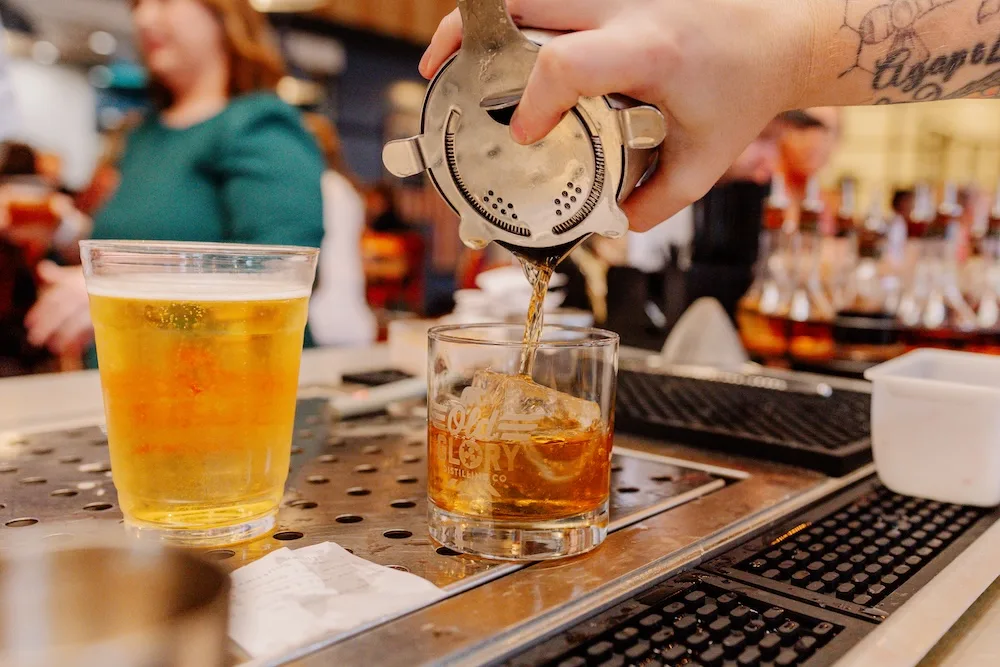
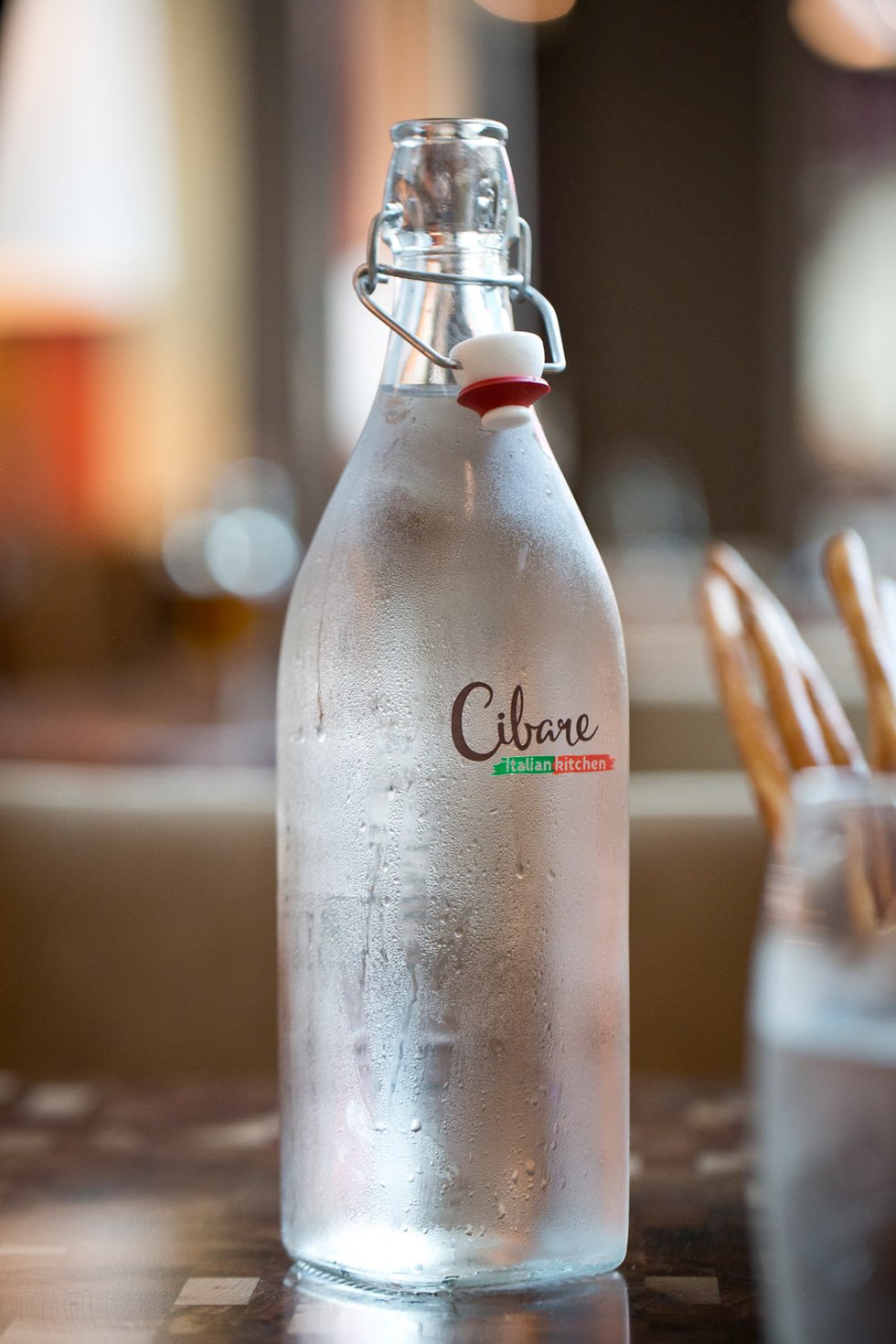
No one will ever complain about the water either: Cibare enlisted AquaHealth to install a custom filtration system. The company’s mission is noted on the back of the bottles. Should the preference be a beverage with a little more oomph, there are 11 by-the-glass wines (in 6- and 9-ounce pours), as well as a dozen by-the-bottle options and an equal number of bottled beers, including Peroni and Birra Moretti. The cocktail list includes the expected Bellinis and Negronis, as well as a handful of signature cocktails, such as the Kentucky Meets Italy, containing Maker’s Mark bourbon, Aperol, amaro, and lemon juice.
Cibare is an affordable, approachable restaurant alternative that presents a vibrant addition to the metro area. “We knew we needed to be different,” Schlink says. “That’s one reason we’re doing things like staying open until midnight on Friday and Saturday.”