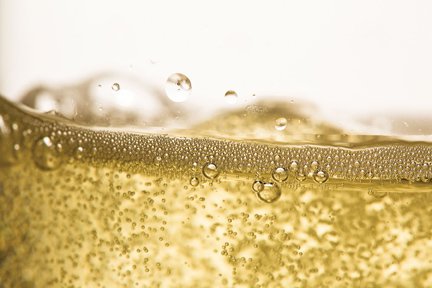
Today might be as exciting a time as ever for Champagne. It’s no longer considered a beverage only for celebratory times but instead is treated equally alongside its still counterparts at the dinner table. This is no coincidence: Today, the French region of Champagne is rapidly evolving, with sparkling-wine producers working tirelessly.
These days, grower Champagnes—artisanal, terroir-focused products from smaller vineyards—seem to be all the rage. Not taking this lying down, larger Champagne houses have found interesting ways to compete. In mid-2011, Krug announced that a special six-digit “Krug ID” would adorn all of its bottles, providing a way for customers to find out the quarter in which the wine was released, the year of disgorgement, and the batch—making even the biggest-production wine seem small and unique.
Find the best food in St. Louis
Subscribe to the St. Louis Dining In and Dining Out newsletters to stay up-to-date on the local restaurant and culinary scene.
Dom Pérignon recently followed suit. It changed a confusing term, “Oenothèque”—referring to late-release wines—to “P2,” something that’s easier for the masses to understand. Chef de cave Richard Geoffroy believes that Champagne goes through distinct stages called plénitudes; after 10 to 15 years, Dom Pérignon enters into its second plénitude, or P2. The next stage, P3, begins between 30 and 40 years. Like other changes to come throughout the Champagne region, the P3 will surely be mind-blowing.
Buying Bottles
Whether you’re celebrating Valentine’s Day—or just want to sip some Champagne for no particular reason—here are two bottles worth checking out, both available sporadically at The Wine & Cheese Place.
Dom Pérignon P2 1998
A sure collector’s item, this $350 Champagne is worth seeking out. Lemon and yellow apple provide an intense floral bouquet of citrus with the power of a bodybuilder and the agility of a hummingbird. Released last summer with much fanfare, the P2 is the inaugural edition of an ever-evolving brand.
Krug Grand Cuvée MV
At $180, the Grand Cuvée might be less expensive, but it’s no slouch. Rich and toasty, it has tons of baked citrus and a luxurious mouthfeel. A blend of as many as 15 vintages, with more than 100 different lots, goes back to 1990. This wine is like no other multivintage Champagne.