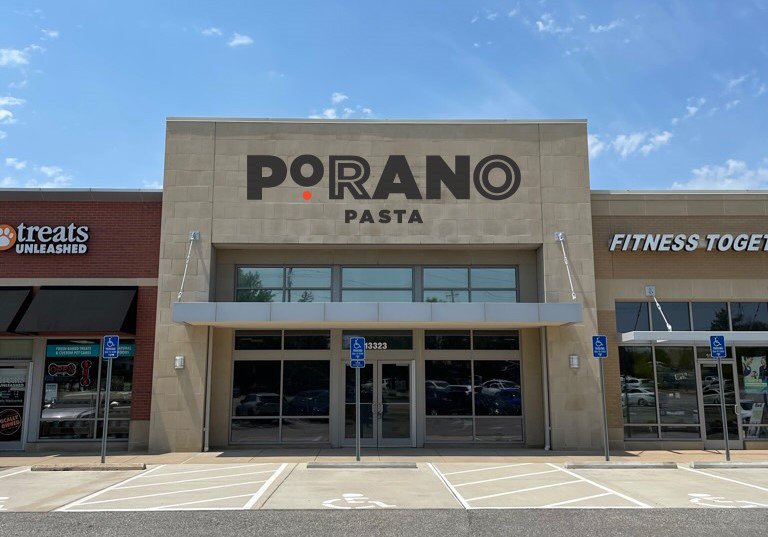
Porano, the innovative, fresh pasta–themed concept from Gerard Craft’s Niche Food Group that debuted downtown in 2016, will be resurrected in Des Peres in late March. When the restaurant closed in mid-2018, Craft wrote in a parting email, “another time, another place, who knows—we never say never.” Earlier this year, Craft announced that Porano would indeed reemerge and that three locations are slated to open in the next two years. The Des Peres location is slated to open in late March, with the tentative hours being 11 a.m.–8 p.m. daily.
The Atmosphere
Find the best food in St. Louis
Subscribe to the St. Louis Dining In and Dining Out newsletters to stay up-to-date on the local restaurant and culinary scene.
Niche Food Group recently signed a lease at 13323 Manchester, a former First Watch location in Des Peres Pointe, the same center as Trader Joe’s, Saint Louis Bread Co., and Chipotle. In a social media post, Craft teased the new location and solicited suggestions for the next two locations, which predictably were all across the board. Craft told SLM, “The Richmond Heights area is high on my list,” and he’s “not opposed to having a drive-thru or a pickup window.”
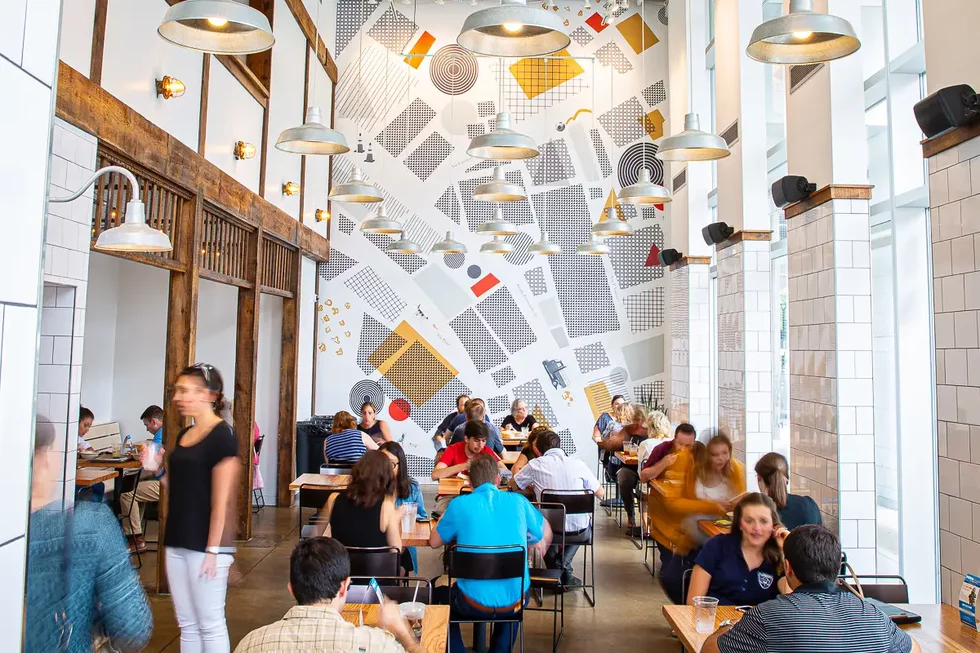
The Des Peres space is smaller than the former flagship space downtown (pictured above), with 3,378 square feet and seating for 60 (compared to 4,000 square feet and seating for 140). The décor—modern, light, and bright with plenty of white tile and playful murals—will be largely the same as its predecessor.
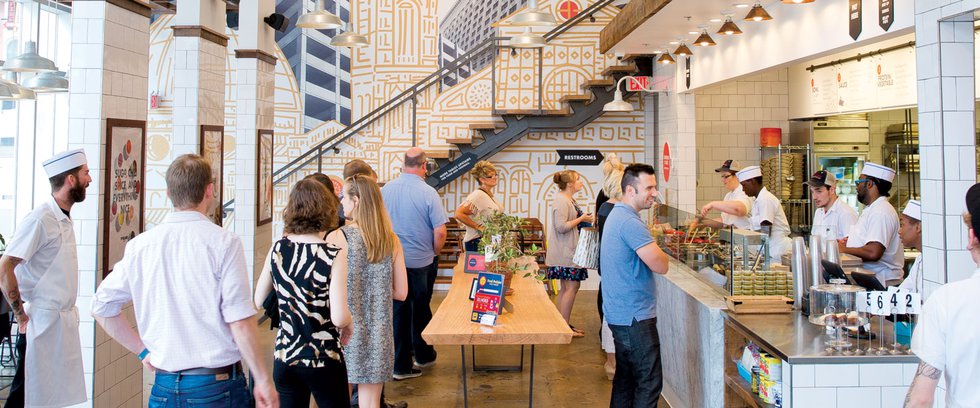
One of the differences between the former and new location will be the service method. Instead of walking the length of a counter to order and pay, guests will order from a person at the counter or do so at a self-service kiosk. “It’s just more efficient than having to shout your order over a piece of glass,” Craft says. “Plus, not having an exposed hot and cold food line allows us to keep ingredients fresher, which is our biggest priority—serving the freshest food we possibly can.”
Another key difference between the downtown location and Des Peres will likely be the clientele’s preferences, Craft notes. “We used to fill those 140 seats downtown every day at lunch,” Craft says. “It was the dinners that were slower. In Des Peres, we anticipate the flow to be steadier throughout the day and night.”
Pickup and delivery will be “a very big part of the mix—how big, we’ll have to see,” he says. And because Porano’s menu will have “a little something for everybody, it appeals to families,” he says. ”What’s more kid-friendly than a bowl of pasta or a pizza?”
The Menu
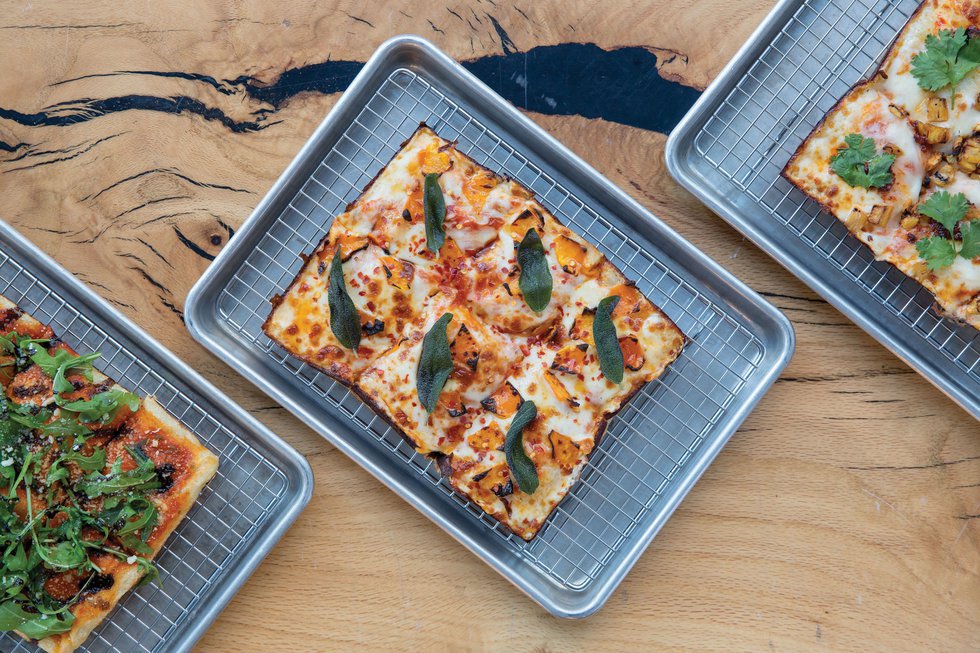
The menu will be similar to the earlier Porano concept, with a combination of a dozen composed pasta bowls, grain bowls, salads, and Detroit-style pizza, with the option to build your own in any category.
Porano’s order model is a three-stage process: Guests build a meal by choosing a base (pasta, farro, or lettuce), protein (brisket, chicken, pork shoulder, tofu, meatballs, or vegetables), and a sauce or salad dressing.
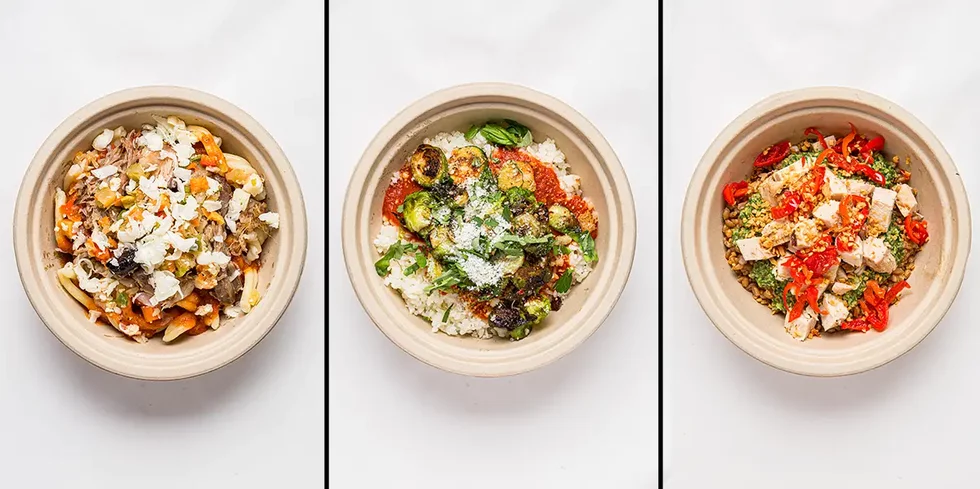
“Having it both ways worked well,” Craft says. “Some people like pre-set menu items, while others put together the craziest of combinations and order them every time. One guy put pomodoro sauce on a salad and loved it. When I announced Porano’s reemergence, I heard from people who still fondly remembered their custom orders.”
On the beverage end, popular Negroni slushies will reappear, as will non-alcoholic slushies and frozen drinks for kids.
The Backstory

Craft conceived Porano when respected chefs across the country were getting into the fast-casual game, serving the same quality fare that they were known for quickly and cheaply. The Wall Street Journal noted the phenomenon, reporting on new fast-casual ventures from seven of the country’s biggest chefs, including Craft and Porano, which the WSJ referred to as “lunch-break Italian” (somewhat of a misnomer, Craft says, as Porano will be tailored for dinner breaks as well). In this article, SLM cited seven reasons Porano Pasta was “unlike anything this town has ever seen,” including ease, selection, portion size, atmosphere, location, branding, and quality.
After two and a half years, however, Craft reluctantly closed the restaurant at the time, citing “lost convention business” as a contributing factor. “Selling convenience food requires convenient parking, which was always a challenge,” he recently told SLM. “Looking back, that was the No. 1 hurdle. On convention days, the line was out the door open to close. We could certainly have used more of those… But that was part of the problem, too—having fluctuating business levels is hard to prep for, staff for, and manage.” Since Porano’s closure, Craft has talked about resurrecting the brand.
In this article from 2015, Craft told SLM that all he wanted with Porano is a place that’s “simple, quick, delicious, honest, and transparent.” Speaking with SLM this week, he says, “It was—and still is—all that.”