Four restaurants have closed in St. Louis within the past seven days, all of them unique and special in their own way.
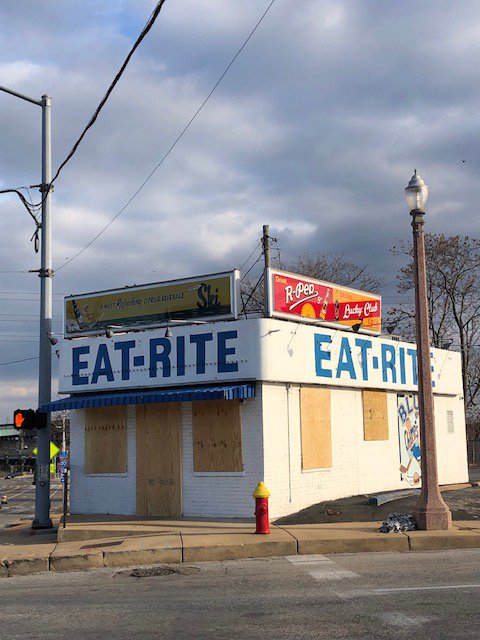
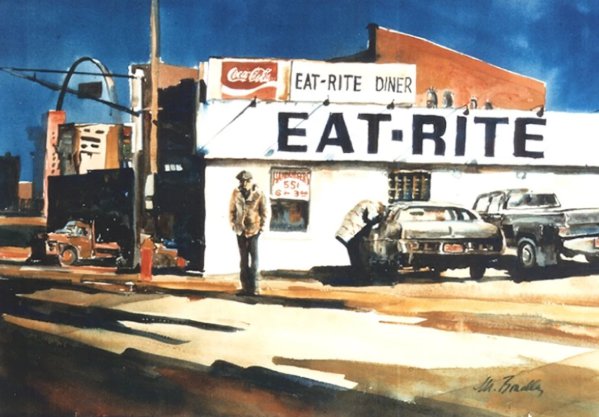
The legendary Eat-Rite Diner shut its grease-smudged glass door for good last Saturday, as KSDK first reported. Originally called the White Kitchen, the 516-square-foot shoebox of a restaurant anchored the corner of 7th and Chouteau for 85 years. Perched on its 12 stools, patrons would pound diner-style smashed burgers and slingers into the wee hours while drinking coffee from porcelain mugs that bore the diner’s battle cry, “Eat Rite or Don’t Eat At All.”
Find the best food in St. Louis
Subscribe to the St. Louis Dining In and Dining Out newsletters to stay up-to-date on the local restaurant and culinary scene.
Eventually, six Eat-Rites dotted the local landscape. The former South County location is now a Dave’s Diner, where owner Dave Rolf once washed dishes. The Jefferson County location (where some say the illustrious slinger was first served) is now Murphy’s Diner. And downtown’s White Knight (featured in the movie “White Palace”) was also a former Eat-Rite.
Alas, the last location to close was the Chouteau location, a building that’s considered a Route 66 landmark.
Ironically, the store had also closed in 2018, but Joel and Shawna Holtman resurrected it. “It’s a lot of money and a lot of work,” Joel Holtman told the Riverfront Times in 2018. “However, we’re here to save this part of St. Louis history. I didn’t want to see it torn down and turned into a parking lot for a baseball game. I want to see history live on.” Hopefully it will.
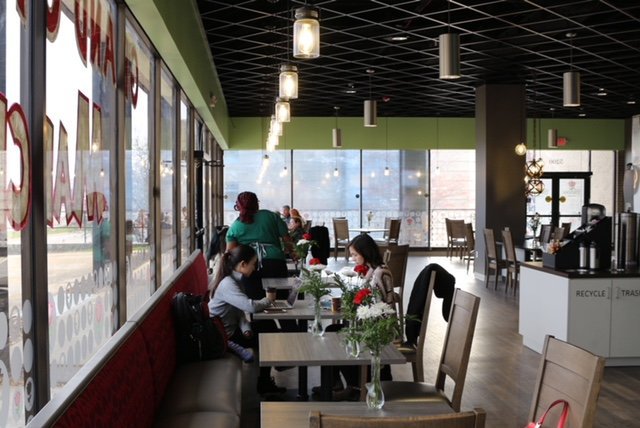
On December 17, a post on Bloom Café’s Facebook announced that it would be closing after service the following day. The restaurant was spearheaded by Paraquad, a local nonprofit that for years has aided people with disabilities to improve independence. Located at the organization’s headquarters on Oakland Avenue, the café offered a three-stage job-training program. First, students attend 12 weeks of classroom-based lectures focused on culinary fundamentals, as well as hands-on training in a large teaching kitchen. Then, students participate in a paid internship in which they work in both the front and back of the house at the café, preparing the students to work in any area of the hospitality industry. Finally, Paraquad assists the students in writing résumés, preparing for interviews, and job placement.
The café’s Facebook post left a glimmer of hope. “We thank you for your past support,” it concluded. “Stay tuned for future announcements.”
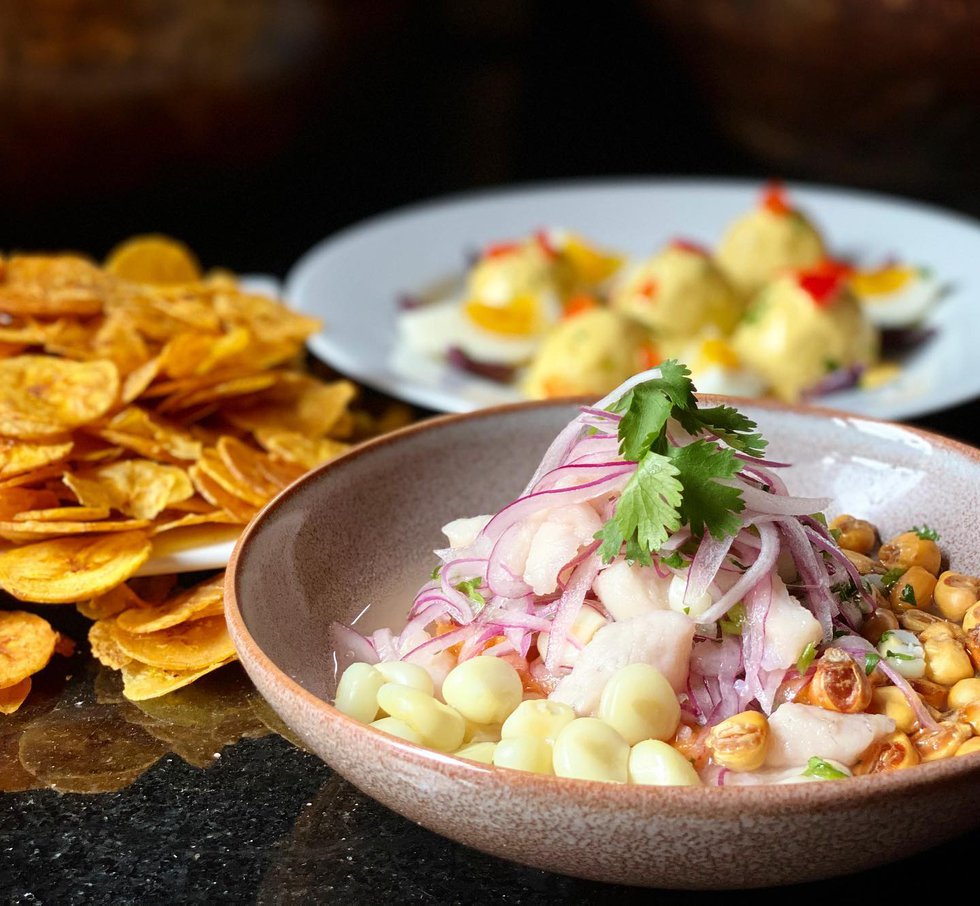
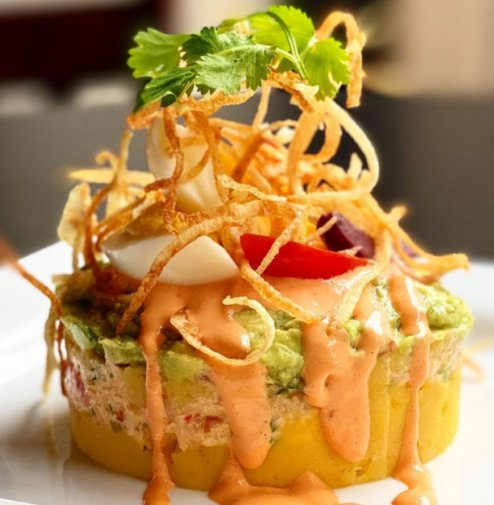
Several weeks ago, Jorge and Nori Calvo, owners of Mango Peruvian Restaurant, announced that its last day of service would be December 19. Launched in a storefront in Shrewsberry, Mango was the first local restaurant to feature Peruvian fare. The Calvos opened a second location in downtown St. Louis (in the former Mosaic space) and eventually moved the restaurant to a more visible location a block away, on the corner of 10th and Washington. Mango was praised and beloved. The Calvos are a charming and sincere couple. (Read SLM’s Q&A with them here.) We hope that Mango is not the last stop on a journey that began in Peru, where they owned four restaurants, before they moved to St. Louis.
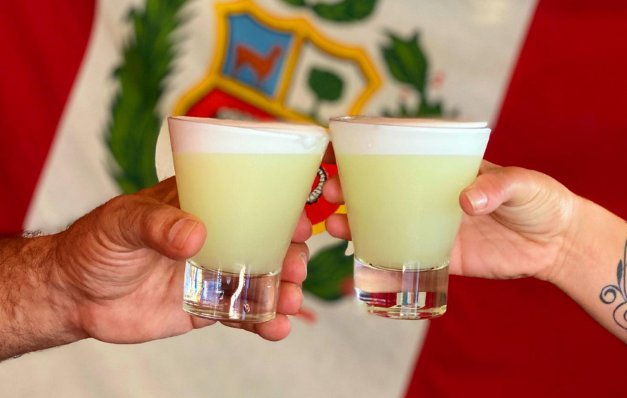
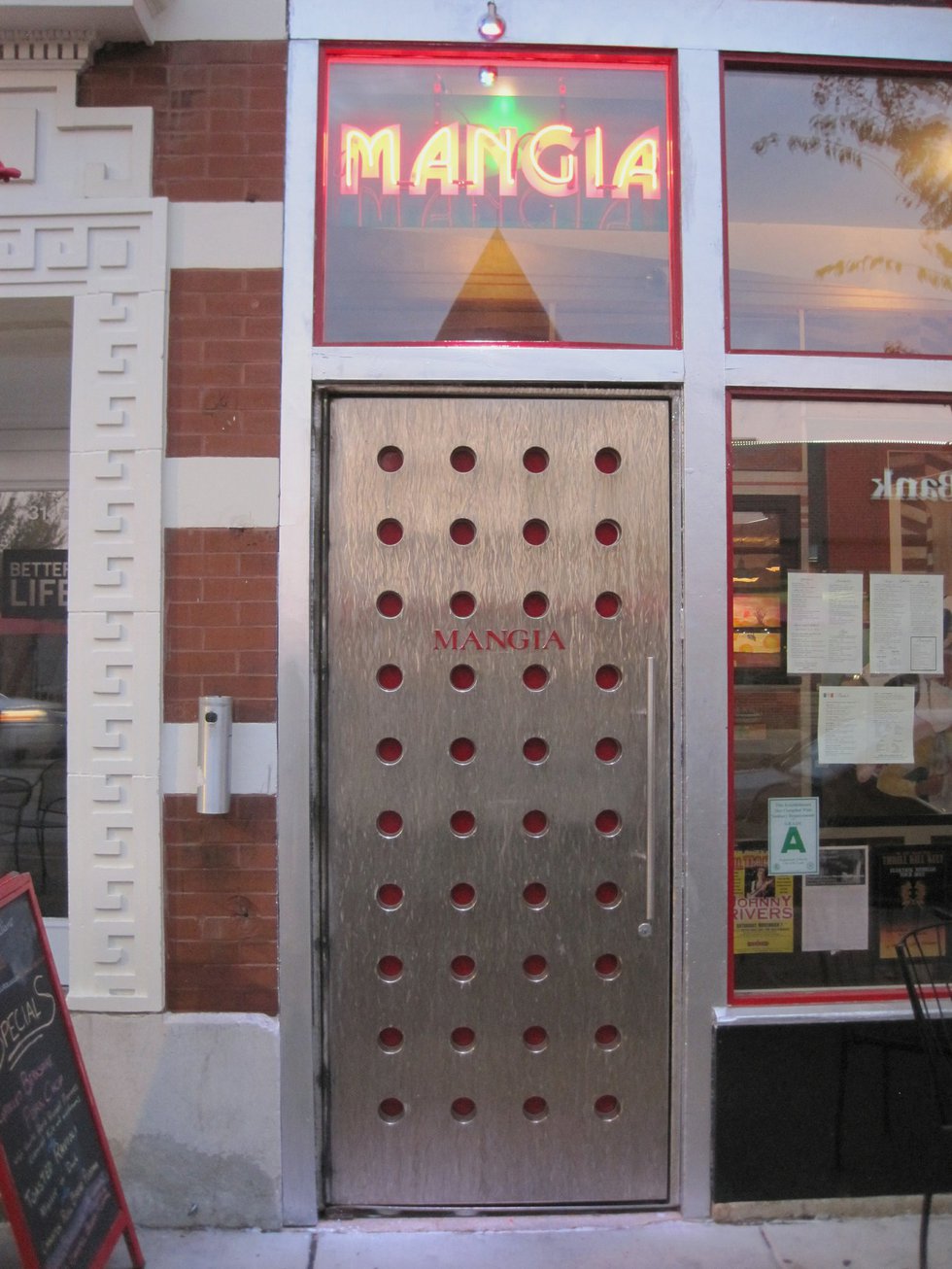
Earlier this week, Mangia Italiano, a 37-year staple in the South Grand dining district, announced its closure on Facebook. “It is with the utmost sadness that we must inform you that Sunday December 20th will be our last day of being able to serve you,” the post said in part. “While we have fought hard to weather this storm that is affecting us all, unfortunately we are unable to go on.”
Beginning as a fresh pasta shop and later transitioning to a full-service restaurant, Mangia was one of the first places in town (to our knowledge) to offer fresh pasta. An affiliated company, Midwest Pasta Co., became a major wholesaler to the area.
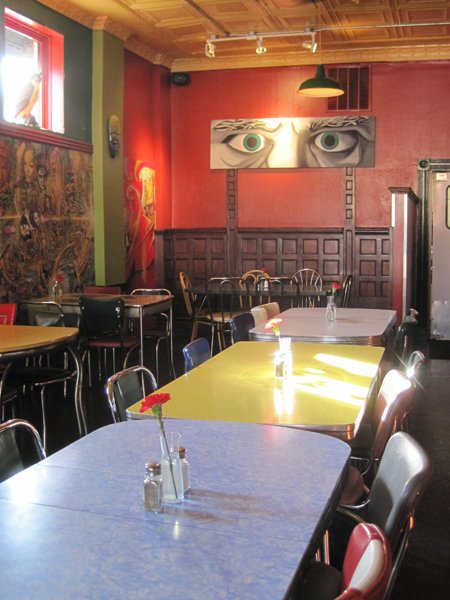
For a time, patrons could choose a spot on the formal white-tableclothed side or in a more casual room, marked by Formica tables, mismatched chairs, and the always-in-progress murals by local artist Wayne St. Wayne. Nightly live music was a feature, as was the late-night menu, which attracted industry types.
Anyone who visited Mangia remembered the experience. As with the other memorable restaurants that shut their doors this week, we’ll lament its passing.