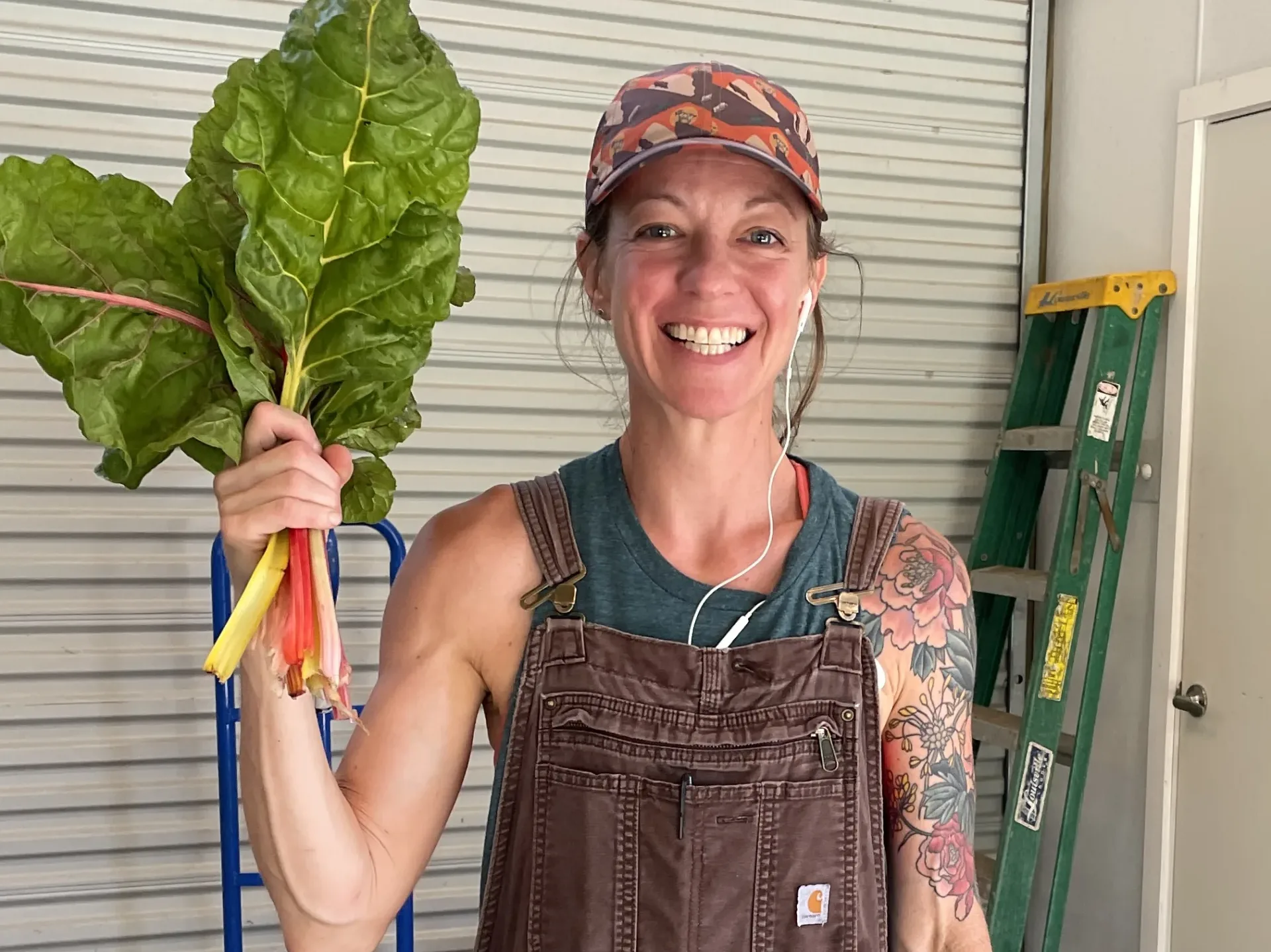
Located in the heart of Ferguson, EarthDance Organic Farm School is much more than a bastion of organic agriculture; it is a place where people gather in community to reconnect with the land. A teaching farm, first and foremost, EarthDance will begin its annual Spring Training for Gardeners series on March 12. (Registration for the full session closes March 11 at 11:59 p.m.; a la carte classes can be purchased throughout the session, which ends April 12). This combination online and hands-on, pay-what-you-can course is meant to give everyone the know-how they need to grow their own food and, according to EarthDance program and storytelling manager Jess Coffin, is a great way to shake off winter energy and reconnect with the sun, soil, and fellow gardening enthusiasts of all levels. In anticipation of the upcoming session, Coffin shares some insight about why they believe growing food can be a wonderful way to nourish both the body and the spirit.
For those of us new to gardening, and maybe feeling a little intimidated, what encouragement do you have to get us over that hump? I hear you on that fear of not being successful, but one thing to keep in mind is that people have been growing food for a very long time. Food has been growing for a very long time. There are definitely tips and trips to it, but I believe it’s easier than most people think. Anyone can do it, if you have the resources—I don’t want to discount that. And you’re probably going to make mistakes—we do! Failure is part of the process. Everything we do at EarthDance is experimental; we are a teaching farm, and we are always learning new things to share with people. That’s why our classes are such a good opportunity; we show you that anybody can do it. Being in community and connection with other people who are learning to grow food is a wonderful way to get into the community building aspect of it. We all learn from each other.
Find the best food in St. Louis
Subscribe to the St. Louis Dining In and Dining Out newsletters to stay up-to-date on the local restaurant and culinary scene.
What are some things that are important to think about before you begin your garden? First, think about your resources. Depending on your space, you can do a whole raised bed or plot of land, or you can even start with just one pot. But resources aside and included, I think it’s always a good idea to start small and then think of what you want to grow depending on what you have in terms of time and capacity and how much food you are going to use. I’ve had years where I’ve let cherry tomatoes shrivel up and fall off because I was too busy. It’s important to consider how you can be as efficient and abundant as possible. You can start as small as one pot or one type of plant. I think a lot of times there are particular foods that people have an emotional attachment to and really love; I think it’s good to pick one if you are brand new so that you can have success and are encouraged in your journey.
What are some things we should be thinking about this time of year to get ready for the upcoming growing season? This time of year you can start to prepare your garden space, and if you are starting seeds, now is the time. One thing to note is that soil is very important. If you are in an urban setting, it’s really important to do soil testing if you are growing directly in the ground. Especially in the city near vacant lots, you’ll want to get things checked out if you don’t know the lot’s history. A lot of times, buildings get razed into the basement and then covered over; you can grow healthy soils by adding organic matter, but lead won’t go away, so it’s really important to know if it’s present. A way to get around this is to do container gardens or raised beds.
Would you recommend starting from seed or using starts? Starting from seeds really takes the right elements; some are easier than others, but if you are going to start from seeds, this is the one thing where it is beneficial to take a class or do research, rather than just putting it in the soil and seeing what happens. You can do that and experiment with trial and error, but it can be trickier because they all have varying needs. There is nothing wrong with doing transplants, which is what it’s called when you begin with a healthy start. It is a really good way for beginners who don’t take a class to have a successful growing season. Even experienced gardeners start with transplanted seeds that have been started by experienced farmers.
Are there any plants or vegetables or fruits that you recommend for someone who is just beginning? This is such a personal question because people who grow food have different opinions about what they love. I personally love to grow herbs; basil is pretty hearty and easy. Cherry tomatoes can be easy and delicious. The thing about tomatoes is they can be pretty disease-prone, but if they don’t have a fungal disease—and you can do things to prevent that—then they can be super abundant. Okra is another one that I really love to grow. I didn’t grow up eating it, but it can be super abundant and has these gorgeous flowers. Peppers, like lunchbox peppers, can be pretty easy if you are looking for a good starting place.
What do you think is so special or beneficial about growing your own food? It will taste so much better and be fresh and ready for you. Also, if you grow the way we teach folks, your food will be more nutrient-rich. From a culinary perspective, fresh, the most delicious, and the most nutrient-rich are big wins. I also truly believe that small farms and gardens can feed our communities. Part of growing your own food is about reconnecting. How many generations back do you have to go in your own family to find people who had green thumbs? Not that far. We all have it in our DNA.