This time of year can be an odd time for cooking—and not just because of wild temperature swings that can make it go from beef bourguignon to gazpacho weather in the course of a single day. For those who try to align their cooking with the seasons, this “not-still-winter, not-yet-spring” time of year can feel like an ingredient dead zone. Root vegetables and hearty greens align more with late-fall and early winter and spring produce has not yet sprung. What is a cook to do?
Justin McMillen, chef at Noto and the founder of Elsworth Supper Club, has some creative ways to navigate this in-between season that allow you to embrace the time of year for its own particular beauty. Some involve a little advance planning and need to be started a few months earlier if you want to completely DIY them; others center around produce and ingredients that don’t often get the chance to shine on their own. Whichever one of his following recommendations you decide to try, McMillen believes that this time of year can help you hone your culinary creativity by forcing you to think beyond what is obvious and push yourself to try things you might overlook during peak produce season.
Find the best food in St. Louis
Subscribe to the St. Louis Dining In and Dining Out newsletters to stay up-to-date on the local restaurant and culinary scene.
Mushrooms. “If you want to use local ingredients right now, mushrooms are the way to go,” McMillen says. Thanks to local purveyors like Ozark Forest Mushrooms and Mushrooms Naturally, St. Louis cooks have good access to a wide range of interesting varieties that all serve different purposes on the plate. One of his recent dishes is a play on saltimbocca that involves a cured duck breast glazed with black truffles, honey, Szechuan peppercorns, orange, cloves and thyme served alongside king trumpet and oyster mushrooms. “I want to use the most obnoxiously large mushrooms I can find, because they make the plate look meaty, and there is so much umami flavor that comes out,” he says.
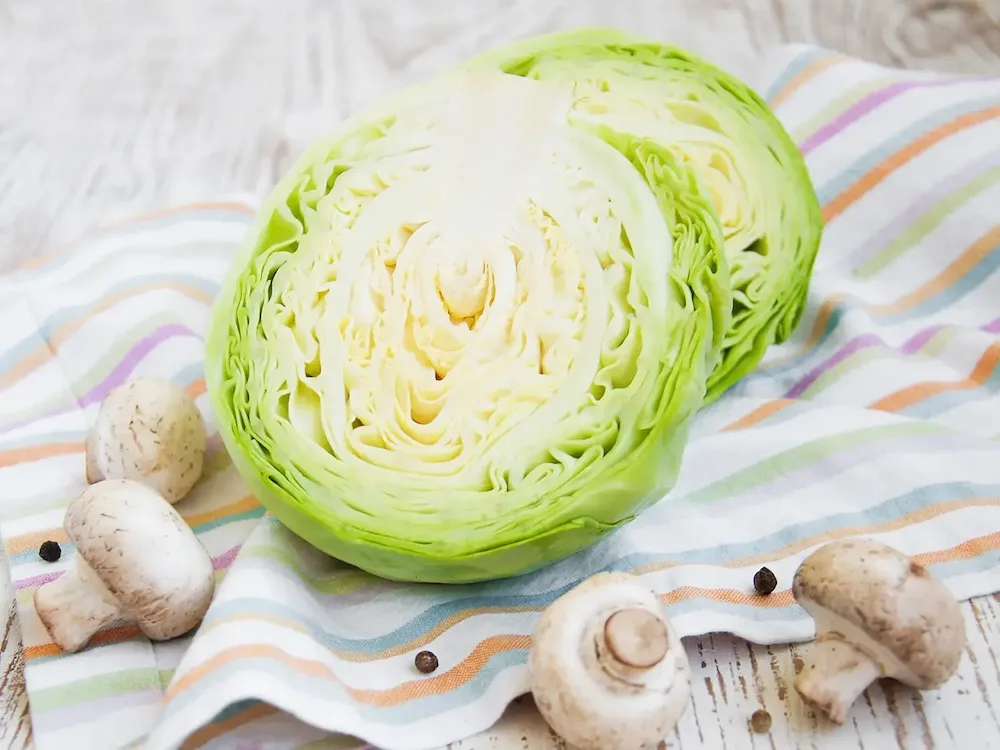
Cabbage. If you looked at any food publication at the beginning of January, you likely came across declarations that 2026 is the year of the cabbage. For McMillen, using cabbage this time of year is not trendy; it’s smart. “Cabbage is so versatile, and you can do a lot of different techniques with it,” he says. He’s especially excited about the way that chefs Elliott Brown and Brandon Panosh are preparing the vegetable at their Midtown restaurant, Scout’s. Their dish involves charring the cabbage, then pairing it with a luxurious ‘nduja cream sauce, which results in a spicy, smokey, earthy melange of flavor. McMillen also recommends a simple, three-ingredient preparation that is shockingly flavorful. “Cut it into quarters, rub it down with dijon and season it with salt,” McMillen says. “Cook it low and slow, then give it a hard sear on the grill to finish it. It’s just three ingredients, but the flavors are so complex that it’s one of my favorite bites.”
Out-of-the-box pestos. While a traditional basil pesto screams peak summer, McMillen also loves a play on the popular sauce/condiment using heartier, more cold-weather friendly ingredients. Recently, he made a kale pesto with sunflower seeds subbing in for the usual pine nuts, though he suggests playing around with any other hearty greens and combinations you can find right now in the produce aisle or at the farmers market.
Preserved lemons and limes. McMillen is consistently shocked by the depth and complexity of flavor that preserved lemons and limes can give a dish, and he urges everyone to keep a jar of them on hand. “You are breaking down the pectin and taking away the bitterness, so you can utilize the whole lemon,” McMillen says. He’s especially fond of an Indian-inflected method of preserving limes, which uses salt, sugar, cumin, fenugreek and black pepper. “Bury the limes in a glass jar and let it sit for at least six weeks,” he says, though the one he is currently using has been sitting for two years, resulting in a complex, jelly-like texture. “It’s so good and beautiful; it’s like nothing I’ve ever tried,” McMillen says. And while DIYing your own preserved citrus takes advance planning, McMillen suggests checking out your local farmers market to source this mighty condiment.
Sorghum. McMillen loves the depth of this locally-sourced molasses-like syrup and finds that it can add a lovely touch to dishes this time of year. He recommends using it to make a sauce with smoked Japanese rice wine vinegar and koji, tossing it with gnudi (an Italian dumpling similar to gnocchi) and topping it with ricotta and pancetta for a deeply satisfying, seasonal pasta.
Watercress. If this season has one ingredient associated with it, it’s watercress. “It’s the first life of spring,” McMillen says, noting that the fluctuating cool and warm temperatures create the perfect conditions for it. It’s a short season, but if you can find the green in the wild, it’s totally worth it. “Whether you use it fresh or finished into a sauce, it can bring notes to a dish that you didn’t know it needed and helps it move past being a simple dish.”
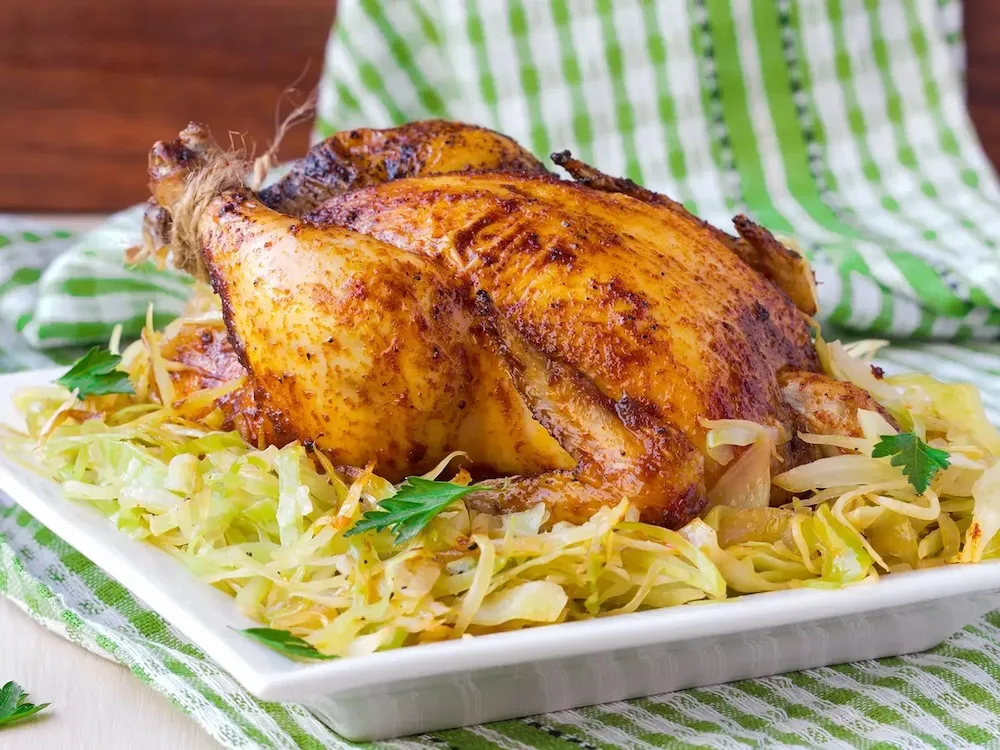
RECIPE: Roasted Chicken Over Cabbage
What makes cabbage such a beautiful ingredient? The ability to act like a flavor sponge for whatever it’s being cooked with. In this recipe, adapted from Smitten Kitchen’s “Roast Chicken with Schmaltzy Cabbage,” it’s luxuriously rich, butter-fortified chicken drippings that imbue the humble vegetable with mouthwatering, savory depth. Serve it with roasted potatoes (which you can add to the pan), and you have a crowd-pleasing feast that is as simple to make as it is delicious.
Ingredients
- 1 head of green cabbage
- 1 Tbsp. olive oil
- 1 whole chicken or combination of chicken thighs and drumsticks (roughly 3 pounds)
- 4 Tbsp. unsalted butter
- Salt and pepper to taste
Directions
- Preheat the oven to 450 degrees.
- Cut cabbage in half, then slice each half into 1-inch thick slabs.
- Coat the bottom of a large cast-iron skillet (or other roasting pan) with olive oil.
- Arrange cabbage slices flat into the bottom of the skillet. Make sure they fit tightly. Season with salt and pepper.
- Pat chicken dry, and rub with 1 tablespoon of melted butter. Season generously with salt and pepper. Place atop cabbage, breast side up.
- Roast for 45–60 minutes, spooning the chicken and cabbage with melted butter a few times throughout the cooking process.
- Cook to 155 degrees (at the thick part of the breast).
- Remove chicken from cabbage, and let rest.
- Flip cabbage in the pan, and return it to the oven for 5-10 minutes or until the edges turn dark brown.
- Remove cabbage, carve chicken, and enjoy!