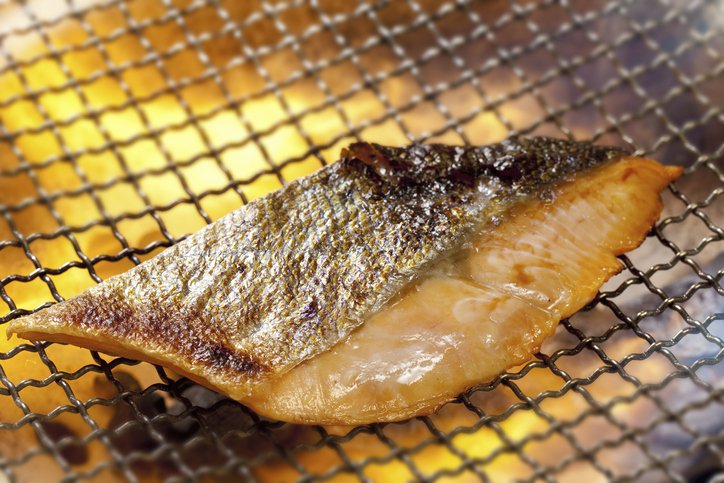
When served a fish entrée with the skin still on it, should you eat the skin? —Suzi M., St. Louis
In years past, fish entrées tended to be served skin side down or on the side (if the skin was served at all). The skin was left on for stability and ease of handling, though not necessarily for consumption.
Find the best food in St. Louis
Subscribe to the St. Louis Dining In and Dining Out newsletters to stay up-to-date on the local restaurant and culinary scene.
In the past 15 years or so, as chefs realized the importance of fish skin as a food source, they treated it with as much reverence as the flesh. Fish is a great source of omega-3 oils (present in both the skin and the flesh), which contributes to physical and mental health.
And provided the fish is properly sourced, fish skin is safe to eat, one of the reasons that chefs tend to shy away from some farm-raised species.
It’s now commonplace for chefs to season and then sear the skin until crispy, then serve the fish portion skin side up. These days, a good rule of thumb is that if your snapper, bass, trout, or salmon is plated that way, the flavorful skin is intended to be eaten. Today, some avant garde menus include baked or crispy fried salmon skin as a standalone or use it in handrolls (as served at Nick Bognar’s indo, aming other places).
That said, certain fish skins just don’t taste all that great (just like certain cheese rinds). Monkfish, shark, swordfish, and tuna all have thick, tough skins, and, hence, another rule to live by: If you can’t easily cut through the fish skin with a fork, then leave it be.
Follow George on X, Instagram, his Arch Eats podcast, or send him an “Ask George” email at [email protected]. For more from St. Louis Magazine, subscribe, sign up for the newsletters, or follow us on Facebook, X, and Instagram.