Why is Chilean sea bass never available fresh in St. Louis? —Jim H., St. Louis
Let’s get the nomenclature out of the way first. Chilean sea bass does not typically come from Chile, and it’s not a bass. The proper name of the fish is Patagonian Toothfish, but it allegedly never sold well under such an ominous moniker. When it was given a more generic, nebulous name, its popularity soared.
Find the best food in St. Louis
Subscribe to the St. Louis Dining In and Dining Out newsletters to stay up-to-date on the local restaurant and culinary scene.
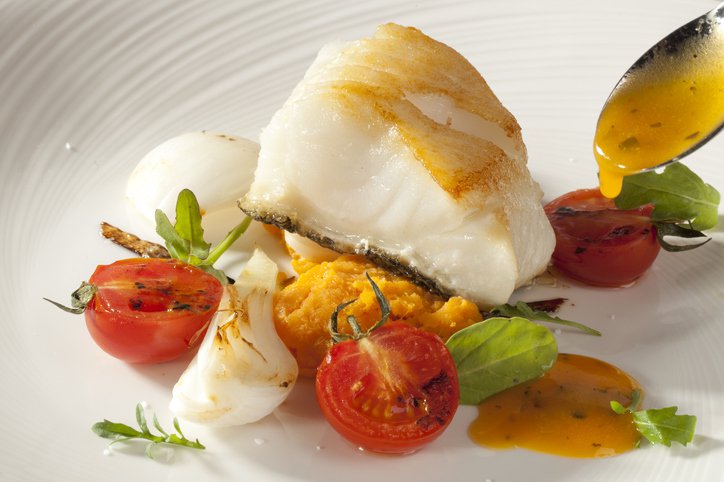
The snow white meat is sweet, fatty, buttery, and therefore distinctive in flavor. Due to high oil content, Chilean sea bass is very versatile and hard to overcook.
This particular species of toothfish is found in the cold, deep waters above the Antarctic Ocean, hundreds of miles off the southern tips of South America, South Africa, and Australia. The reason that Chilean sea bass meat is so incredibly white is that the fish lives at extreme depths (more than 3,000 feet), where visible light does not reach, making pigmentation all but impossible.
The fish are generally caught on long, weighted lines dropped from large, highly regulated, factory-owned ships and are immediately cleaned and blast-frozen, then shipped several weeks to months later (so any so-called “fresh” Chilean sea bass seen in the U. S. has almost certainly been thawed). The combination of the equipment and work required to harvest and process the fish, along with the shipping distance to the U.S. (more than 5,000 miles) are among the reasons for its high cost, both at fish markets and in restaurants.
In St. Louis, Starrs sells a steady but limited amount of Chilean sea bass every week at close to $40 per pound. “Despite it being the most expensive fish we sell, there’s still a market for it,” says owner Bud Starr.
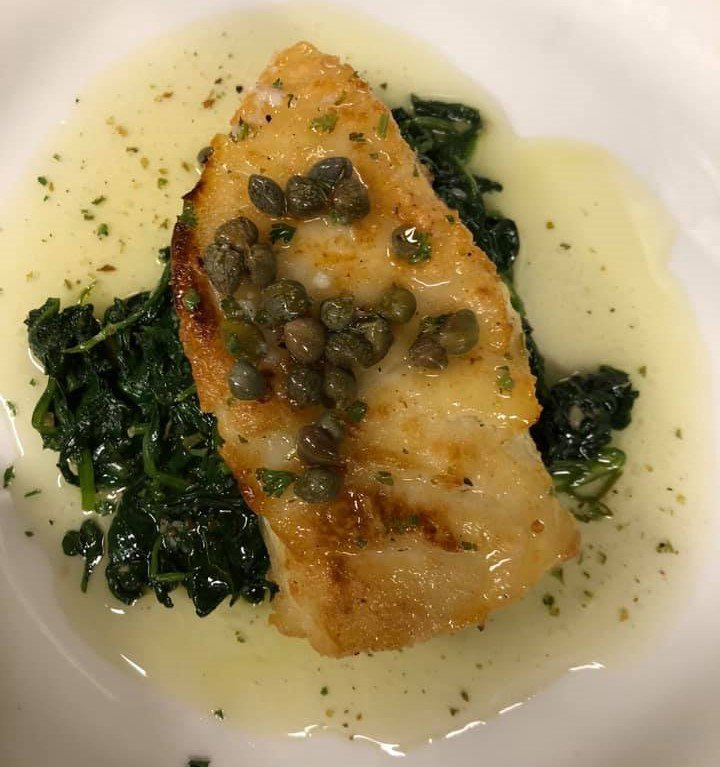
At Café Napoli, co-owner Kye Pietoso says Chilean sea bass, market-priced between $40 and $45, is the most popular seafood item at all three Napoli locations (in Clayton, Town & Country, and St. Charles). “In Clayton, we serve it the way my dad likes it,” he says, “‘Tony-style,’ over spinach with capers, lemon, and extra virgin olive oil. At the other locations, it’s served on a bed of risotto with a balsamic glaze.”
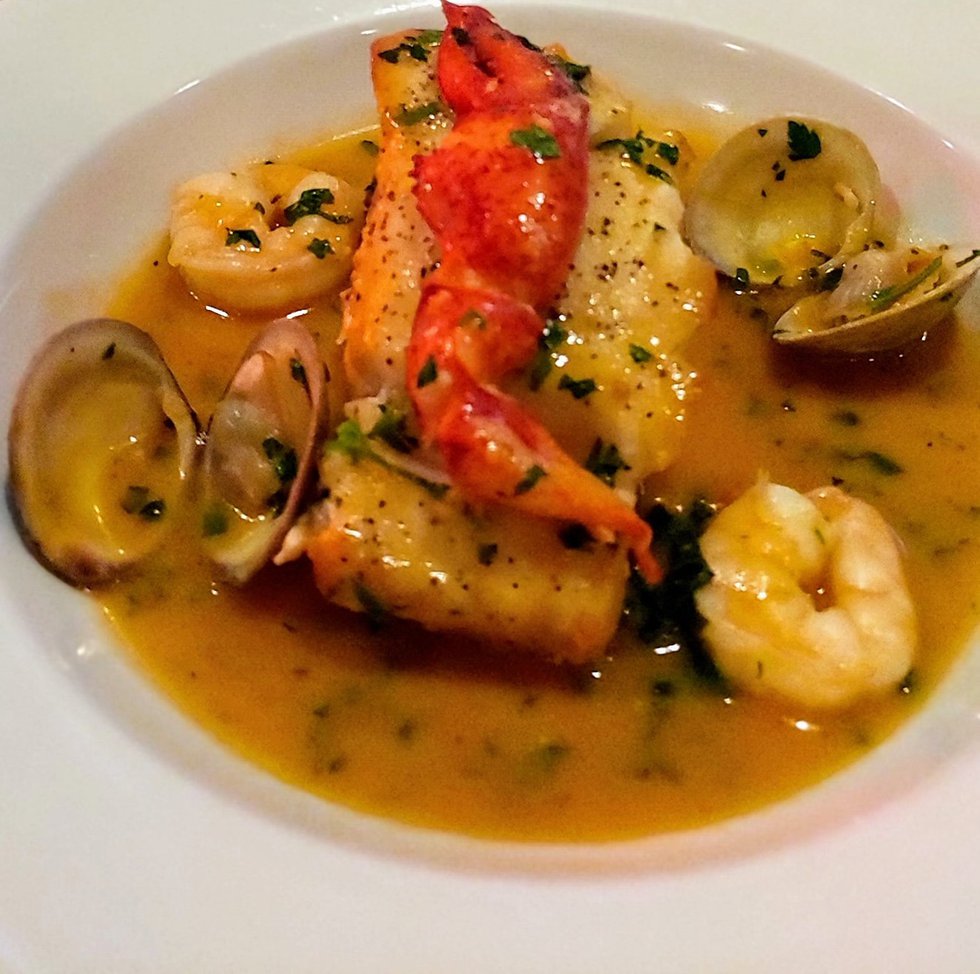
Roberto Zanti, chef-owner of Roberto’s Trattoria & Chophouse, serves the fish several ways. Among them, it’s served in a light seafood broth with shrimp, little neck, clams, and a lobster claw. Zanti’s favorite style is with shiitake, capers, roasted garlic, white wine, and lemon. “It’s expensive but very popular,” he says. “We’re giving it away at $48.”
Follow George on Twitter and Instagram, or send him an “Ask George” email at [email protected]. For more from St. Louis Magazine, subscribe, sign up for the newsletters, or follow us on Facebook, Twitter, and Instagram.