Are tasting menus having a resurgence? —Erin C., New York City
This question may have been prompted by a recent New York Times article, “The New Generation of Tasting Menus Won’t Test Your Patience (or Your Wallet),” which states that tasting menus—which in the past could be intimidating, expensive, and evening-long affairs—are now being offered in a less pretentious manner, at lower price points, and often with fewer courses.
Find the best food in St. Louis
Subscribe to the St. Louis Dining In and Dining Out newsletters to stay up-to-date on the local restaurant and culinary scene.
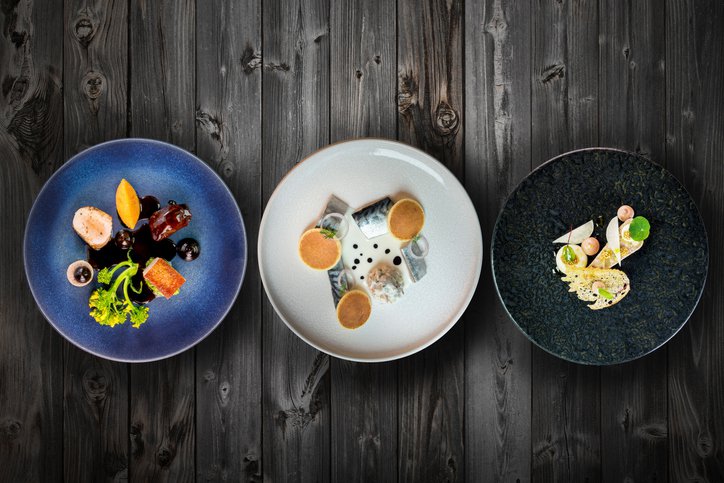
First, the nomenclature. Think of a tasting menu as a descendant of the prix fixe, which is a coursed meal for a fixed price that offers choices within each course. A tasting menu is more akin to a “chef’s choice prix fixe,” in which the chef chooses smaller portions of several items (as opposed to full courses) for a fixed price. In both cases, wine or beverage pairings are often available for an additional charge.
Call it a pandemic-and-beyond pivot, but recently some chefs across the country have been going all in with tasting menus, partly as a way to stay afloat, as tasting menus are predicated on specific food items and by customers making reservations, which streamlines planning, inventory control, and limits the raw material waste when standard menu items don’t sell.
Lasse Sorensen, the Danish-born chef-owner of Tom’s Place in Desoto, Illinois, recently switched completely to a tasting-menu format—seven courses for $75—which he knew was a radical shift for customers accustomed to a la carte–style dining.
“Tom’s Place is largely a destination restaurant where people pretty much know me already,” he says, “so not many people take issue with a menu made up of my popular items prepared slightly differently. In fact, they like the variety. I source the week’s ingredients, create the items, and post a weekly menu on Tuesday for Wednesday through Saturday service. My friends in Europe tell me that 90 percent of the restaurants are following this same model, which makes perfect sense, once you think about it. Food cost is lower, labor costs are lower, supply-chain issues are mitigated, and there’s almost no waste, which is important to chefs who want to be responsible to the world and its resources.”
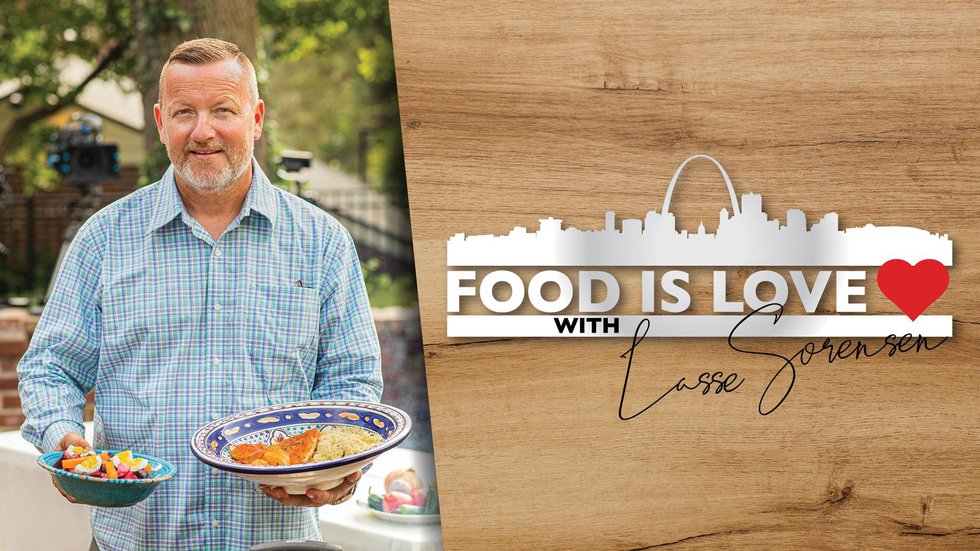
For any customers on the fence, Sorensen suggests, ‘If you don’t like it, I’ll buy it.”’ Since the switchover in June, he hasn’t bought a single meal. (Sorensen is also the host of a popular PBS series, Food is Love, which explores the cultural diversity of St. Louis’ food scene. Next year, for its third season, the series will be broadcast across the globe on PBS World Channel.)
Closer to home, there are also noteworthy tasting menu options:
- In addition to prix fixe menus, both The Crossing and Acero offer Chef’s Grand Tasting Menus ($125 and $95 per person, respectively) and have for a long time, as does Elaia ($150 per person).
- Predicated on its seven-course tasting menu, Rob Connoley’s Bulrush deserves its reputation as the zenith of experiential dining in St. Louis.
- At Blood & Sand, Jon Dreja offers five- and 10-course tasting menus, six nights a week.
- At newly opened snō, Tony and Jessica Nguyen are planning to convert their 40-seat overflow dining room into a tasting menu offshoot, “like, maybe eight courses for $88,” Tony says.
- A few weeks ago, The Lucky Accomplice introduced a five-course tasting menu (with a choice of main) on Sunday nights for $55 per person.
- Also this month, Juniper rolled out a three-course “tasting” menu for $49 (which is technically a prix fixe).
- And at Edera, chef Andrew Simon is happy to assemble a prearranged tasting menu at the private chef’s table, which brings up an important point: Upon request and with a bit of notice, many chefs will arrange a special menu (even if it’s not part of their regular repertoire) and feel honored when someone says, “Go ahead—just cook something for us. We trust you.”
Follow dining editor George Mahe on Twitter and Instagram, subscribe to his weekly newsletter, or send him an “Ask George” email at [email protected]. For more from St. Louis Magazine, subscribe or follow us on Facebook, Twitter, and Instagram.