Can and should you eat the rind on cheese? —Rachelle L., St. Louis
Cheese rinds are either made by humans (similar to wax and cloth) or natural. All can be eaten. It comes down to whether they should be eaten.
Find the best food in St. Louis
Subscribe to the St. Louis Dining In and Dining Out newsletters to stay up-to-date on the local restaurant and culinary scene.
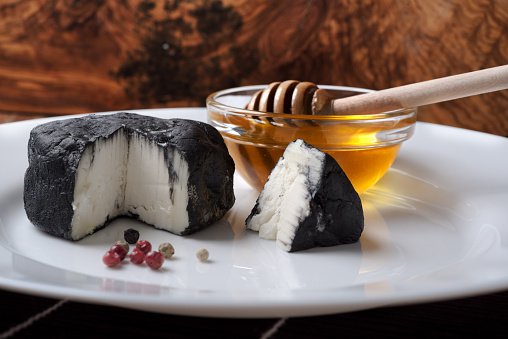
Rinds that are herbed, peppered, wine-infused, and coated in ash (including some French goat cheeses, such as Valencay) are meant to be eaten. The hard crust on a wheel of aged Parmesan is edible but better utilized as a flavor additive to soups and sauces.
Some cheesemongers tell us that “blooming rinds,” such as the soft, white rind found on Brie and Camembert are meant to be eaten, while others say no.
Simon Lehrer of Parker’s Table, one of the most experienced and respected cheesemongers in town, says that when he started in the business almost 30 years ago, one producer of Brie told him “absolutely not to eat the rind,” that “it’s the packaging, like the skin on a salami.” Another Brie producer told him, “If you don’t eat the rind, you’re missing half the work and half the flavor.”
The bottom line: It’s a matter of taste.
“Eat it if you like the flavor; skip it if you don’t,” says Lehrer. And while he admits that he generally enjoys the rind on a Brie, he “wouldn’t go back to the wheel just for those crusty bits.”
Lehrer says wax-bound cheeses, such as Gouda, contain a rind that “while edible is hardly delicious” and that Manchego, while considered an edible rind cheese, is coated with an egg wash, which provides a gloss but can also potentially be a magnet for bacteria.
Lehrer says cheeses bound in cotton cloth—so-called bandage-wrapped cheeses, such as cave-aged cheddar—”will give you a floss if you eat it all the way,” but most people give up long before that as that cheese “gets funky near the edge.”
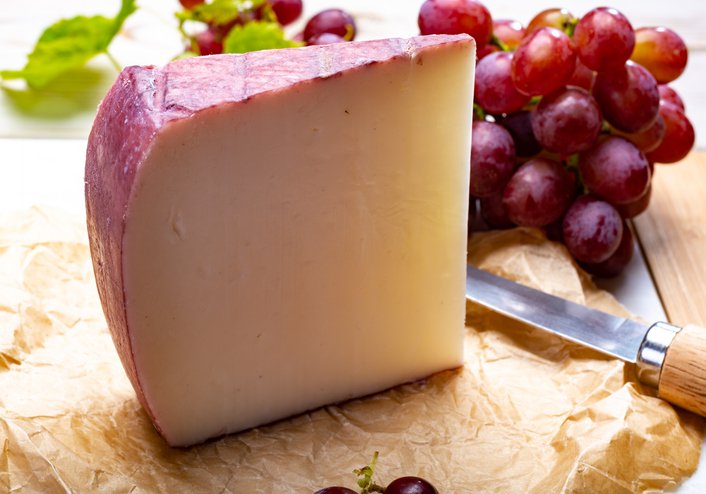
Other cheesemongers feel that some of the so-called “washed” cheeses (i.e., those bathed in a solution to promote ripening, such as drunken goat) produce the most flavorful rinds, while those washed in a strong brine solution result in a rind that, to most people, is too salty.
Then there’s internationally acclaimed cheese expert Daphne Zepos, who reminds us of a lesser-known cheese rind fact: “Dig into the heel” (between the cheese proper and the rind) as it’s the cheese’s “most vulnerable spot,” the area where the true taste of the cheese is found.
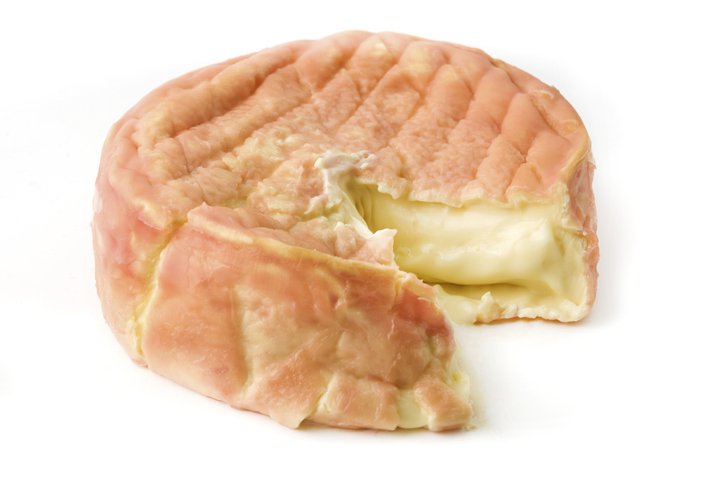
John Nash, wine and cheese advisor at Starr’s in Richmond Heights, is not a fan of consuming the rinds. “Technically, you can eat the rind on any cheese,” he says. “I wouldn’t recommend it, but it really does depend on the cheese. Personally, I do not like the rind on France’s stinky Epoisses cheese from the Burgundy region, but it’s more of a textural thing for me—I find it too gritty. On the other hand, I know people who love that particular rind.”
But Nash cracks the door open. “Follow your own palate and taste,” he says. “You can always try a little nibble and see if you like it. The best advice is to go to a shop with a dedicated, knowledgeable person behind the counter who can answer all of your questions—expertise that’s hard to find at big-box [stores] and even grocery stores. The bottom line is to trust the experts and your own taste.”
Follow George on X, Instagram, his Arch Eats podcast, or send him an “Ask George” email at [email protected]. For more from St. Louis Magazine, subscribe, sign up for the newsletters, or follow us on Facebook, X, and Instagram.