World-renowned architect and St. Louisan Gyo Obata died March 8. He was 99.
Obata was born in San Francisco and attended Washington University after his studies at the University of California, Berkeley, were interrupted by the internment of nearly 117,000 people of Japanese ancestry. At the time, Washington University was one of the few universities to accept Japanese-American students. Obata obtained his bachelor’s degree in architecture in 1945 and went on to attend the Cranbrook Academy of Art in Michigan, where he studied under Eliel Saarinen, the father of Eero Saarinen, the architect who designed the Gateway Arch.
Get a weekly dose of home and style inspiration
Subscribe to the St. Louis Design+Home newsletter to explore the latest stories from the local interior design, fashion, and retail scene.
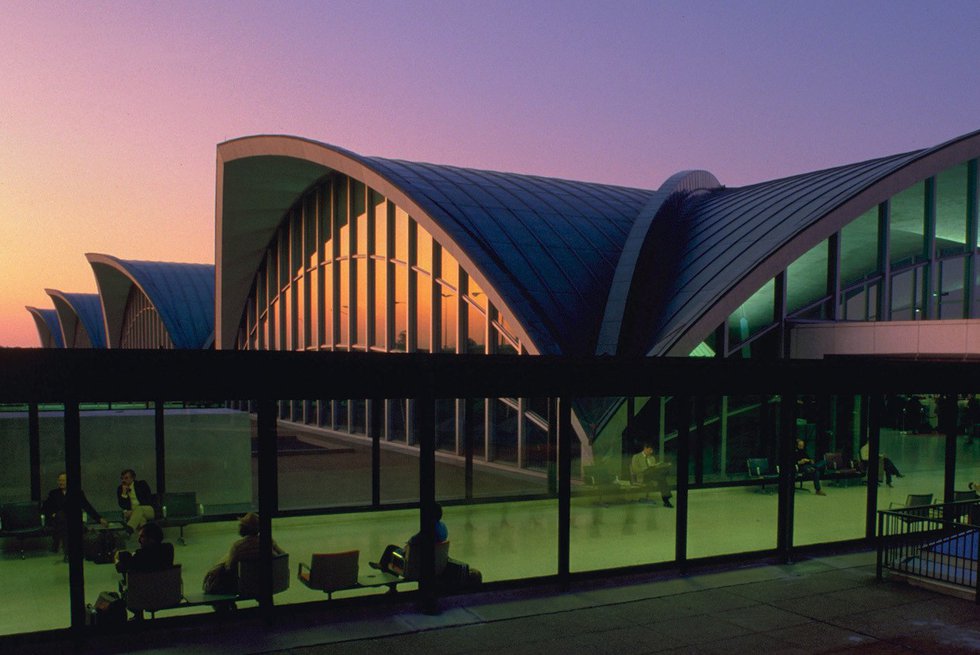
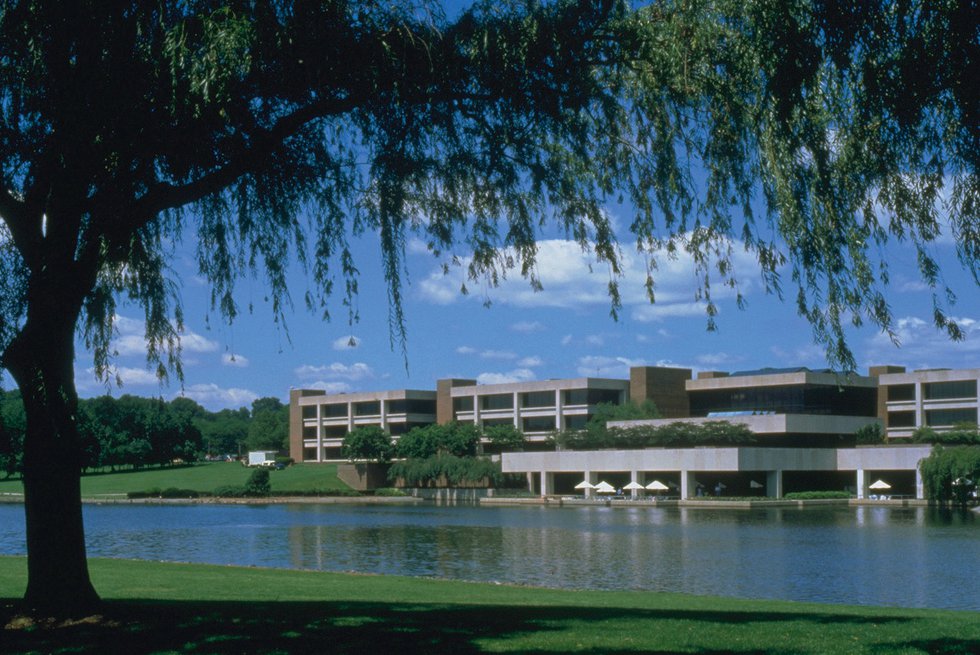
In a career spanning seven decades, Obata designed many world-famous structures, including museums, airports, and even a presidential library. In St. Louis, he designed the Priory Chapel at Saint Louis Abbey, the main terminal of St. Louis Lambert International Airport, James S. McDonnell Planetarium at the St. Louis Science Center, Missouri History Museum Emerson Center, and Centene Plaza, among many others.
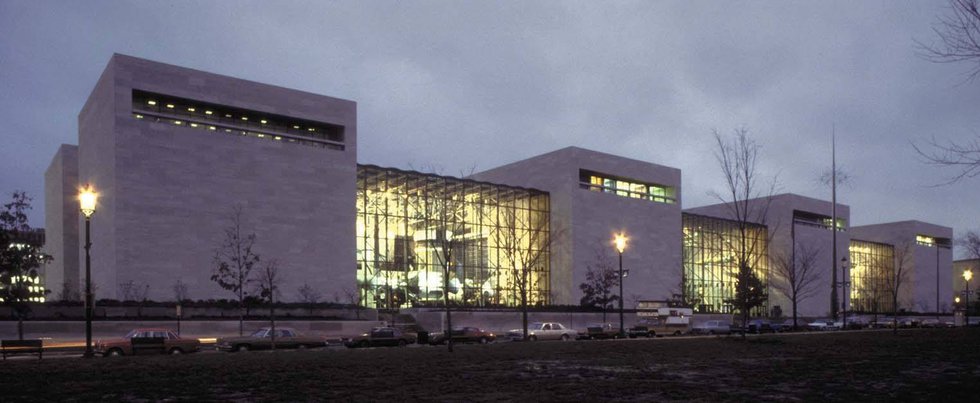
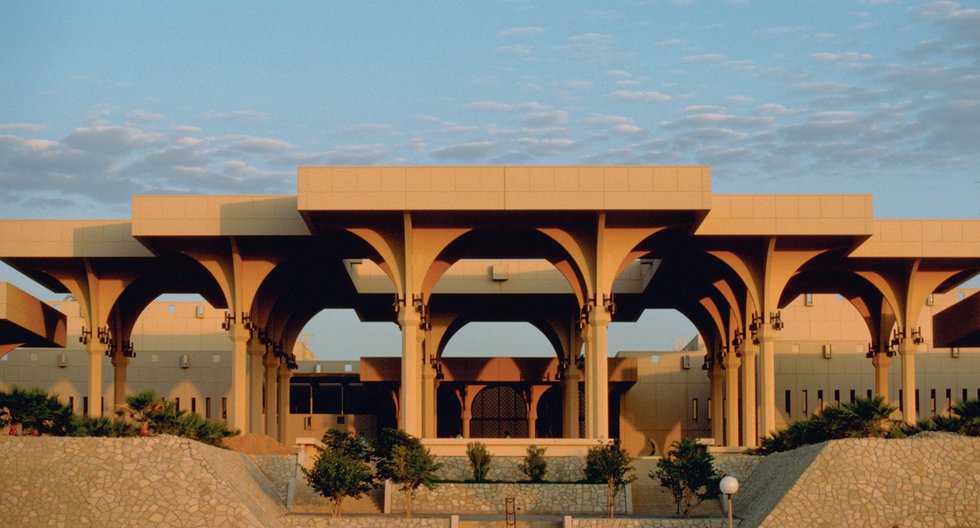
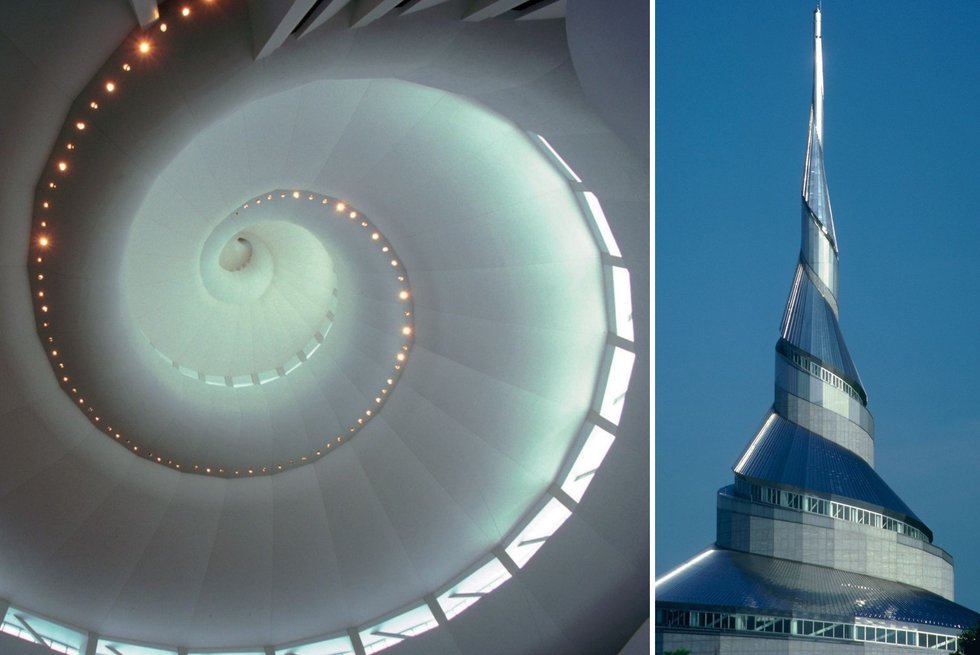
Other famous designs include the National Air and Space Museum in Washington D.C., King Khalid International Airport in Riyadh, Saudi Arabia, the Japanese American National Museum Pavilion in Los Angeles, and the Abraham Lincoln Presidential Library and Museum in Springfield, Illinois.
Obata was one of three co-founders of HOK (formerly Hellmuth, Obata & Kassabaum), one of the world’s largest, most respected architecture firms. Although he retired in 2012, Obata kept an office at HOK’s St. Louis location, where he continued to advise colleagues.
In Gyo Obata: Architect | Clients | Reflections by Marlene Ann Birkman, Obata noted, “My core philosophy as an architect and as a person stems from my earliest lessons as a boy: listen very carefully and understand what people want, work hard, and find the best ways to enhance the quality of life around you.”
Here’s a look at some of his most famous designs.