1. Make Up for Less Rain
The outdoor heat gets turned up a couple extra notches as we enter July, but the same cannot be said for summer rain. “If you have a new planting, you absolutely will need to water it once a week going through the growing season, which includes July,” says Susie Van de Riet, owner and founder of St. Louis Native Plants. Freshly planted trees, in particular, will need routine watering, as they are established and learning to adapt to hot temperatures. “Sometimes, if we water earlier in the day before the sun starts blazing onto the landscape, it’s less likely to end up with any leaf burn from water sitting on the leaves, but that’s not really a huge concern,” she says. The larger concern with watering too late in the day would be increased water loss to evaporation and kicking up of winds. There is some wiggle room in water timing, however, so it’s alright if on certain occasions you water in the middle of the day. “And give them a good soaking, not just a little sprinkle,” says Van de Riet.
Get a weekly dose of home and style inspiration
Subscribe to the St. Louis Design+Home newsletter to explore the latest stories from the local interior design, fashion, and retail scene.
2. Beware of Invasive Species
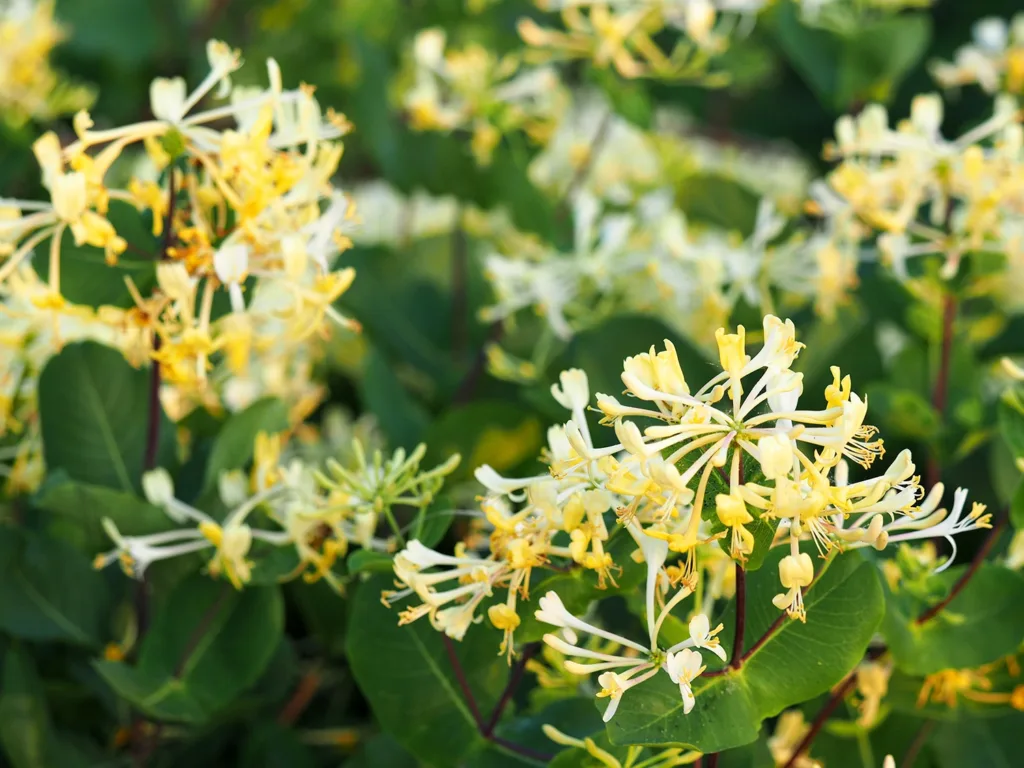
Don’t be fooled by a sweet-sounding name like Japanese bush honeysuckle. If its growth goes unmonitored over the summer months, they will eventually produce fruit, which can lead to birds having a feast—and then spreading post-feast onto other plants. This plant is just one example of an invasive plant species, and Van de Riet says that it’s important to keep them from making their way into landscapes. “This is a good time to go through and check, digging stuff up, pulling it, cutting it at least to the ground before it goes to the seed,” she says. Keeping control of invasive species and warm-season plants, like Bermuda grass and plantains, can save a bounty of time and future maintenance; don’t get too meticulous in the middle of a hot month like July, says Van de Riet. Just take a stroll and keep an eye on the garden for unwanted companions.
3. Stay On Top of Summer Haircuts
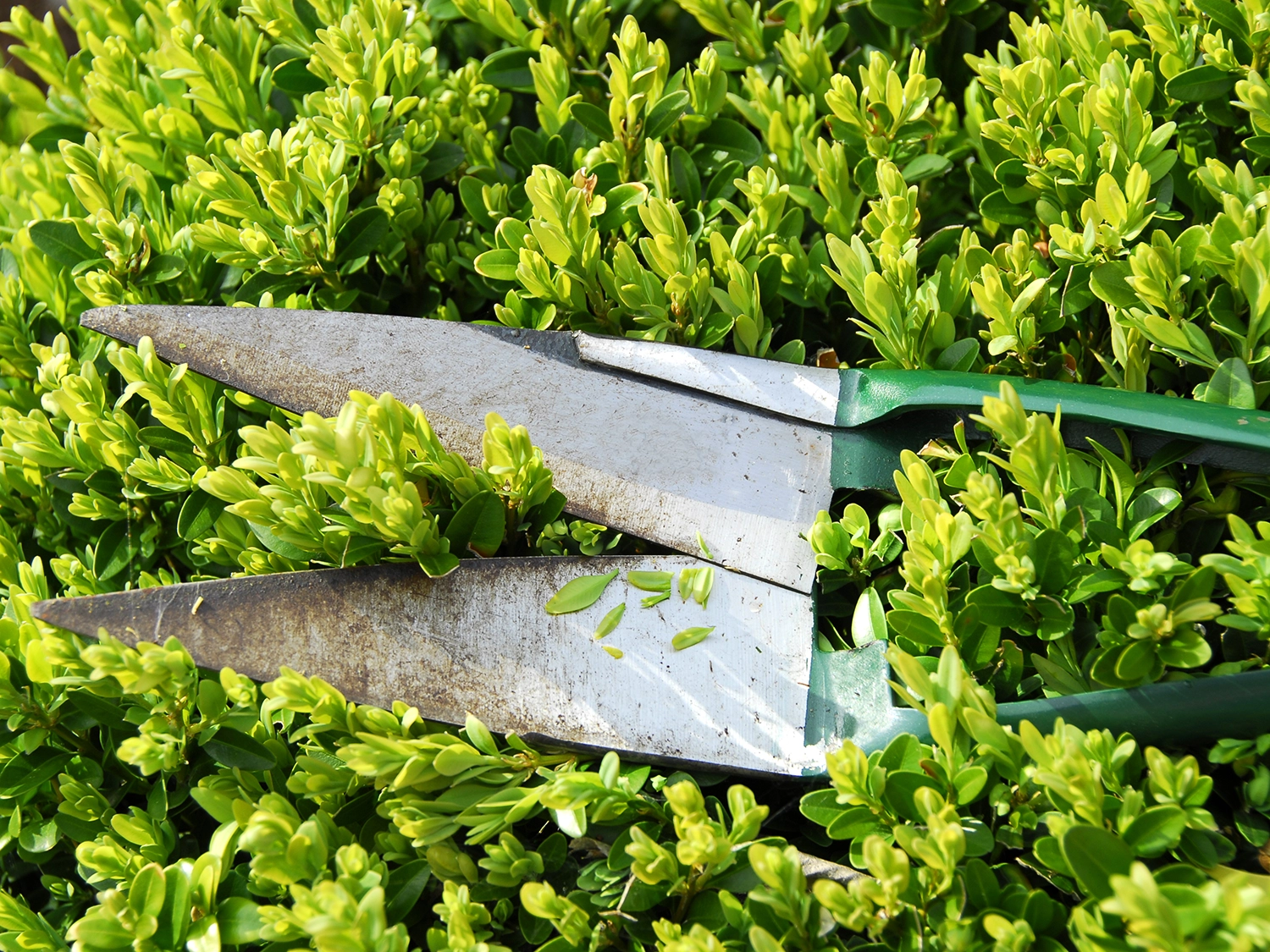
Lawns are not the only greenery that need to be regularly trimmed–certain domineering plants require the same treatment. “We have some larger, aggressive native plants in Missouri that we can give summer cuts to, stunting their growth,” she says. Clipping them down will create a more compact, shrubby appearance from the growth habitat—most importantly, before there are any present flower buds. “We can give them a cut, up to a third of all of the stems,” Van de Riet says. “It’ll just make it to where they’re not taking over the other plantings as much, and keeping in bounds a little better.” Late summer bloomers like golden rods, asters, and even native bluestem grasses can be better wrangled with a little snip off the top.
4. It May Start to Look a Little Rough Around the Edges
Just like how ‘Japanese bush honeysuckle” can sound like a pretty flower, a term like “powdery mildew” might raise eyebrows or widen eyes. “It doesn’t hurt the plant necessarily, just a lot of people feel it looks a little unsightly,” says Van de Riet. Having a cool, wet spring followed by a hot, humid summer is the perfect brew for powdery mildew as it finds its way on top of garden leaves. Now, says Van de Riet, the suspicious substance does not pose a threat to plant livelihood. However, cutting plant stems and bringing in ventilation can combat the eyesore.
Aster yellows, on the other hand, may require more attention. The plant disease is spread by leaf hoppers, transmitting a bacteria to stems causing a yellowish, contorted growth and other deformities. “The best way to deal with this is to actually dig up and trash the plants. You don’t want to leave this in your yard or put it in compost because it’ll spread,” she says. “If you leave the affected stems, leaves, flowers, this is something that can take hold of the rest of the yard.”
5. Start Seed Collecting
Though working outside in the heat of July may not always be the most enticing, seed collecting is a way to bring some fun into the garden—and this month is the best time to start. “With a lot of the stuff that bloomed in spring, you can harvest that seed and spread it to other places,” Van de Riet says. “You can share it with friends, or neighbors. One of the things I love so much about native plants is the giving nature they have.” Even if you’re not on the hunt for any special seeds to add to the garden, it can be an avenue to avoiding unwelcome plants for next summer. “If you notice that there are pods forming, and you don’t really want it to spread to the seed, then you can cut off those pods, collect the seed, and give it to other people to propagate.”
6. Watch Out for Wildlife
While some of us may call our gardens’ home, we remember that the same can be said for neighboring birds and pests. What may be on the forefront of our minds is, yes, you guessed it: mosquitoes. “Don’t over-water, because all mosquitoes need is a teaspoon of water to lay eggs and for their larvae to turn into adults. It just needs to be standing there for basically seven days,” she says. Flower saucers tend to be the biggest culprits, says Van de Riet, as well as bird baths that go a few days without being dumped and refilled. “If there are any areas where water stands in pools or yards–that’s going to be a mosquito breeding ground. Those are the areas we need to address instead of simply spraying pesticides.” Van de Riet adds that many pesticides reside on its sprayed plants, harming a variety of insects beyond the intended mosquito.
7. It’s July…Don’t Work Too Hard
Take time to evaluate the gaps in your blooms, Van de Riet says.“Enjoy gentle saunters through your garden. Stare at your plants and see who’s visiting them. Take some time to delight in it because why else have a garden?”