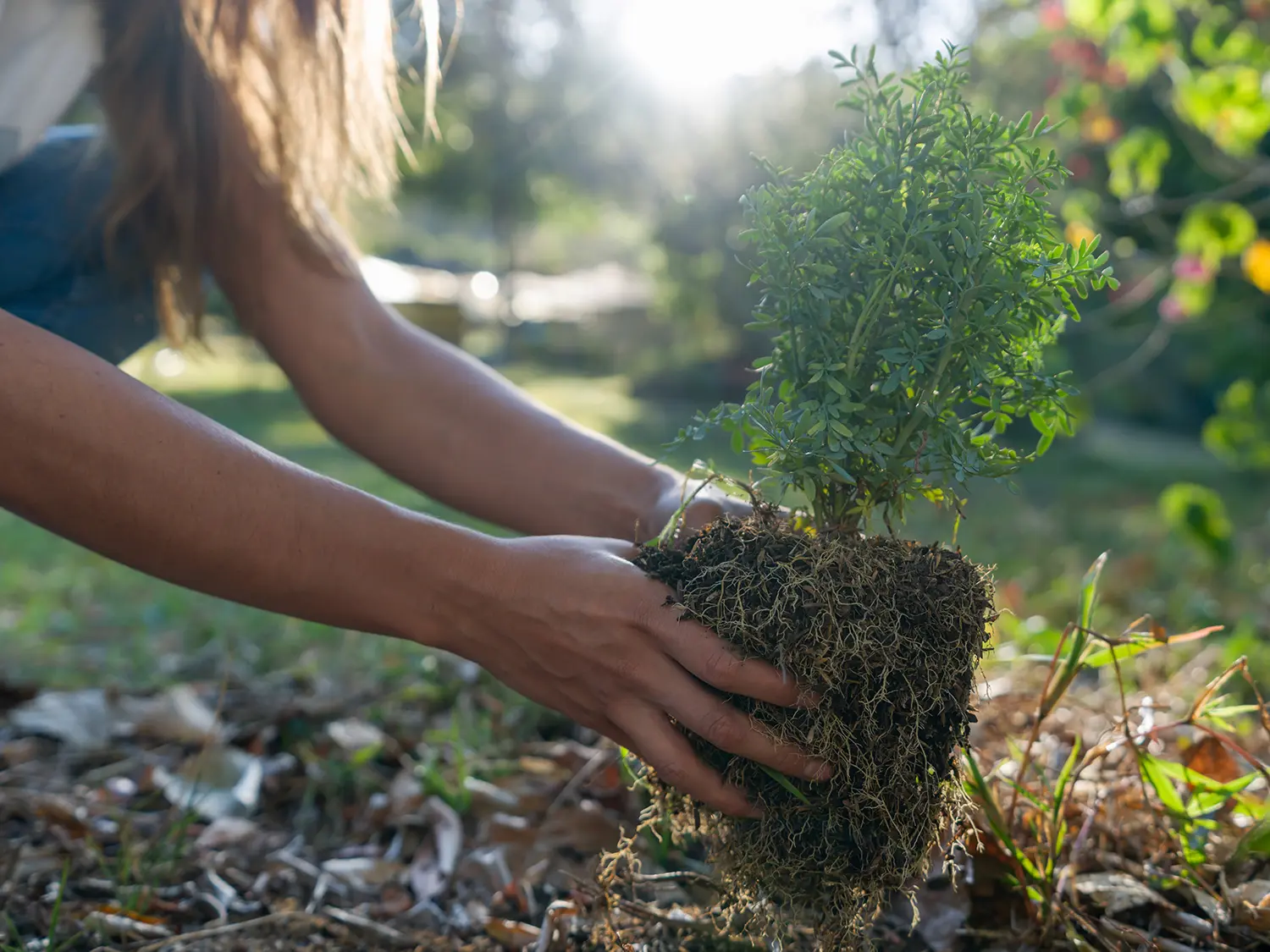
In this latest edition of This Month in Your Garden, Sue Leahy of Greenscape Gardens shares her to-do list.
1. Get busy planting
“First of all, it’s a great time to plant,” says Sue Leahy of Greenscape Gardens in Manchester. “The ground is warm. We’ve had rain. There’s plenty of time for new plants to get their roots established before winter. That’s ideal because then they can take off growing in the spring.”
Planting in the spring, on the other hand, requires plants to establish their roots and grow at the same time. With the exception of annuals, home gardeners should feel confident planting perennials, natives, trees, and shrubs during the month of October.
2. Leave it all in place
Leahy is a big believer in allowing the garden to naturally decompose. In other words, don’t cut down your spent plants. “They should leave them up,” she says, “even the stuff that looks finished or dead. Perennials and natives still have seeds in them that the birds will pick at all winter, [they also] give a place for insects to overwinter.”
So other than your annuals, leave the rest as is. “Don’t be in a hurry to cut down and clean up your garden beds,” she says.
Get a weekly dose of home and style inspiration
Subscribe to the St. Louis Design+Home newsletter to explore the latest stories from the local interior design, fashion, and retail scene.
3. Too early to prune
Task-wise, October is a lighter month for keeping up with your trees and shrubs. “If there’s any pruning needed, it’s still too early to do that,” says Leahy. Leave that job for the middle of winter.
4. Leave your leaves
It’s probably a bit too early for people to think about raking leaves in the yard, but, no matter, Leahy suggests going light with this job. Allow fallen leaves to break down and provide nutrients to both grass and gardens.
In short, don’t be in a hurry to rake your leaves and dispose of them. If you live surrounded by mature trees, “crunch them up with a lawnmower and put them on your garden beds,” she says. “If there aren’t a lot of leaves, just leave them,” adds Leahy. “They’ll break down and enrich the lawn.”
5. Don’t forget the root stimulator
If you’re planting trees and shrubs, even perennials to some extent, don’t forget to employ a root stimulator or compost to help get the plant off to a good start, says Leahy.