Topiary is one of gardening’s oldest art forms, but it’s finding fresh life in St. Louis. Whether clipped into classic spheres to frame a front door or sculpted into playful, unexpected shapes, these living artworks are showing up in landscapes, on front porches, and inside kitchens and dining rooms.
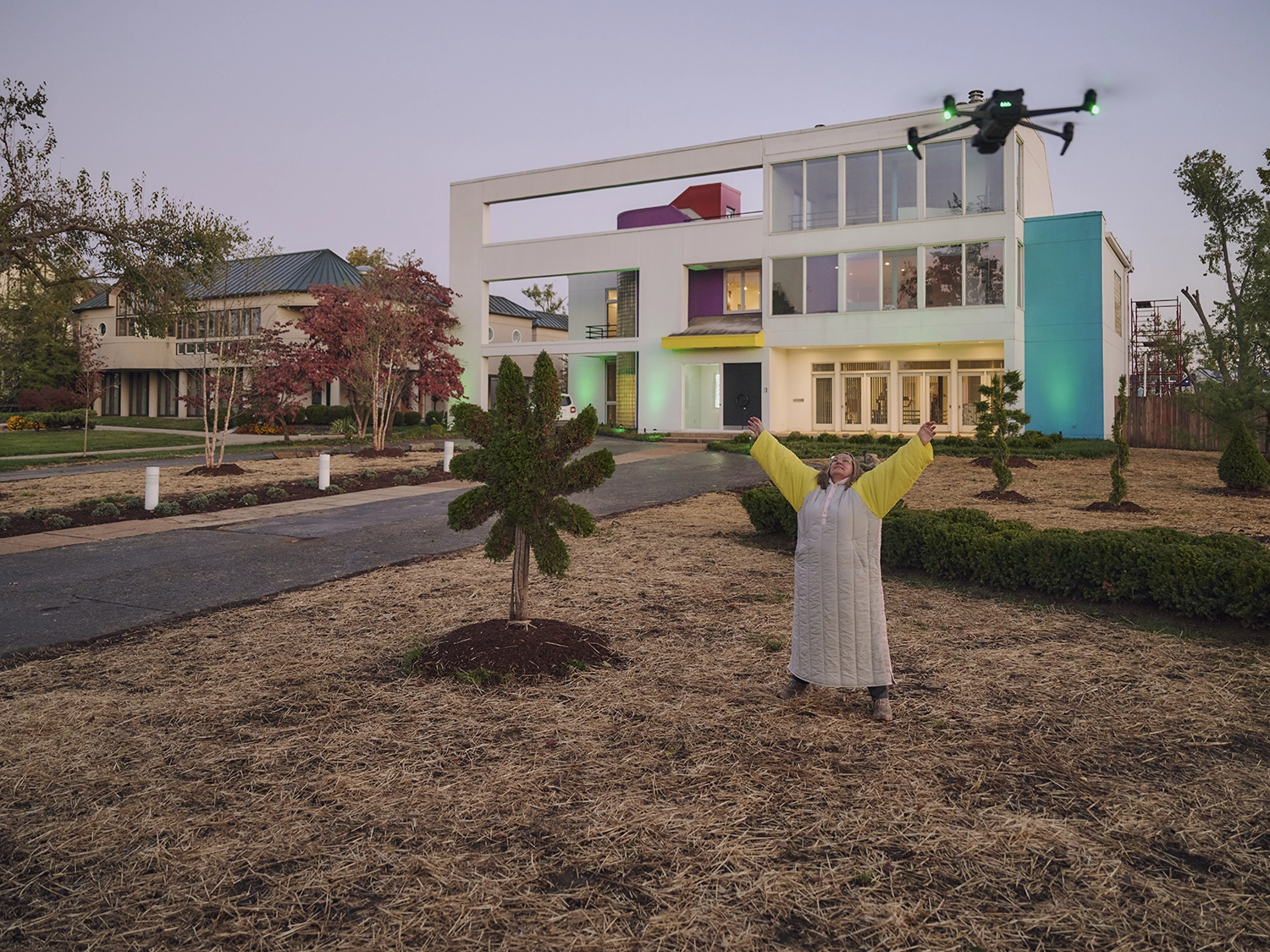
For some, topiaries represent timeless design. For others, they’re a creative outlet full of possibility. For St. Louis-based artist Katherine Bernhardt, topiary became the driving force behind an outdoor installation after last year’s tornado left her yard in shambles.
Get a weekly dose of home and style inspiration
Subscribe to the St. Louis Design+Home newsletter to explore the latest stories from the local interior design, fashion, and retail scene.
“It destroyed my yard. It ripped out the entire fence, took down all the huge trees in my front yard and backyard, and basically destroyed everything,” says Bernhardt, owner of the modernist Smith House on Lindell. “Then I realized, this is an opportunity to do anything I want.”
She began by researching artists’ gardens, thinking about the creative spaces cultivated by painters such as Claude Monet and Frida Kahlo. At first, she envisioned replacing everything with native plantings. Then she visited Frisella Landscape Group in Richmond Heights for the first time—and immediately found inspiration.
There, she saw “all these amazing shapes, funny shapes of boxwoods, arborvitae,” she says. “I thought, ‘Oh, I want to do that.’”
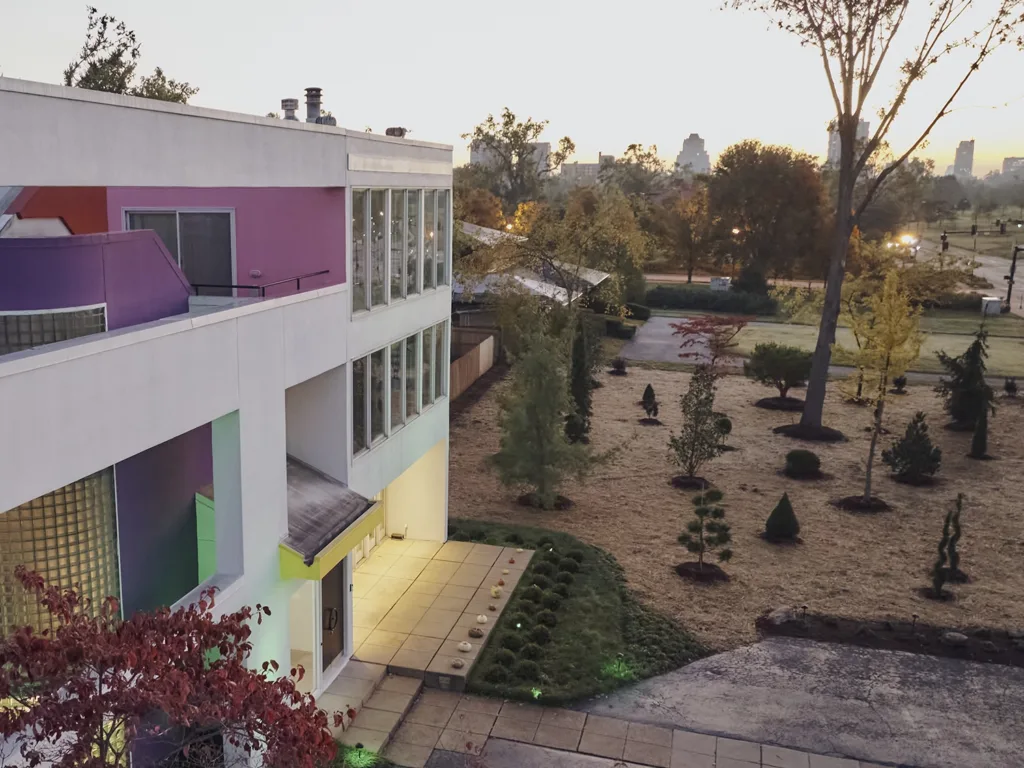
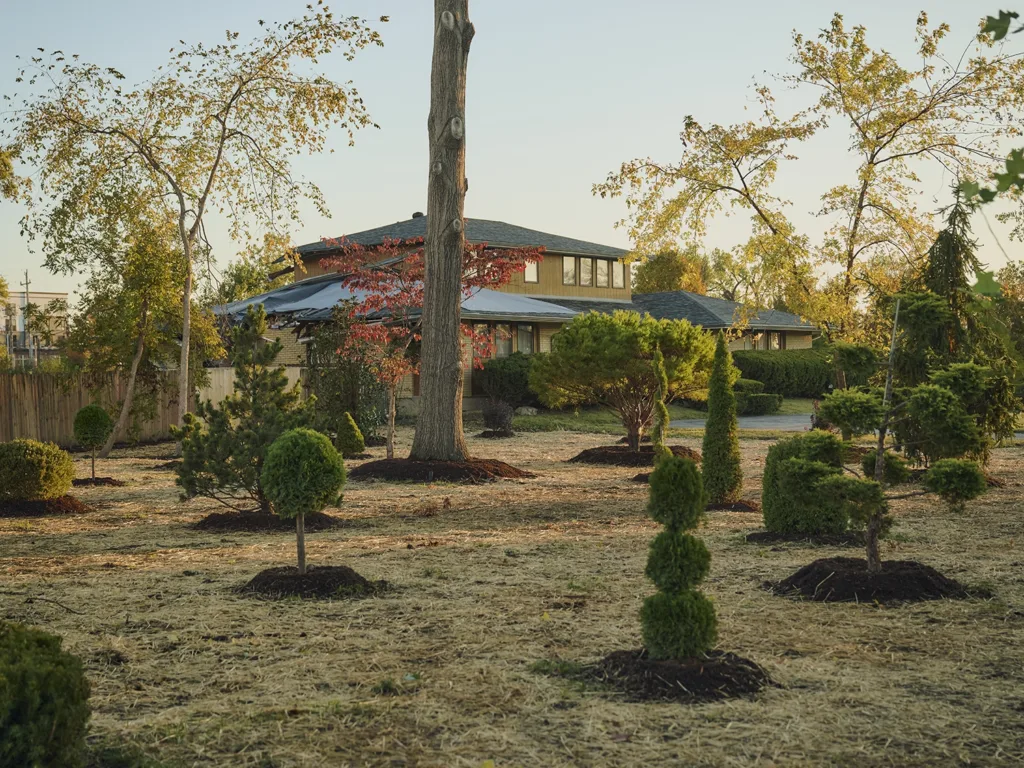
Most homeowners might add a pair of topiaries to frame their front entrance or set them atop the fireplace mantel. Bernhardt purchased dozens.
“I was able to pick out all the shapes and plants that I wanted. There’s one that kind of looks like a flower, circular ones, funny-shaped trees with polka dots on them,” she says. “I see them more as natural sculptures.”
Bernhardt sketched the designs herself, selecting each plant and even giving the project a name: The Solar System.
“I absolutely see the garden as an extension of my artwork,” she says. “It’s a piece of art.” Frisella brought her vision to life, and Bernhardt maintains the plants herself.
While her yard may be one of the city’s most unconventional examples of topiary, the practice itself stretches back thousands of years. “Topiary actually dates back to ancient Rome in the first century,” says Paola Behner, a landscape designer with Frisella Landscape Group. “It has a long history that includes animals, mythological figures, and architectural forms.”
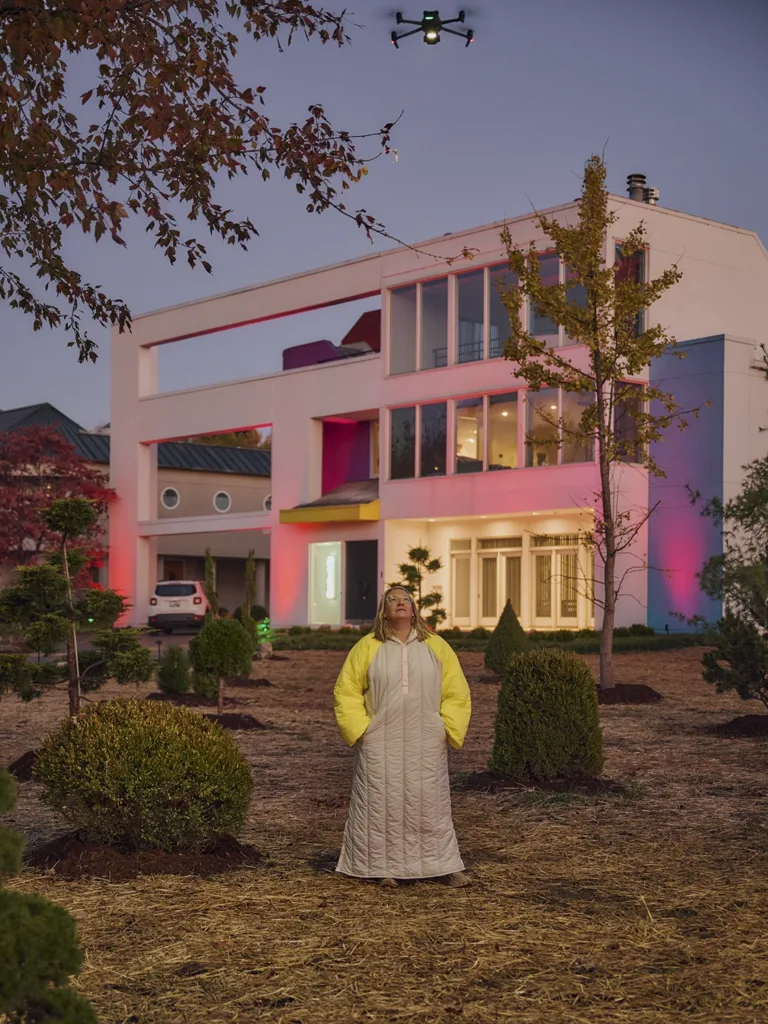
The craft flourished during the Renaissance, when symmetry and precision became hallmarks of garden design. Those formal gardens helped establish many of the clipped spheres, cones, and geometric hedges still popular today. Yet Behner says today’s homeowners aren’t limited to traditional forms like simple spheres—she points to Bernhardt’s yard as an example.
“It wasn’t the classic formal look,” Behner says. “It was fun, artistic and completely unique.” At the same time, she believes topiaries remain perfectly suited to St. Louis’ historic neighborhoods.
“Throughout St. Louis, we have beautiful English Tudor, Georgian and Colonial architecture,” she says. “Topiaries make a wonderful statement in front of those homes.” One of her favorite design techniques couldn’t be simpler.
“Placing two topiaries at the front entrance frames the doorway beautifully,” she notes. “They draw your eye toward the house and invite you in.”
For interior designer Lucy Willis, the timeless quality of a topiary is precisely what makes it so versatile. For years, she’s incorporated topiaries throughout her city home and garden. “They bring a classic look to any home, regardless of design style,” she says.
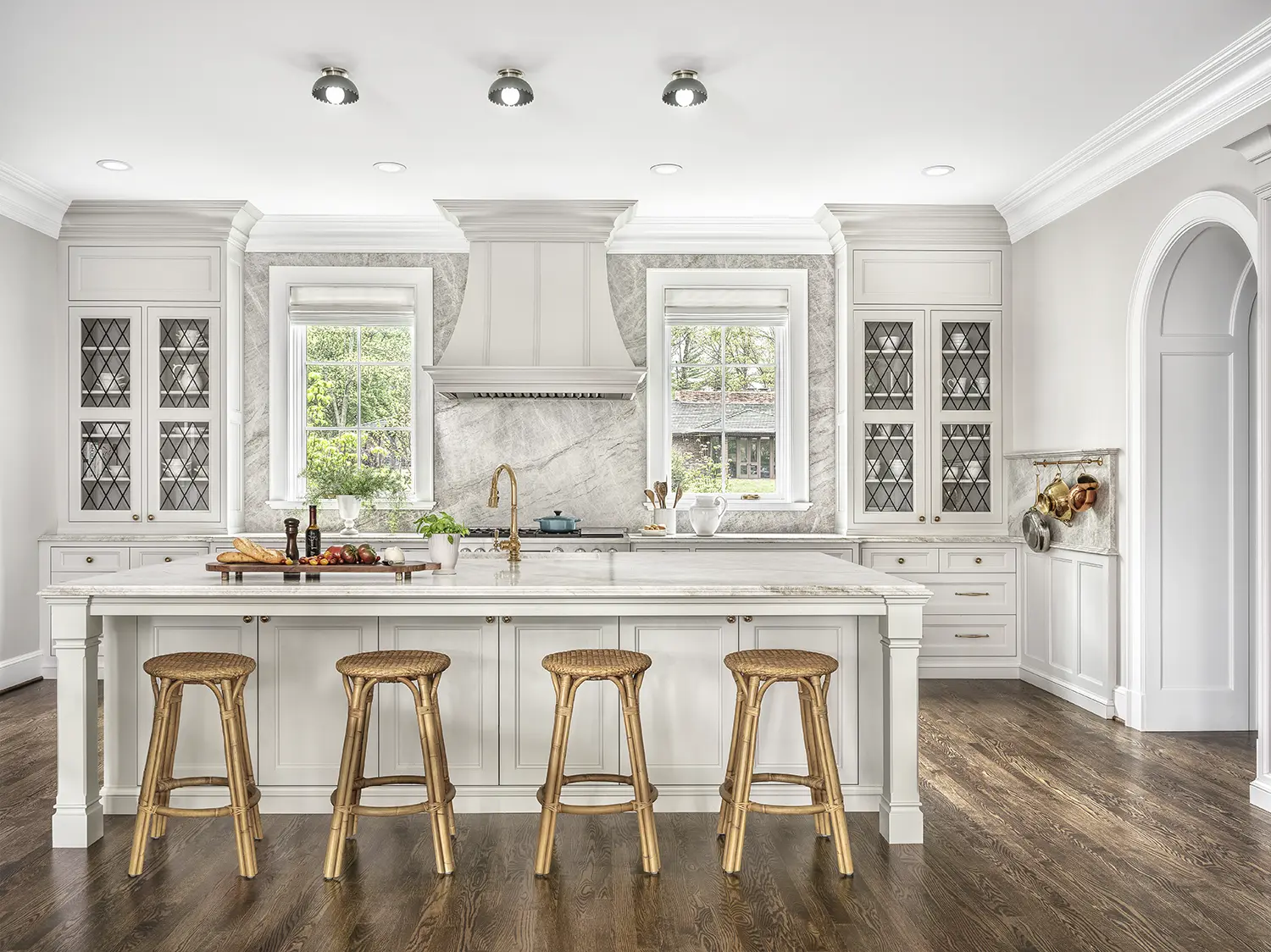
And the plants aren’t limited to landscape design. “Topiary can be used as a styling tool in any interior design aesthetic,” she says. “I like to use topiaries throughout the home, especially in the kitchen or breakfast room.”
Still, Willis thinks topiaries add an elegant touch to a front yard. “Outside the home, regardless of the architectural style, topiaries look interesting and intentional,” she says. “They make a home stand out because they suggest the homeowner has style, cares about their property, and is willing to put in the effort to maintain it. They communicate that you appreciate a timeless aesthetic.”
For a unique design feature, Willis recommends installing a collection of topiaries. “Place a grouping of odd-numbered topiaries in clay pots in front of an old oil painting or a contemporary work of art in your living space, and you will have instant style,” she says. Before investing in the plants, though, do your research. “They’re definitely a commitment,” she says.
“The shapes don’t happen naturally,” Behner says. “Someone starts training them when the plants are very young and continually cares for them to create those forms.”
When homeowners purchase a topiary, they’re inheriting years of work—and accepting the responsibility to maintain it. While Bernhardt trims her own, many homeowners turn to the experts for ongoing care, or dig into research themselves to learn proper technique.
“If you love gardening, if this is your hobby, I think topiaries are great,” Behner says. “But they’re high maintenance. Topiaries require specific pruning, and that’s very important to keep the shape and keep the plant alive through the year.”
Shears and pruners are the two essential tools for shaping and maintaining topiaries. “A big mistake people make is using automatic hedge trimmers and quickly trimming everything,” Behner says. “It may look perfect at the moment, but you’re not letting new growth develop from the inside. Topiaries need selective pruning.”
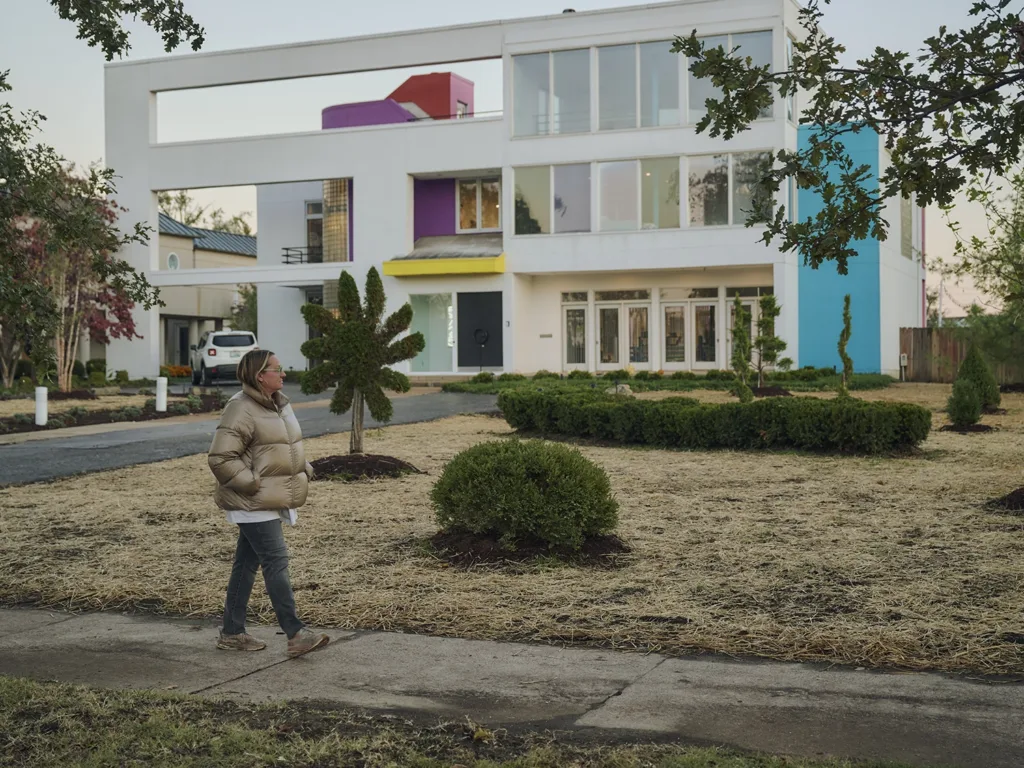
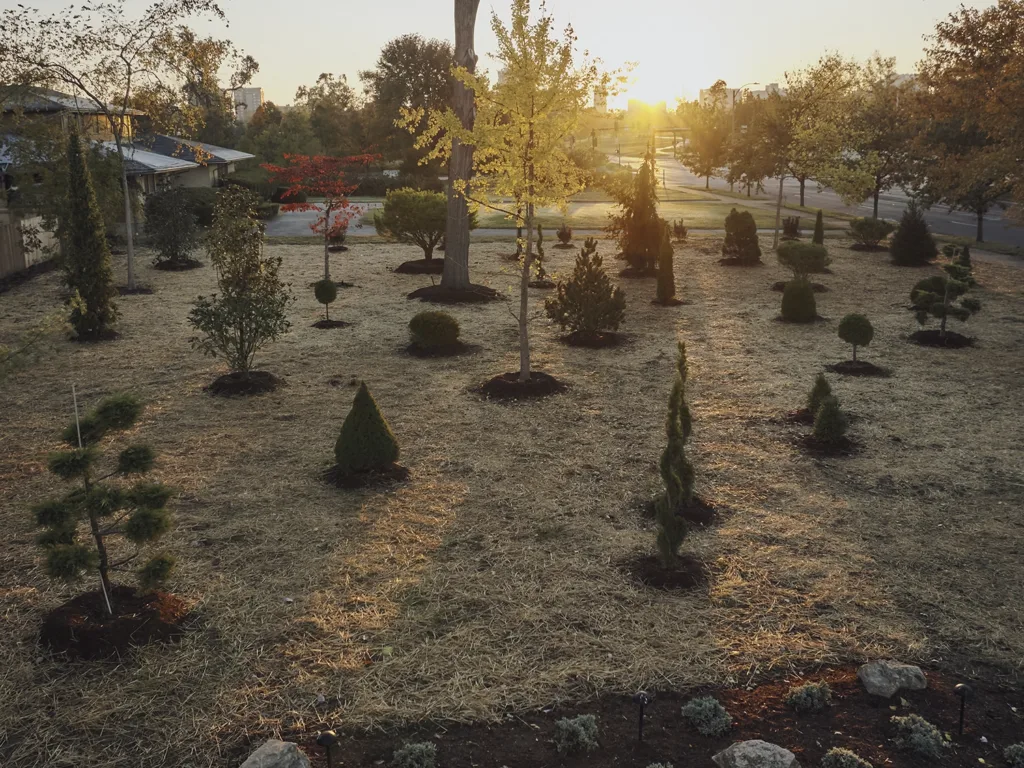
The process doesn’t have to be intimidating, but it does take practice and a willingness to put in the work.
“If you’re just getting started with topiary, begin with something small,” Behner says. “I would start by going to your local nursery and buying a smaller container plant. Boxwoods are very hardy—they can take full sun, deer won’t touch them, and they’re easy to prune. Hollies and arborvitae are also easy options. I think those are the easiest plants to start with.”
An evergreen like a boxwood can stand out year-round, too. “You can decorate them for Christmas and Halloween and just have fun with them throughout the year,” Behner says.
Pruning aside, she believes the extra effort is worth the result. “They’re labor-intensive,” she says, “but they’re also really fun and striking, beautiful and unique.”