1. Consistent watering equals beautiful fall colors
Even though August is a segue into the fall season, we’re still experiencing the unforgiving heat of July. “Watch out for anything that has been planted within the last two years, and make sure it’s really well watered going into these hot, dry periods,” says West. Hydrangeas, in particular, are a popular plant that shows visible signs of thirst by easily wilting. If the hydrangeas in your garden are demonstrating signs of drying—then everything else in the yard is likely thirsty, too. “What I recommend is watering thoroughly twice a week, versus a shallow watering on a daily basis,” he says. “The deeper you water that root, the root growth will be deeper in the soil and the plant doesn’t dry out as quickly between waterings.” Another benefit of deep watering is the beautiful colors it gives to trees, which helps to make up for a lack of rain. Without proper access to water, trees like evergreens and boxwoods will be stressed as they shut down, missing out on the warm oranges and reds we love to admire.
2. Knock off the spider mites
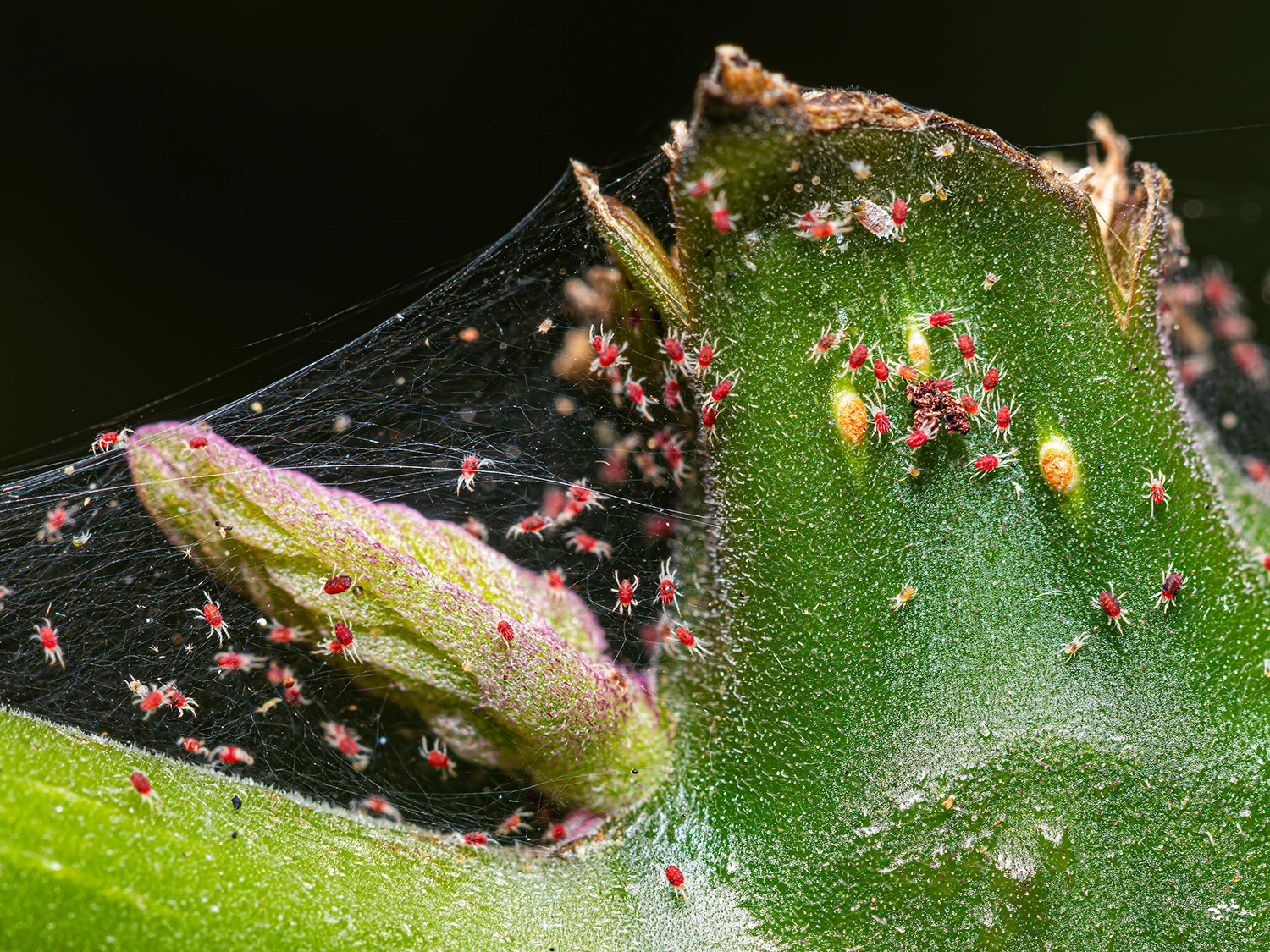
These plant pests are especially prevalent in boxwood trees, which are popular in the designs West creates for his St. Louis clientele. “You can see tiny little spider webs, or leaf splotches of little white dots on the undersides of leaves. That means you have spider mites,” he says, adding that the damage they cause to trees is irreversible. When the plants are stressed from drought, that can create an invitation for the harmful pest. “You want to do deep watering to reduce the stress and, while you’re doing that, spray the foliage with your hose nozzle really powerfully and knock off a lot of those spider mites,” he says. Other alternatives to removal include purchasing a species of wasp that targets the mites, and releasing them into the garden. A last-ditch effort could be to spray for the pests, although West says it’s best to avoid this when possible since it can harm beneficial insects.
Get a weekly dose of home and style inspiration
Subscribe to the St. Louis Design+Home newsletter to explore the latest stories from the local interior design, fashion, and retail scene.
3. Trim your spillers
Spiller is the term West uses to describe plants that spill over the edge of a container or into another plants’ landscape. Petunias are a common example of summer spillers, and West says that gardeners should cut them back by roughly a third to a half to impart a cleaner look. “You can go in with a good liquid fertilizer, and then in two weeks the container will look pretty fresh again,” he says. “The petunias or calibrachoa will grow out and reflush, and you’ll have a much more condensed, colorful display, as opposed to a leggy plant with just a few little blooms at the bottom.” Trimming spillers tends to be a summer-round task, but gardeners can take August as an opportunity to prep flowerbeds to thrive in fall.
4. The deer are here
Mosquitoes are really bad right now but prepare yourself for more deer sightings. They may not be as much of a pest—and, unlike mosquitoes, may be better at keeping a distance from humans—but they too can be intrusive on your yard and plant life. “Now is the time to start thinking about deer pressure,” says West. “They have velvet on their antlers this time of year, and they start to rut on trees to remove it.” It may sound a little intimidating to go up against a full-sized deer to protect a maple oak or evergreen, but it’s not as scary as it seems. “For maple oaks, we’ll put a protective, plastic, rigid mesh around the trunks to protect from deer scratching—because once that bark is removed, it’s really damaging to the tree and will probably die,” West says. For evergreens, specifically, homeowners have the option of buying a “horrible-smelling” deer-repelent spray that works to deter the animals.
5. Start planning for fall blooms
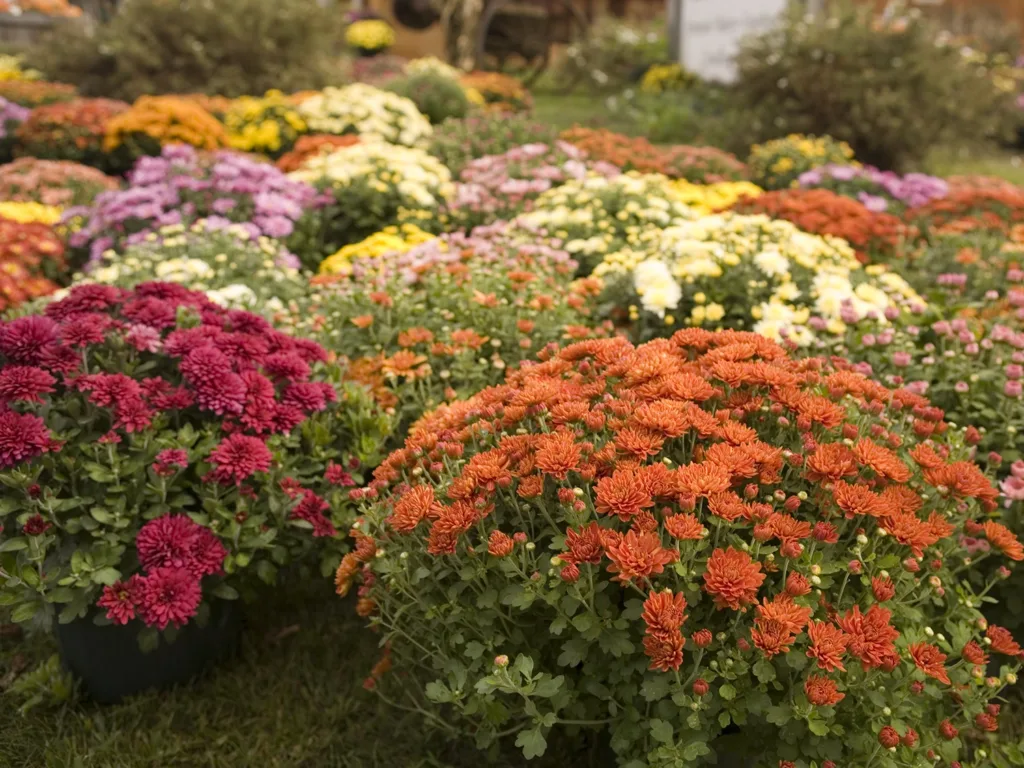
West encourages readers to consistently visit neighborhood garden centers to get an idea of what’s in bloom for the season. “Because everybody gets so excited for spring, they rush out and buy everything that’s beautiful. Well, in three months from now, none of those plants will be blooming,” he says. “If you consistently visit a garden center, you’re going to put things in your garden that are in bloom all-season long.” In terms of fall flowers, anemones are a staple for West. The fall-blooming perennial can look fresh even when other plants may appear a little dull. Now is also the time to start reserving any big shade trees for installation, and ordering bulbs in your favorite colors. That way, gardeners can rest assured that their yard will be filled with the colors and warmth perfect for the fall season.