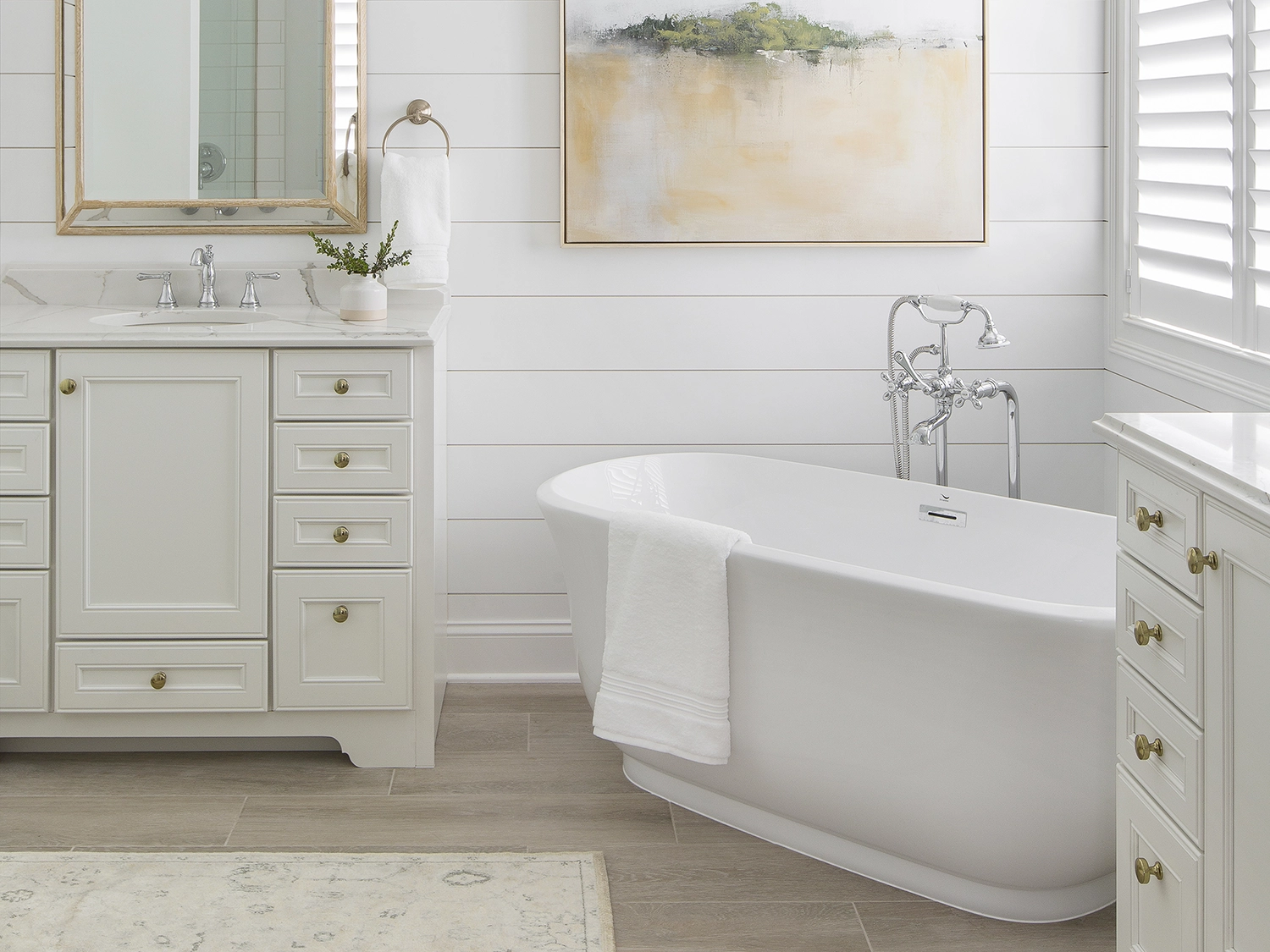
The conundrum arises more often than one might think–especially in homes where the number of bathrooms is limited. For years, the prevailing design wisdom dictated that parents with little ones at home need at least one tub in the house. Other homeowners have grown to expect the presence of a tub–and it’s hard to argue that they can be alluring, whether it be a historic clawfoot or more modern and freestanding. Lest we forget, there are plenty of us who still find it relaxing to draw a nightly bath and have a soak.
“The conversation I’d have with the homeowner would depend on how many bathrooms they have in the house,” says Leah Jarrell, owner and principal of LJ Interior Designs. “I think a lot of people would prefer to have a shower, especially in their primary bath, but when you talk about only one bathroom in the home, then I think you have to think about resale value.” How long a family expects to remain living in the house is another important factor. If it’s a forever home, “then I’d design around their needs and, if you’re aging in place, it’s easier to get in and out of a shower versus a tub,” says Jarrell.
Get a weekly dose of home and style inspiration
Subscribe to the St. Louis Design+Home newsletter to explore the latest stories from the local interior design, fashion, and retail scene.
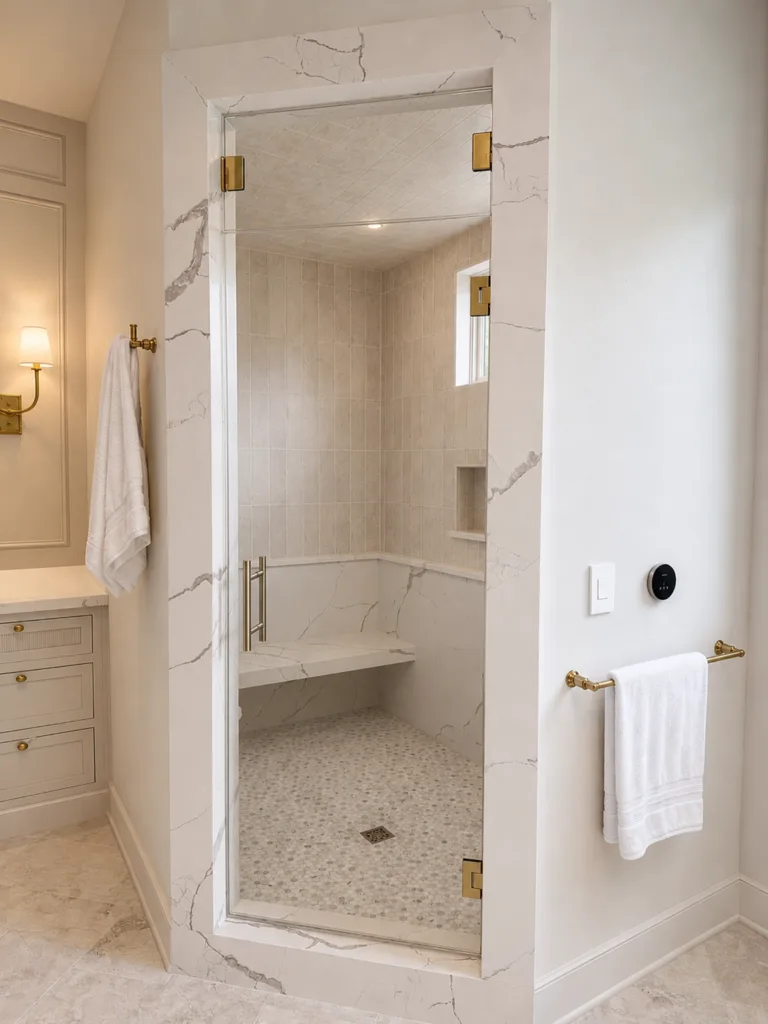
Regardless of one’s life stage, or the number of bathrooms at home, some clients are forgoing the tub altogether and not looking back. Kim Taylor West, principal designer of KTW Studio, noticed the shift since she moved to Missouri in the early 2000s, when having at least one tub in the house was almost a requirement. More people, especially younger clients, are moving away from that thinking and are comfortable with an all-shower household. The key is to make sure you design a space you want to be in and enjoy, she says.
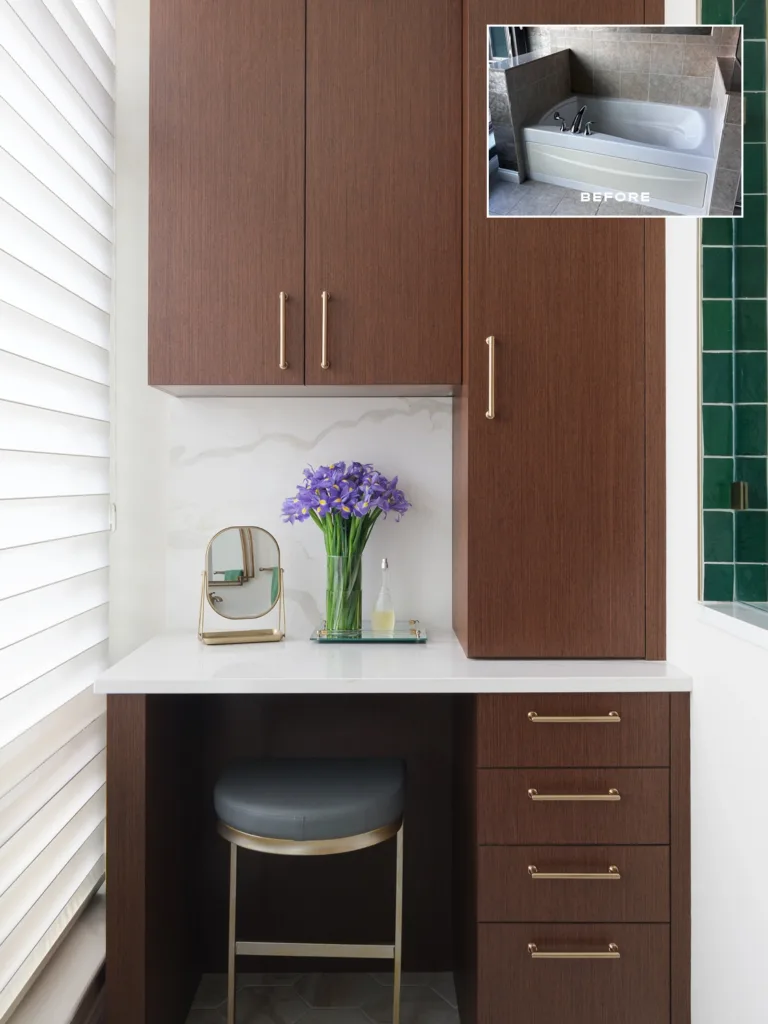
That was the situation she found her clients struggling with at their Central West End condo. The tub took up too much room and they hardly ever used it. By forgoing the tub, Taylor West could gain valuable real estate and install a large shower, a beautiful vanity, “and use the space so much better,” she says. Frameless showers, which impart a more open feel, double shower heads, a bench for sitting down, and low-to-no threshold entries, are popular bathroom elements right now. And don’t feel too much pressure to install an outsized shower. “It can get a cold in there if your shower is a little too big,” says Jarrell. She sets the minimum shower dimensions at 36 x 36 but going up to 42 offers slightly more room.
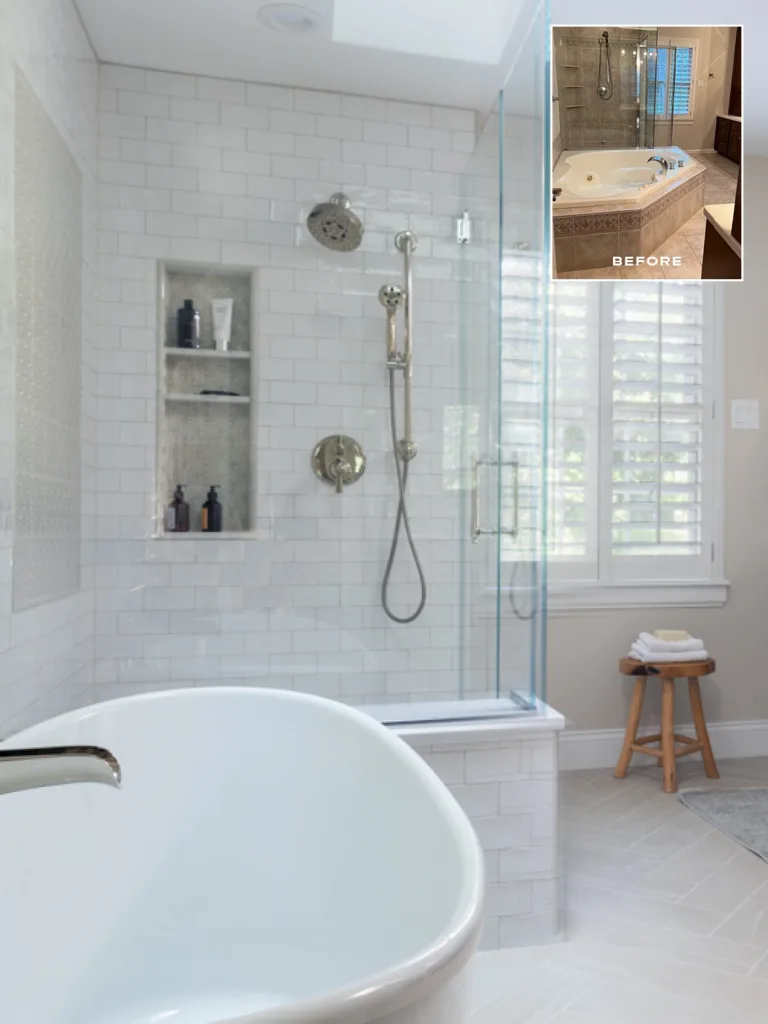
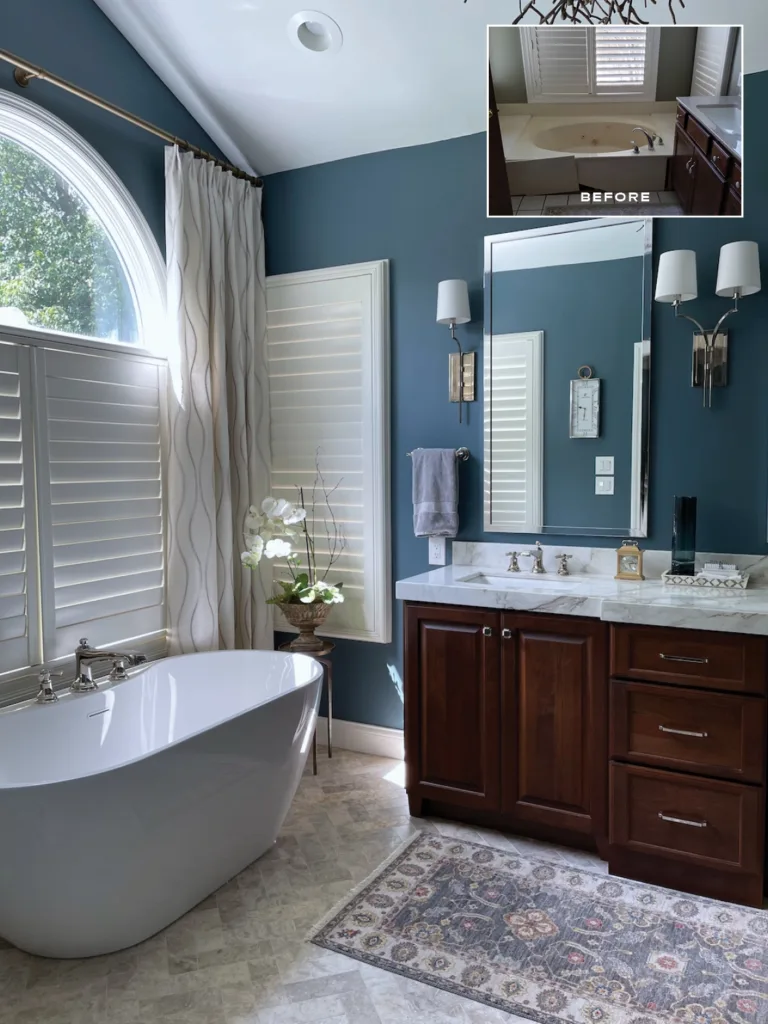
But if you lean toward keeping the tub, you likely appreciate the way its lines soften a space and help create a focal point, says Taylor West. Historic homes with old-fashioned tubs are difficult to part with, too, especially if you’re a purist who loves historic architecture. In an 1890s house in Lafayette Square, Taylor West and her clients decided to keep the tub because it was appropriate for the space, she says. If you’re someone who leans into preservation, keep in mind that an old tub can be re-enameled and the claw feet re-plated, she adds. But that can be a costly project and, if the tub no longer holds its heat well, it may be wiser to swap it out for a new one. Just pair it with beautiful plumbing, like separate hot and cold taps from Waterworks, and you won’t lose an ounce of the home’s historic look. “We love freestanding tubs if they enhance lives,” says Taylor West.
How you answer the tub vs. no-tub question comes down to how many bathrooms are in the home and how long you’re staying. Designing a home that works for you now–and potentially in the years to come–is the goal. Give yourself time to think about what you need and, once you make up your mind, don’t look back.