Beginning June 15, Saint Louis Art Museum’s main hall will be home to a collection of textiles displayed together for the first time. With “Balance and Opposition in Ancient Peruvian Textiles,” curator and Andrew W. Mellon Fellow for Ancient American Art Deborah Spivak explores the concept of duality, a philosophy that shows up in Ancient Peruvian religion, art, politics, health care, economics, and more.
In Ancient Peru, there was an “overarching view that everything was divided into two pieces or two halves that were required to work together in a cycle,” says Spivak. And sometimes, working together means working in opposition. For example, the cycle of days cannot continue unless the moon surrenders its position and lets the sun rise.
Stay up-to-date with the local arts scene
Subscribe to the weekly St. Louis Arts+Culture newsletter to discover must-attend art exhibits, performances, festivals, and more.
The concept of duality also shaped the way that Ancient Peruvians understood life and death. “They had the idea that the dead never really die,” says Spivak. Mummies would even be brought out during celebrations and given food and clothes. “The dead were a part of life.”
Spivak draws a contrast between this way of thinking and the common contemporary impulse to emphasize “dominant and recessive elements.” Her goal with the exhibition is to demonstrate to visitors “a different way of seeing things,” she says.
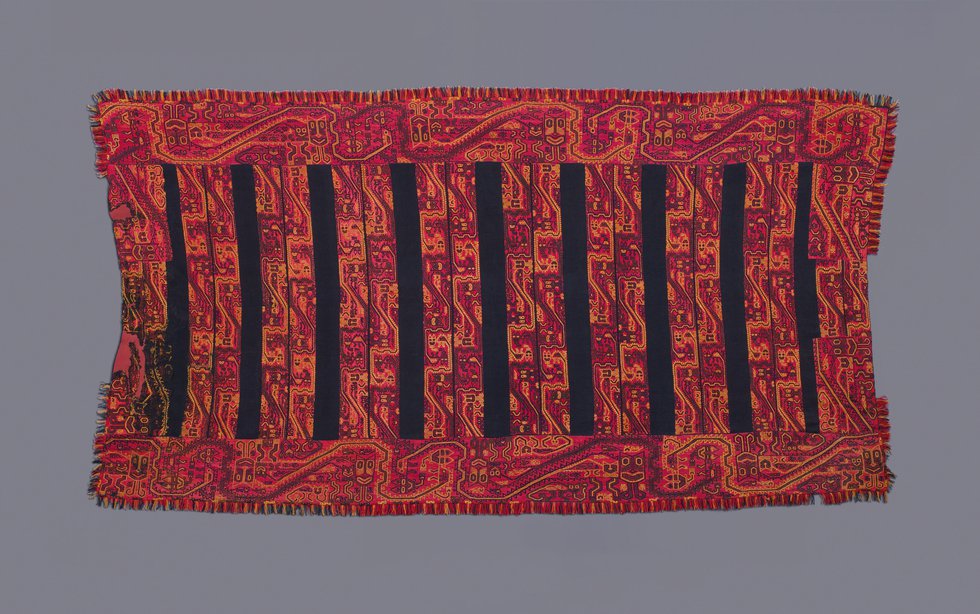
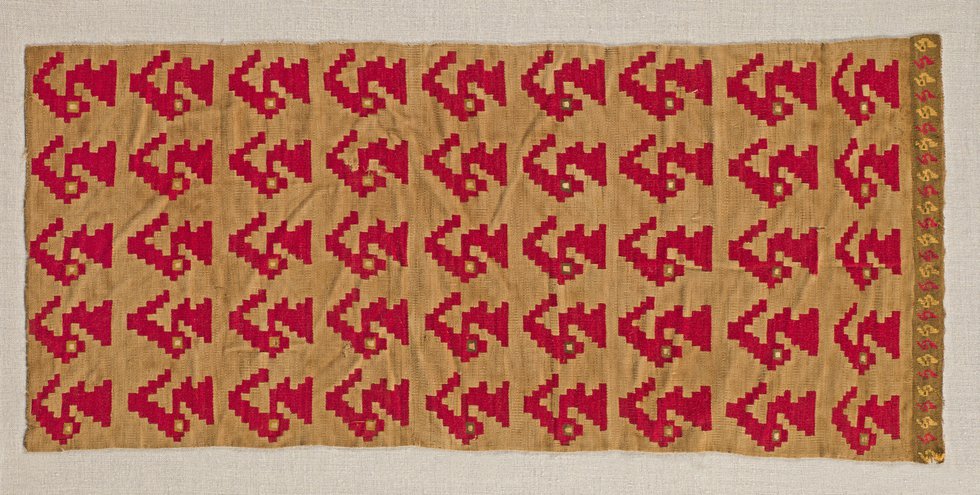
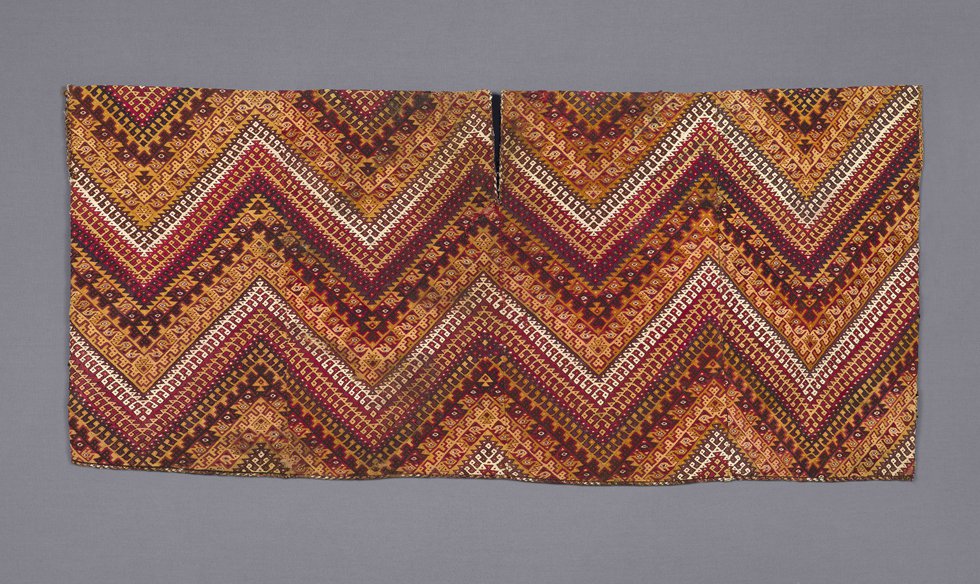
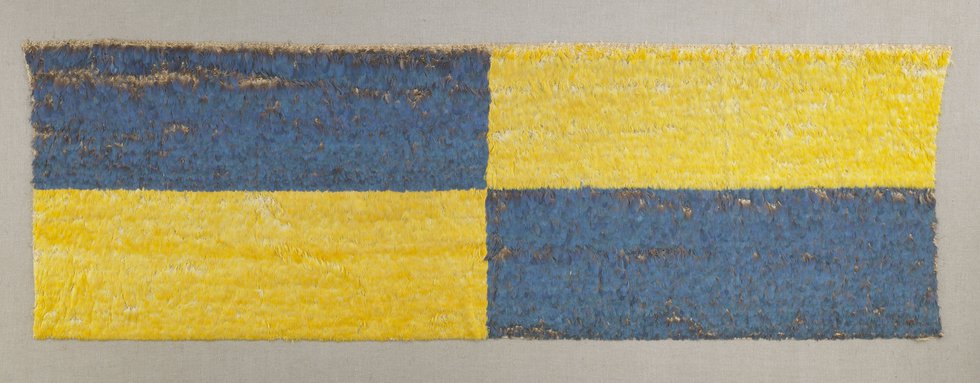
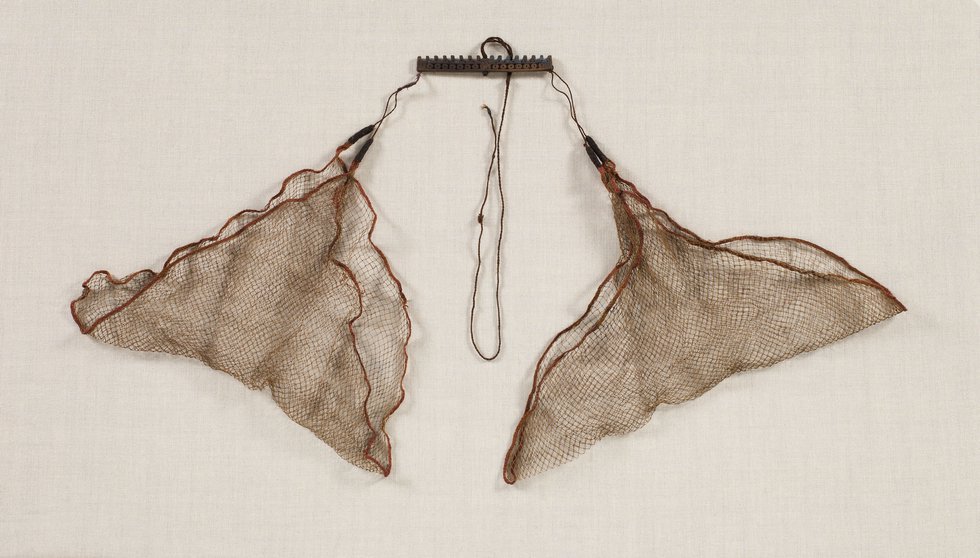
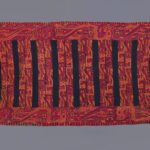
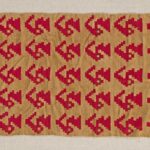
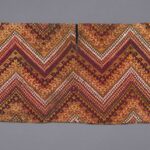
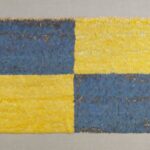
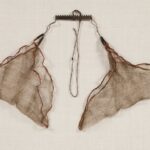
Spivak chose to focus on textiles in the exhibition because of how well the art form embodies the Peruvian concept of duality. Balance and opposition are not only evident in the imagery the textiles represent but also in the way the pieces are constructed. Textiles, explains Spivak, “have a vertical element and a horizontal element, or the warp and the weft.” The opposing directions of the threads give the textiles form and the overlap of vibrant colors produce new shades.
Pieces in the show highlight the functional contrast between night and day, up and down, man and woman, and life and death. Some pieces date back two thousand years.
One work depicts a man and woman sharing a body, building on the idea that opposing forces “must work together in order to achieve something,” Spivak says. (The Inca emperor, in fact, existed in two bodies—his male self and his wife. “And he couldn’t rule without his wife.”)
The imagery of some pieces in the show will be abstract, but still feature consistent and linear patterns that create a sense of balance. The exhibition will also be broken in to sub-themes. “One case will have gendered clothing,” Spivak explains, “another contains items related to life and death and another showing different weaving techniques.” And don’t miss the show’s centerpiece, an 800-year-old feather textile from the Amazonian basin.
To learn more about the exhibition, join Deborah Spivak as she discusses the value of cloth in ancient Peru at her gallery talk on July 26 and 27. The exhibit will run through November 25.