When you think of Route 66, you think of the bright neon lights, the wind whipping through your hair, and the freedom of the open road as you cruise through the west in your cotton-candy pink Thunderbird. Route 66’s historical influence upon the United States, and especially St. Louis, however, is far more complicated than the freewheelin’ attitude that characterizes the road in our cultural imagination.
The National Building Arts Center, in Sauget, Illinois, is exploring the unforeseen side effects of the Mother Road on the St. Louis community with its upcoming exhibition City 66: The Other Road. Curated by former Washington University professor, and first NABC director Michael Allen, the exhibition offers a look into the history of the road, both good and bad.
Stay up-to-date with the local arts scene
Subscribe to the weekly St. Louis Arts+Culture newsletter to discover must-attend art exhibits, performances, festivals, and more.
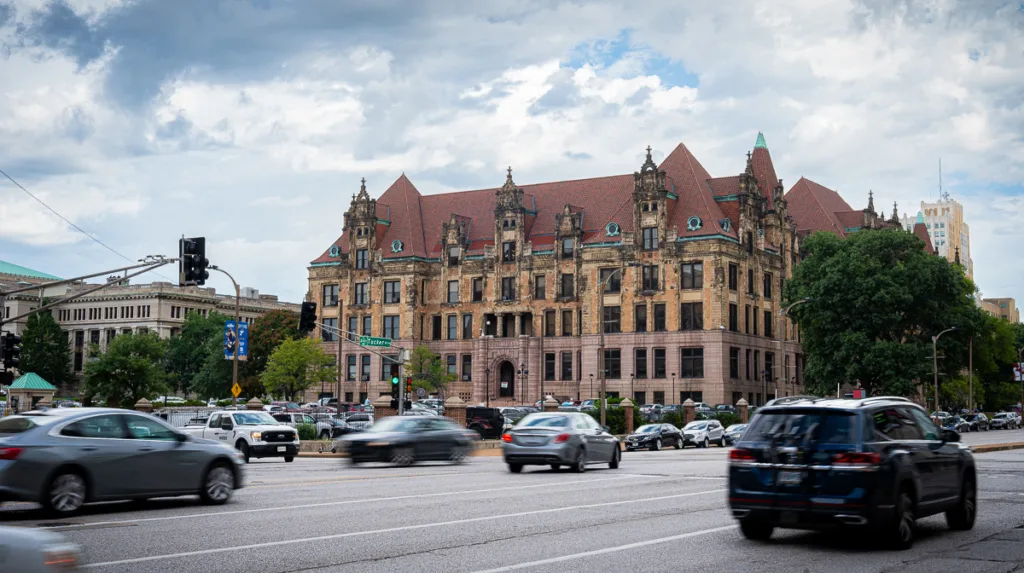
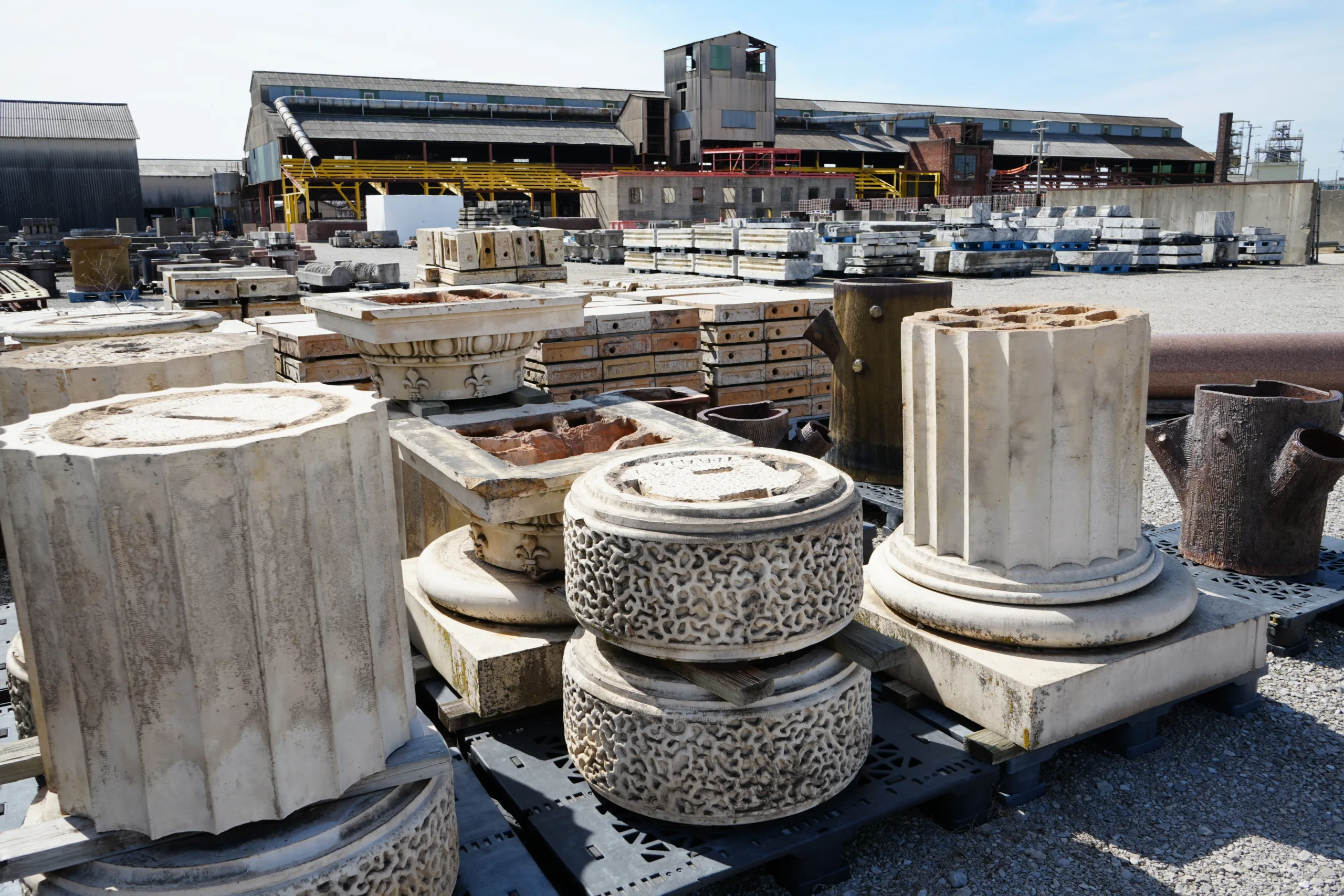
The exhibition reframes Route 66 as what Allen calls “an urban road.” Rather than examining the popular idea of Route 66, the NBAC preferred to investigate the way that the road, passing through downtown St. Louis, affected the development of the city throughout the 20th century. Historically relevant architectural artifacts, such as an entrance to a downtown office building or a piece of the famous Coral Court Motel, will be on view, including many objects that have never been on display.
“We’re trying to show how it’s not that Route 66 came through or went around St. Louis, but it actually became fused with the city streets, and the neighborhoods that already existed,” Allen says. “Route 66 changed the face of old urban neighborhoods.”
Route 66 also gave city planners the blueprint for building roads out of downtown and to the suburbs, which Allen says they had already been working on. An example Allen notes is the expansion of Gravois. Since Route 66 followed Gravois, city planners worked to expand the road into the six-lane, highway-like road that it is today (and which contributes to the road’s reputation as the deadliest road in St. Louis).
“The presence of these federal designations is really jumpstarting city leaders’ own plans,” Allen says. “[Route] 66 helps them pick the route and lead the way.”
As the construction of interstate highways began throughout the latter half of the 20th century, traffic was diverted out of the downtown areas of the city, away from the older neighborhoods. The exhibit ends, Allen says, with the ultimate conclusion that, though Route 66 helped to draw traffic downtown, interstates quickly made the route obsolete, much to the detriment of St. Louis.
The goal of the exhibit is to understand the power that Route 66 had, both for positive and negative change, says Allen.
“It may have been a good thing in 1921,” he says. “But today, it’s hotly debated.”
City 66: The Other Road opens on August 22 and runs through October 17. The exhibition kicks off with a free opening symposium on August 22 featuring guest speakers and a reception at 2 p.m.