




True or false: There’s an orchid wilting in a pot in your home this very instant. It happens to the best of us, but this year the Missouri Botanical Garden’s Orchid Show (February 2–March 24) takes aim at the unease most people feel when trying to care for these finicky flowers with a theme of cultivation for the home gardener.
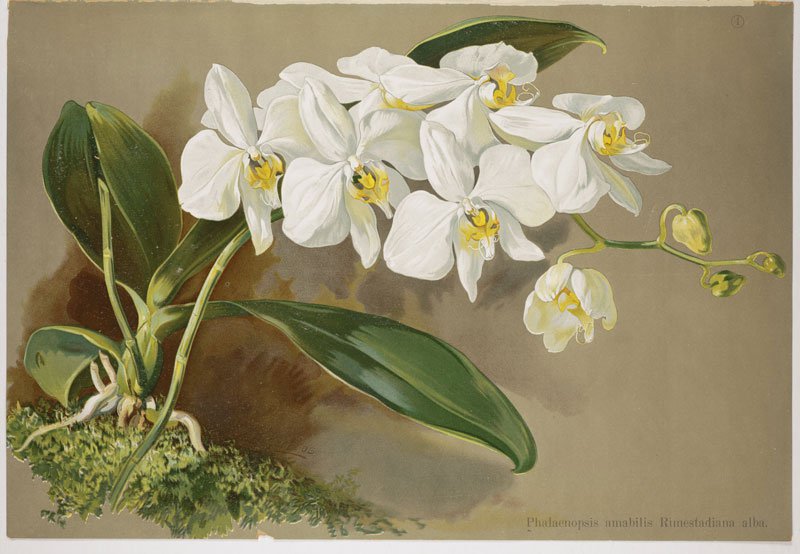
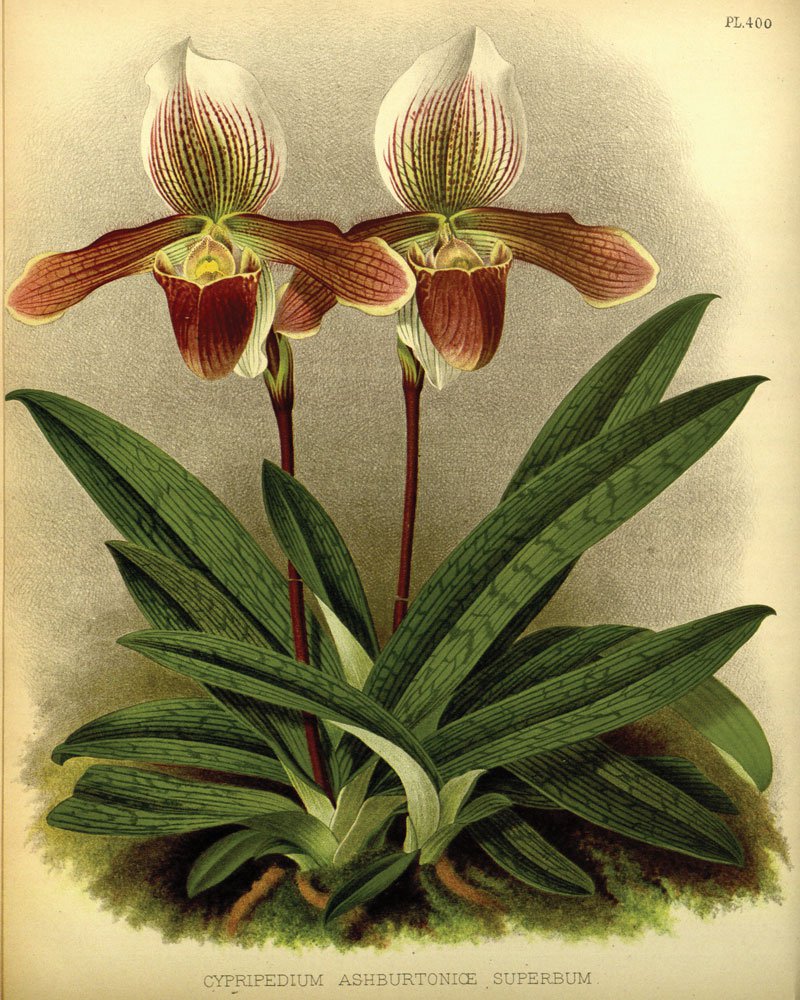
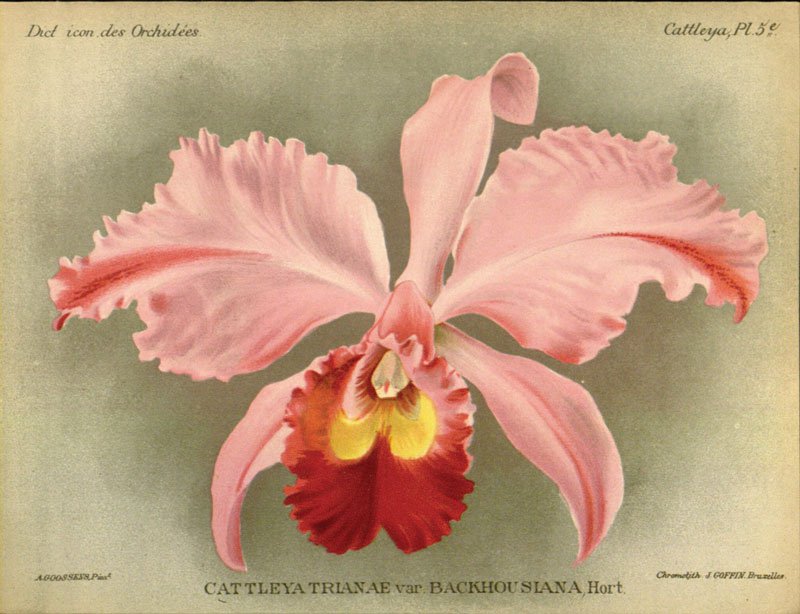
Babs Wagner is anything but—she takes care of about 6,300 orchids at MoBot. This year, she’s singling out four genera suitable for the home grower. The first, she says, is Phalaenopsis, the moth orchid, “probably the most popular and the one you see for sale at places like Home Depot and Lowe’s.” The second is Paphiopedilum, the lady’s slipper orchid. Third is Cattleya, known as a corsage flower. (“They are very showy orchids,” Wagner says, but they don’t last as long as the others.) Cymbidium is the last genus—though these species can be tricky, because they like cooler climes.
Stay up-to-date with the local arts scene
Subscribe to the weekly St. Louis Arts+Culture newsletter to discover must-attend art exhibits, performances, festivals, and more.
“You have to do a little bit of investigative work as to the needs of the orchids you’re getting,” says Wagner, but once you get the hang of it, “you’ll be hooked. You’ll become an orchid addict.” Just remember the cardinal rule: No direct sunlight.