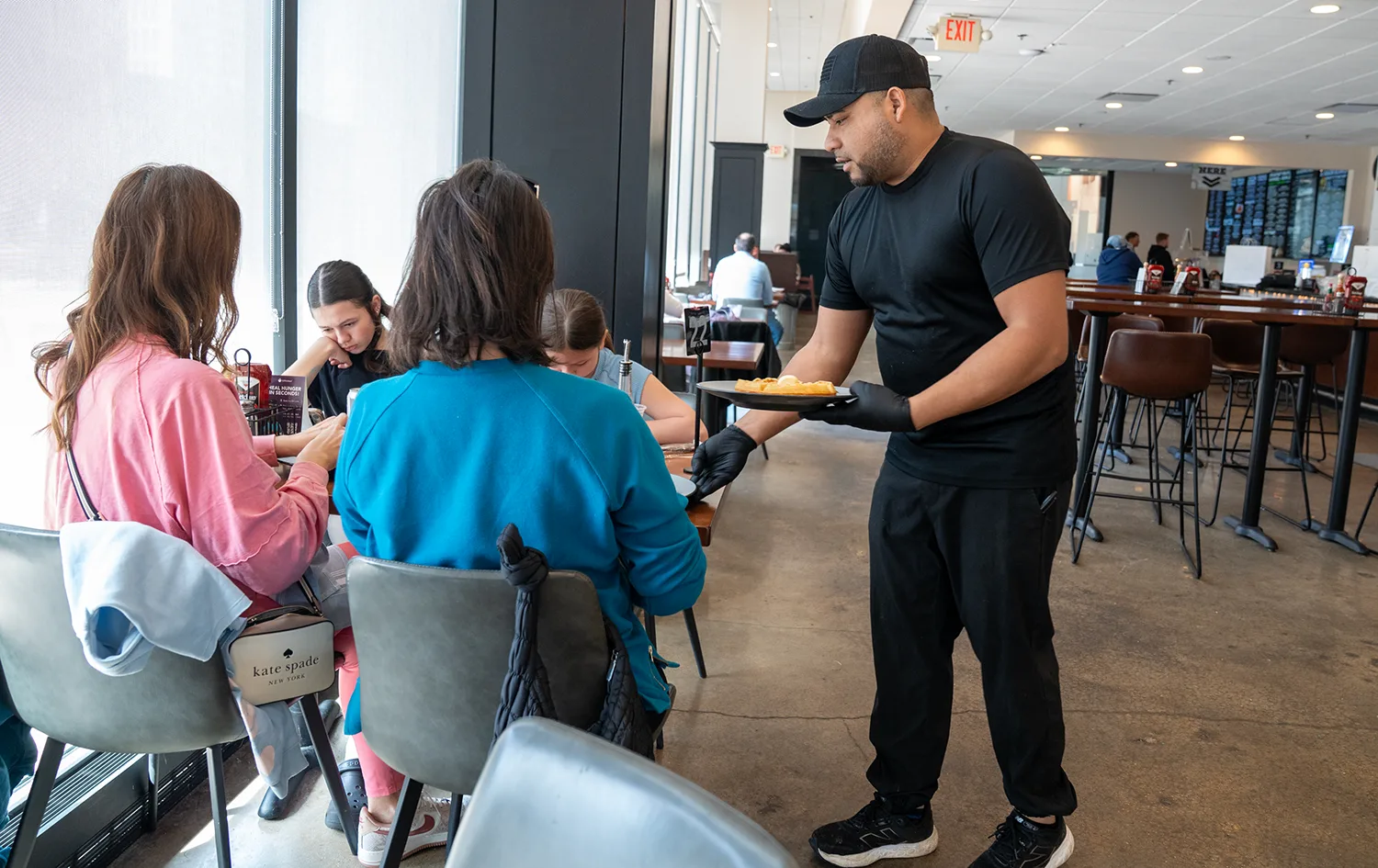
It’s no secret that the business of running a restaurant can be unforgiving both in St. Louis and in general. Downtown St. Louis is no exception, with a consistent beat of restaurants or similar establishments closing up shop, some that were new concepts and others that have been in the area for years.
Many of those that have bucked the trend—and there are indeed those that have—have learned how to deal with the surge in patrons that come into town with major conventions or sporting events, such as this year’s figure skating championships and NCAA basketball tournaments. Some restaurant owners say the need to navigate that feast-or-famine flow is one reason downtown is unique among local restaurant environments.
Keep up with local business news and trends
Subscribe to the St. Louis Business newsletter to get the latest insights sent to your inbox every morning.
“It is night and day, which could mean a business literally staying open or closing,” says Corey James, who owns and runs Buddy’s Local Grill & Bar and Bella’s Coffee Cafe only a couple of blocks away from America’s Center.
Before Bella’s recent refresh into a coffee bar, when it still served mostly frozen yogurt, James says, the high school volleyball tournaments St. Louis has hosted in early spring for the past half-dozen years provided cause to open even in colder temperatures.
“That volleyball convention for downtown St. Louis is incredible,” James says. “It’s probably one of the best conventions we’ve ever had for Bella’s over the past six years. We literally open up early because they come in.”
The convention traffic is essential for hotels and restaurants in the region’s core, says Matt Ratz, owner of Lou Restaurant Group, which includes the brunch and breakfast spot UKRAFT (both downtown and in Chesterfield) and soon to open GuacoTaco.
“It’s such a big thing, I can’t express that enough,” he says. “A key to a convention is you better have restaurant infrastructure to support that convention, because they’re not going to come back [if not].”
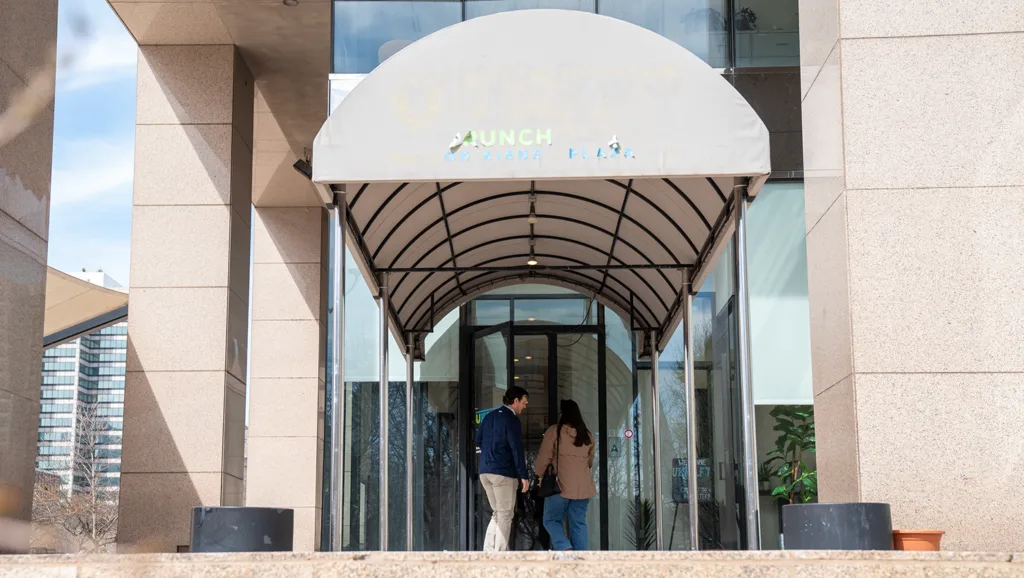
Ratz says his UKRAFT location in the Peabody Building is positioned a short five to ten minute walk from many parts of downtown, such as Washington Avenue, Ballpark Village, the Arch Grounds, and Enterprise Center. That walkability looms large in the success of his establishment, especially in warmer weather, he says.
“Weather drives this location more than our other one, and that is because of the walk,” he says. “It’s significant.” Warmer weather, he says, means doing “upwards of about 30 to 40 percent better in revenue.”
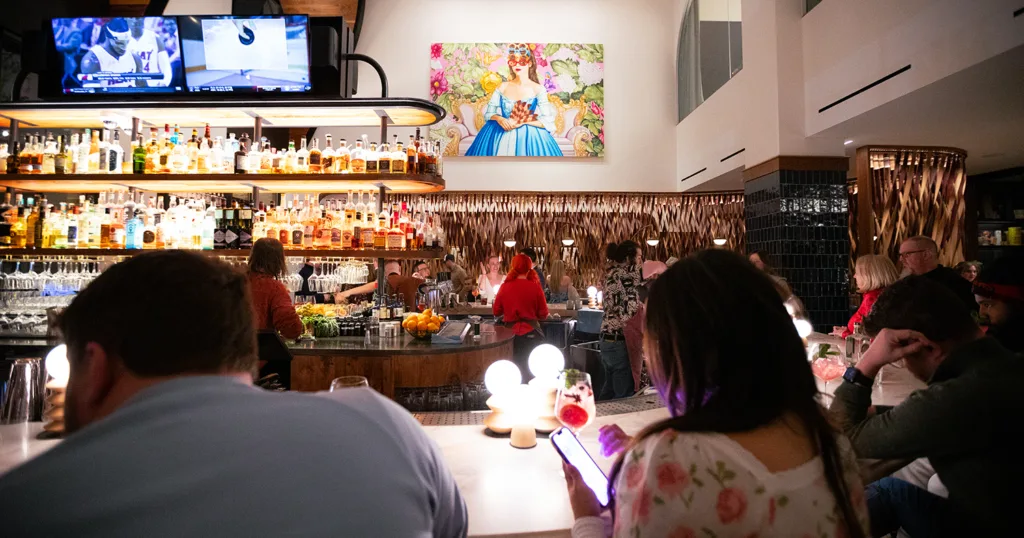
Even establishments that aren’t next to the convention center still see a boost during times of higher visitor volume. Christopher Randall, who directs community impact for 21c Museum Hotel, says it’s clear when a convention or major event is in town because the hotel’s restaurant, Idol Wolf, and coffee shop, Good Press, will see heightened activity.
“It’s when you see that big crowd on a Tuesday night, or that overwhelming push at the bar on a Monday,” he says. “If there’s not a lot of action going on, these are relatively quieter nights. People are still filling the space, but there’s not large lines or anything at the bar.”
But Randall adds it’s just as important to consistently draw clientele when there isn’t a surge of visitors in town. That means rising to the top of people’s dining bucket lists, which could otherwise take them to one of the “many niche, nook and cranny food scenes here in the region,” he says.
“People are making their way here with intention, and you have to be very intentional about coming into our space,” he says.
Jordaryl “Jordy” Logan has noticed something similar with the people who regularly visit his year-old restaurant and lounge The Moniker. Initially, Logan says he expected the place to be a destination, with the ability to draw people in from across the region.
“It’s not that. It’s more or less the community that we’re in that supports us,” he says. “It’s my neighbors, it’s everyone down here that chooses to go eat [and] seek us out, versus people that have to go eat.”
Logan says he’s grateful for the support from those living nearby. He adds he’s still looking to crack the code on capturing convention traffic, which he says is “lacking in representation” inside his restaurant, despite being just across Wash Ave from James’ establishments.
Both staffing and consistent service can pose challenges when downtown restaurants get inundated with visitors. UKRAFT’s Ratz says staffing is tricky during a surge “because a big convention only comes maybe once a month, once every two months,” meaning the rest of the time a higher staffing headcount isn’t necessary.
“Monday through Friday, with the business traffic, we do enough revenue then that we’re good being breakfast and lunch,” he says. “Anything on the weekends is kind of a cherry on top.”
James agrees when it comes to maintaining a leaner staff, which he says is the case with Buddy’s. But he adds there’s much more opportunity for new establishments downtown, citing the forthcoming food hall from developer Alex Oliver and James’ own new grab-and-go market and speakeasy, which he expects will open later this year.
“There’s not enough restaurants to service the amount of people that we do get already,” he says. “The different restaurants that are starting to pop up more and more, the things we’re doing, it’s because there are still lines outside the door.”
And Randall sees this as a net positive for the area, giving more reasons for people to visit downtown, thus increasing the traffic to the establishments that are already open.
“If you have those options, you know you’re not losing the business to outside of the area,” he says. “If you can’t get it here, people are going to escape to the places where they can.”