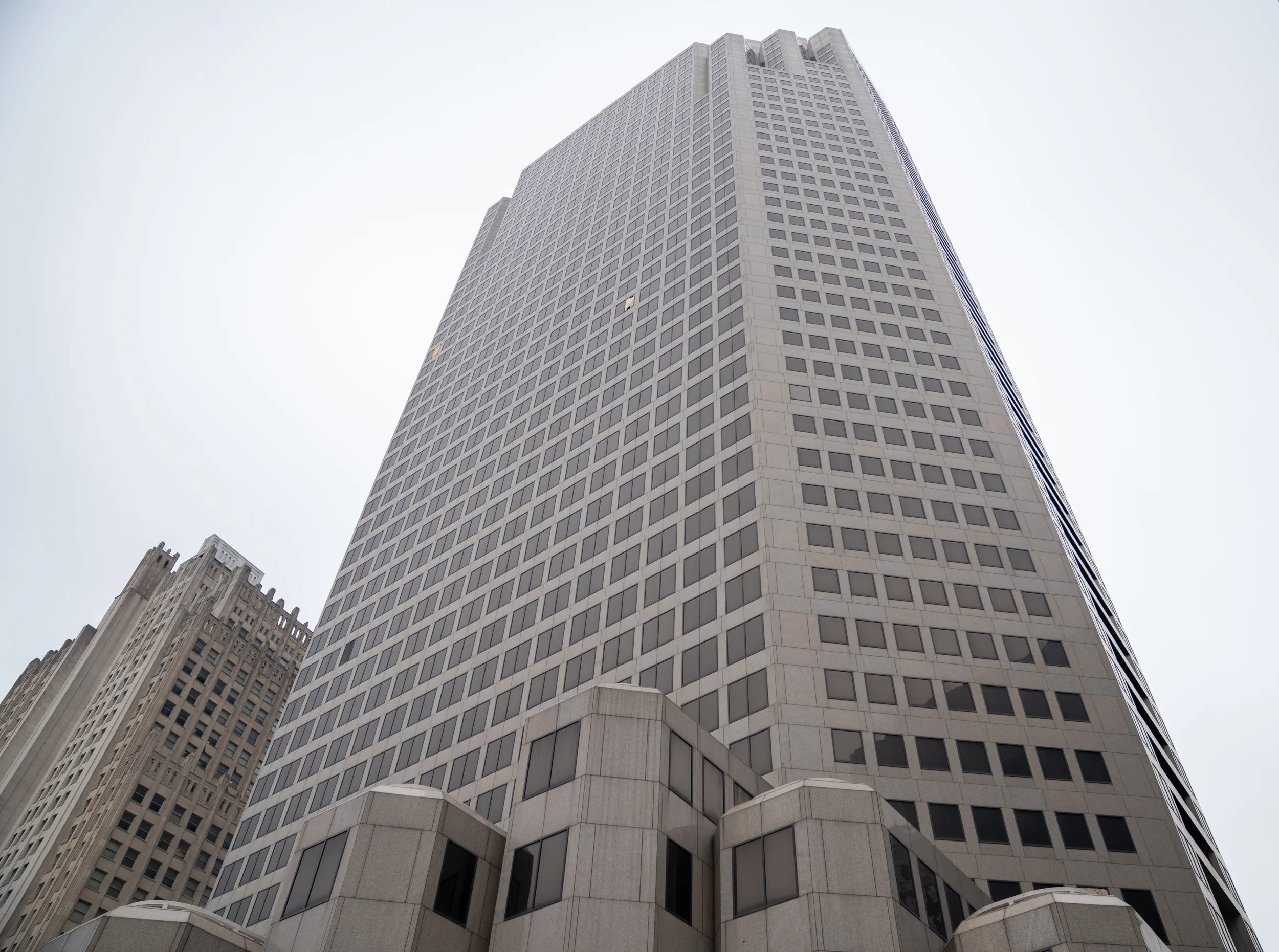
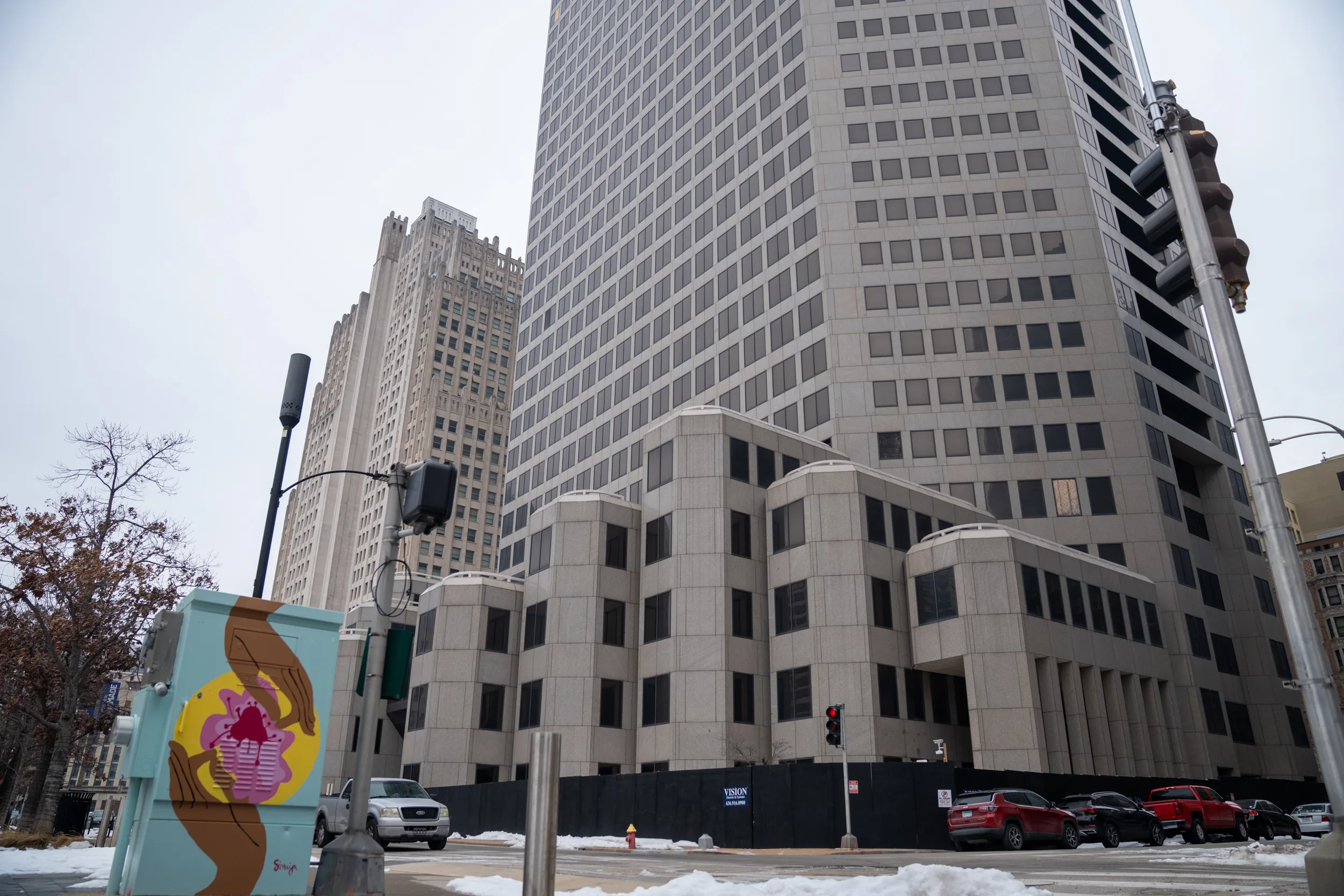
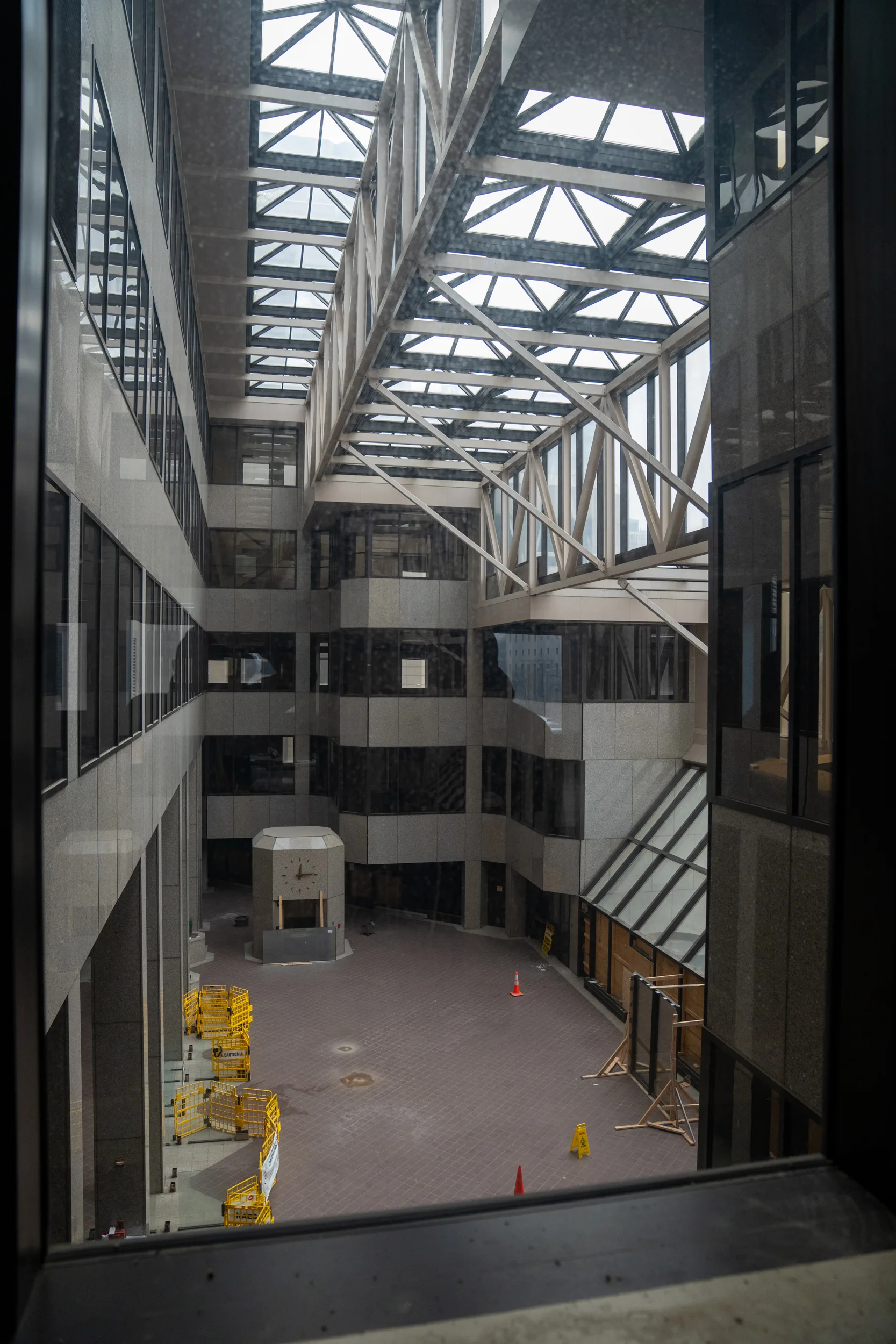
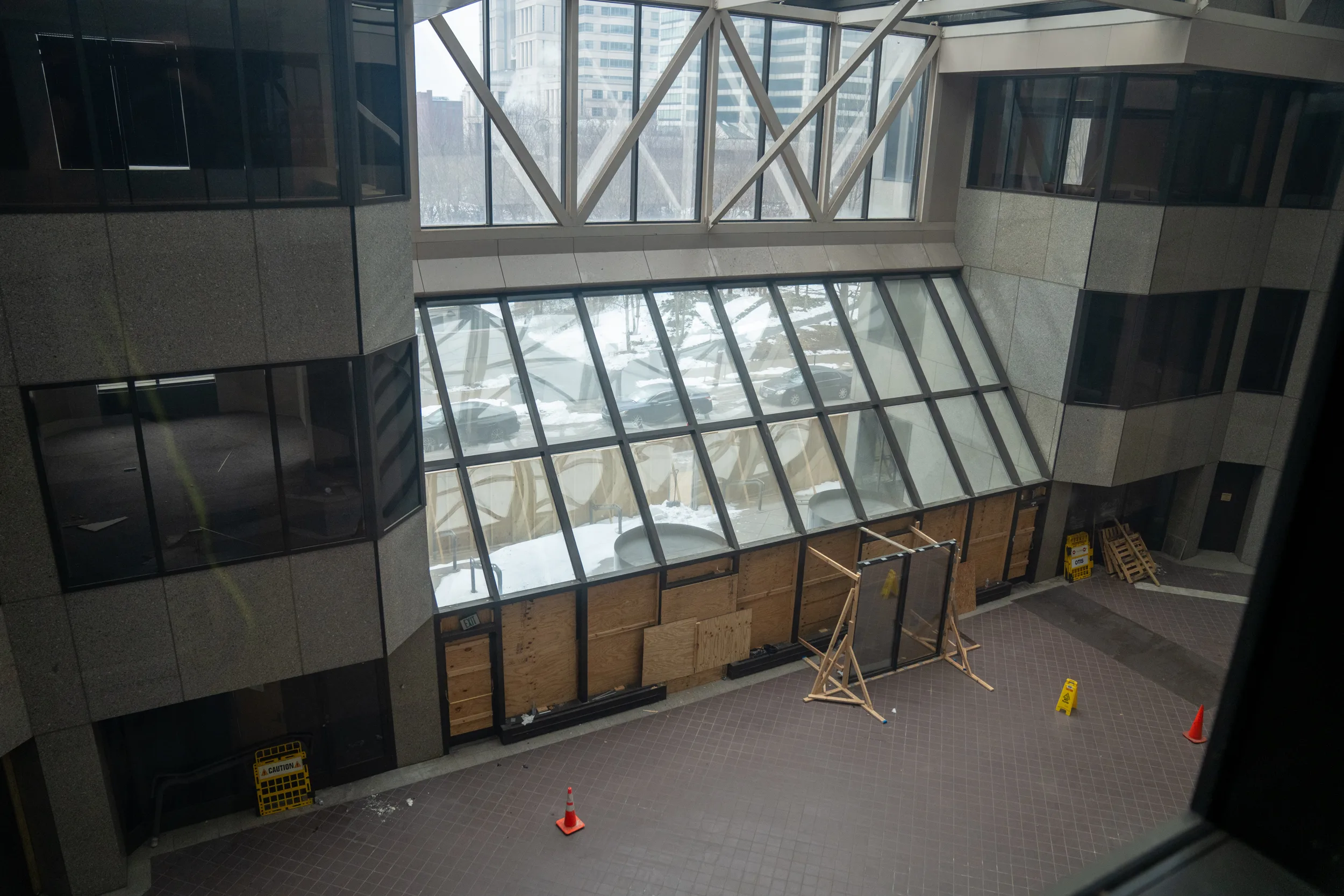
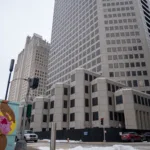
On a recent frigid weekday morning Charles Goldman stood inside the lobby of downtown’s AT&T Tower, admiring the space and envisioning what could possibly be next for the long-vacant building.
Despite the cold interior—both physically (Goldman’s breath condensed in the unheated building) and metaphorically (all that empty space)—Goldman chooses to focus on the warmth he intends to infuse into the 44-story office tower in the form of a roughly $350 million redevelopment.
Keep up with local business news and trends
Subscribe to the St. Louis Business newsletter to get the latest insights sent to your inbox every morning.
“The building itself has incredible potential, amazing bones, great location,” he says. “It’s one of the defining assets of the St Louis skyline. It’s strategically located downtown. It has the kind of scale that can make an incredible impact on not just downtown, but the region.”
Goldman is the managing partner of the Boston-based real estate investment firm The Goldman Group, which has primarily focused on similar adaptive reuse projects in the Northeast. He has a sprawling vision for this whale of a building totalling 1.4 million square feet, with plans to add more than 630 new residential units plus hundreds of thousands of square feet of amenities and retail space.
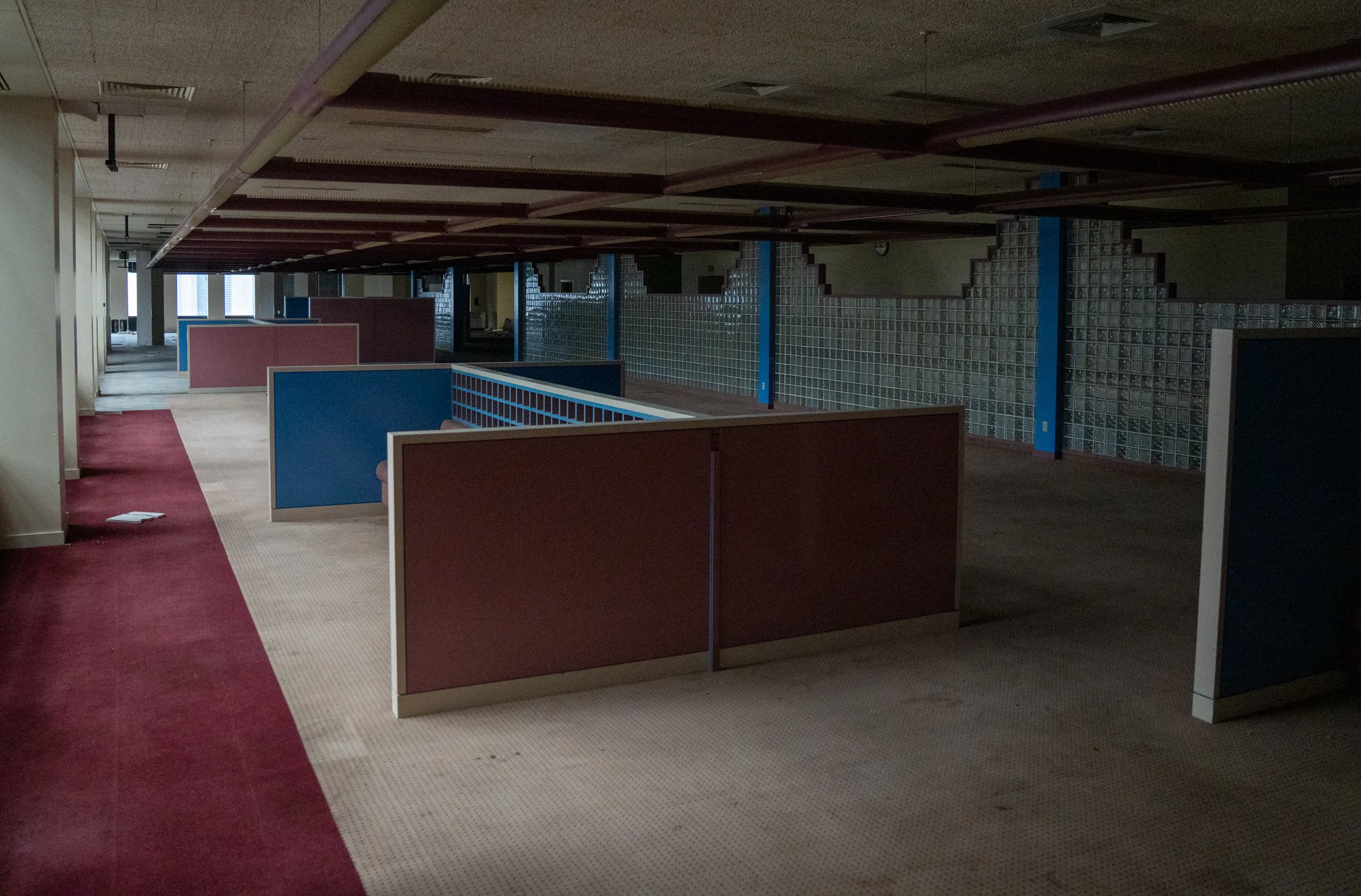
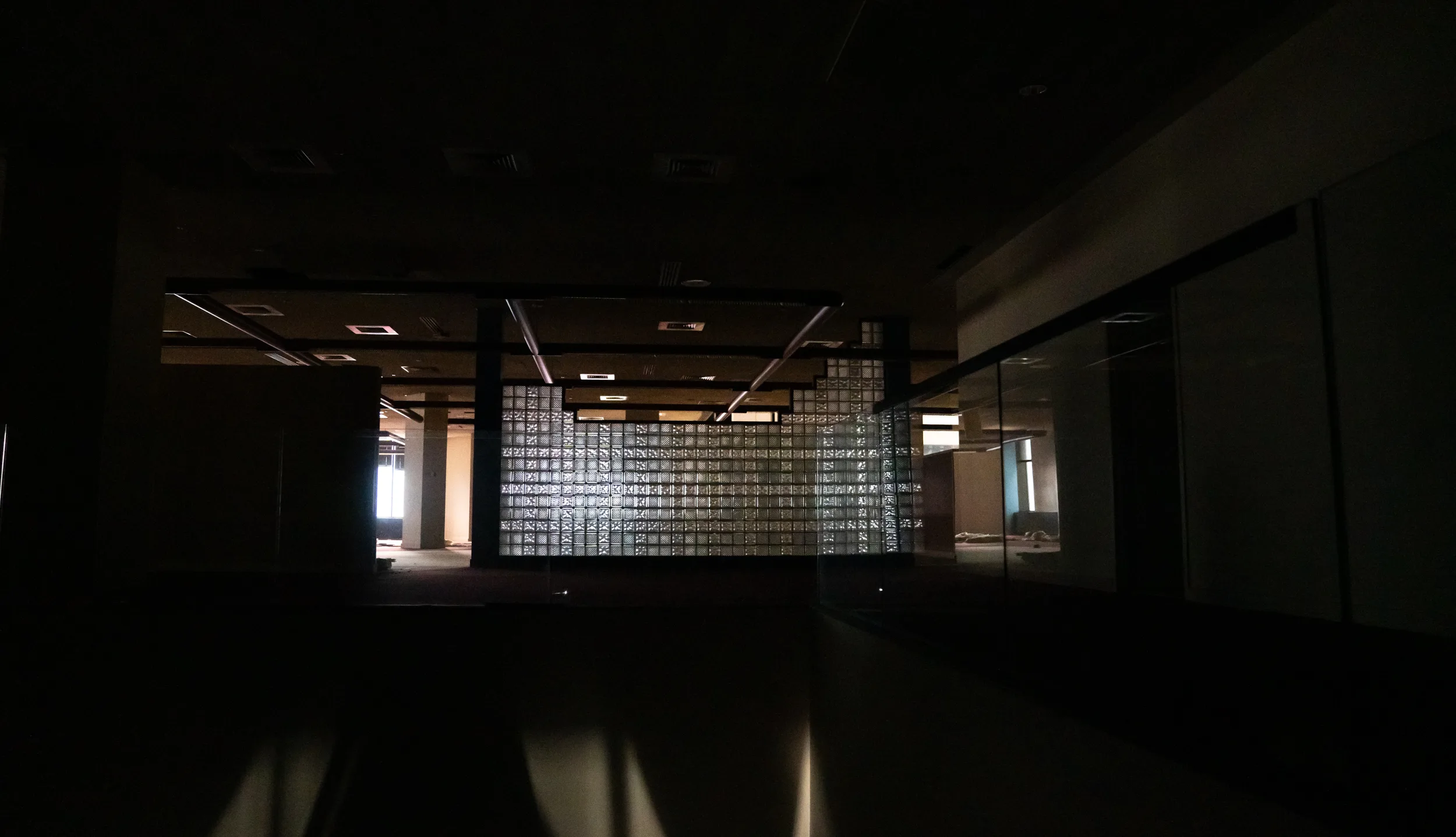
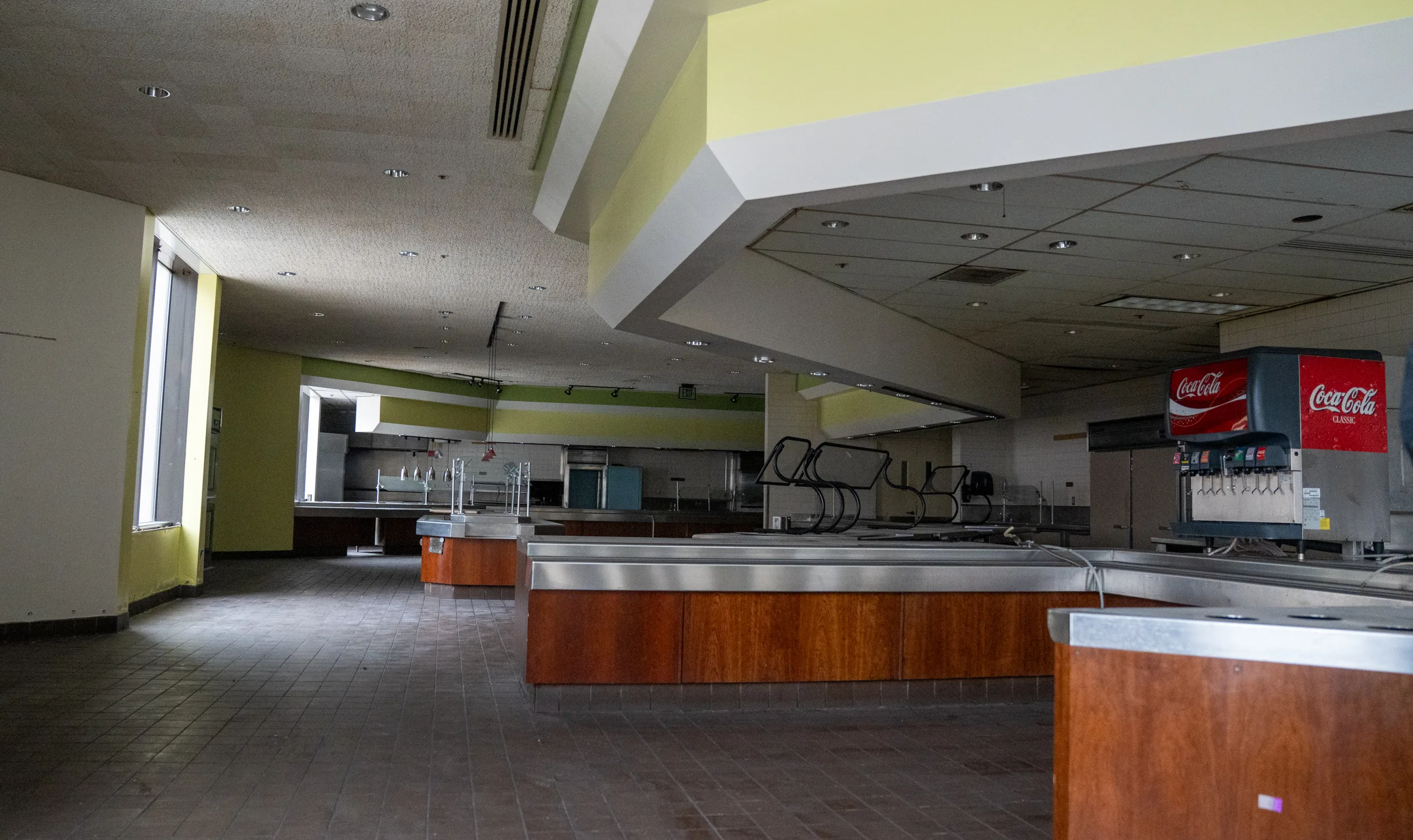
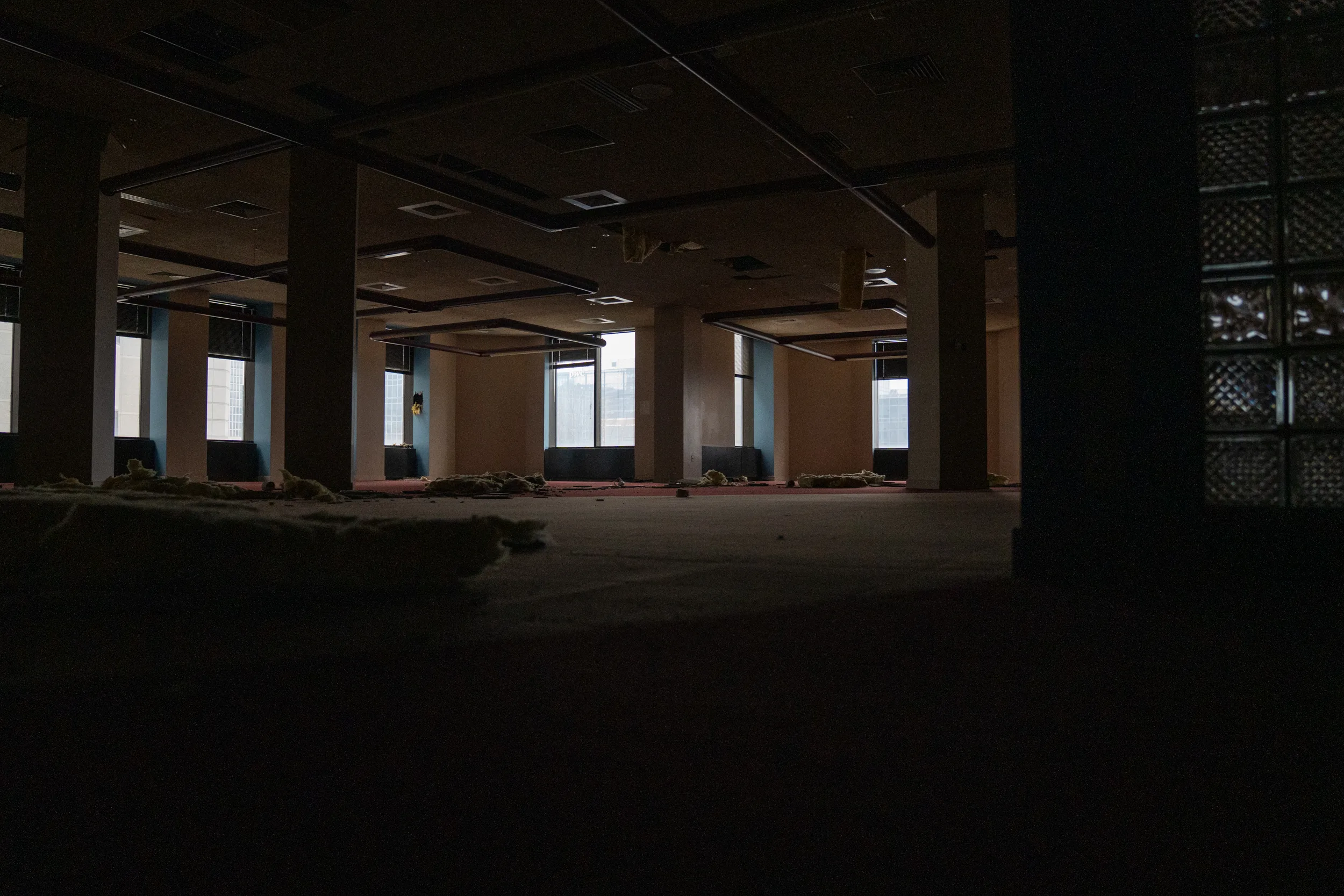
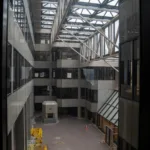
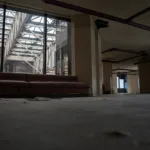
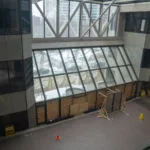
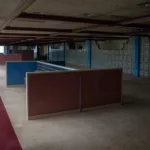
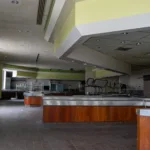
“Our goal is to create the kind of experience in the building where residents can enjoy all of the conveniences of everyday life without necessarily having to leave, but on the other hand, contributing very directly to what the needs are of downtown and creating an experience that draws people in from the region,” Goldman says.
Among the first three floors he can envision tenants that existing downtown residents have asked for for years, such as “a bank, cafe, restaurant, grocery store, pharmacy, all of the above.” But Goldman stresses the importance of filling the space with things that will attract people from far beyond downtown too, giving a year-round reason for people to visit the region’s central core.
He describes a vision of a chandelier in the lobby about 200 feet wide and 20 feet high hanging from the ceiling in the vast lobby, “made of glass doves that cascade toward the center,” coupled with a waterfall feature similar to the Seminole Hard Rock Casino & Hotel’s Oculus in Florida.
“We’re putting a lot of thought into how the building can connect the surrounding fabric of the community,” he says, making the building feel less isolated and more folded in with the downtown community.
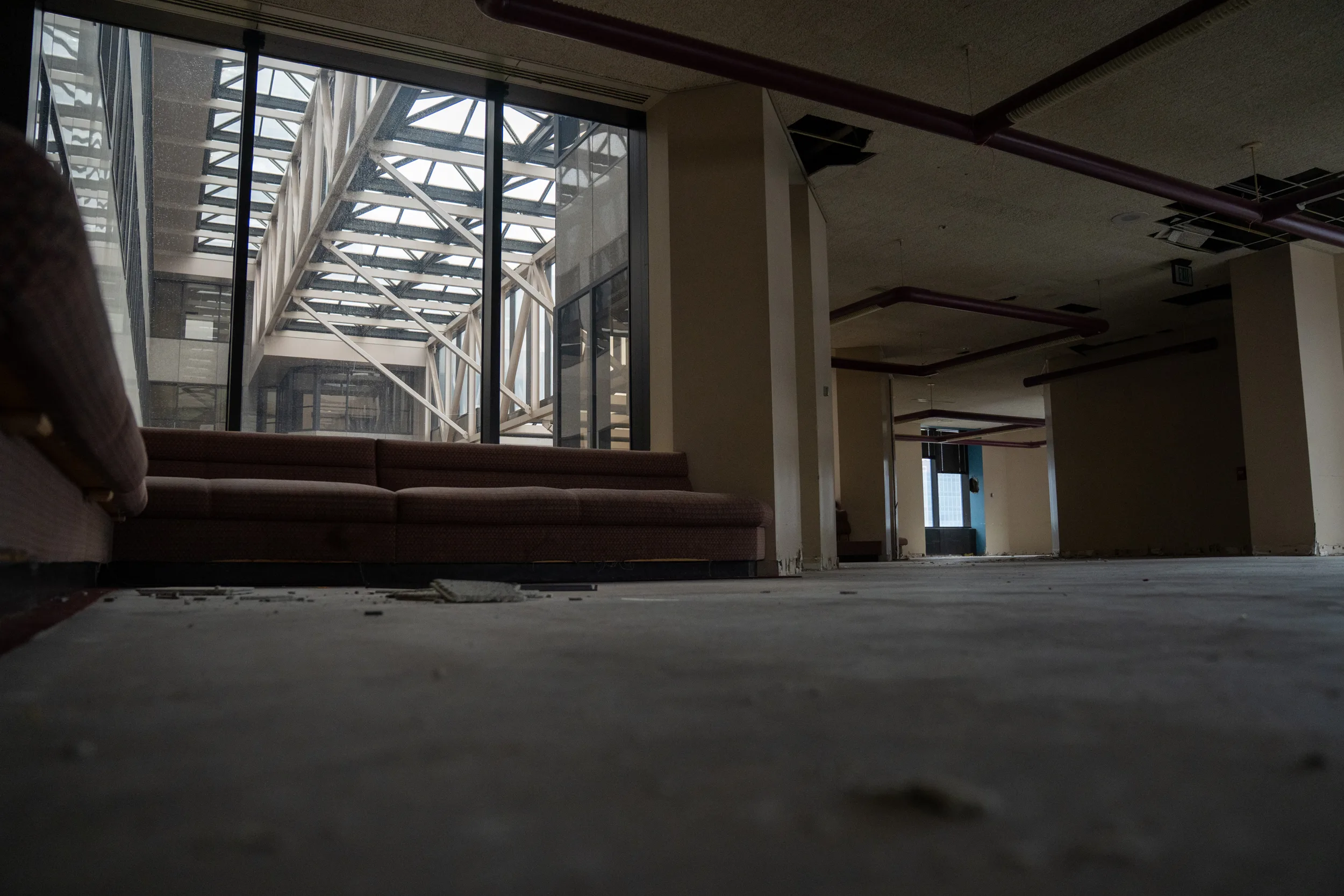
Goldman also aims to make the building a draw by packing it with amenities. Taped to the wall by the building’s core elevator shafts are the various plans Goldman has for some of the top floors, including one that’s presently a mechanical floor with 23 foot-high ceilings.
“We immediately thought basketball and pickleball,” he says. “We can fit nearly a full NBA size basketball court on one side with two pickleball courts on the other. A small and large dog park. And because of the ceiling height, an atrium track.”
He also envisions more typical amenities, such as a clubhouse, fitness center, spa, or bowling alley. Plus more flashy items such as an indoor event space, rooftop pool, or glass-enclosed restaurant with an observation deck.
“It was important for us to have one location where you could experience a 360-degree view of the entire city,” he says. “We are thinking of opening many of these amenities to the public. In total, we’re considering upwards of 80,000 to 100,000 square feet of amenity space, and that’s a lot, even for a building of this size.”
For a building that’s sat empty since 2017, Goldman says the property has remarkably “good bones” and is structurally sound enough to support an indoor parking garage above the first three floors, which are slated for retail. He shows plans that could include a glass-encased car elevator, where visitors on the first three floors could see residents’ vehicles moving up and down from the automated parking in the lower floors of the building.
Pulling off such a project would take multiple years of phased construction, though arguably the more challenging aspect is securing the capital required for the $350 million proposal. It’s a capital stack that will likely include a mix of private equity, construction debt, Commercial Property Assessed Clean Energy financing, and incentives from the state.
That final one is proving a bit of a challenge after legislation to make at least $25 million in tax credits available for office-to-residential conversions for large buildings stalled last year. An identical bill is working its way through Jefferson City again this year.
When asked if he would remain committed to this project in St. Louis next year if lawmakers again fail to pass tax credits, Goldman responded with “ask me next year” followed by a wry smile.
St. Louis Alderman Rasheen Aldridge is encouraged by Goldman’s continued commitment to this project.
“That’s the type of dedication we need, with developers who actually want to see [not] just the betterment for downtown, but betterment for the region,” he says. “I look at this project as being a catalyst to other projects. Once the AT&T building comes on board, that is only going to bring energy in the surrounding areas.”
Aldridge says he’s encouraged by the momentum he sees, saying, “A lot of leaders are working together” including his colleagues on the board, but also St. Louis Mayor Cara Spencer and state legislators, on ways to re-energize downtown.
“When you see Republicans and Democrats working together, you know it’s something good,” he says.
Aldridge and Goldman share confidence that lawmakers can deliver on the mechanisms that will help the project go from plans on the wall to a reality.
Says Goldman: “I’m an optimist at heart, but I see a very bright future for St. Louis.”