Leo is 11 years old, lives in New York, and is undergoing radiation treatment for cancer. Despite his illness, he feels incredibly lucky, for as he whispers to his little sister, his diagnosis coincided with the discovery of an incredible power.
There several different films nested within Italian director Roberto Andò’s droll thriller The Confessions, among then an Agatha Christie-style murder mystery, a caustic critique of neoliberal economics, and a work of Catholic apologia.
Spun off from the venerable German police show Tatort, Marka’s film has the slick, somber look that is typical of contemporary Euro-procedurals, with obligatory dashes of hellish shadow.
Even if Holly herself never quite evolves into a proactive heroine, the film features an unexpectedly robust and feminist attentiveness to the manipulative tactics employed by men.
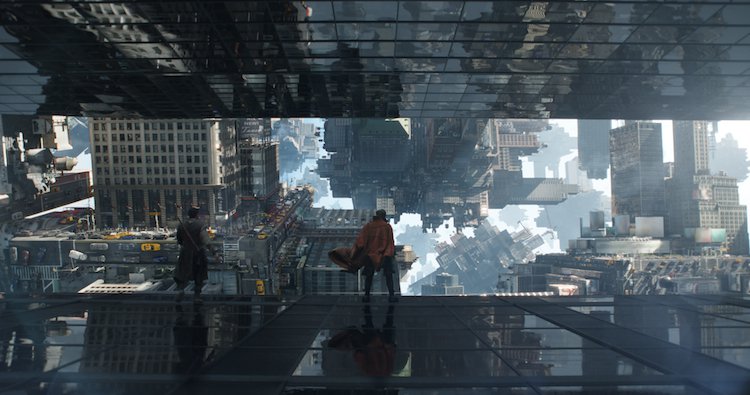
For all its flaws, “Doctor Strange” is a triumph for Marvel in one crucial respect: It finally realizes the true potential of cinema for astonishing comic book action.
What emerges from the film is a quiet tragedy about the way that contemporary Iranian society constrains women’s choices, ignores their concerns, and belittles their hopes.
Director Attila Szász’s new historical thriller endeavors to bring an Edwardian true crime tale to a wider audience, albeit in a highly fictionalized form.
The film fidgets menacingly within the no man’s land between genres—quieter and more esoteric than a standard wartime thriller, too elusive to be a proper horror or science-fiction feature, and yet far too grounded for the label “surreal.”
The film weaves the experiences of three protagonists into one epic story: a saga of women’s anxiety, disappointment, and enervation, expressed within a precisely rendered Big Sky Country setting.