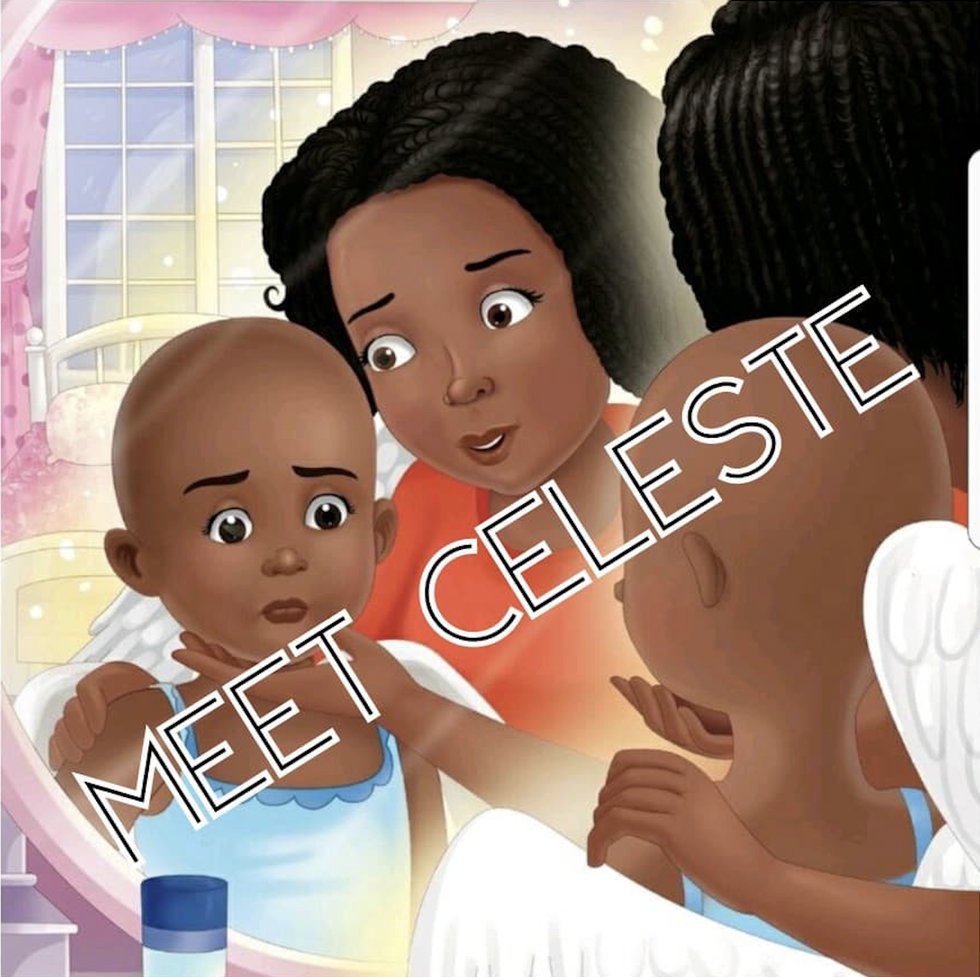
Celeste is a tiny, bald princess with a most extraordinary power: She can grow hair! Not for herself—who needs it?!—but for little girls who have alopecia or are going through chemo and don’t like the stares.
Chauna Payne can grow hair, too. She finds these little girls just the right wig—one made from human hair, so she can add highlights or lowlights and natural texture; one that won’t slip off a young cheerleader’s head when she does her stunts; one that has a cool lace cap of just the right flesh color so it will be seen as her scalp.
Payne’s new children’s book, Heavenly Hair Ever After, came straight from the heart, after years of consultations at St. Louis Children’s Hospital. You are beautiful already, even without hair, she wanted those kids to know. But, sure, if you’re seven and you just want to look like your friends, we can make that happen.
“One little girl, her Facebook page was “Mariah Smiles.” Her hair and eyebrows were gone because of alopecia. She was posing smiling, full of joy, but when we talked one-on-one, she said, “I do miss my hair. I like your hair!”
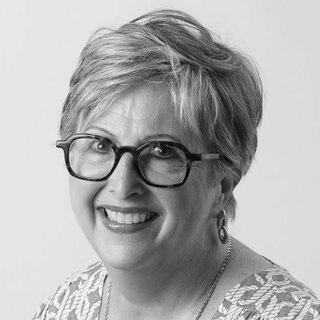
Payne’s hair changes with her mood, she told the little girl with a grin, pulling out pictures. Fire red, short on one side, a fade where she was almost bald—“That’s the style I got the most compliments on!”—and a 26” platinum-blond wig. “I rock my hair,” Payne said. “My hair doesn’t rock me.”
Mariah’s face lit up, and she started trying on different wigs. Payne ordered her favorite, and some eyebrows, too. “Her mother called a few days later and told me she was putting her wig on and taking it off at school, and the kids started to make fun of her, and she said, ‘I have a Miss Chauna, and Miss Chauna can give me whatever kind of hair I want whenever I want to wear it.’”
Payne’s vocation started the day she realized hair existed. Her Facebook profile pic shows her as a baby—with a wig on. She loved playing with hair, playing with wigs. She went on to study both nursing and cosmetology: “I chose cosmetology because I was just too emotional!”
When she started doing hair, wigs weren’t popular. “Old ladies at church wear wigs!” her clients would groan, to which she’d retort, “Do y’all think Beyoncé is having extensions sewn in? Those celebrities are doing quick changes.”
Women began to realize that. And wigs began to improve.
Meanwhile, more oncology patients were consulting Payne, and “the one thing guaranteed to bring tears was talking about how, with a wig, they can recreate the look they had before the hair loss. Because people have a natural tendency to associate hair loss with sickness. When I hear those women’s stories, I realize there’s a direct correlation between how you look and feel about yourself and the quality of your life going forward.”
Sure, it would be nice if men didn’t feel like Samson—that their strength and vitality are in their hair. If little boys weren’t told not to cry about being bald, ’cause Grandpa was bald, too. If women didn’t crave the long, glossy, luxuriant curls they see on shampoo commercials.
At least adults have Sinead O’Connor and Grace Jones to combine talent and beauty with a bare, glowing scalp. “But society and the media don’t really leave too much room for no hair being beautiful,” Payne says wryly, “and little girls have nothing. You just don’t see bald Disney princesses.”
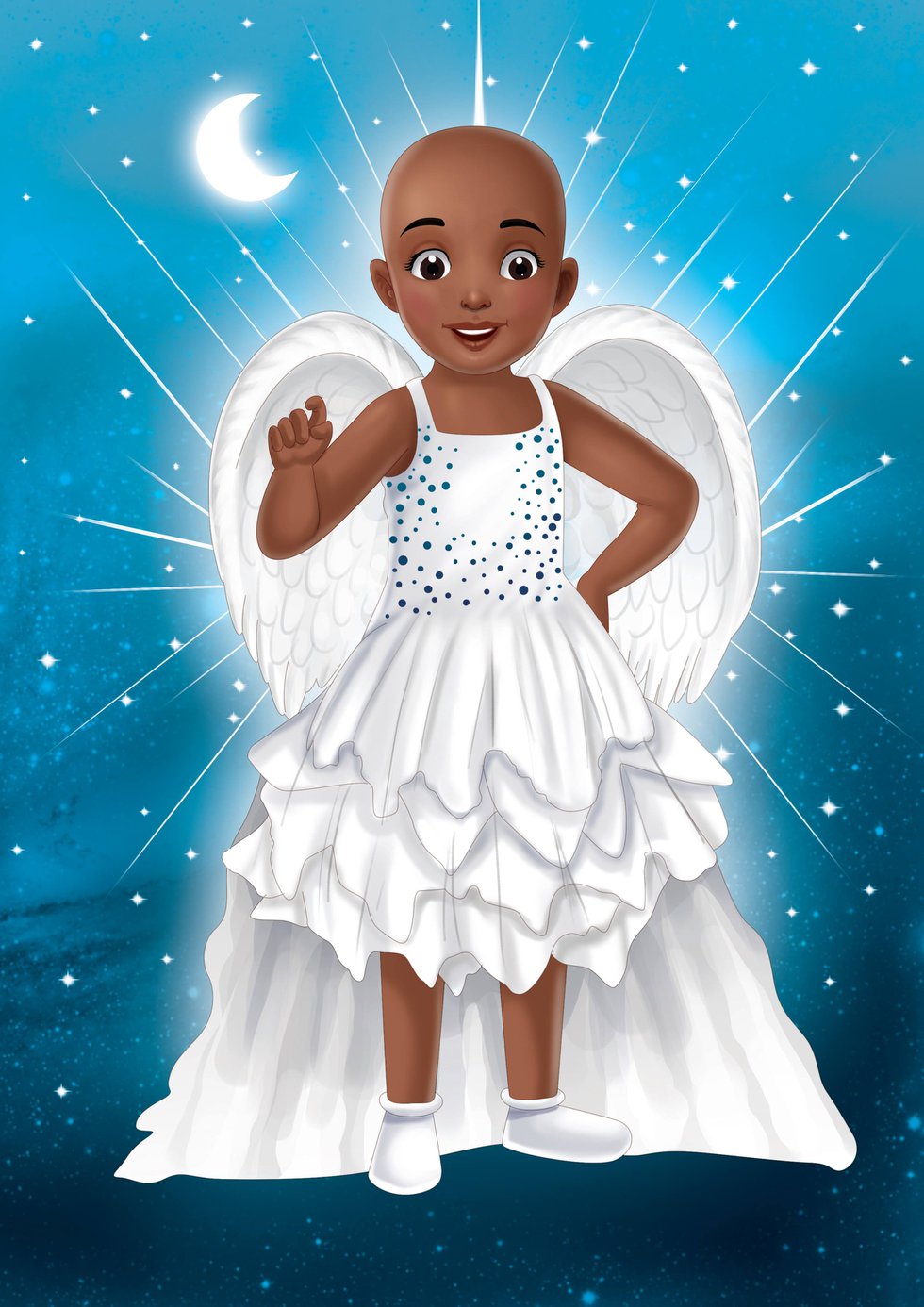
She intends to mix it up in her children’s books: This one’s about Celeste learning of her magical power and helping a little girl who wants hair; in later books, some children will decide they’d rather play with different wigs or choose to be bald like Celeste.
As the princess is told in the book,
Repeat after me: “I am wonderfully and fearfully made. I will define what beauty means, not this world. No matter what my hair situation is, I will always be me, my beautiful self.”