The Civil War in St. Louis is back in the news again, so it seems appropriate to investigate some of the vanished and surviving remnants of that conflict here. With its burgeoning economy, railroad connections and strategic location on the Mississippi, St. Louis was a major prize for both the Union and Confederacy. Also, the city’s divided loyalties provided the perfect opportunity for both sides to obtain a sympathetic populace in a major western industrial center. What is perhaps most interesting about St. Louis’s role in the Civil War is just how little evidence is left of it. The city was primarily built up east of Jefferson Avenue, and most of the buildings from antebellum St. Louis have long since been demolished, either in the explosion of economic activity after the war, or in urban renewal in the mid-20th century. But some sites—or at least their memories—remain. Below are, and by no means exhaustive, summaries of the more distinctive places in St. Louis related to the Civil War.
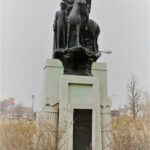
Camp Jackson, Lindell Grove
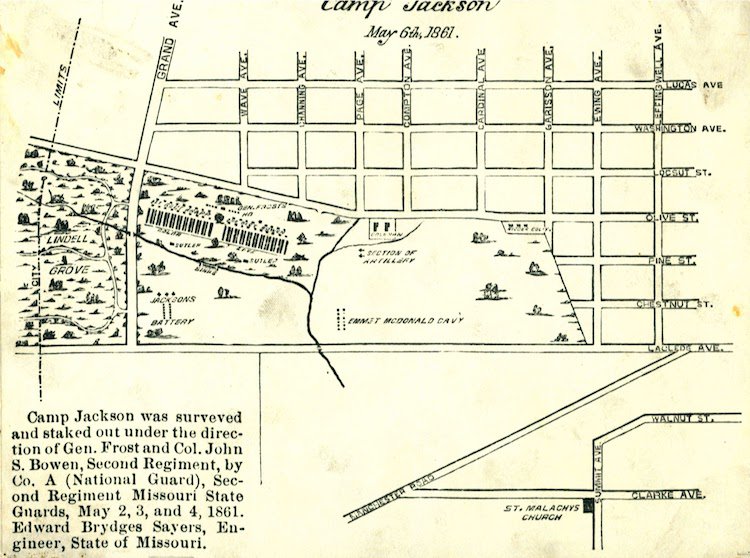
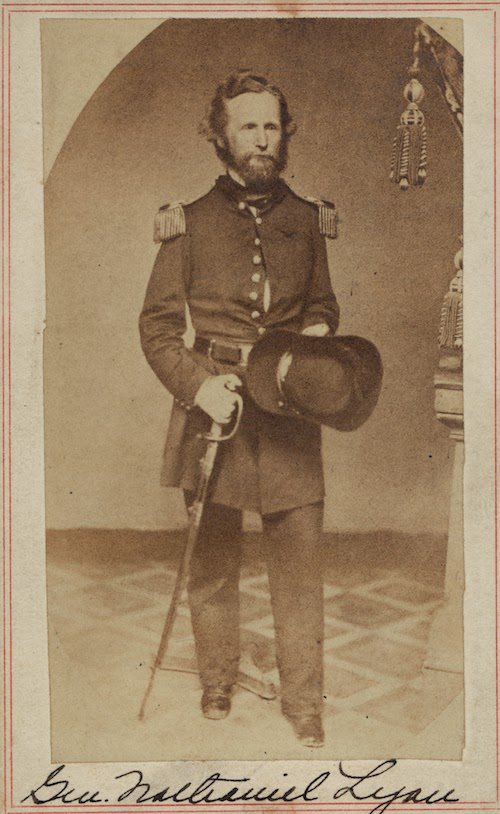
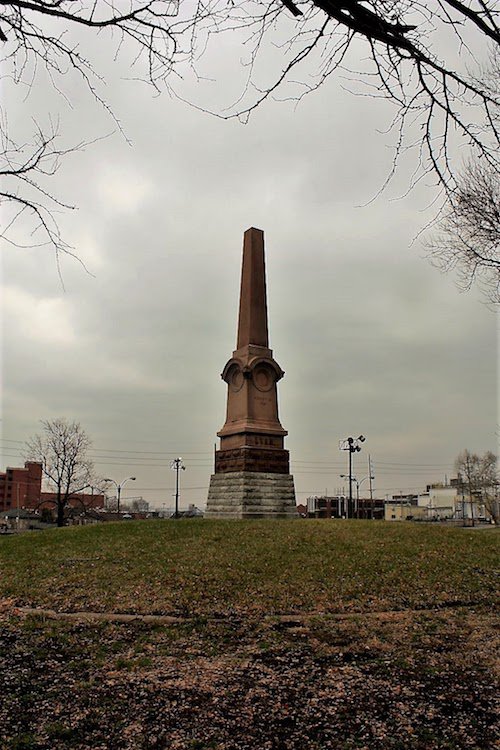
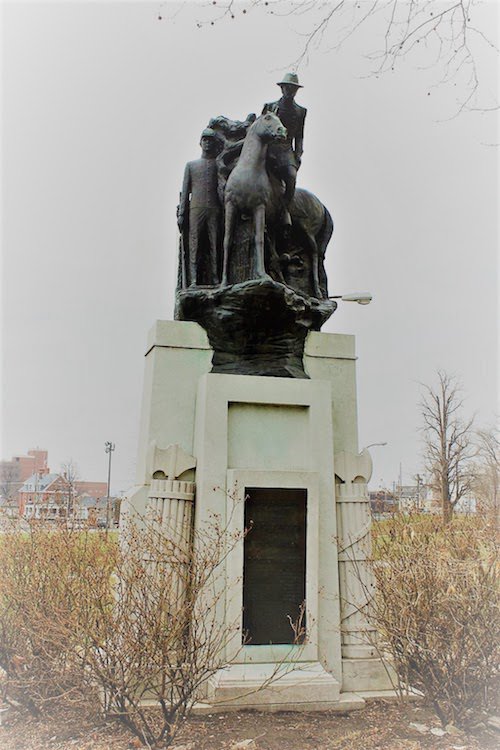
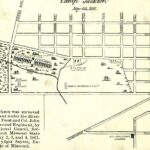
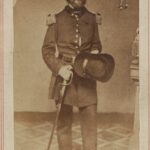
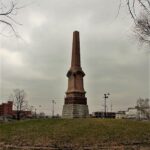
Now the site of St. Louis University, the intersection of Olive and Grand was out in the country in 1861, when a militia of Confederate sympathizers led by Brigadier General Daniel M. Frost were captured by a mostly German-American army led by Captain Nathaniel Lyon. Based off of letters and other reports at the time, the state government was attempting to seize the arms at the Federal Arsenal near the Anheuser-Busch Brewery. While marching the prisoners from Camp Jackson back to the Arsenal, the soldiers were attacked by a mob, resulting in the deaths of 28 civilians. Future general William Tecumseh Sherman witnessed the altercation with his son. Despite legends claiming such, no weapons were hidden in the Anheuser-Busch lagering cellars, though a former investor, Dr. Hammer, did help hide weapons temporarily before their transfer to Illinois. A monument to Nathaniel Lyon, later killed at Wilson’s Creek, was built in Lyon Park, across from the Arsenal, and a monument to his victory, erected on SLU’s campus, was later moved to the park in the 1930s.
See Also: The Foundations of a Great American Brewery: The Early Architecture of Anheuser-Busch
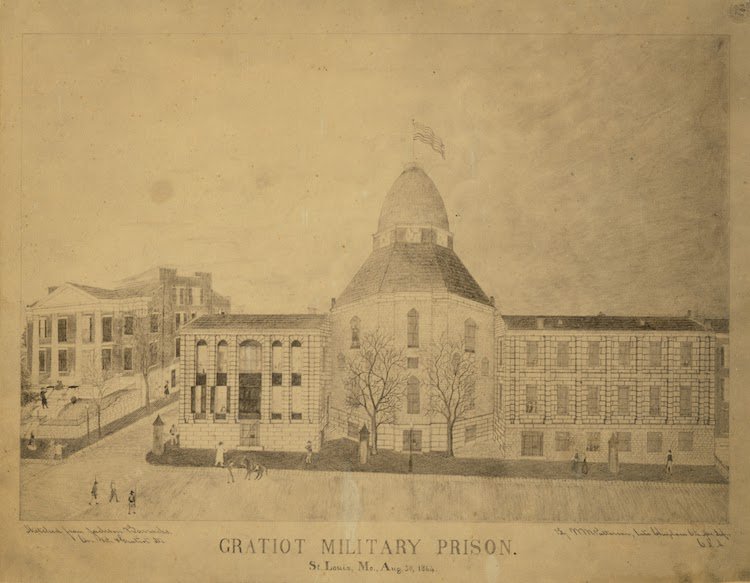
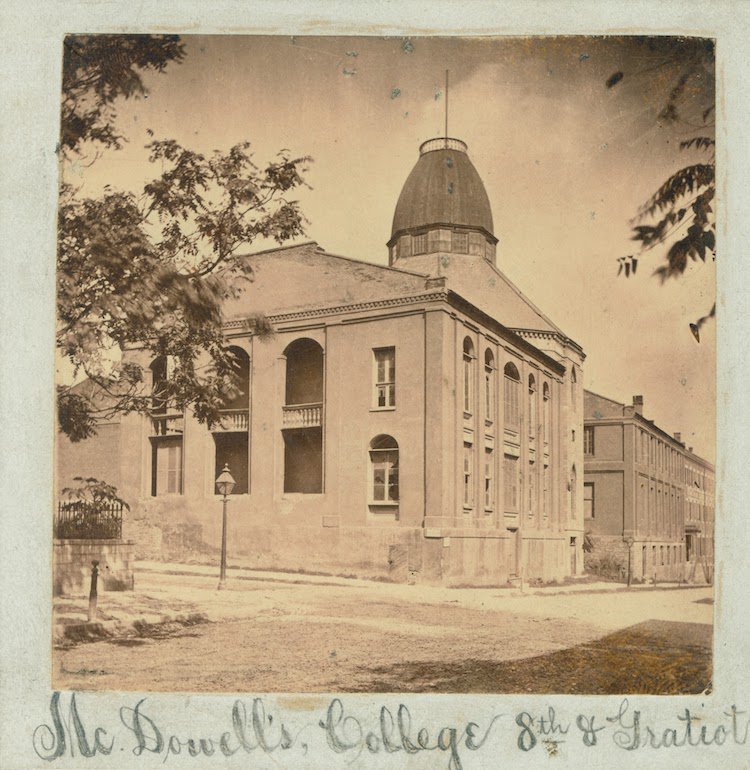
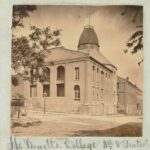
Gratiot Street Military Prison
The former home of Joseph McDowell’s medical college, the Gratiot Street Military Prison served as a detention building for captured Confederate soldiers, spies, and suspected Southern sympathizers. The building already possessed a bit of a macabre reputation, because despite Dr. McDowell’s later reputation as a pioneering surgeon, rumors of the college’s grave robbing led to a riot in 1849. As was typical, since Dr. McDowell joined the Confederacy as a surgeon, his property was seized by the Union Army in St. Louis. The large, stout building was apparently easily adaptable as a prison, though the presence of Christian Brothers College in one wing led some prisoners to escape by tunneling through the walls separating the prison from the school.
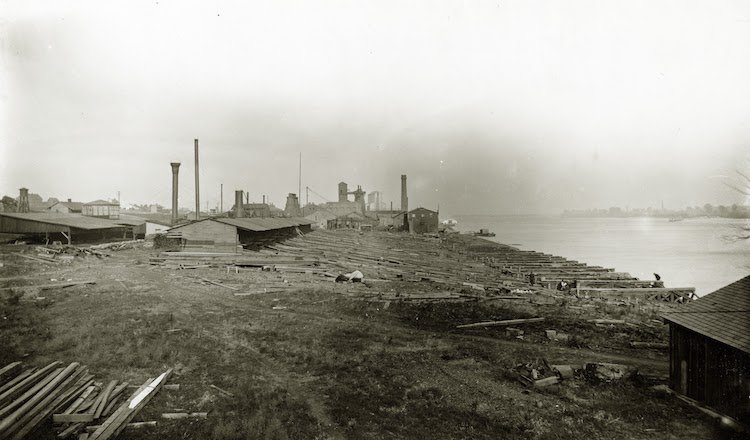
James Eads Ironclad Shipyards
Seemingly nothing remains of the memory of the giant and prolific ironclad shipyards where self-taught engineer James Eads supervised the construction of Union ironclads. The site became the location of Carondelet Coke, cleaned up recently due to pollution and contamination at the mouth of the River des Peres in Carondelet (which, during the Civil War, was an independent town south of St. Louis). A surviving photograph from after the war shows the slips upon which the ironclads would slide down into the river. No doubt St. Louis’ burgeoning industrial might facilitated the construction of the ironclads. Eads made his name with the invention of a diving bell which allowed for steamboat wreck salvaging on the floor of the Mississippi River. After the war, he would build his world-famous eponymous bridge.
See Also: A Cache of Archived Drawings Reveal the Secrets of the Eads Bridge
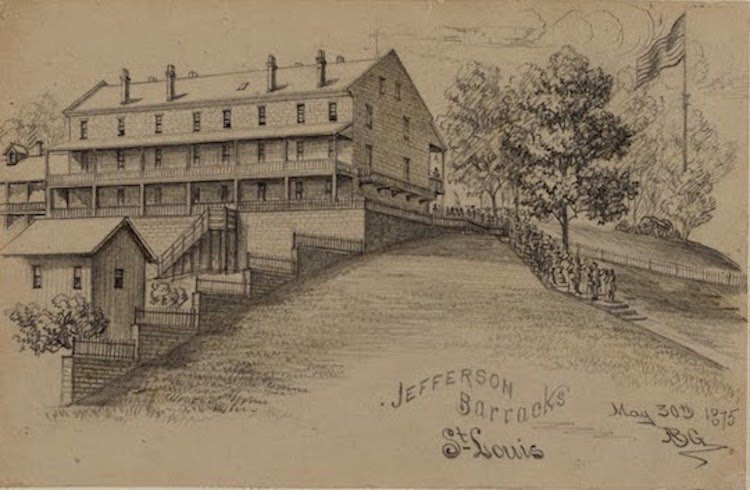
Jefferson Barracks
The large military installation south of St. Louis served much of the West before and after the Civil War. Supposedly, Union General George McClellan developed his dislike of his later superior officer, General Ulysses S. Grant, after witnessing him drunk while both men were assigned to Jefferson Barracks. There are a host of museums in different parts of the grounds of Jefferson Barracks, and a National Cemetery that features graves from the Civil War.
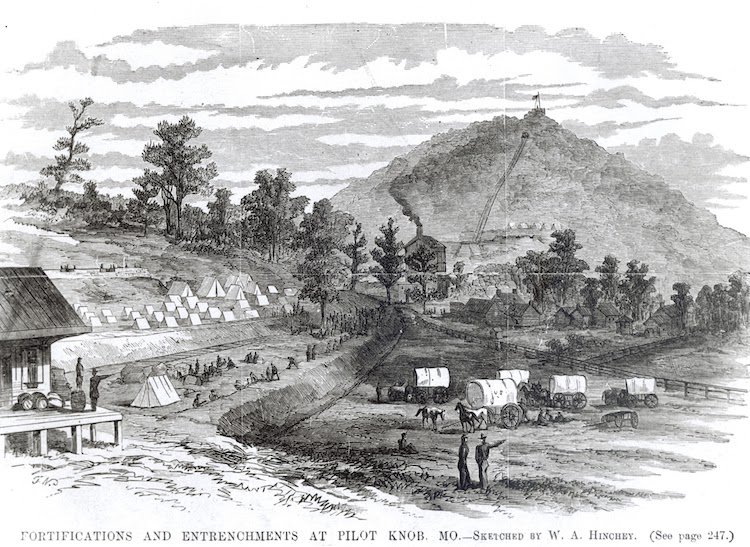
Fort Davidson, Pilot Knob
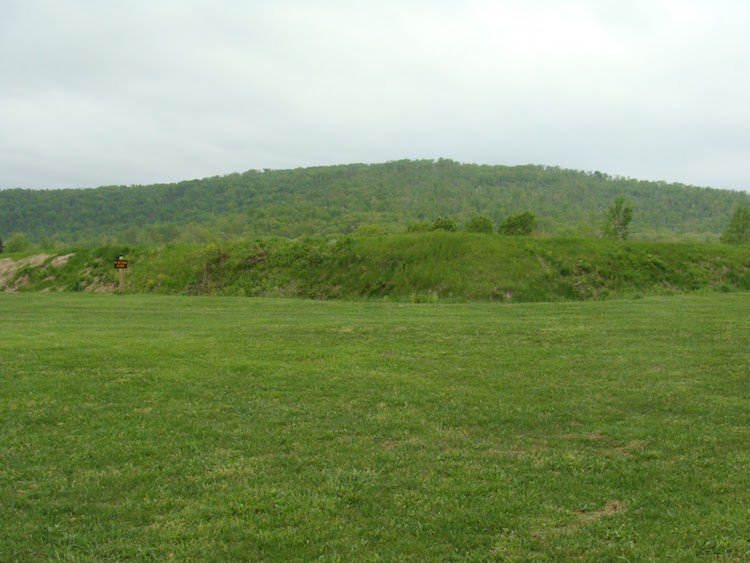
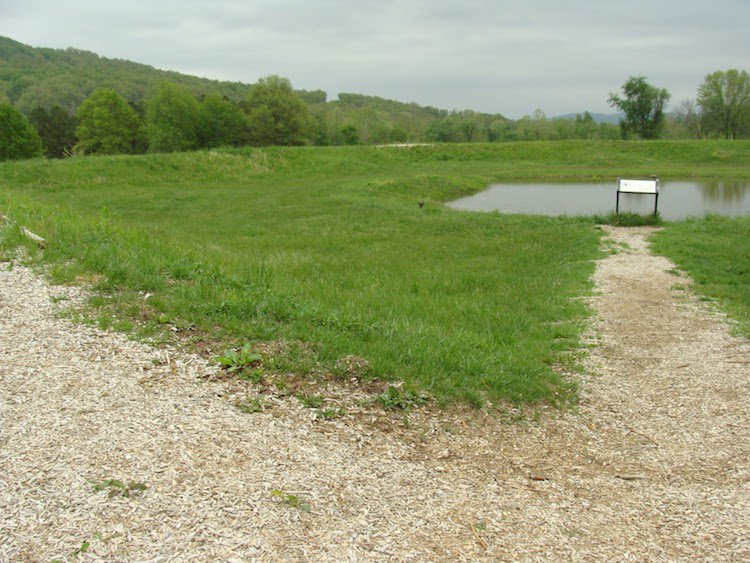
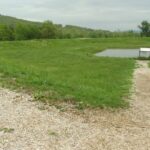
Finally, while the Battle of Fort Davidson did not take place in the St. Louis region, the outcome of the 1864 siege reverberated to the city to the north. The earthen berm fort, which became prevalent in the post-Fort Sumter world, features sloping sides meant to deflect cannonballs upwards, while dirt or sand absorbed the concussion of munitions striking the walls. Obviously, they could be built relatively quickly, which was particularly important in the often rapidly changing frontlines of the Civil War. Major General Sterling Price was making one last desperate attempt to seize St. Louis, and as he and his cavalry army worked their way north, they found the heavily fortified Fort Davidson in their path. Though the Union defenders were dramatically outnumbered, they successfully repelled the much larger Confederate force, demonstrating how improvements in firearms were handing well-entrenched defenders a substantial advantage over exposed attackers, as Grant and McClellan were discovering outside of Petersburg and Richmond, Virginia. The Union garrison evacuated in the middle of the night after repelling a Confederate attack, blowing up the gunpowder store left behind. The fort still stands, with the crater from the explosion still evident. Price’s attempt to change the tide of the war failed, and his army was later defeated at Westport, now a neighborhood of Kansas City, Missouri.
Chris Naffziger writes about architecture at St. Louis Patina. Contact him via email at [email protected].