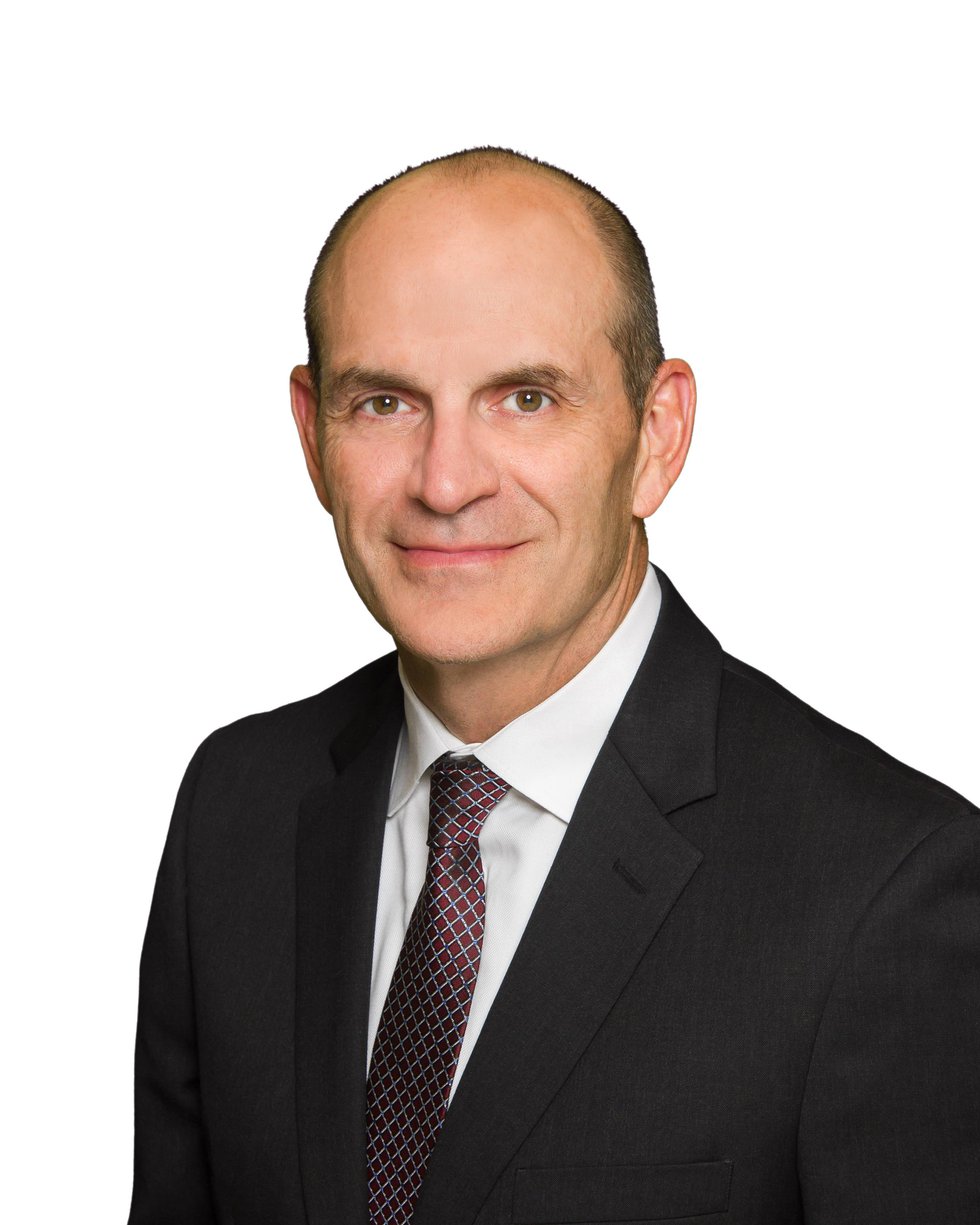
Last month, David Kearney was named the new president and CEO of Esse Health, a St. Louis–based independent physician group. Before joining Esse Health, he served as a controller for Transentric, a Union Pacific Corporation subsidiary, and Westar Aerospace & Defense. Because he saw an opportunity to improve the health care industry, Kearney began working with Esse Health in 2005 as a controller until 2009, when he was promoted to CFO.
During Kearney’s tenure, he says Esse Health achieved shared savings from the Centers for Medicare and Medicaid (CMS) each year they participated in the Medicare Shared Savings Program (MSSP), thus saving money for both the patient and the national health care system. The company’s revenue grew from $112M to $410M; the number of patients covered under value-based contracts increased from 12,100 patients to 77,100 patients. In his next role, he’s trying to keep that momentum.
Your guide to a healthier, happier you
Sign up for the St. Louis Wellness newsletter and get practical tips for a balanced, healthy life in St. Louis.
In your new roles at Esse, what are your goals for the company and for St. Louis health care networks in general? And how do you hope to achieve them?
First, I hope to grow the company by providing options for underserved areas. Since we are an independent physician-owned group, we have the flexibility to evaluate new opportunities quickly and to be able to move on those opportunities. Second, I want to continue providing value-based care for our patients.
Some examples include starting a “hospital-at-home” program, utilizing technology to monitor patients’ conditions remotely, and revising a workflow process to make our offices run more efficiently. We strive to provide better care for our patients, improve our patient’s experience, and better manage the health care dollar.
And the third goal is teaching other physician groups around St. Louis and the country the importance of value-based care. We started a company called PIVTL Health Solutions to provide this information to other groups. We have partnered with other value-based care solutions in St. Louis to provide this benefit to other groups in St. Louis.
How do you plan on making health care more affordable?
We are already a leader in providing affordable health care for the St. Louis region. Value-based care is about quarterbacking the care for a patient, which means we spend more time with our patients, and then we stay engaged with them beyond our physician offices.
As the number of COVID-19 cases is rising with the Delta variant, what is Esse Health doing to encourage people to wear masks and get vaccinated?
We are mandating all of our employees are vaccinated by September 17, 2021, and [that they] wear masks. Also, our physicians are spending time with every patient explaining the reasons to wear masks and to get vaccinated.
What specific steps will Esse take to address the disparities of health care quality within the St. Louis region?
We work to deliver the same 5-star performance to all populations within the St. Louis region. One example is providing social workers to work with our patients to address any social factors that can impact a patient’s health outcomes. Also, to avoid gaps in care, we remind our patients of preventative screenings like mammograms and colonoscopies, and cholesterol tests. We do whatever we can to make sure our patients have access to the Kearney
How does Esse stand out as an independent health care network in St. Louis?
We excel at providing the “healthcare triple aim.” We continue having very high patient satisfaction, improving our patients’ health, resulting in some of the highest quality scores in the nation, and reducing health care costs providing the best cost structure for our patients.