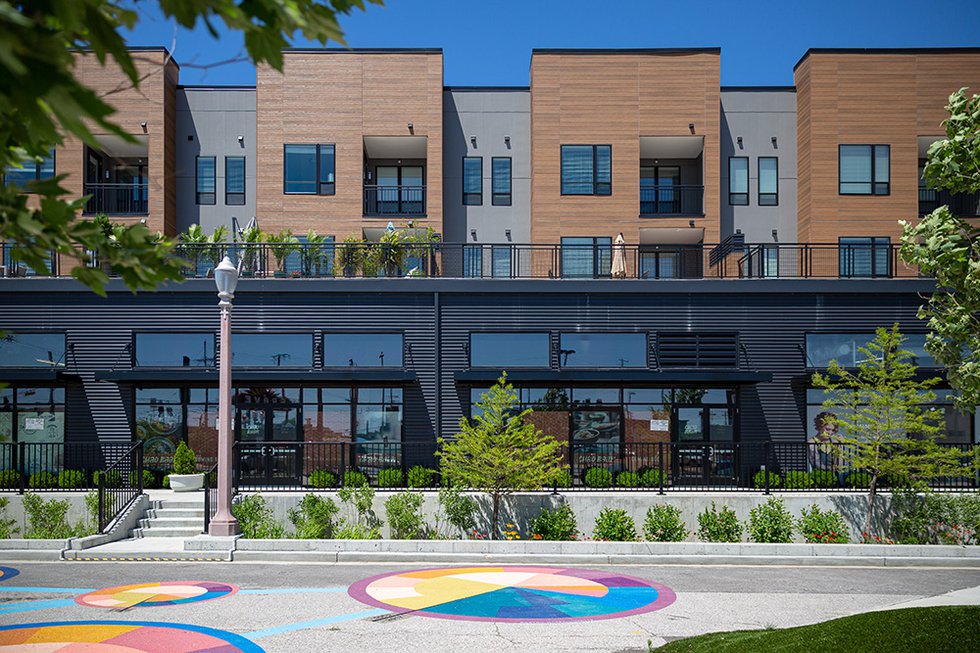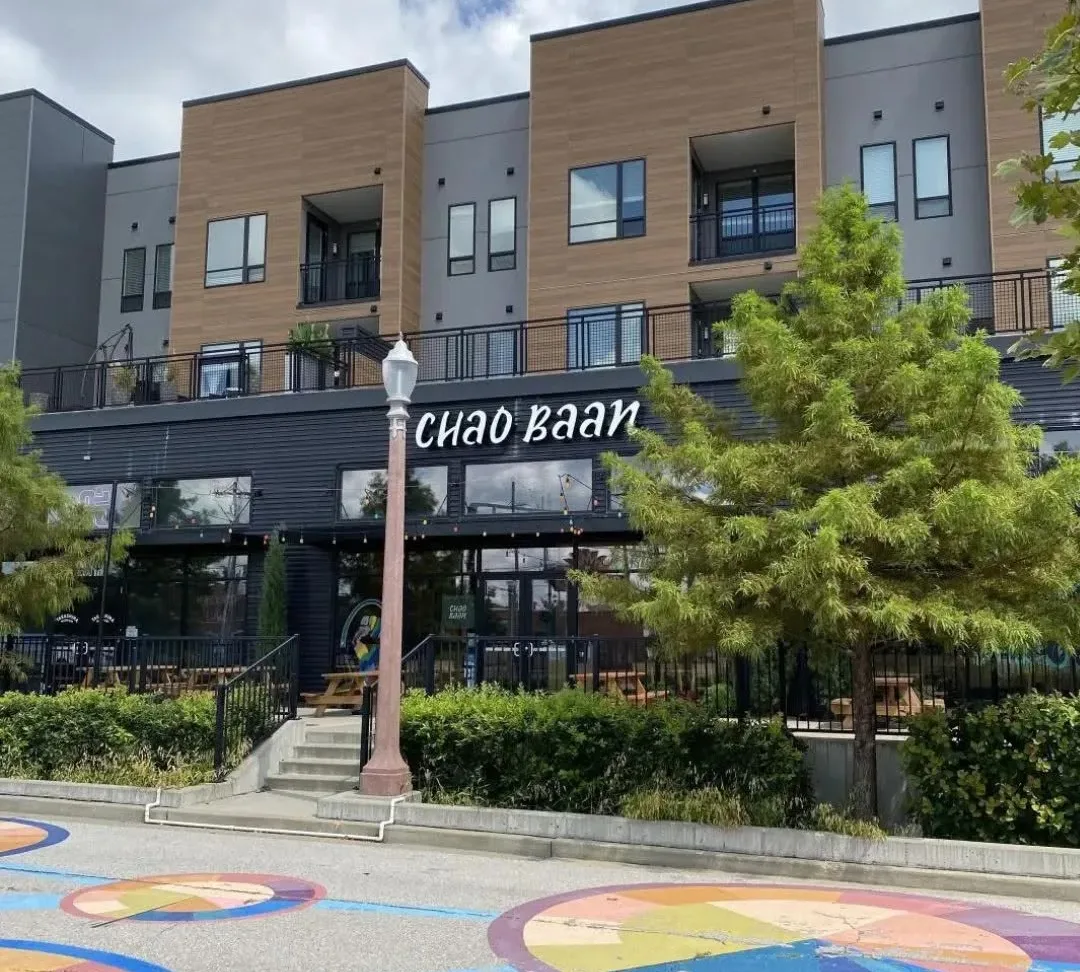
One of the most anticipated (and delayed) restaurants of the year opens today on the ground floor of the new Chroma building in The Grove.
Chao Baan (meaning “of the people”) will bring a taste of regional Thai cuisine to St. Louisans who’ve grown weary of Thai basics (pad thai, curries, crispy fried spring rolls) and are ready for some new tastes and flavors.
Find the best food in St. Louis
Subscribe to the St. Louis Dining In and Dining Out newsletters to stay up-to-date on the local restaurant and culinary scene.
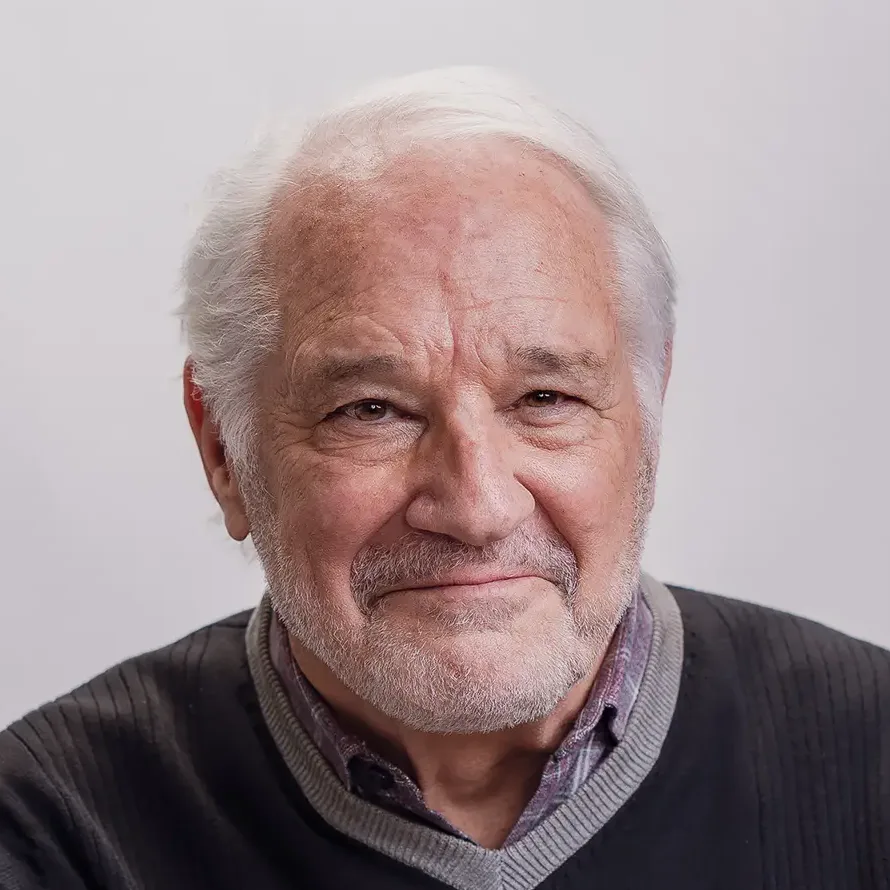
“People have now traveled all over Asia and know what Thai food tastes like, from the different parts of Thailand,” says co-owner Shayn Prapaisilp. “Thai food is now where Italian food was 15 years ago. Many people now know—or at least realize—there’s a difference between the northern and southern regions. Restaurants like Cate Zone and Tai Ke have proven that Asian culinary regionalization has finally arrived here.”
Prapaisilp feels that St. Louisans are ready for authentic dishes cooked the authentic way, with no concessions or alterations to spicing. Over the years, he’s watched what shows up in the carts of American cooks at Global Foods and how it’s changed. “Gochuchang and galangal are everyday ingredients for many people now,” he says.
The menu offerings are a mix of dishes from the Esaan region in the northeast and Pak Tai region on the south, where Prapaisilp’s mother and father grew up, respectively. (His parents immigrated separately to the U.S. in the ’70s, eventually opening King & I, St. Louis’ first Thai restaurant, in 1981, followed by Global Foods Market, United Provisions, Oishi Sushi, and Oishi Sushi and Steakhouse.)
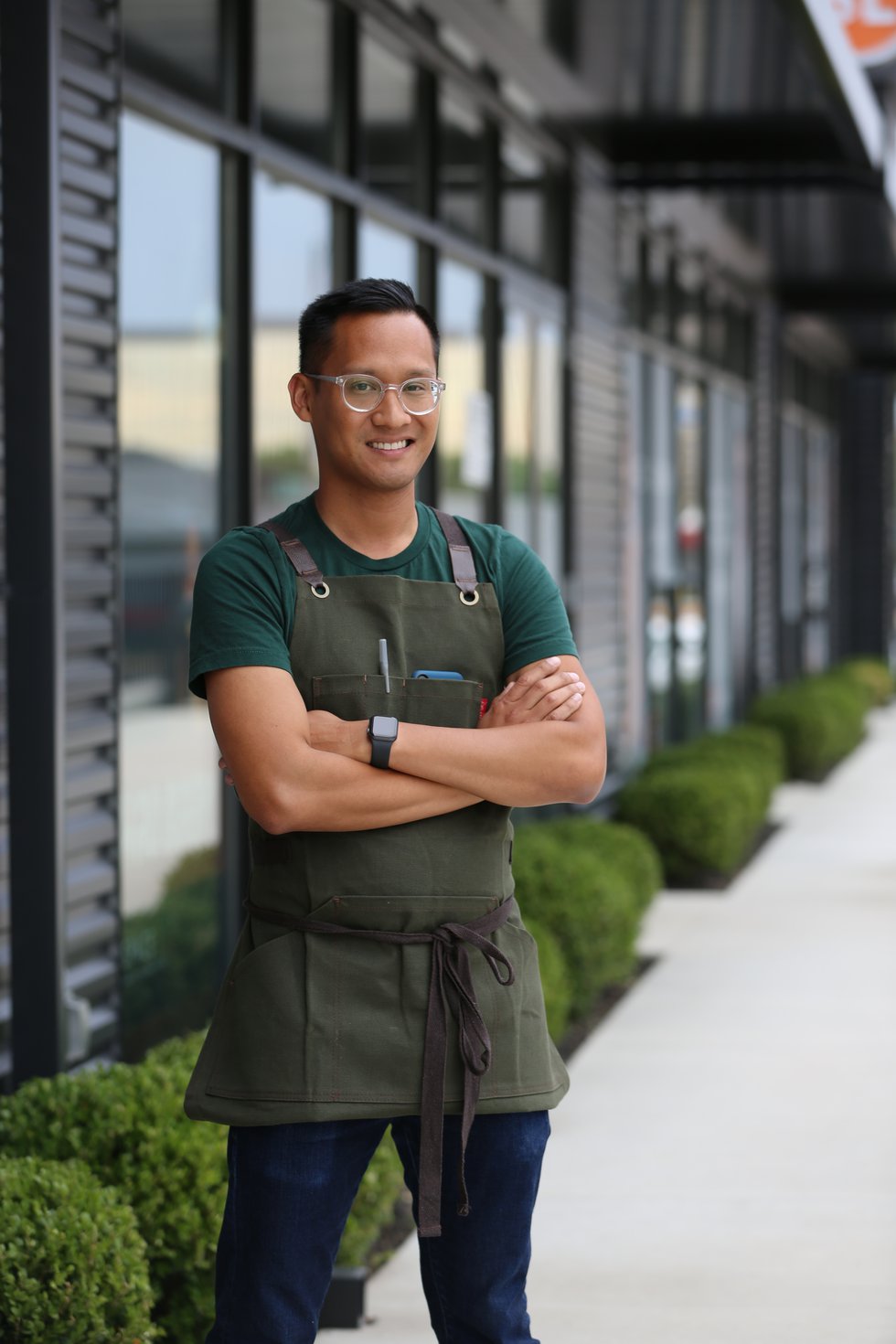
Even though Prapaisilp was born in St. Louis, Chao Baan’s food is a paean to the home-cooked dishes of his youth, rustic foods (although he admits the term is overused), from “recipes handed down by grandmas and aunts for generations, recipes I need to keep alive.”
Chao Baan’s menu is limited by design. “When there are too many options, people default to the standards,” Prapaisilp says. With a smaller, focused menu, there’s less chance of that happening. “People actually look at the options. They must look at all the options.
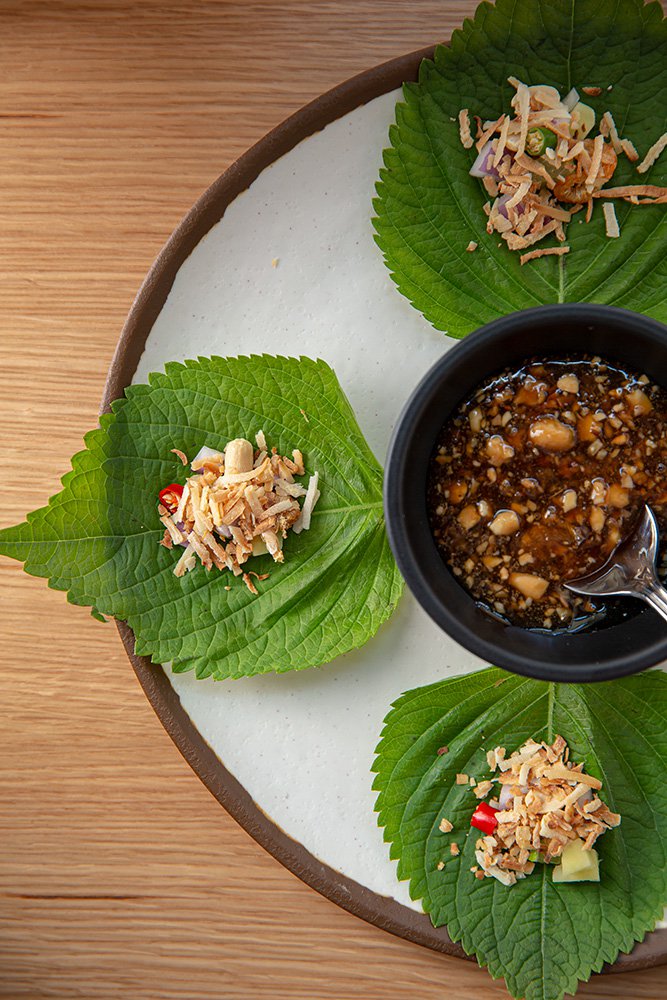
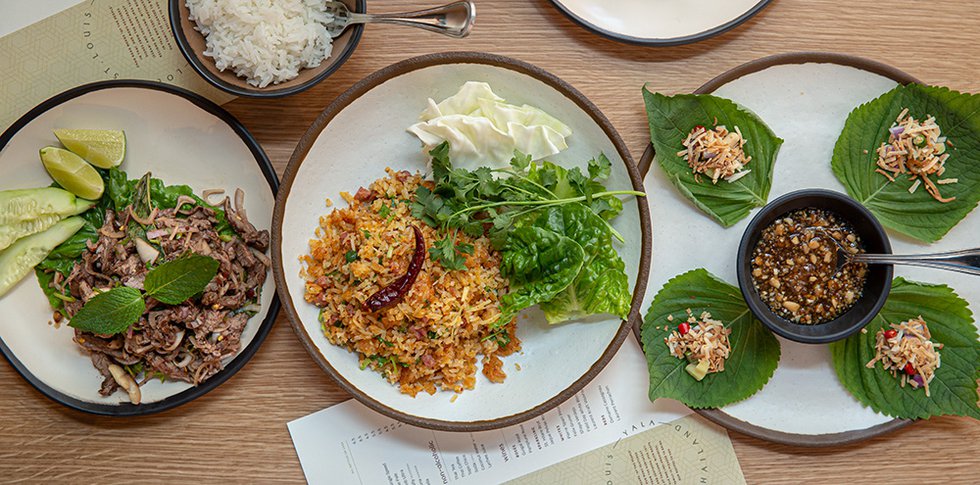
“The flavors are full-fledged, there’s no holding back,” says Prapaisilp, a claim that’s best exemplified by mieng kham, a mandatory amuse bouche of sorts and one of the more interesting pops of unexpected flavors in town: minty perilla leaves with sprinkles of toasted coconut, dried shrimp, peanuts, lime, and bits of Thai chili. Place a dollop of caramelized, sticky palm sugar sauce into the leaf, then roll and eat it. Prapaisilp says the dish exemplifies the core flavors of Thai cuisine—”bright, fresh, citrusy, sweet, and a little bit spicy.”
Prapaisilp thinks Chao Baan’s unusual items and bold flavors will be the catalyst to encourage diners to pay a visit. He estimates that there are 45 Thai restaurants in the metro area, mainly what he calls “stop-by curry” places, offering red, green, and yellow curry and standards. Chao Baan was designed to be both a neighborhood brag and a destination “with items you can’t find anywhere else, or items that other Thai restaurants are not confident enough to offer,” he says.
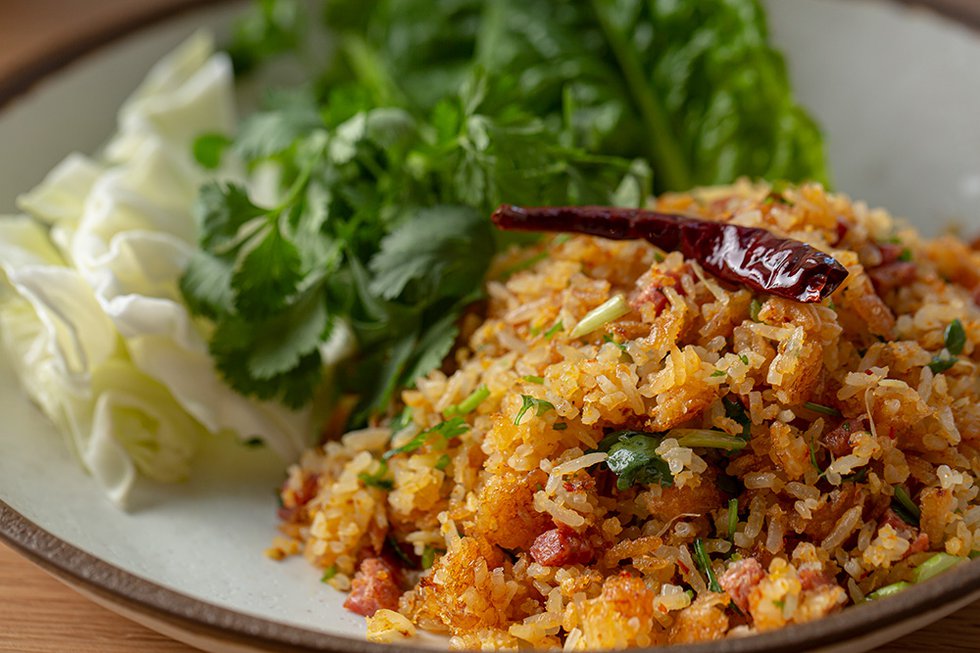
Guests can order by the Thai name, its English translation, or by number. Consider the No. 8, khao tod nam sod, best envisioned as a “twice fried rice salad.” Jasmine rice is first blended with shallots and chili, formed into cylinders, then eggwashed and deep-fried. After cooling, the rice balls are crumbled, and ginger, fish sauce, cilantro, lime juice are added, along with seared, fermented pork sausage. One of Prapaisilp’s favorite dishes, khao tod, makes for great leftovers. “It has a really good day-after Chinese food quality to it, hot or cold,” Prapaisilp says.
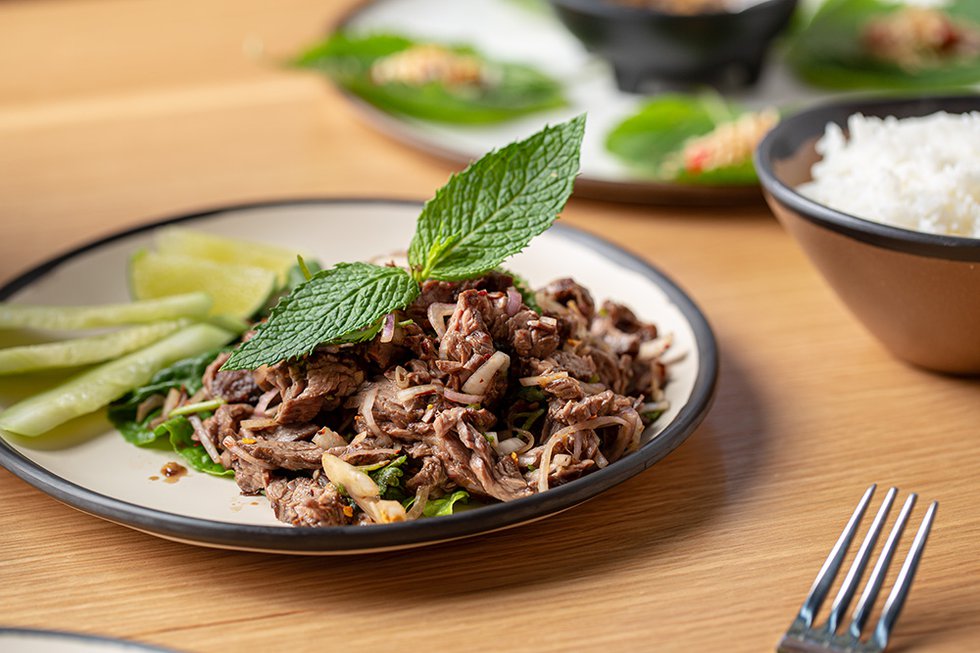
Less adventurous diners can opt for beef nam tok (a dish you won’t find anywhere else in St. Louis): sliced, grilled sirloin with fish sauce, lime, and chili (a sauce so bright it’s better as a baste than a marinade). Such aromatics as lemongrass and galangal are added to toasted rice, which is pounded and sprinkled into the sauce, adding crunch. Prapaisilp says his gripe with any dish is “one-noteness,” or having the same basic flavor throughout. At Chao Baan, he chose dishes in which the seasoning hits multiple flavor and spice notes at different times.
The above dishes exemplify the multitude of steps involved in most Thai dishes. “Grilling, stir-frying, baking—that’s the straightforward part,” Prapaisilp says “The time-consuming part is the prep, often three hours or more for a meal. That’s why in Thailand, everyone goes out to eat, especially during the week. Street food is everywhere. It’s a dining-out culture, largely because making Thai food at home takes so long.”
A mortar and pestle is standard in Thai kitchens. “I’m telling you: There are no shortcuts,” Prapaisilp says, shaking his head. “Like when making a proper papaya salad, that’s the only way to release the oils and control the texture.” Chao Bann’s version of the classic is in the northeastern style: salty and sour, rather than sweet, with a pungent smack from marinated, fermented fish.
(The uninitiated should know that Thai cuisine is meant to be eaten with a fork and spoon, not chopsticks. Any chopstick dishes are of Chinese influence and brought to Thailand, Prapaisilp notes. The only dish at Chao Baan that should be eaten with chopsticks is the rotating monthly noodle soup offered only at lunch.)
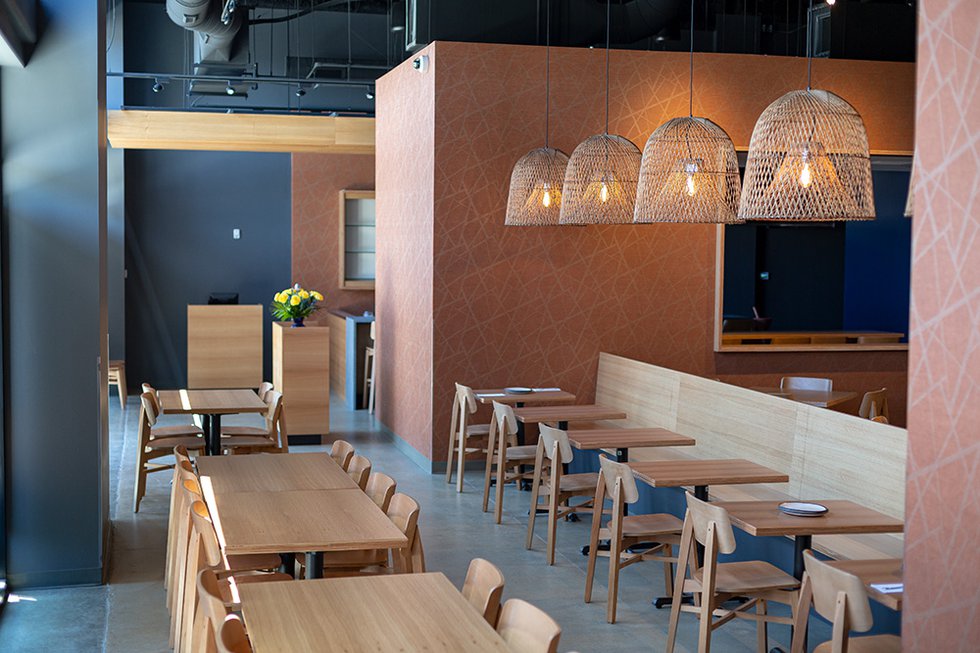
Guests enter the space through the bar and encounter a host and a take-out desk; Prapaisilp estimates 25 percent of sales could come from take-out and delivery orders. (Chao Baan uses Uber Eats for the latter.)
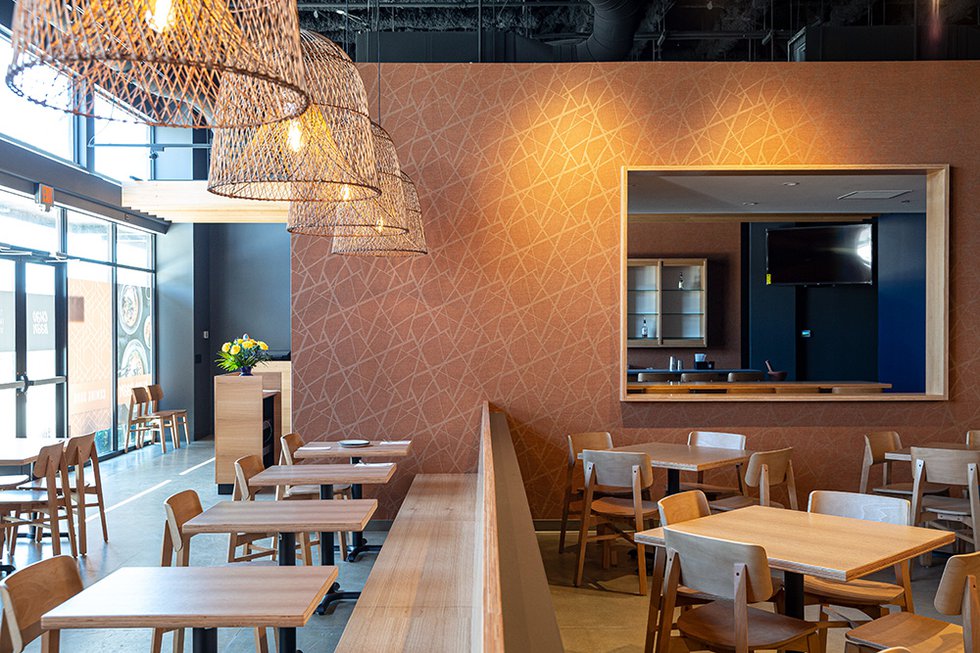
The atmosphere is similar to Akar (chef-owner Bernie Lee’s homage to the foods of his youth), with spare and minimalist décor light woods and deep, rich colors on the walls. Like Lee, Prapaisilp says today’s Asian restaurant should feel modern without being kitschy, with items placed sparingly and purposefully.
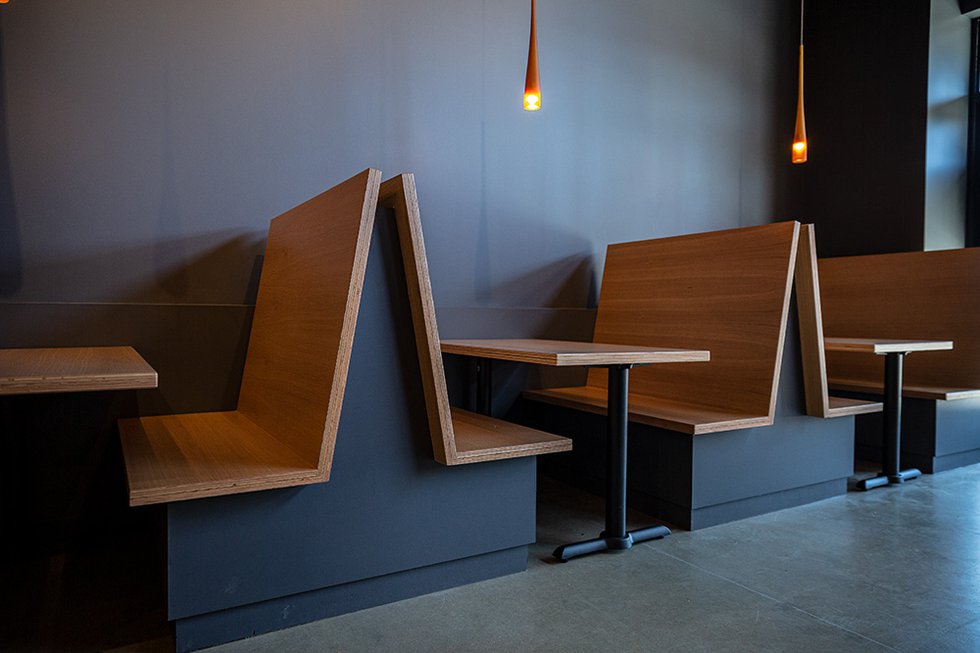
Another touch that the customer will never see but will appreciate are the table bases. Using unseen tension bands and special chair glides, the tables always stay level, solving a universal customer complaint.
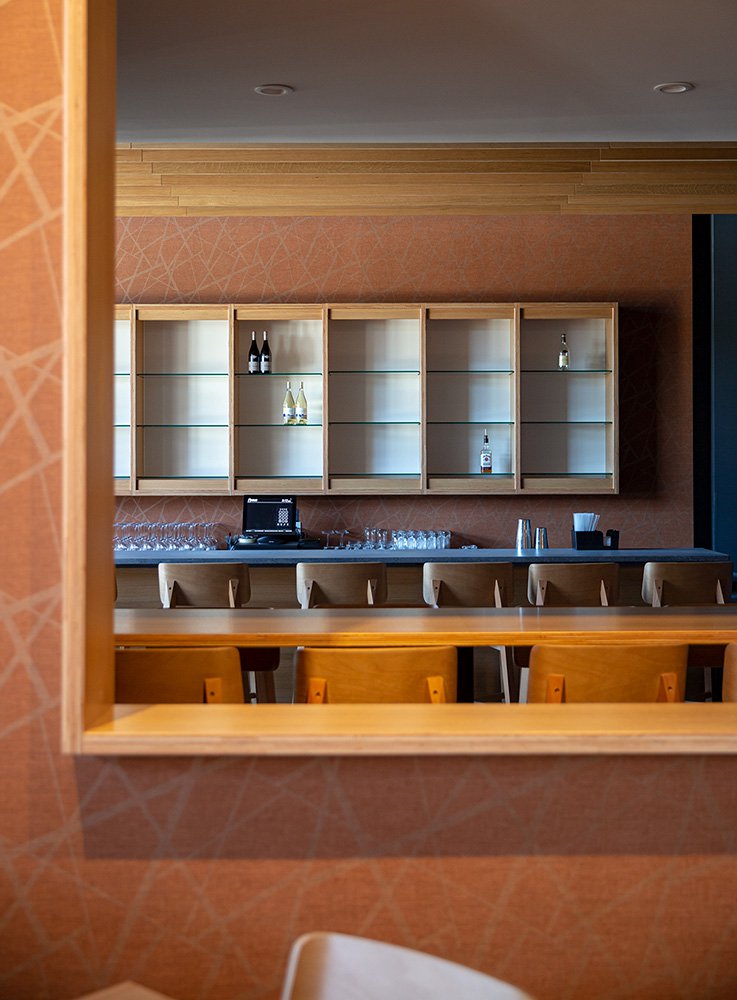
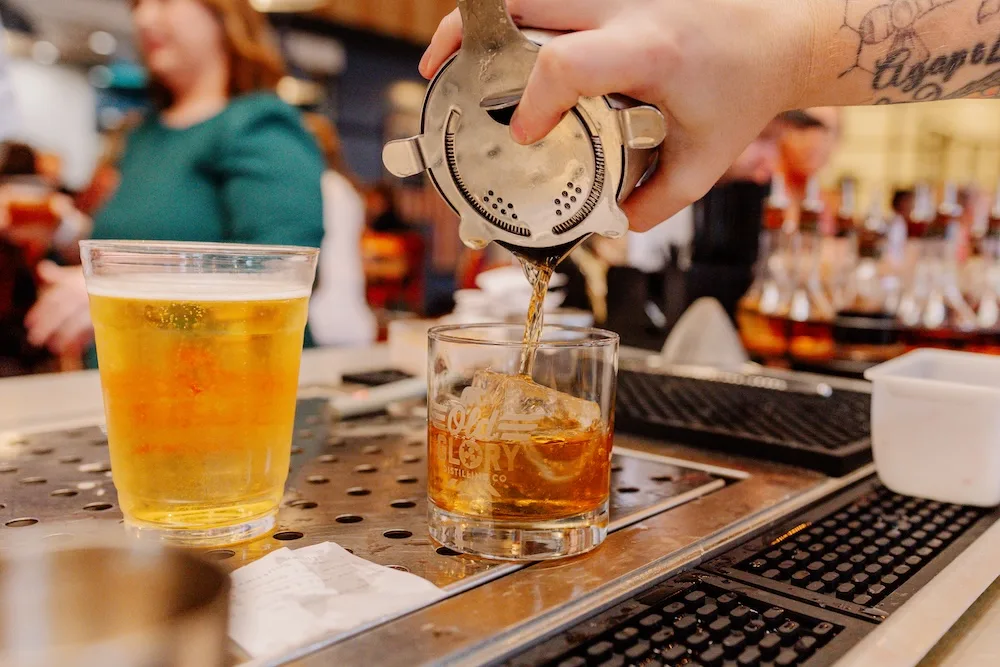
The bar features a manufactured stone top, a long communal table for gathering, an open window that looks into the 60-seat dining room, and a long open kitchen with plenty of visible flames and aromatic aromas. Look for a curated list of specialty cocktails, utilizing Asian fruits and flavors, such as tamarind and yuzu. The wine list (all glasses are $10, and all bottles are $40) is white-heavy, with far more lighter-body whites than heavy reds, which don’t tend to pair well with Thai food. Prapaisilp believes that the best pairings could be “light, tight lagers, Thai beers like Singha or Chang.”
Full service at dinner begins today. A fast-casual lunch program will follow in a few weeks.
“I want to give people a reason to drive across town, like Nick Bognar has done at Nippon Tei out west,” Prapaisilp says of the restaurant’s location in The Grove. “You drive by a dozen sushi joints to get to his place and several Thai places to get to ours. I want them to feel that the cuisine is so different, it’s worth penciling in, worth a spot in people’s restaurant rotation.”