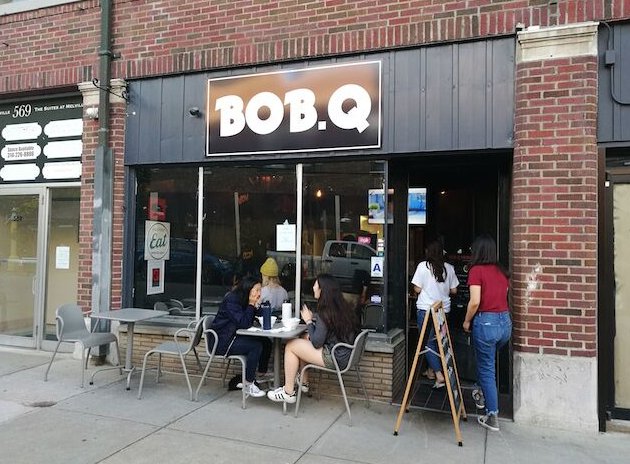
There are only a handful of items on BoB.Q’s menu, but this little restaurant in the Delmar Loop is another sign that Korean food in St. Louis is enjoying an upswing.
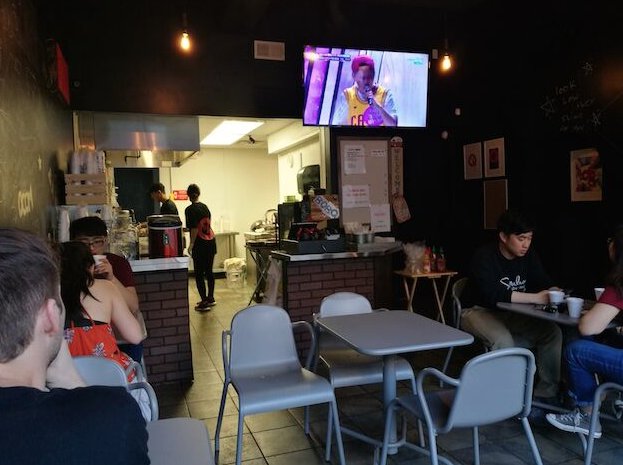
BoB.Q opened at the end of March in the Melville Avenue space vacated by Shawarma King. There’s seating for around 20 diners at a squeeze, with six tables inside and two more outside. Owner Victor Jang has made a few changes to the interior, painting the walls black and adding a faux-brick counter, above which a TV broadcasts Korean entertainment shows.
Find the best food in St. Louis
Subscribe to the St. Louis Dining In and Dining Out newsletters to stay up-to-date on the local restaurant and culinary scene.
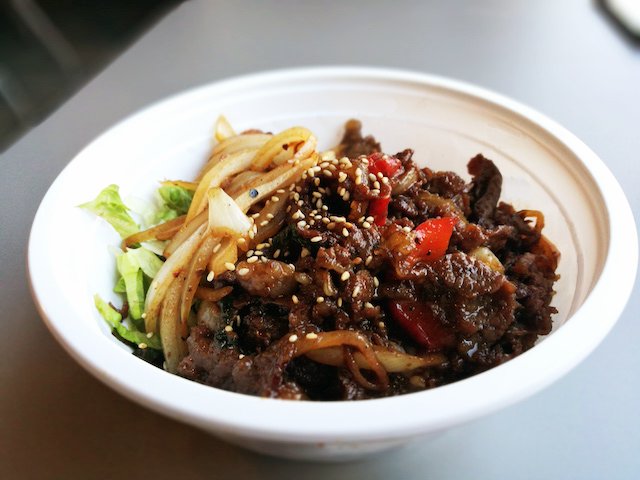
Jang says the restaurant’s name represents the two elements at the heart of most of BoB.Q’s offerings: rice (cooked rice is bob or bap in Korean) and barbecued meat. There are four types of rice bowl to choose from: beef bulgogi, spicy chicken, spicy pork, and organic tofu. Each bowl starts with a base of Korean rice, washed and soaked in water for two hours before cooking. Grilled onions, lettuce, red pepper, mushrooms, and sesame seeds are piled on top with the protein of your choice.
Behind the counter, beef, chicken, and pork sizzle on the grill. According to Jang, bulgogi beef (thin slices of beef marinated for 24 hours in sweetened soy sauce) is “the most famous Korean food,” and it’s the obvious bowl to order on your first visit. “We use apple, Korean pears, and honey to make it sweet, instead of using lots of sugar,” Jang says.
The spicy pork is marinated in a homemade Korean barbecue sauce for 12 hours, but the heat comes from the addition of gochujang, Korea’s sweet and spicy fermented red chili sauce. If you like exploring different types of spice, you’ll love this—but be warned, it does pack a punch. There’s a similarly spicy chicken bowl, and organic tofu is the solitary non-meat option. Any two flavors can be combined in a half-and-half bowl. All dishes are priced at $7.99 or $8.99. Additional servings of rice are $1 and $2, respectively.
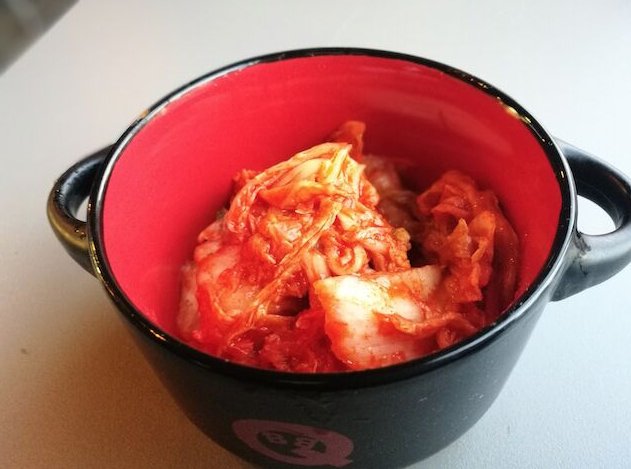
Adding a side of kimchi is a bargain at just $1—and more so when you understand the effort that goes into making it. “The cabbage needs more than 12 hours in water and salt. Then we have our special kimchi sauce mixed with it,” says Jang. “It takes two days to make.”