If perfectly pooled drapes, designer throw pillows, upholstered headboards, and soft Roman shades have a place in your home, it’s more than likely that a local workroom had a hand in fabricating them for you. From measuring windows to sewing and stitching, much of the work of ateliers remains unseen until installation day, when the workroom delivers a designer’s vision to the client. Here, three behind-the-scenes profiles reveal what interior designers have known all along: a talented and trusted workroom is one of the most coveted and closely guarded partnerships in the business.


Berry Studio
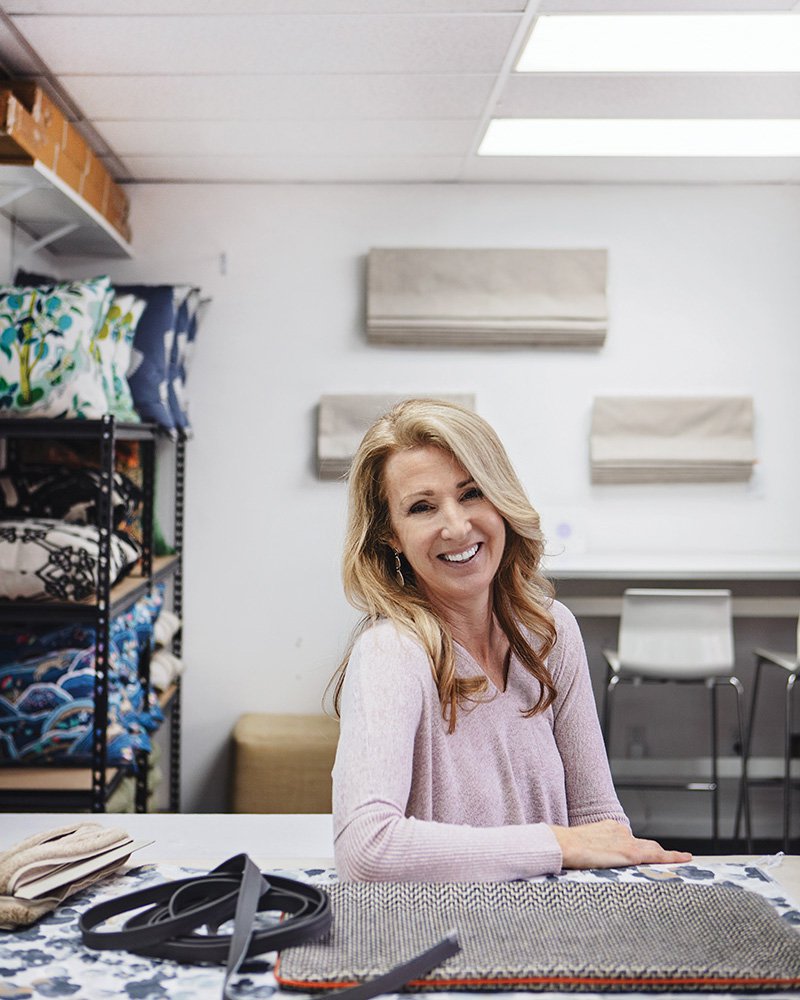
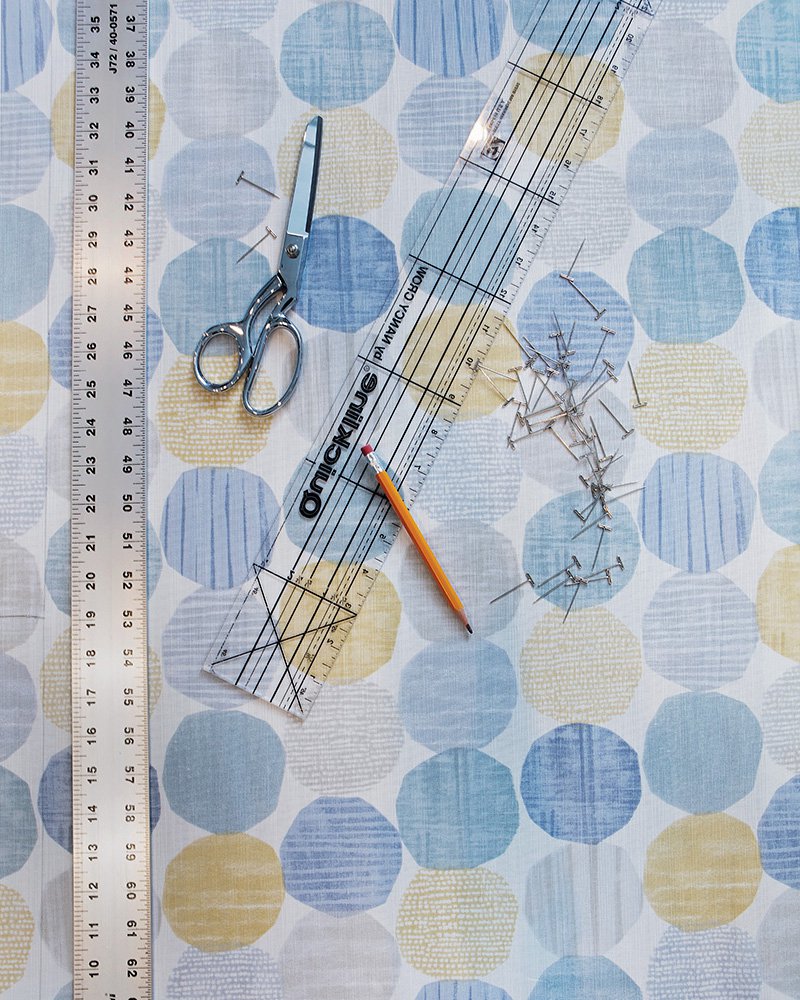
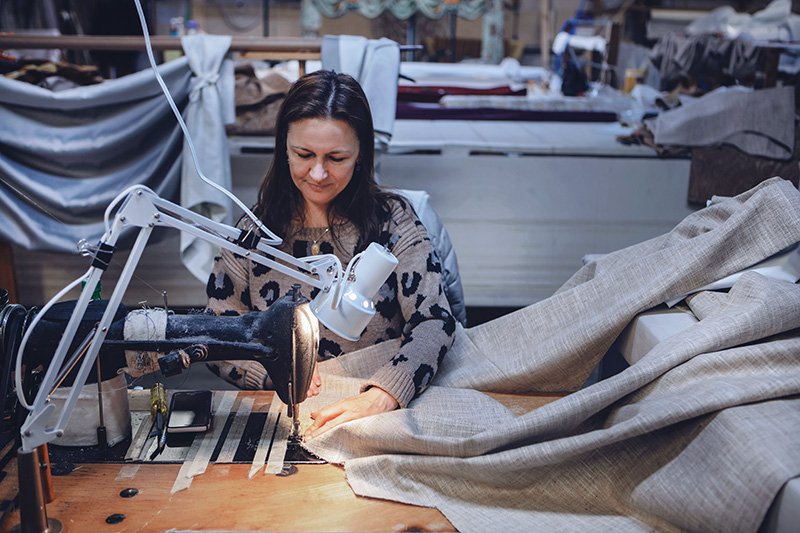
After Nicky Berry’s oldest daughter was born, she bought a sewing machine, intending to start a new hobby. But soon, friends from her previous career in interior design started asking her to sew small things for them. Over time, the projects got bigger, and she realized that she could make a business of it.
Get a weekly dose of home and style inspiration
Subscribe to the St. Louis Design+Home newsletter to explore the latest stories from the local interior design, fashion, and retail scene.
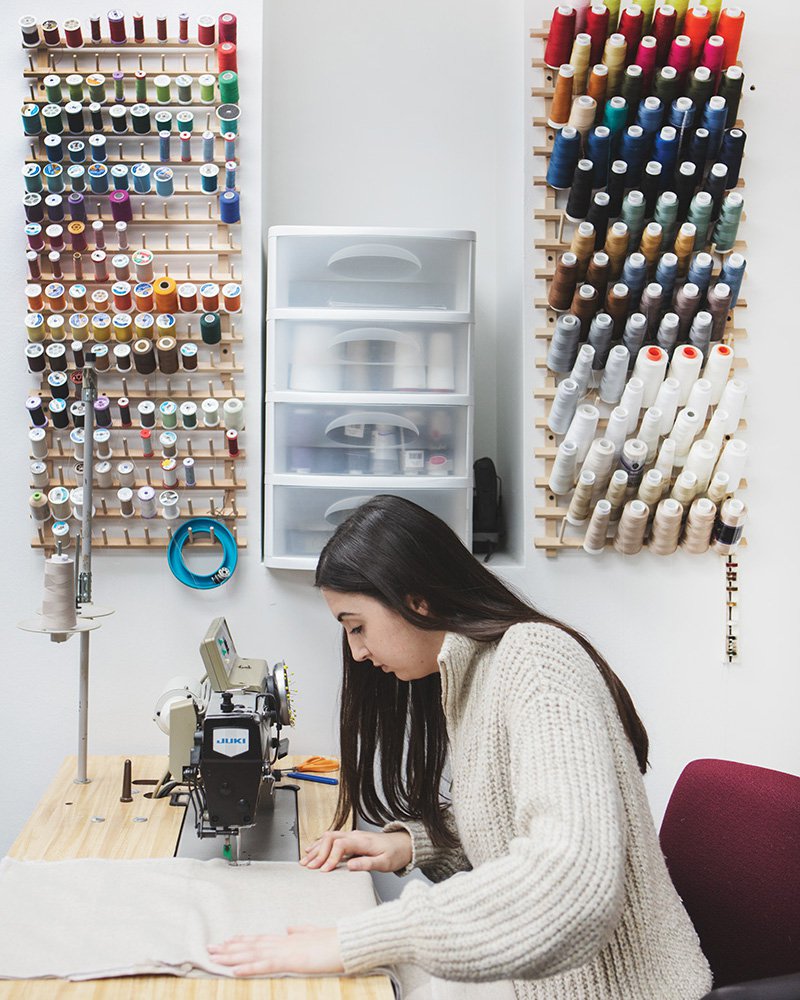
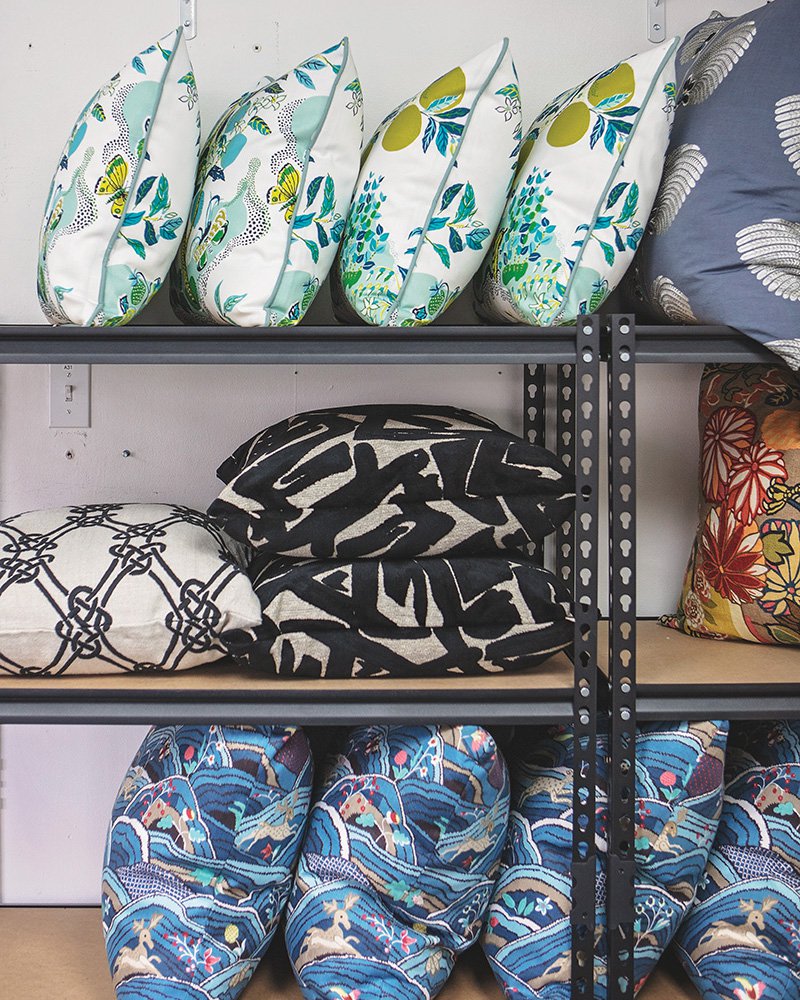
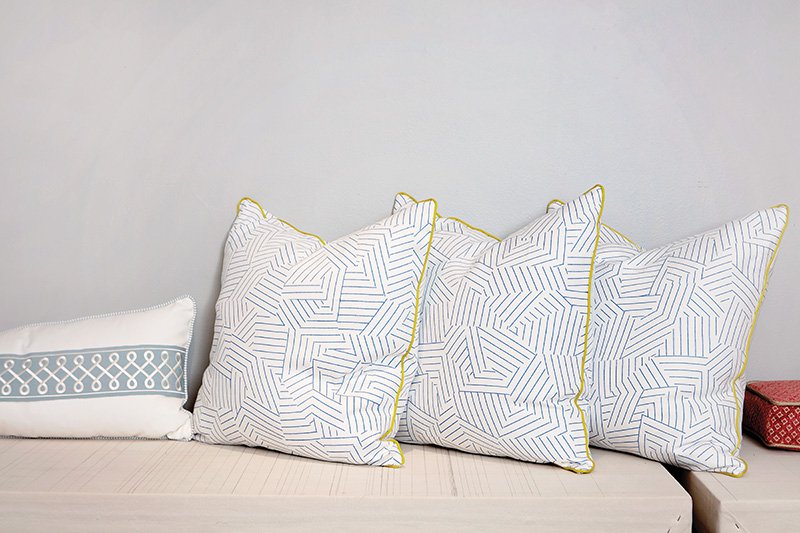
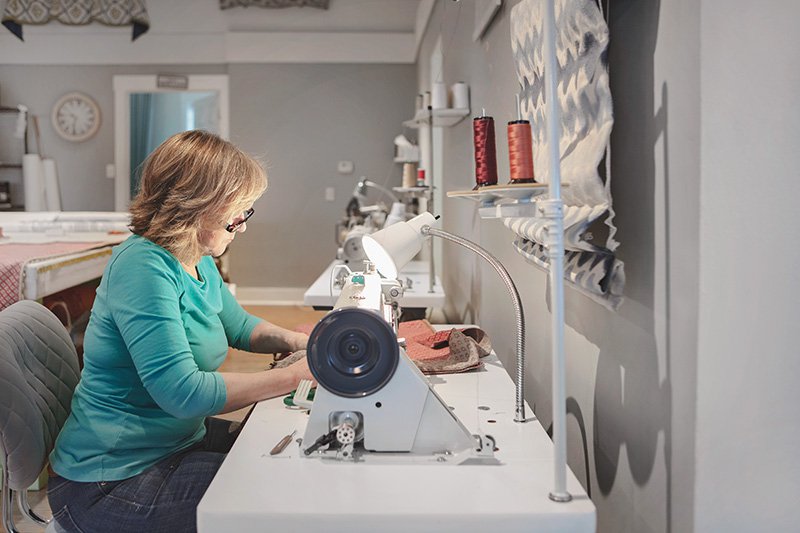
Now, nearly 18 years later, she and four part-time employees produce more than 1,000 custom pillows and 400 Roman shades each year at Berry Studio in Creve Coeur. The team can tackle all the sewing needed for the design—or redesign—of an entire house.
“Someone will build a new house, and I’ll be doing a window treatment on 40 windows, plus maybe all the bedding and all the pillows,” says Berry. “Rather than working on two different projects in a week, we’ll be working [on one house] for three months.”
Berry’s youngest daughter, Lauren Berry, works part-time at the studio, where she specializes in making pillows. “Anytime I see you interact with a designer, they’re always asking you, ‘What do you think it should be: this hem, or this hem?’” Lauren says to her mother. “You have the experience not only of having a workroom for such a long time but also of being a designer.”
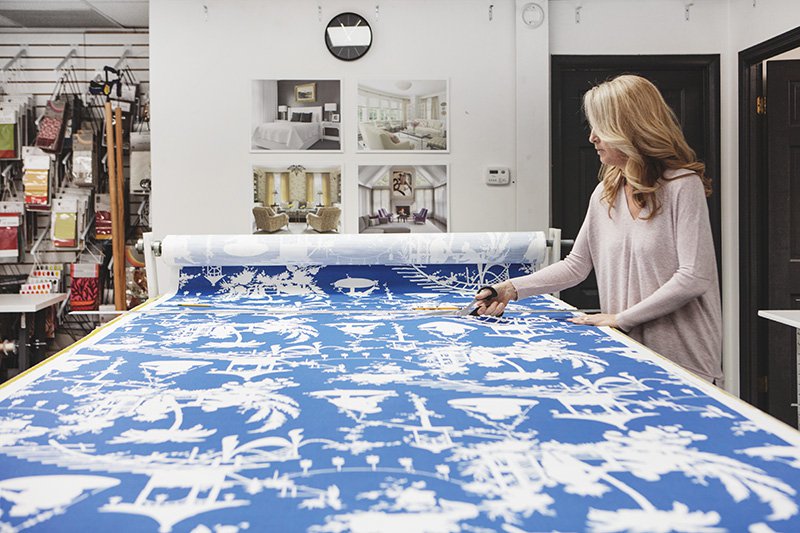
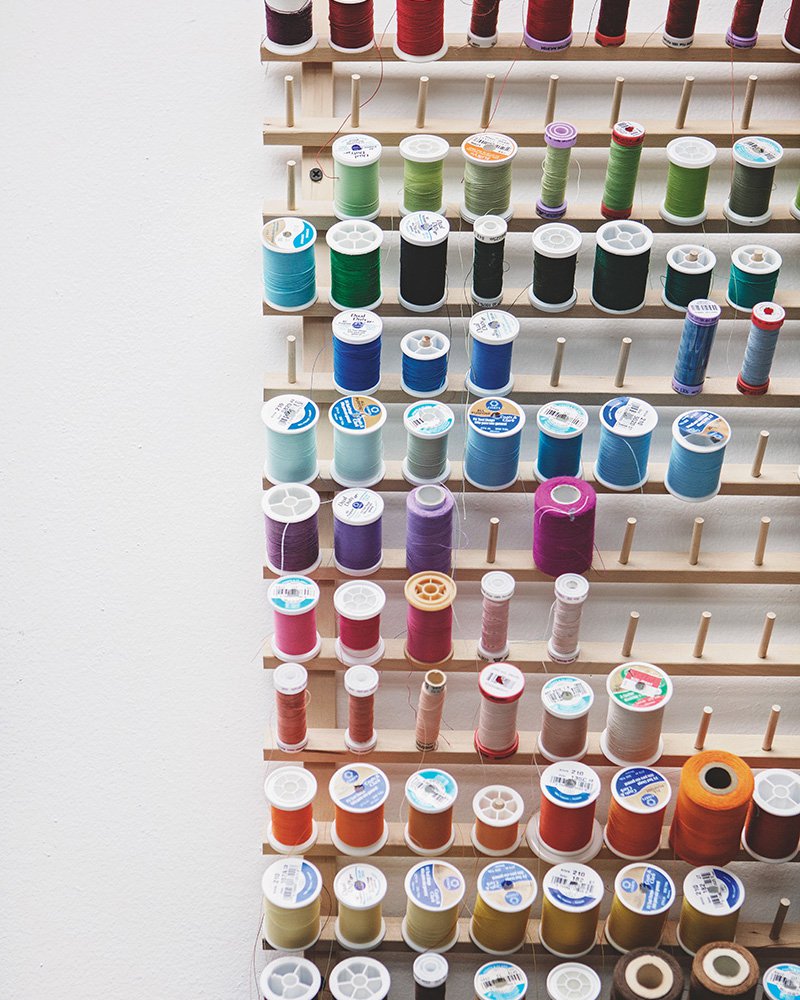
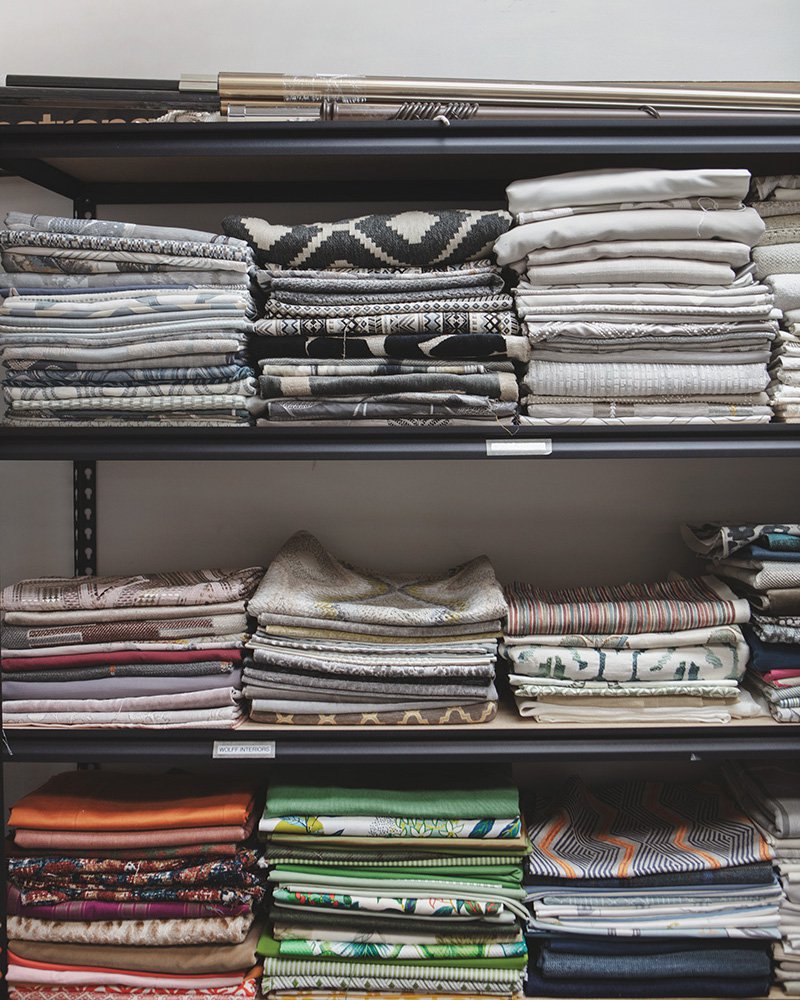
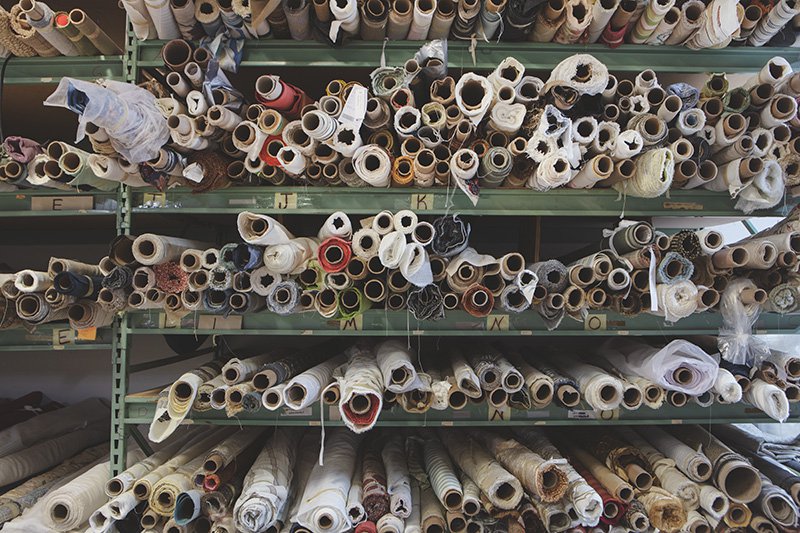
All the sewing takes place in the main room. The workroom also holds a workshop filled with power tools, a storage room piled high with pillow inserts, and a room of fabric remnants coordinated by designer. Larger scraps from regular clients’ remnants can be used in other projects.
“Instead of ordering new fabric that’s going to have to be manufactured and obviously use all kinds of resources, [my designers] can come in and say, ‘I want some pillows for a different client,’ or ‘I want some pillows for myself,’” Berry says.
She’s also recently found a way to recycle unusable fabric scraps rather than sending them to the landfill. “We drop off the scraps to Goodwill,” says Berry. “Textiles that are not suitable for sale at their stores are sold to textile recyclers, where the fabric is then recycled into whatever it’s best suited for, like stuffing in pillows, pet beds, comforters.”
Last year was the workroom’s best year ever, says Berry, but finding skilled employees continues to be one of her greatest challenges. “People just don’t sew anymore,” she laments, and even those that do might not view it as a viable job.
“In this area, there’s a lot of new homes being constructed, and for a lot of these homes, you can’t go to Bed, Bath & Beyond and buy drapery panels to fit those windows,” she says. “As long as there are people building new houses or renovating or whatever, there’s going to be a need for this kind of thing.”


Castlewood Designs
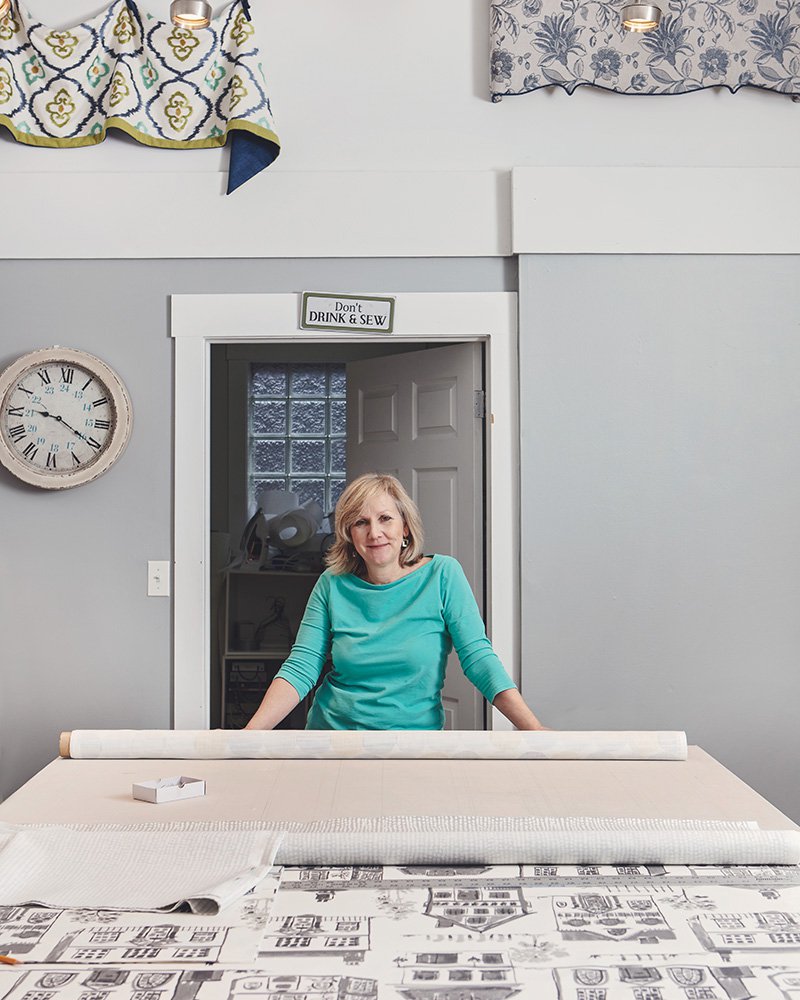
When Castlewood Designs opened in Webster Groves nearly five years ago, owner Patty McGownd’s biggest fear was that she would have too much business. She’d been sewing in her basement since 1995—when she left her mechanical engineering career to stay home with her children—and already worked for several local interior designers.
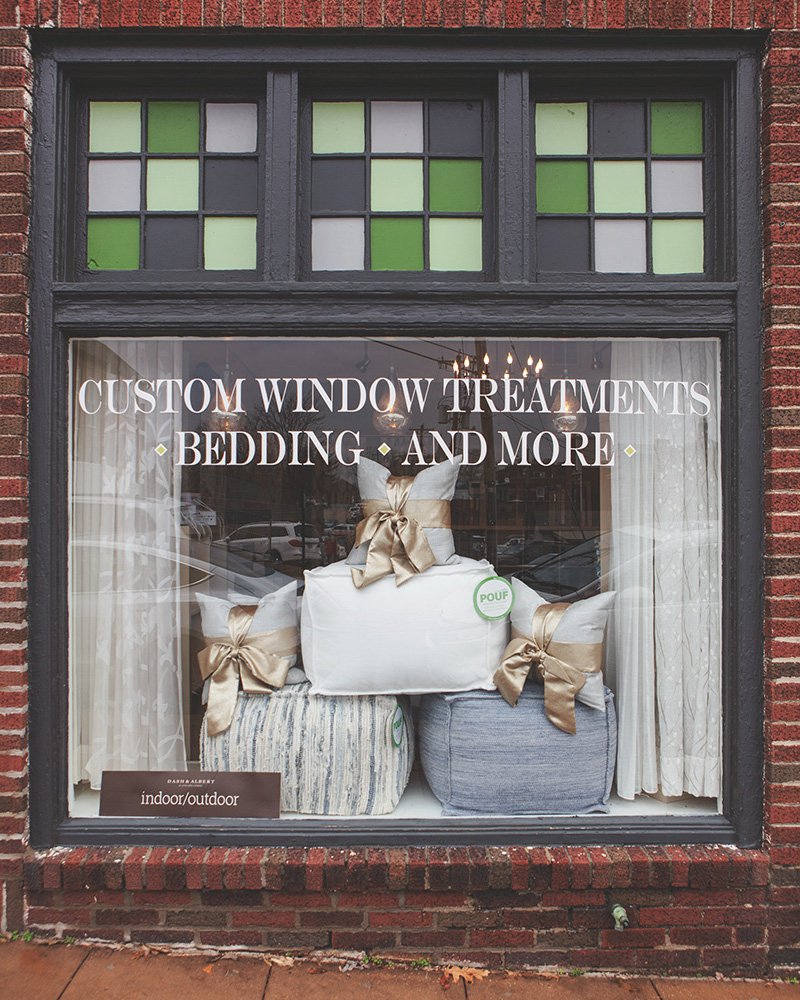
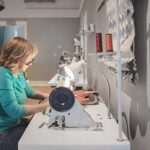
McGownd specializes in custom window treatments, including drapes and blinds, but she also makes pillows, banquette cushions, and a variety of other furnishings in her sunny shop.
As walk-in business picked up, it wasn’t long before she needed additional help. She currently employs a part-time seamstress and an office manager, allowing her to focus on the more intricate drapery work.
“With my background, I can look at pictures and tell [clients] if it’s going to work or not.… In magazines, they can tape things up to make it look good in a photo, but it may not always work that way,” she explains.
This perspective is one of the reasons designer Robert Idol brings projects to her. Recently, she created a custom angled banquette for him, and “she was able to engineer the pattern so that the angled corners matched perfectly,” he says. “As an interior designer, I could not do my job without partner workrooms like Castlewood Designs. Designers rely on the expertise of professionals like Patty to ensure that a project comes together successfully.”
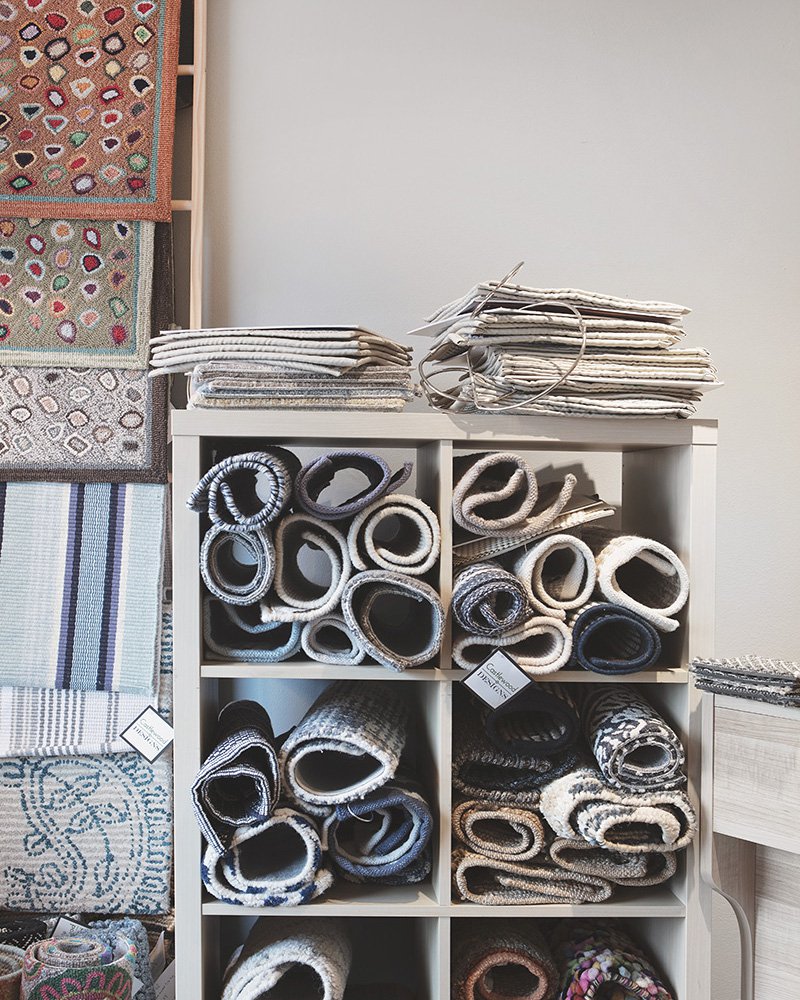
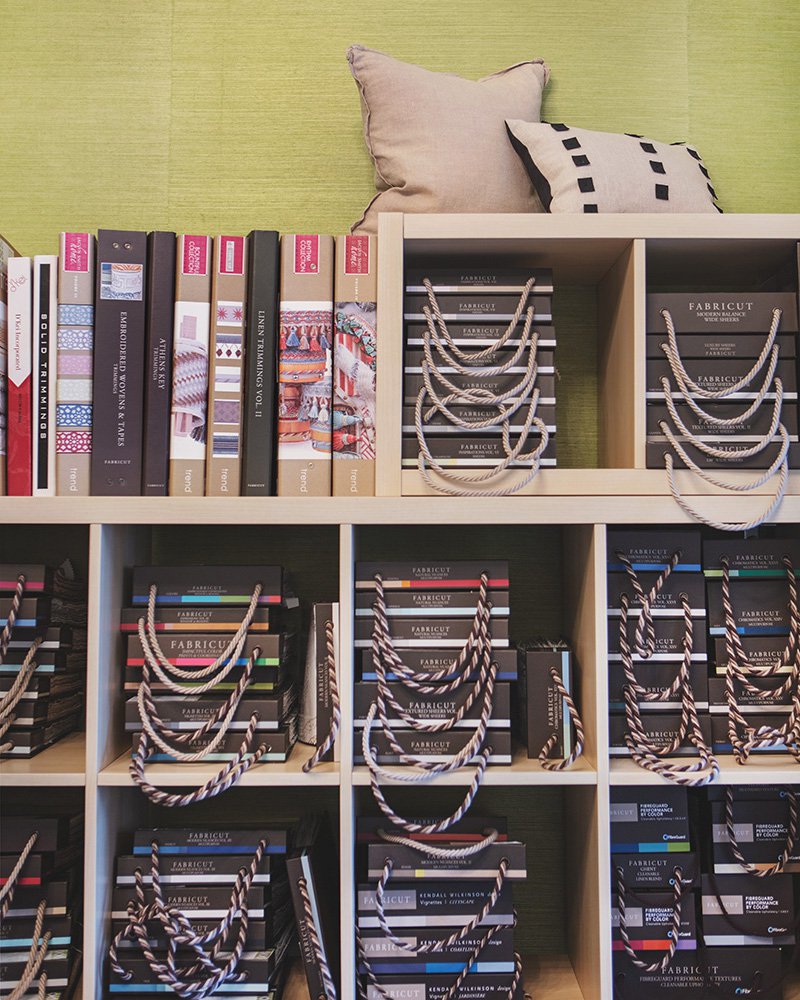
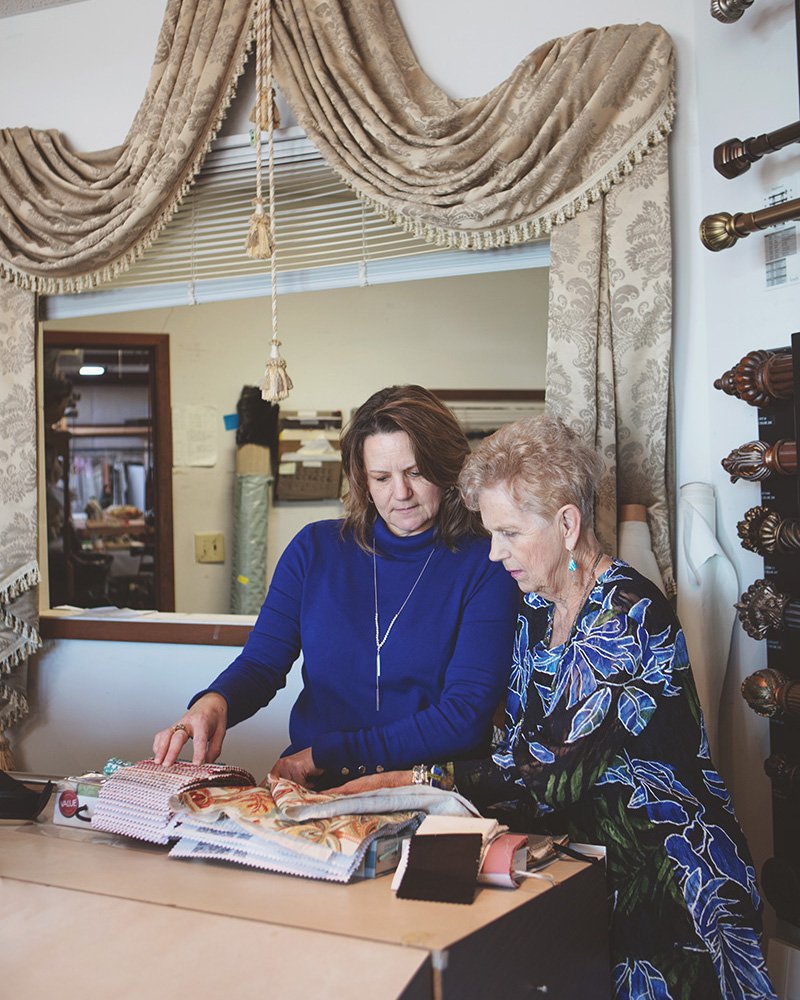
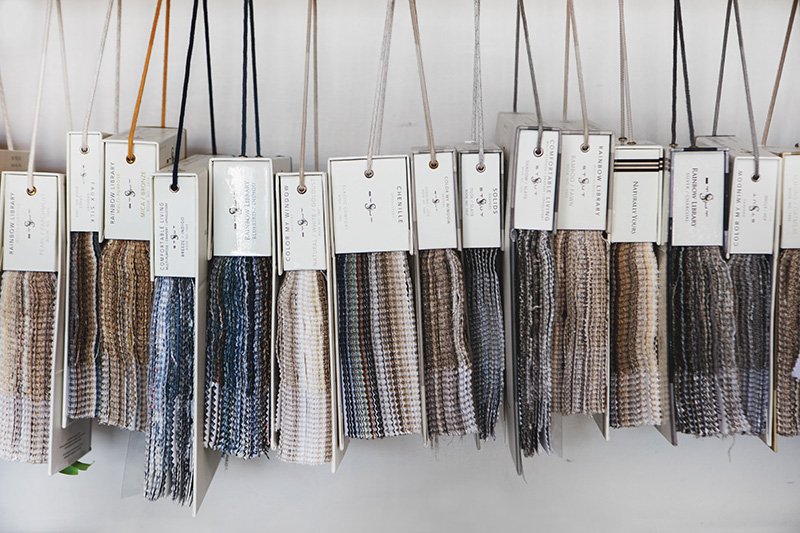
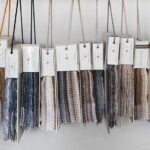
McGownd stresses that she wants her clients to fully understand a project before committing to it. Her shop holds a room filled with swatch books and examples of draperies to show clients how the various styles of pleats look. (There’s also a room where she “trains” finished window treatments to hang properly before installation.) “Everything has its pros and cons,” McGownd says. “If somebody wants really full drapes to be nice and big and lush, you’re going to lose some of your window, so I always try to point out the negatives … because I don’t want any surprises.”
Maybe that’s why her clients—be they professional designers or homeowners who walk in off the street—come back again and again.
“It’s kind of nice to get to know [clients] over a period of time,” she says. “Sometimes we’re on the second or the third rendition of the same room after 20 years.”

Brewer Quilt & Design
Like many local workrooms, Brewer Quilt & Design started with one woman working in a basement—but it didn’t stay that way for long.
In 1958, Dorothy (“Dot”) Brewer began making dresses and doing alterations. As opportunities arose, she expanded her services
to include quilting and, later, draperies. It wasn’t long before she hired one employee and then another and another. Eventually, the business outgrew the family basement. Dot and husband Gilbert (“Gib”) built an addition to their house. The business outgrew that as well, so they decided to rent space in Ballwin.
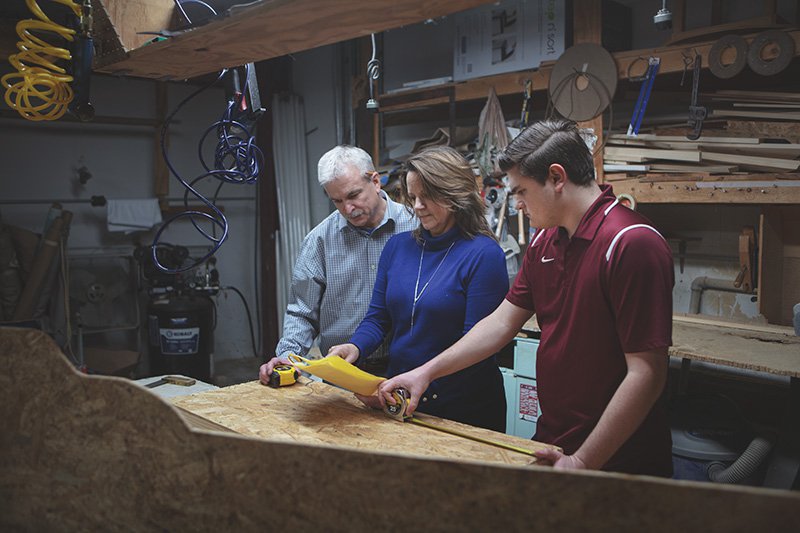
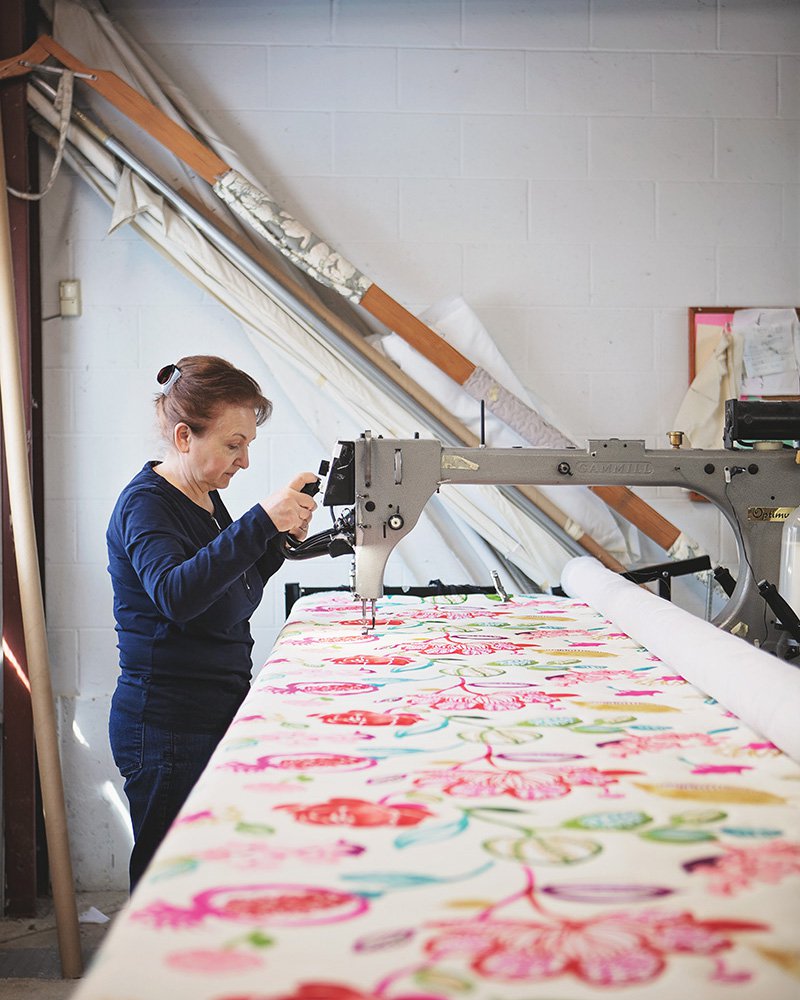
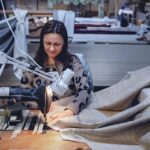
In 1988, the Brewers built their current 8,000-square-foot facility in Valley Park, where nine employees now make drapes, headboards, bedding, cornices, and a variety of other upholstered items. The workroom is a full-service resource for designers, offering design assistance, expert fabrication, and installation.
“Pretty much anything [designers] draw up, we’ll try,” says Bryan Ponder, who now
co-owns the business with his wife, Cindy Ponder, who is the Brewers’ daughter.
Cindy grew up around the business. “[She]was in her bassinet by my loom when she was first born,” says Dot, who still comes to the workroom each week.
Over the decades, the family has seen many changes in materials, hardware, and methods of communication with clients. The contracts used to go “back and forth for almost a month before the job would come through,” says Cindy. “Now, bids are completed usually within 24 to 48 hours, so that has sped up our whole turnaround time for projects.”
Another big change to the industry has been automation. Cindy says that more of their blind-and-drapery projects now involve some form of power, which require more upfront planning and preparation.
“What do we need to have in the back of the wall to support the rod? Where do you need the power outlets so that we can do power draperies?” Bryan asks. “We work with the designers, the builders, and the electricians on all of that.”
Although the Ponders joke that the workroom can be a bit chaotic when all the employees are working and the machines are humming, they love the familial atmosphere and the decades of experience that are together under one roof. One of Dot’s original looms hangs from the workroom ceiling as a reminder of how far the business has come since those early days.
“Our employees are just so talented at what they do,” Cindy says, “and that’s what has made our company a success.”