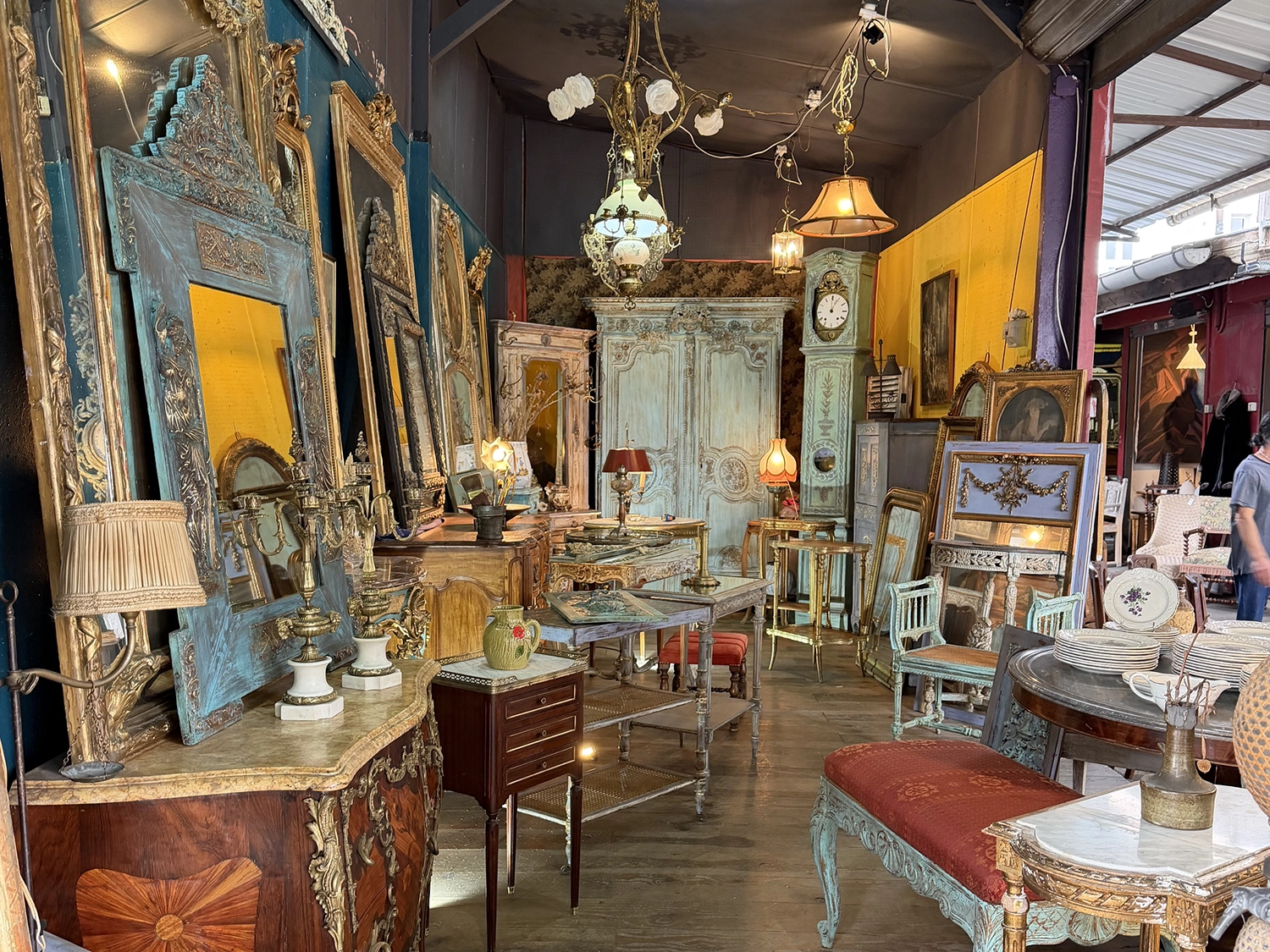
Earlier this month, I spent a glorious week in Paris with my husband. Despite the cloud coverage and almost daily rain, we eagerly set off on foot excited to experience whatever the city had in store for us.
Of course we did some pre-travel planning, including buying advanced museum exhibit tickets and figuring out how to take the metro to the last stop at Porte de Clignancourt, where Les Puces de Saint-Ouen, the famous flea markets, are located. Before our departure, I also reached out to St. Louis interior designer Lauren Thorp for advice. During an interview with her for a story last fall, I remember her mentioning an upcoming trip to France and how excited she was for her tour of Les Puces. Hiring a specialist to show you around the market sounded like a smart move and I thought I’d do the same. Unfortunately, by the time I DM’d the guide, her calendar was booked through September.
Get a weekly dose of home and style inspiration
Subscribe to the St. Louis Design+Home newsletter to explore the latest stories from the local interior design, fashion, and retail scene.
Les Puces has a way of teaching you things. Here’s what I came away with.
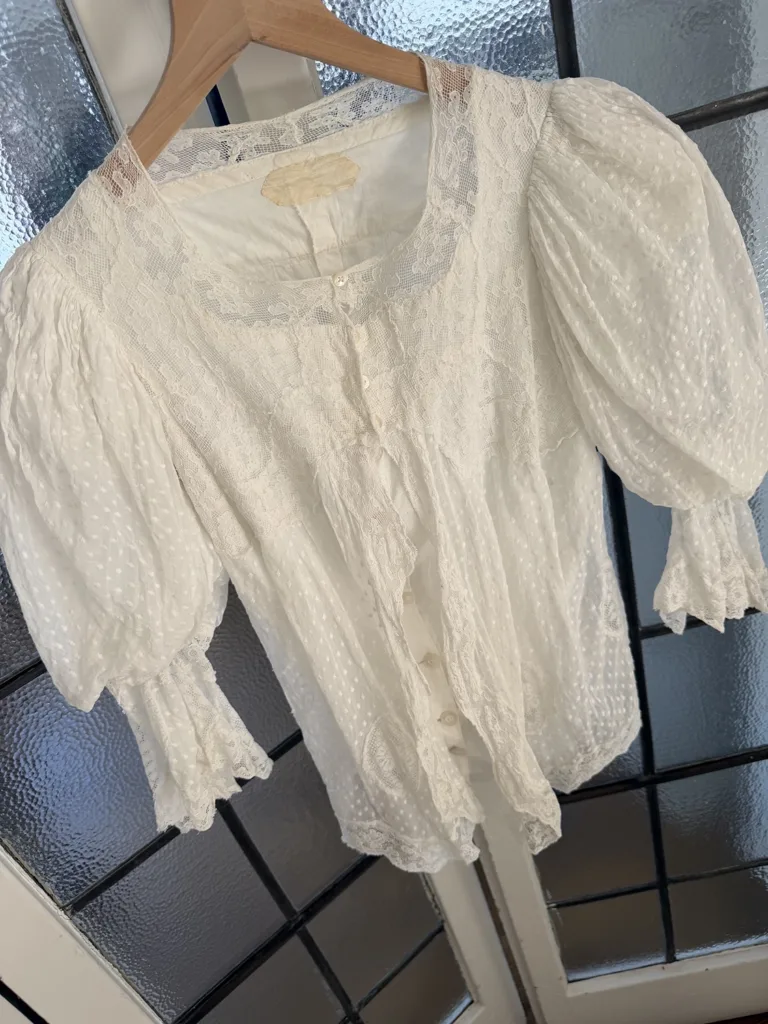
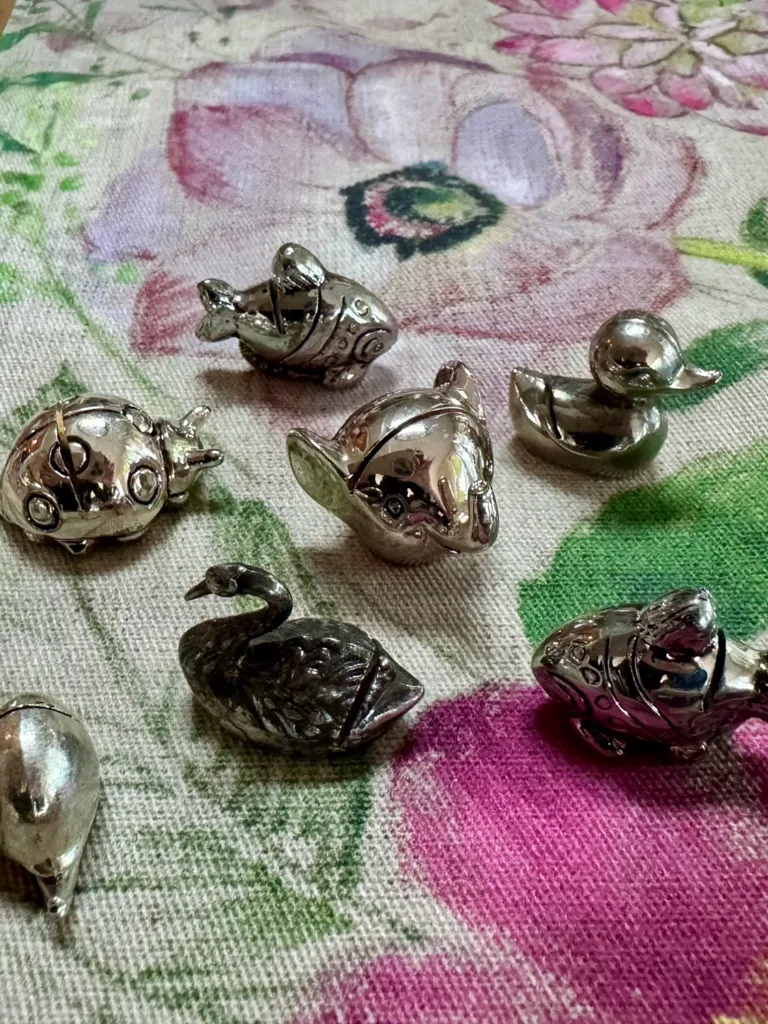
Hiring a guide is a good decision if it’s your first time visiting the markets and you’re on a tight schedule. Otherwise, walking at your own pace invites serendipity to take hold and the option to linger or pivot as needed. As you can imagine, discovery is the norm at the markets and the chances are high that you’ll be swayed by something you see through a window or hanging on the racks. This is how I discovered a vintage shop dedicated to sourcing lace tops dating back to the 1930s and 40s, and a vendor who curates antique silver dinner table accessories. As for the blouses, I immediately spotted a top in a lovely Swiss dot fabric, tried it on and, after negotiating the final price, had to have it. I like knowing that it belonged to someone else. I think of the joy she must have felt wearing it because I can’t wait to do so myself. As for the 16 name card holders I purchased, they are in the shape of animals, everything from snails and turtles, to elephants and lady bugs. I bought them for a friend who loves to cook and recently turned 50. She seemed as smitten with them as I was. “Are they from the Paris market?” she asked.
Part of the reason I felt so comfortable shopping without a guide is because I’ve spent years shopping locally for vintage and antiques, training my eye to recognize what I like and understanding the value of furniture and home decor. This work came in handy and you can do the same. Visit local antique shops, talk to the owners, and learn from them. They have a lot of knowledge and experience and they love to share it with their clients. This is also true in Paris. We spent a lot of time chatting with vendors whose booths we wandered into. One, an American ex-pat who’s lived in Paris for the past 20 years, talked to us about life back home as she shared details about designers and materials. From another vendor we learned about the modernist furniture designer Pierre Chapo. Ask a lot of questions and absorb everything.
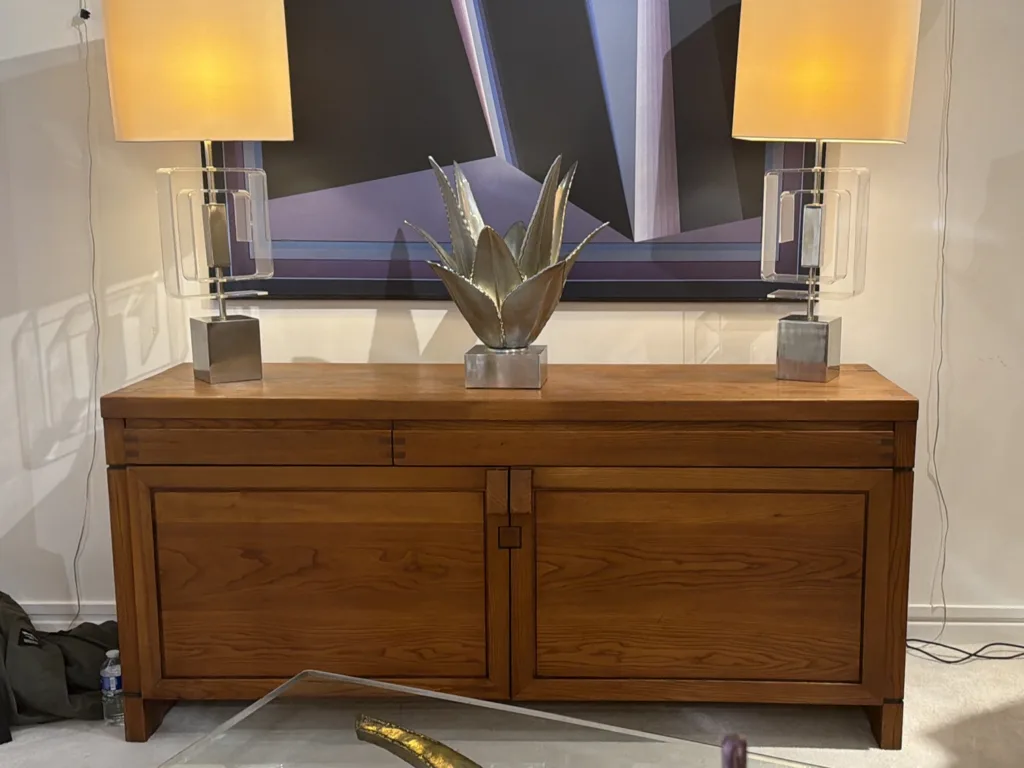
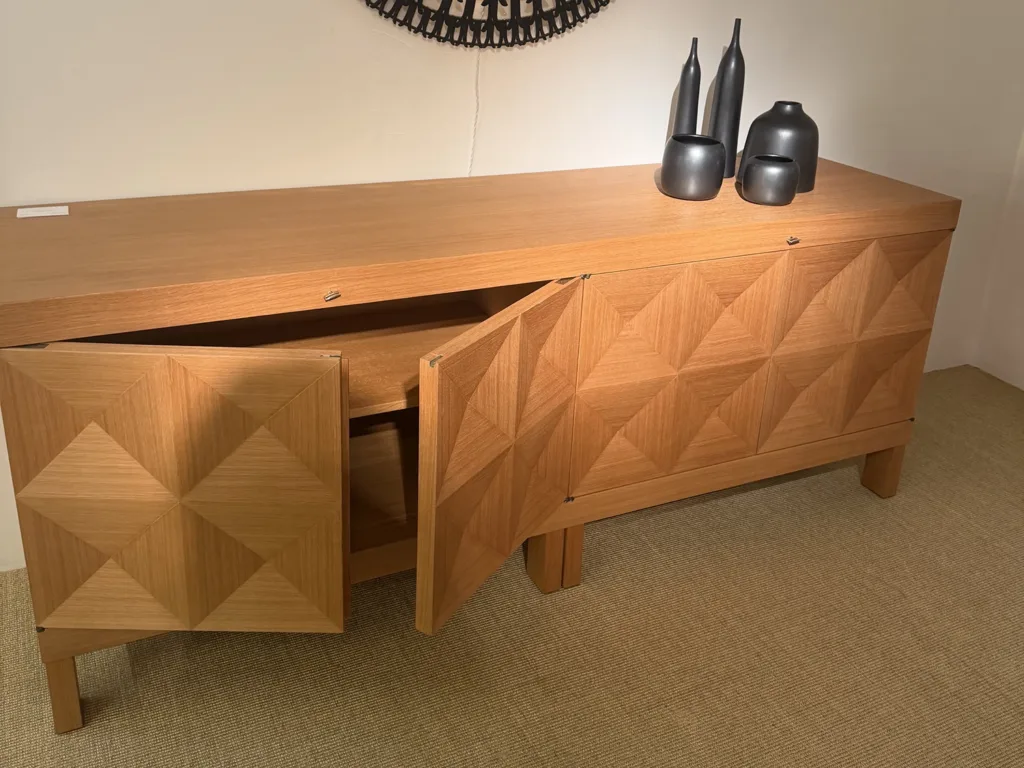
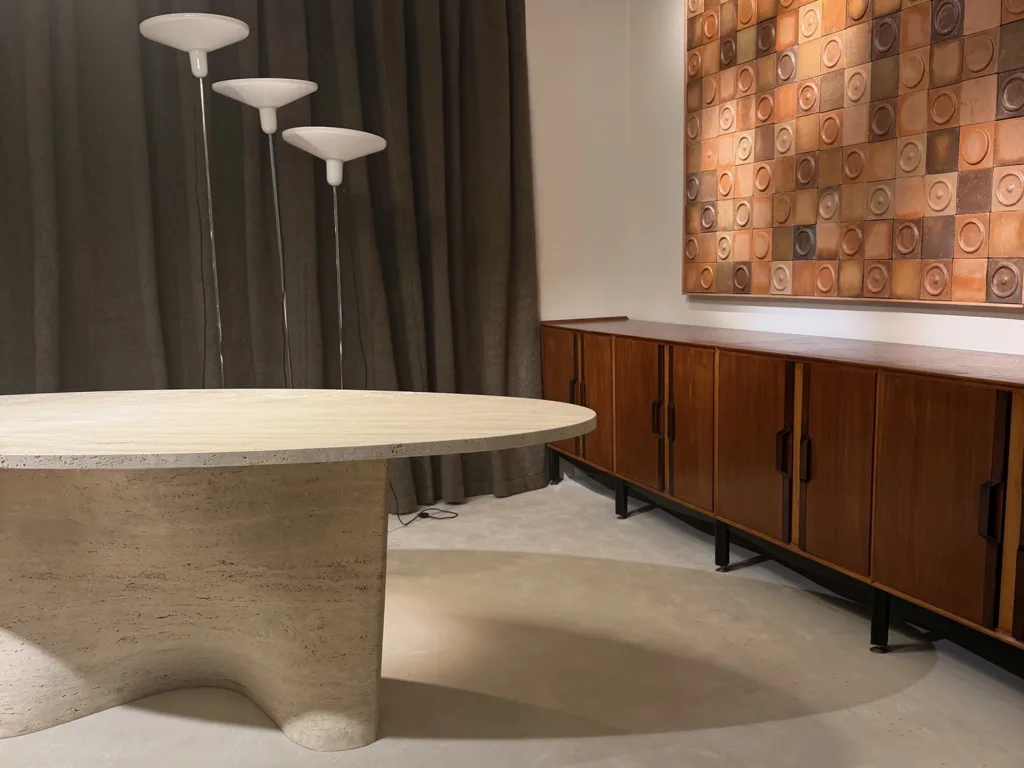
On this trip, I had something specific in mind–a credenza for the dining room that has eluded me for years. Before my trip, I made sure to take measurements of my space. Jessie Miller, an interior designer based in St. Louis, suggests asking a friend or family member to help you measure. “It’s good to get a second set of eyes on it,” she says, especially when measuring ceiling height. By the time our shopping day ended, we had seen three credenzas that we liked for our house, including a piece from the 1970s–an era that always speaks to me. With pictures of my dining room and the measurements on my phone, I confirmed that they would each fit the space and clear the front doors of my house. Miller calls this future planning. “It’s important to make sure that you can get the piece into the house,” she says. As for the credenza, my husband and I are aligned on the one we think is best suited for the room, in both design and color. The price for the solid oak piece with concealed European cup hinges is also fair. We plan to call the dealer later this week to find out if it’s still available.