A new show at Laumeier Sculpture Park examines one of the world’s most pressing issues, looking at how humans and their love affair with technology impacts climate change. “The Future Is Present: Art and Global Change” opens Saturday and runs through May 9.
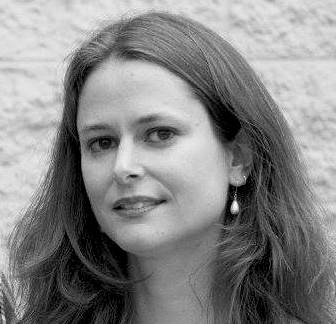
Curator Dana Turkovic says the show has been in the works for a while now and that it resonates deeply with the mission of the park to look at the connection between art and nature. The 10 artists contribute in distinct ways to the conversation and provide entry points for audiences to connect deeply to the issues at hand.
Stay up-to-date with the local arts scene
Subscribe to the weekly St. Louis Arts+Culture newsletter to discover must-attend art exhibits, performances, festivals, and more.
“With most of the artists in the show, there is a sense of responsibility to look at these topics and filter them through an artistic lens,” says Turkovic. “We’re at a point where we’re looking at the different ways that humans impact nature, and these artists each have their way of doing that.”
Each of the artists integrates technology, data, or other forms of information into work that situates humans in the natural world and in their own creations.
Work from Addis Ababa–based artist Elias Sime uses concepts of upcycling and tech waste to create landscapes that explore our entanglements with technology. Pete Froslie from Norman, Oklahoma, was researching polar ice caps in Svalbard, Norway, and his piece in the show incorporates the ice sounds he captured. Los Angeles– and Madrid-based Daniel Canogar split a screen into four quadrants representing worldwide climate accords, with live weather data from the cities (Paris, Kyoto, Montreal, Rio de Janeiro) for which each of the accords are named.
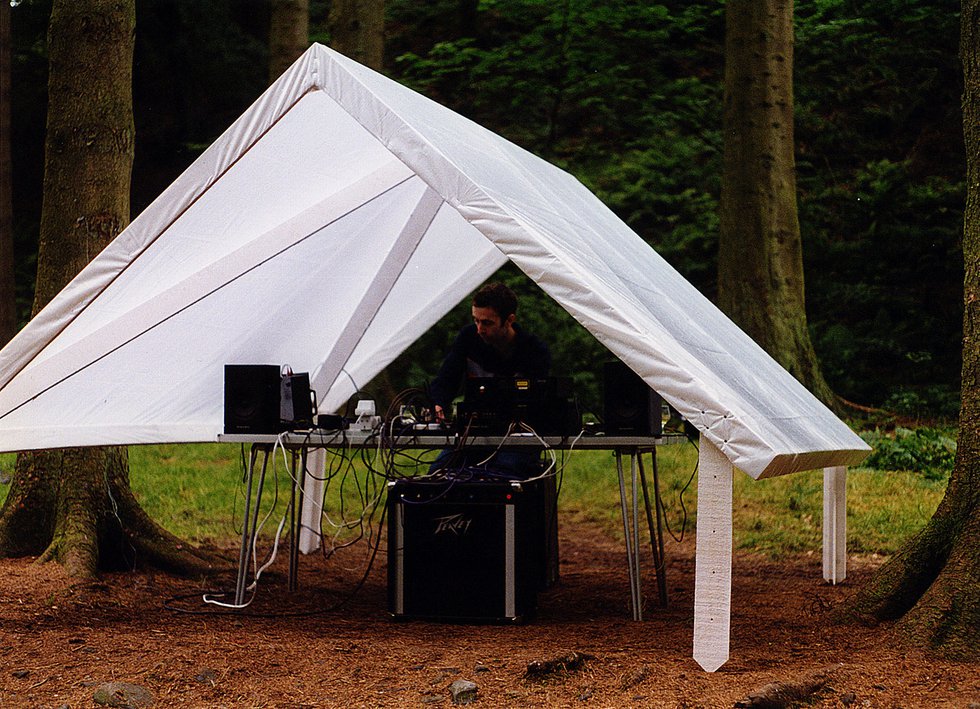
A piece from Glasgow-based Calum Stirling invites plenty of speculation on nature—on its longevity, its expressiveness, and its own agenda. Back in 1999, he measured the real-time changes in the currents of cells in trees in the UK’s Grizedale forest, manipulating the impulses into the music of the trees.
“Most people, their expectation was something more melodic, like it was going to produce this beautiful melody, but it wasn’t,” says Turkovic. “It was in some cases kind of harsh and grungy. He was personally inspired by that. People are hearing these trees sort of live their lives.”
Interspersed with the works in the gallery space is a complementary educational piece, Turkovic explains, which addresses green initiatives in place at Laumeier—what it’s doing and ways it could improve. The explanatory graphics, she says, can serve as entry points for people just starting to think about mitigating their own impact.
The show is mostly in the Aronson building, open to the public for the first time since last March. Two pieces will be outdoors, so do bundle up.