When you’re sitting in your green plastic seat at The Muny, flagging down the vendors for a bottle of water and reveling in the fleeting coolness of those giant fans, you might notice that the stage is a little different this week.
The orchestra pit—and the 27 musicians typically seated within it—has vanished. The stage is deeper, minimizing the gap between actors and audience. Before Act I even begins, it’s clear that Buddy: The Buddy Holly Story is quite unlike the rest of the season so far.
Stay up-to-date with the local arts scene
Subscribe to the weekly St. Louis Arts+Culture newsletter to discover must-attend art exhibits, performances, festivals, and more.
Buddy Holly’s “Peggy Sue” and “Rave On” are a far cry from last week’s Irving Berlin melodies, but this is a change to embrace—as a combination biography/musical/tribute concert, Buddy shows that The Muny is capable of more than just the musical theater classics.
The show opens in January of 1956. Young Buddy Holly and his pals, Joe B. and Jerry, have grown tired of the slow, meandering rhythms of country music, and they rock the local radio station when they burst into a rollicking rendition of “Ready Teddy.” Soon, Buddy Holly and The Crickets have a recording contract, and their rock ‘n’ roll beats make them a nationwide sensation. From The Crickets’ famous performance at the Apollo Theater in Harlem, to the day Holly met his wife and proposed marriage to her only hours later, every detail included in Buddy humanizes and deepens Buddy Holly’s blink-of-an-eye rise to rock ‘n’ roll stardom.
With The Muny orchestra taking a break this week, the actors onstage are left in charge of making their own music, which makes this show a standout this season. You’ll spend the first few scenes watching the actors’ hands as closely as you can, expecting them to simply pantomime strumming a guitar or playing a piano, but you’ll never catch them tripping up. Soon, you’ll have to admit it. The keyboard, the electric guitar, the bass, the saxophone—they’re not props, they’re real instruments, and they’re being played live onstage.
In a time when the singing and dancing musician is rare (if not extinct), the cast seems to be doing the impossible. Andy Christopher (Buddy Holly) leaps around the stage for two and a half hours, without ever running out of breath or losing his signature horn-rimmed glasses. Sam Weber (Joe B. Mauldin) and his upright bass twirl around the stage with athletic finesse, making them one of the most striking sets of dance partners to grace The Muny stage this season. Jo Lynn Burks (Vi Petty) is a superstar ivory tickler, Nicholas Rodriguez (Ritchie Valens) shimmies shamelessly through “La Bamba,” and Teressa Kindle (Marlena) steals the first act with her larger-than-life voice during “Shout.” Buddy is a show that demands triple threat skills from even ensemble members, but this cast makes it all look easy.
It’s difficult to watch that last scene of Act II end—partially because we don’t want to leave the high-energy Winter Dance Party tour, but mostly because we know what happens when Holly, Valens, and the Big Bopper get on the charter plane waiting for them after the show. The Buddy Holly Story wouldn’t be complete without its tragic ending, but jumping into the peppy “Johnny B Goode” encore number directly after the dramatic announcement of the plane crash is, to say the least, a rough transition. Startling as it is though, the message is clear: while Buddy Holly’s life was cut short, his impact on contemporary music is far from gone.
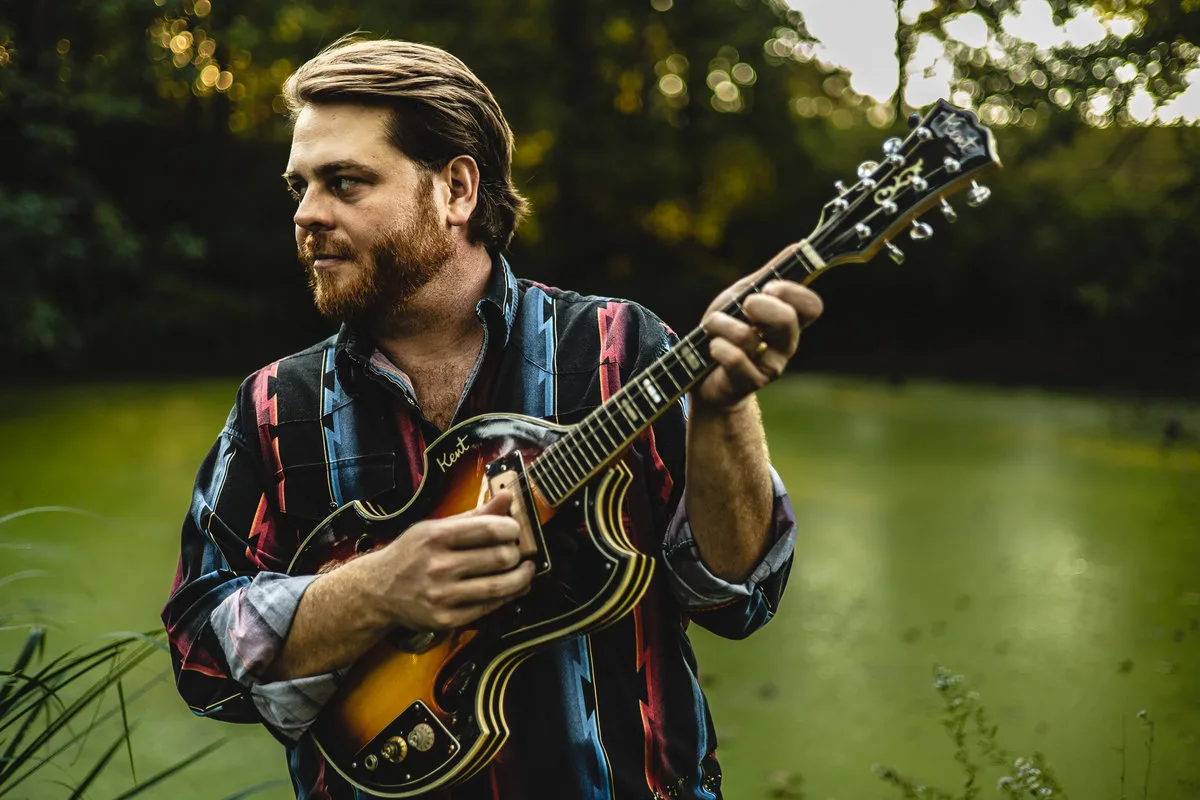
Andy Christopher’s guitar strumming, dance moves, and signature stuttering vocals are the proof—in Forest Park this week, Buddy Holly’s music is unmistakably alive.
See Buddy: The Buddy Holly Story at The Muny (#1 Theatre in Forest Park) from July 13-19. Tickets are free-$87, and can be purchased at The Muny box office or online.