Shakespeare Festival St. Louis is now in its 19th year and, having attained a certain maturity, it’s ready to venture a ways from its parents. In other words, though the Bard will always be its foundation, there’s a new series this fall called In the Works. It’s focused on original plays that he didn’t write, which would surely endear us to Shakespeare, master of the pastiche and a genius at making the old new.
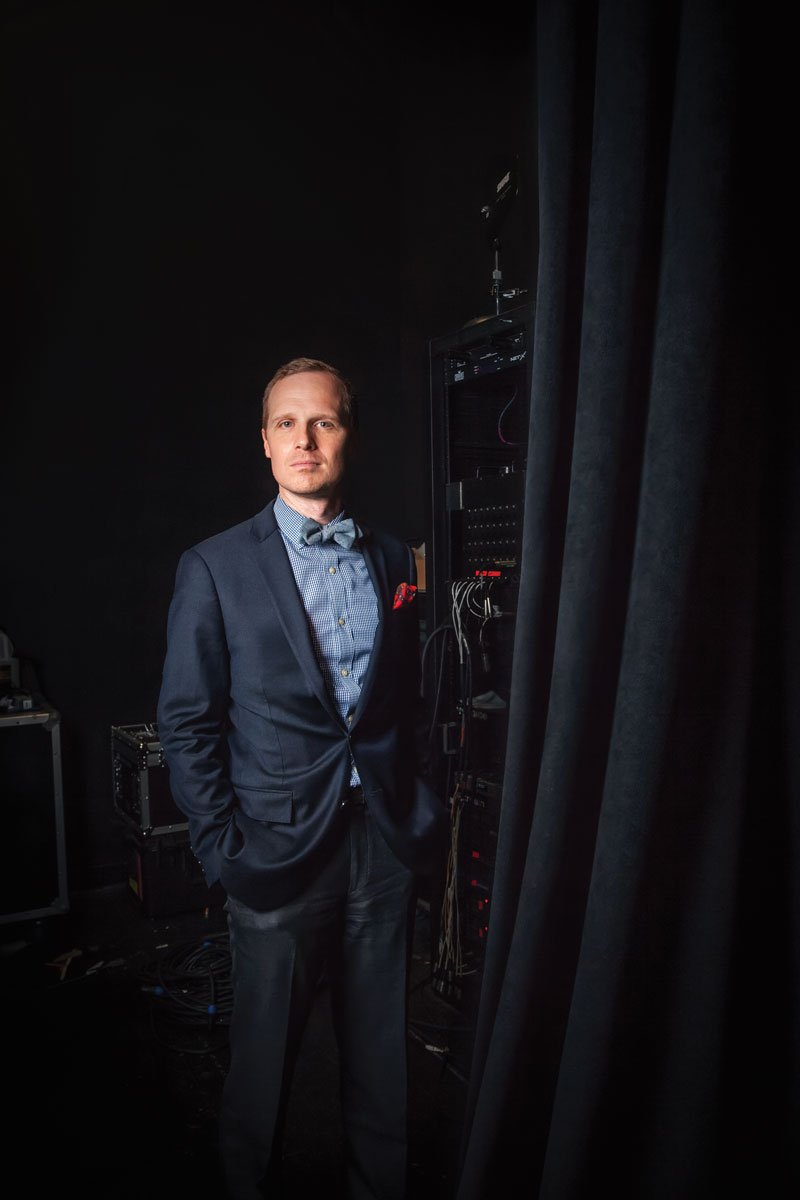
In the Works was, well, in the works when Tom Ridgely became the festival’s executive producer. It’s not a radical idea: Shakespeare festivals across the nation have begun developing new productions atop their Shakespearean foundation. That’s what’s needed “for a theater to be really rich and alive,” says Ridgely, “and the reason Shakespeare is so rich and alive is because he was so fully engaged with his own time and place.”
Stay up-to-date with the local arts scene
Subscribe to the weekly St. Louis Arts+Culture newsletter to discover must-attend art exhibits, performances, festivals, and more.
Then how come he’s so universal?
“Obviously he had a special ability to observe what was going on around him and repurpose those observations,” says Ridgely. “He was engaging with the issues of his day but not in a way so direct that it would be tied too tightly to that moment.” An example: “At the height of his career, England was ruled by a very single, very childless, very elderly queen. The idea of the political turmoil that might ensue when she passed away had people very, very anxious. One of the many ways he responds is with Julius Caesar, an ancient story about what happens when a ruler dies suddenly.”
In the Works’ first season consists of three new plays, all 2018 premieres that are somehow in dialogue with Shakespeare.
The first, a full production and regional premiere, is Into the Breeches!, which is sweetly optimistic, fervently idealistic, and hilarious. Written by George Brant, it’s set on the home front during World War II, and it’s powered by a group of women who are fighting to stage Henry V on their own. The play isn’t cloying—it tackles the inequities then faced by women, African-Americans, and anyone who was gay—but the characters work hard to be decent.
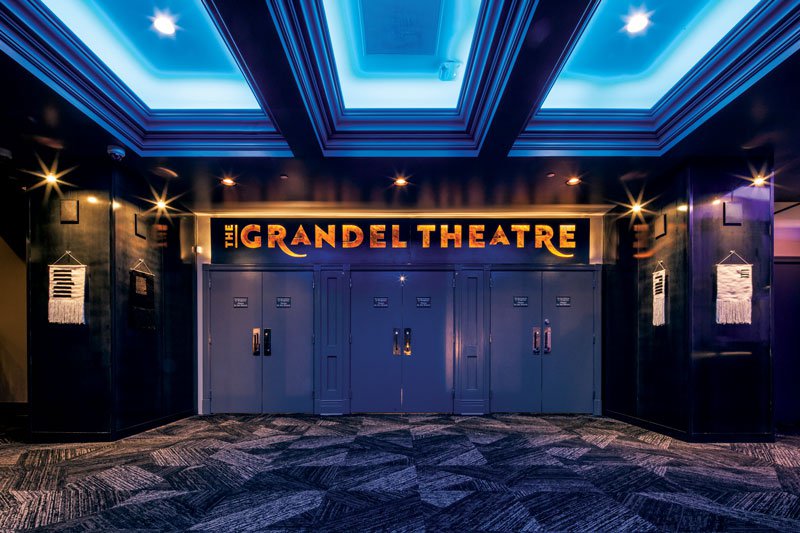
“It’s about a time in our country’s history when people overcame huge obstacles to come together in unity,” says director and Shakespeare Festival’s playwright-in-residence Nancy Bell, “and that’s a real tonic right now.” Rather than build a set within a set, the play will make its “theater” The Grandel itself, brought back to the 1940s. And though this is by its very nature an ensemble piece, it has a strong protagonist, Maggie (played by local phenom Michelle Hand). “She’s resourceful,” Bell says. “She’s scrappy. She’s everything America wanted the home front to be.”
The second, The Thousand Natural Shocks (that flesh is heir to, if you remember your Shakespeare) was first a novel, and Shakespeare Festival commissioned author Michael Sáenz to adapt it as a play. It will be done as staged readings, allowing audiences to watch the work evolve. The story is centered on a young man coming to an awareness of his homosexuality while he directs Hamlet at a Jesuit high school. “There’s a lot about young male sexuality that Shakespeare was alive to,” notes Ridgely. “I think he’d be really interested.”
The third play, A Most Outrageous Fit of Madness, was written last year by Nancy Bell for the festival’s education tour to rural and urban schools. It plays off The Comedy of Errors (just as The Comedy of Errors played off an old Roman play) and is so perfect for families, it seemed a natural for the holiday season.
Ridgely wants to nurture “work that could only be created here in St. Louis, by St. Louis artists,” he says. “I’m interested in telling stories that come from where we are.”