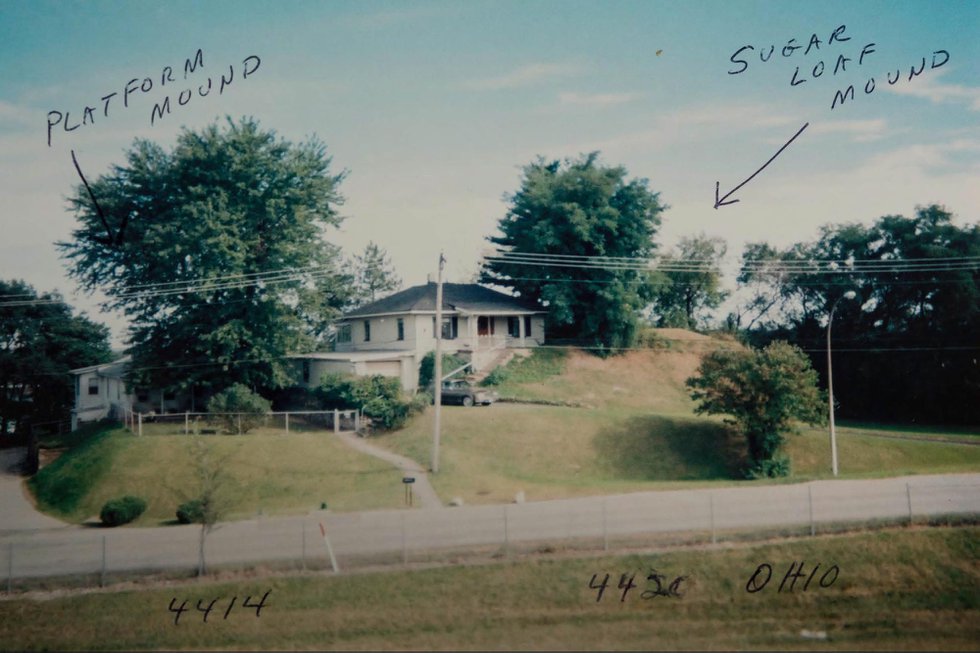
The Osage Nation and local art and civic impact organization Counterpublic announced today that major strides have been made in Counterpublic’s three-year effort to rematriate the entirety of the historic Sugarloaf Mound to the tribe.
Constructed by the same Mississippian culture responsible for the Cahokia Mounds across the river in Illinois, Sugarloaf Mound is the last intact Native American mound within St. Louis city limits. The rest of the hundred-plus examples of this ancient culture’s mounds—which earned St. Louis its “Mound City” moniker—were razed as the city grew.
Stay up-to-date with the local arts scene
Subscribe to the weekly St. Louis Arts+Culture newsletter to discover must-attend art exhibits, performances, festivals, and more.
Efforts to reclaim and preserve the Sugarloaf Mound site, located at 4420 Ohio Avenue in the Mount Pleasant neighborhood, have been underway for decades. In 2009, the Osage Nation purchased and began preservation and stabilization on its first section of the mound, dismantling a home previously on the property. Some structures still remain on the site, and negotiations with the owners have led to this most recent breakthrough.
“After many months of planning, organization, and negotiation, the Osage Nation put Sugarloaf Mound back in native hands [in 2009],” said Dr. Andrea Hunter, director of the Osage Nation Historic Preservation Office, in a release announcing the land transfer. “Now, through collaborative partnerships and the good will of the previous owner, the Osage Nation comes another step closer to restoring this sacred site as it should be preserved.”
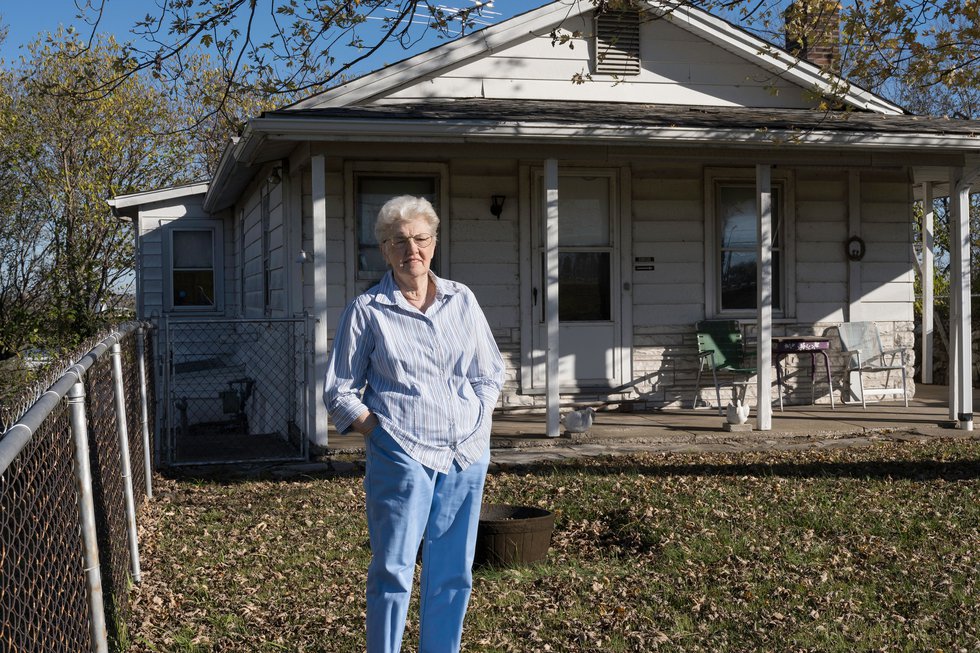
Counterpublic artistic and executive director James McAnally stewarded the rematriation process with property owner Joan Heckenberg, who has lived atop the mound for more than 80 years. With the transfer agreement with Heckenberg settled, only one other property remains on the site. This final home is owned by the St. Louis chapter of national pharmaceutical fraternity Kappa Psi, and work is underway to support the sale or transfer of the property.
“We’re in conversation with [Kappa Psi], and we’re optimistic that we’re going to come to a resolution here in the next couple of months,” says McAnally. “I can say that they have been responsive and open to considering ways to publicly transfer their home as well.”
Once the historic site is fully rematriated to the Osage Nation, next steps include further plans for stabilization, preservation, and education, including the construction of an Osage Interpretive Center on the property.
“The eventual goal is to have an Osage-led interpretive center that would complement what you can see at a place like Cahokia, which is a state site, so it isn’t from the perspective of the mound builders and their ancestors,” McAnally says. “The goal is really to put not only the land but also its interpretation back into native hands.”
Along with the announcement of the land transfer from Heckenberg comes news of a forthcoming first-of-its-kind resolution from the St. Louis Board of Aldermen. Sponsored by Alderwoman Cara Spencer, the resolution will acknowledge the sovereignty of the Osage Nation, its ancestral right to Sugarloaf Mound, and support for the Sugarloaf Mound Preservation Plan. McAnally says that the hope is that, by the time the board resolution passes in January, the parties involved will be able to celebrate “everyone coming to the table and moving forward.”
“The public moment will come when the board resolution comes to the floor,” he says. “It’s a really historic moment. The City of St. Louis has never taken this step to formally recognize the Osage and their place in this city that we call home. It’ll be a celebration of this work and Sugarloaf, but also a celebration of the Osage and the City of St. Louis coming together.”