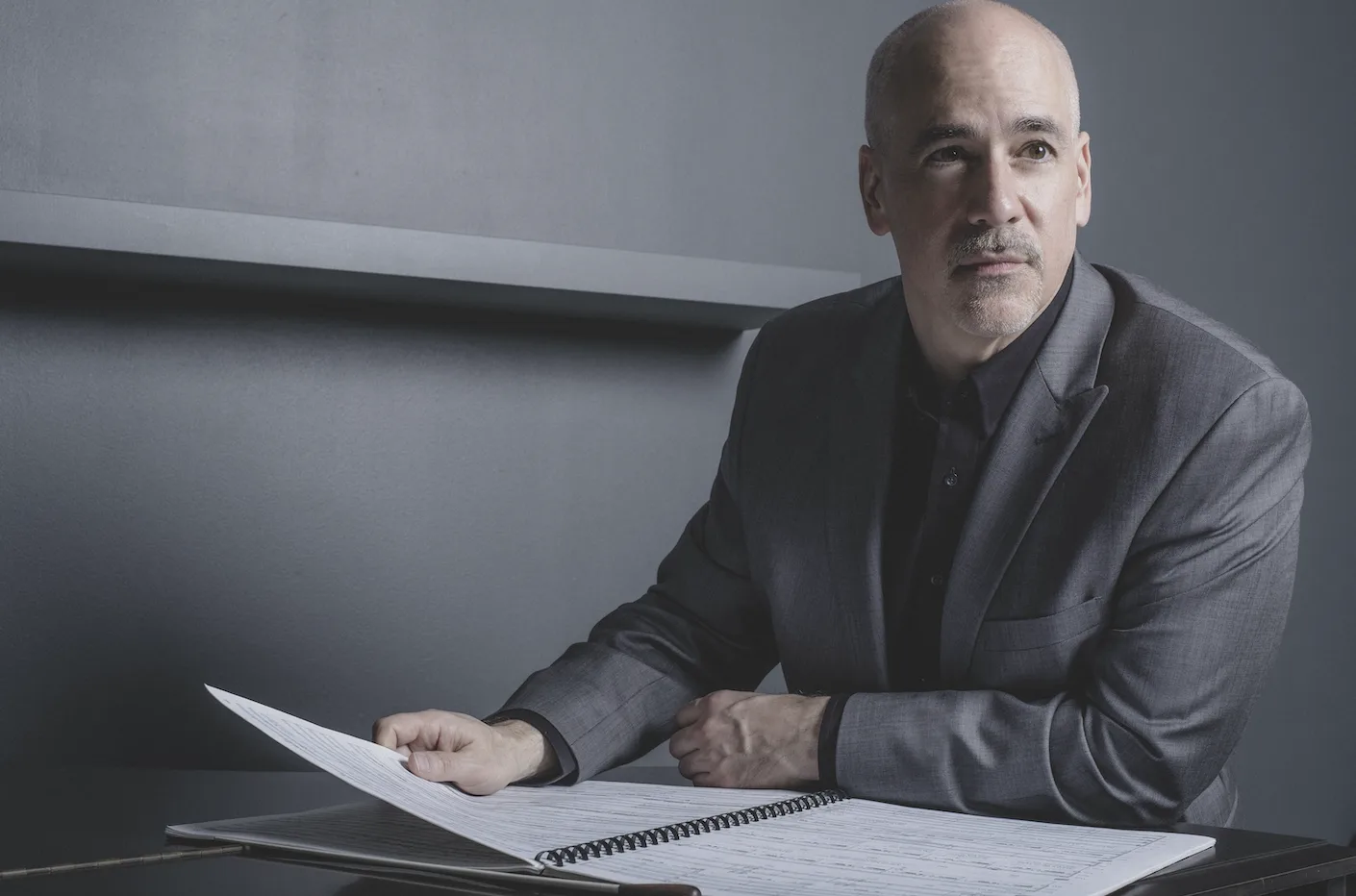
John Shoptaw, a poet and professor at Berkeley, has written a book of poems that is as intricate and profound as the Mississippi River with its history, tributaries and deltas. Times Beach is an extremely well-made work that hearkens to Hart Crane and Walt Whitman, rhythm and blues, and the American experience of individual voices. Formally innovative, the book opens with Blues Haiku, a form invented by Shoptaw that feels and sounds like a confluence of old, sacred songs that lulls readers to dangle their feet, as it were, into the ever-changing waters that drag and draw us quickly into the text. And since the word “appropriation” has been popular as of late—see the idle debate about Kenneth Goldsmith and his autopsy poem—don’t fret: John Shoptaw comes from the Southern bootheel of Missouri, where he picked cotton and worked in a lumber mill. He knows the places about which he is writing, knows them well. And Shoptaw, true to Lowell’s dictum, makes something imagined and not just recalled. The voices in Times Beach are truly varied and they expand, songlike, in the imagination.
I asked Shoptaw about the moral implications of making poems, if the act of making should in some way be “moral.”
Stay up-to-date with the local arts scene
Subscribe to the weekly St. Louis Arts+Culture newsletter to discover must-attend art exhibits, performances, festivals, and more.
“In the poems I fabricate, but I don’t lie, so they are good moral exercises for me,” Shoptaw says. “Like most writers, I like to imagine other lives, other consciousnesses, whether human or nonhuman, which I think enlarges my sympathies, and by extension my reader’s.”
This enlarging of our sympathies is achieved in Times Beach through a myriad of voices and formal invention. Poem by poem, Shoptaw manages to hear and see what is around him and has the courage and intelligence to sympathize and assist a willing reader in understanding the stakes at hand. For example, the poem “Floodplain,” a type of history of Huckleberry Finn, reminds us that coincidences are happening around us and we have to reckon with them. The poem concludes thus: “That’s the lesson? No, that comes from another Missourian: when you come to a fork, / take it. You will anyway.” Shoptaw blends Mark Twain along with the paradoxical statements of Yogi Berra. I see Times Beach as a guide to living in a democracy— the ability to rub along with the high and the low.
I asked Shoptaw to describe Heaven, or heaven, depending on how utopian he wanted to get: “Heaven is where coincidences come from, and make sense.” The history of Times Beach, once a famous resort town turned into a wasteland, seems one of coincidence, of things existing side-by-side in time and space without always “making sense.” That’s where Shoptaw’s smart environmentalism comes in. One of the great achievements of Times Beach is the making sense of apparent contradictions, of wrestling with contradictory voices, of dialectic.
Within the book, the reader will find the rhythms of Longfellow’s Hiawatha cropping up, etymological histories of words (Itasca = verITAS CAput ), translations from the ancient Greek of Heraclitus by Shoptaw himself, and indeed, a text as varied as life itself. That’s what makes it difficult to “talk” about when encountering Times Beach. There is so much within the text, even histories literally embedded within the poems, that I feel the book deserves not only attention and admiration, but a long and thoughtful dissertation.
But there is little time for that. Times Beach thoughtfully does the world of the Mississippi in voices, if I may borrow a bit from Eliot’s working title. One of its successes is to make even the most pigheaded of us give a bit of attention to what’s around us, namely a world that is often sinking as far as environmental consequences. Shoptaw quotes Aldo Leopold: “The land ethic simply enlarges the boundaries of the community to include soils, waters, plants, and animals, or collectively: the land.”
‘”I’d like my poetry to do this,” he adds. And through reinventing the landscape of American poetry, John Shoptaw invites us to a renewed vision of America. The coincidences are simply beautiful from his viewpoint.
John Shoptaw reads from and signs Times Beach at Left Bank Books, 399 Euclid, on Wednesday, March 25 at 7 p.m. For more information, call 314 –367-6731, or go to left-bank.com.